Overall impression: Reviews portray Divine Family Care Homes as a small, recently opened residential option that delivers highly personalized care for many families. Several accounts emphasize professional, detail-oriented caregiving, a family-like atmosphere, and an environment that felt safe, comfortable, and reassuring to relatives. The facility's small scale (six residents maximum) is repeatedly described as a good fit for families seeking close supervision and tailored attention.
Care quality: Many families described strong clinical and hands-on care, including successful post-operative rehabilitation support (for example, recovery after a hip fracture) and reliable daily care routines. Reviewers highlighted staff dedication through the later stages of life, noting that end-of-life needs were handled with attention and consistency for some residents. The level of clinical attention and individualized support appears to be a clear strength when staffing and continuity are maintained.
Staff and management: Multiple reviewers praised compassionate, attentive caregivers and an involved management presence; the director was cited by name by some families for taking a hands-on role in resident well-being. At the same time, there are consistent concerns about workforce stability. Comments indicate periods when staff felt overwhelmed, turnover occurred, and family expectations for responsiveness or consistent caregivers were not always met. These patterns suggest that staffing levels and staff retention affect the day-to-day experience and continuity of care.
Dining, activities, and resident engagement: Accounts of resident engagement include individualized attention such as arranged outings and efforts to maintain residents' dignity and social participation. However, dining quality was a notable area of negative feedback for some families; descriptions indicate inconsistency in meal quality that may warrant attention. The small-house model supports personalized activities and outings, but the availability and consistency of those offerings may depend on staffing and scheduling.
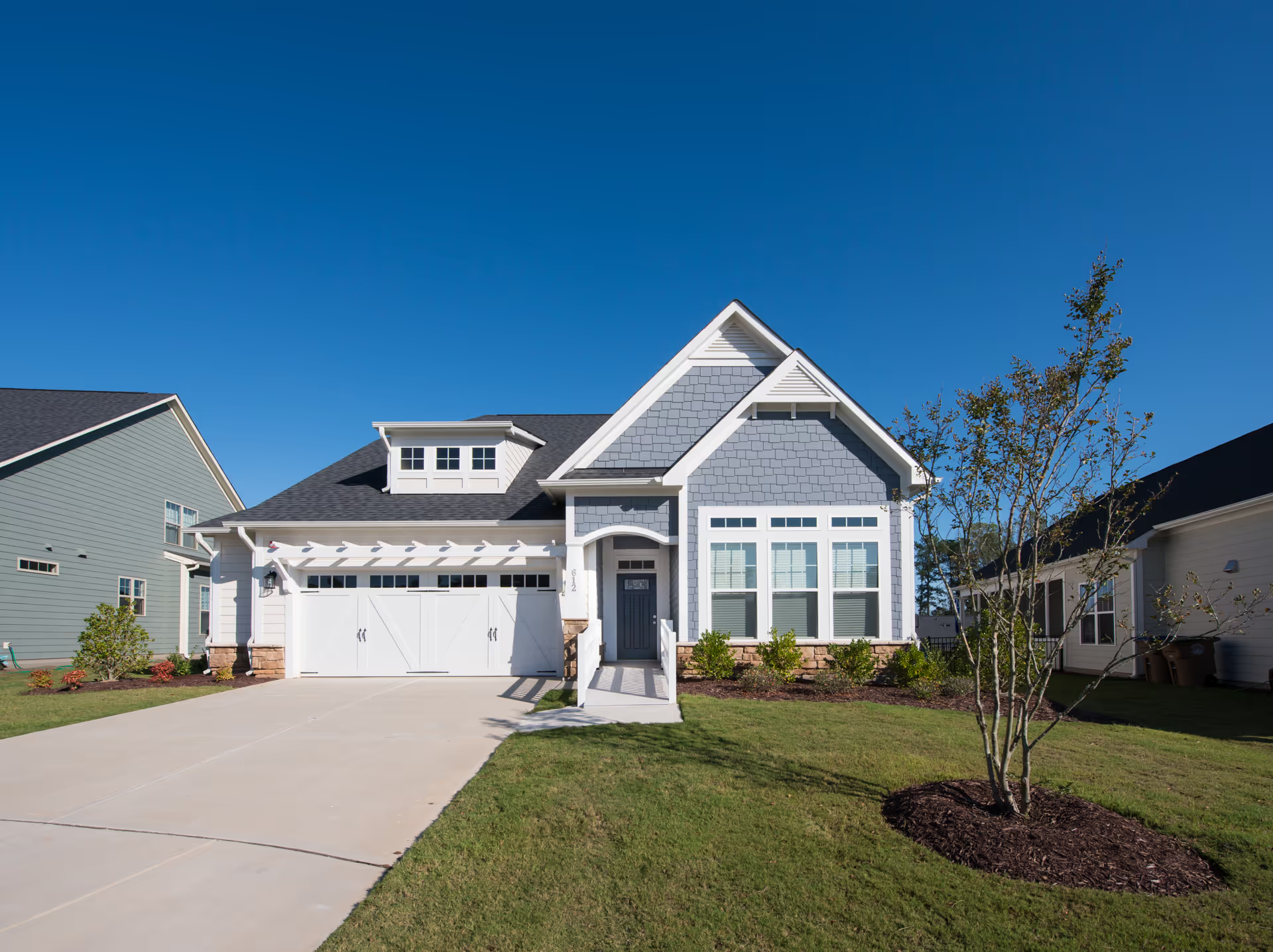
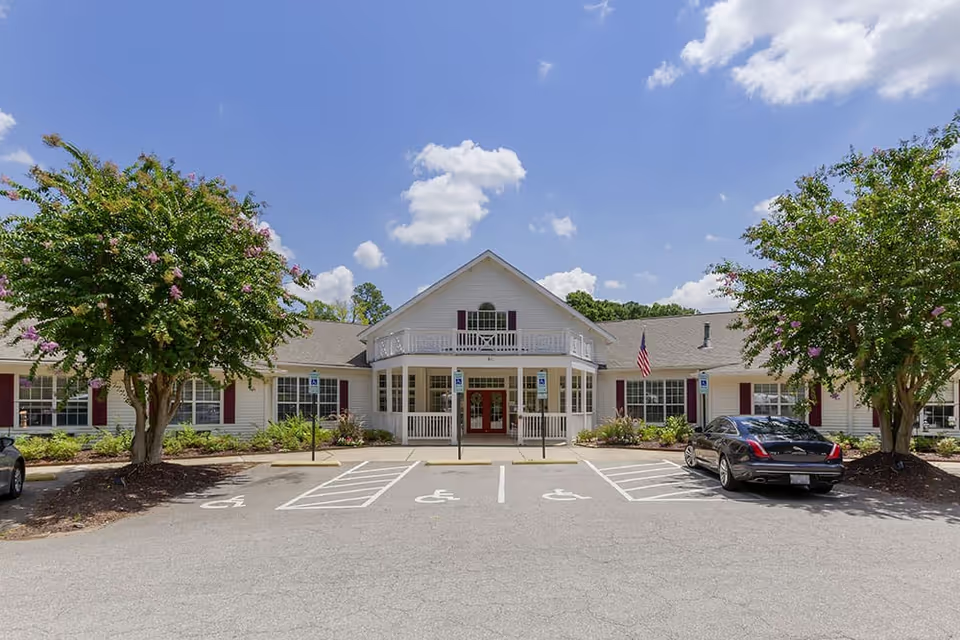
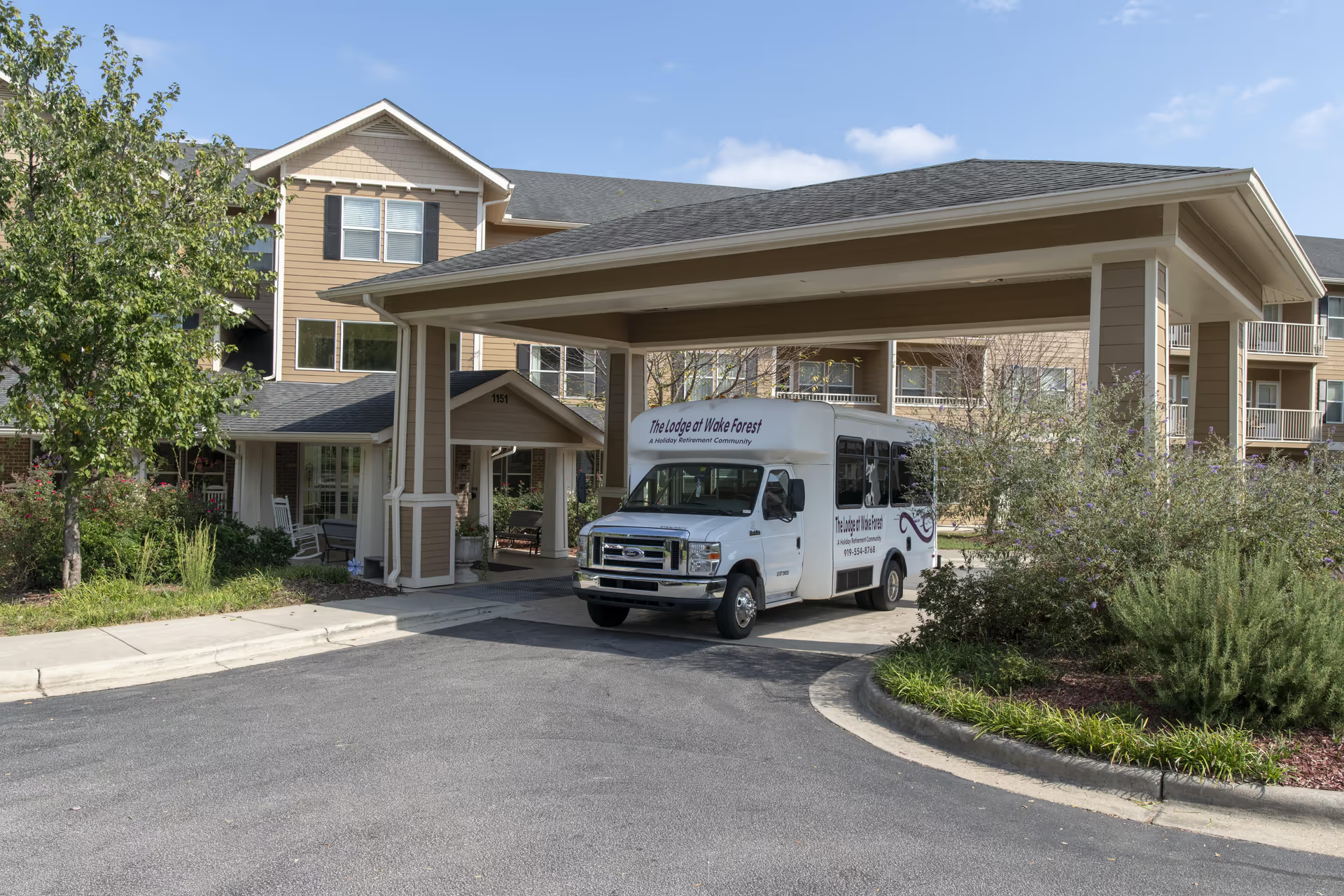
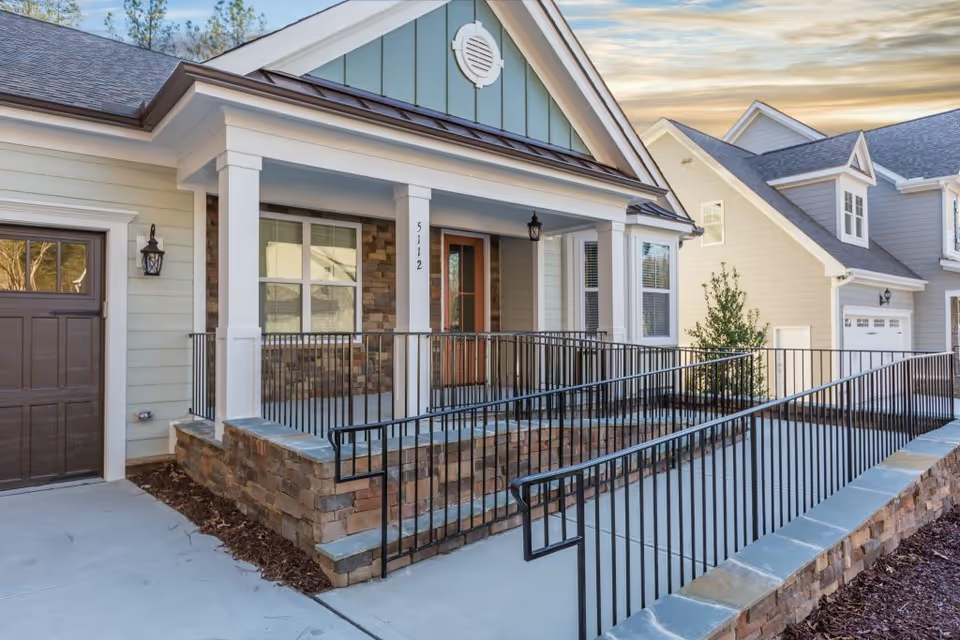
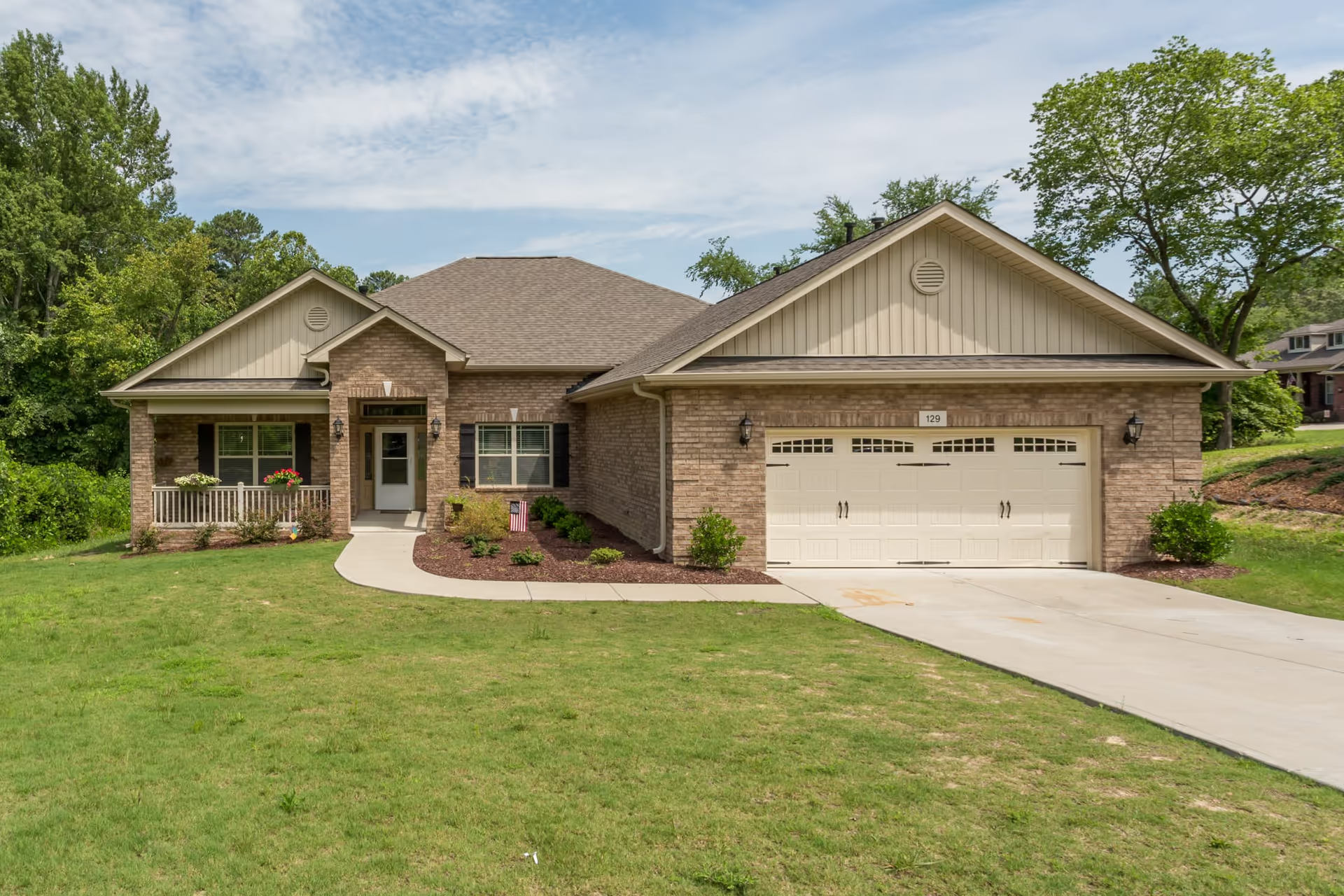
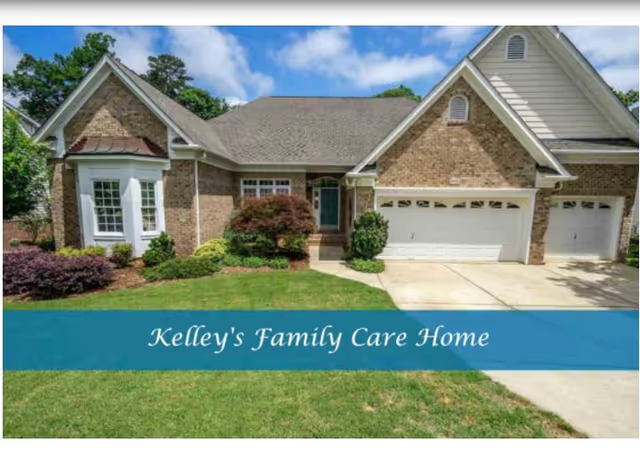
Facilities and notable patterns: The facility's newness and small size were framed positively by many families who wanted a homelike setting and close oversight. Where experiences were less positive, the underlying themes were operational: inconsistent staffing, turnover, and resulting gaps in responsiveness and continuity. These operational weaknesses appear to drive most negative impressions rather than building-condition issues. Prospective families should weigh the benefits of a small, highly personal setting against the possibility of variability tied to staffing; asking about current staffing ratios, turnover history, and meal planning practices will help assess fit for a particular resident.