Overall impression: Reviews indicate a facility network that delivers generally competent clinical care and a supportive social environment, with many families citing compassionate staff, helpful therapy services, and tangible improvements under new ownership at some locations. Residents and families commonly describe clean spaces (particularly in newer buildings), appealing meals, and an active social program that contributes to peace of mind and visible recovery gains in some residents.
Care quality and staff: Care is frequently characterized as attentive and effective, with several families noting better outcomes compared with previous placements. Staff behavior is a prominent strength when interactions are described: friendly, compassionate, and communicative employees facilitated smooth move-ins and timely family updates. However, there is variability across sites and shifts. Reviews point to inconsistent professionalism and weekend staffing gaps, and a small number of accounts raise concerns about staff conduct. These patterns suggest the need to verify staffing levels, supervision, and weekend coverage when evaluating a particular location.
Dining: Dining is commonly viewed as a positive feature. Multiple reviewers praise specific dishes and overall meal quality, and the facility’s all-inclusive flat-fee model is appreciated for financial clarity. At the same time, families desire broader menu variety and more frequent entree choices; some locations offer the ability to request a specific entrée in advance, which mitigates the issue for some residents.
Activities and social life: Many reviewers describe robust, tailored activity programs that support socialization and build friendships. When programming is available and staffed well, residents appear engaged and satisfied. Conversely, there are mentions of limited off-site outings and difficulty retaining an activities director at some sites, which can reduce the consistency and diversity of engagement options.
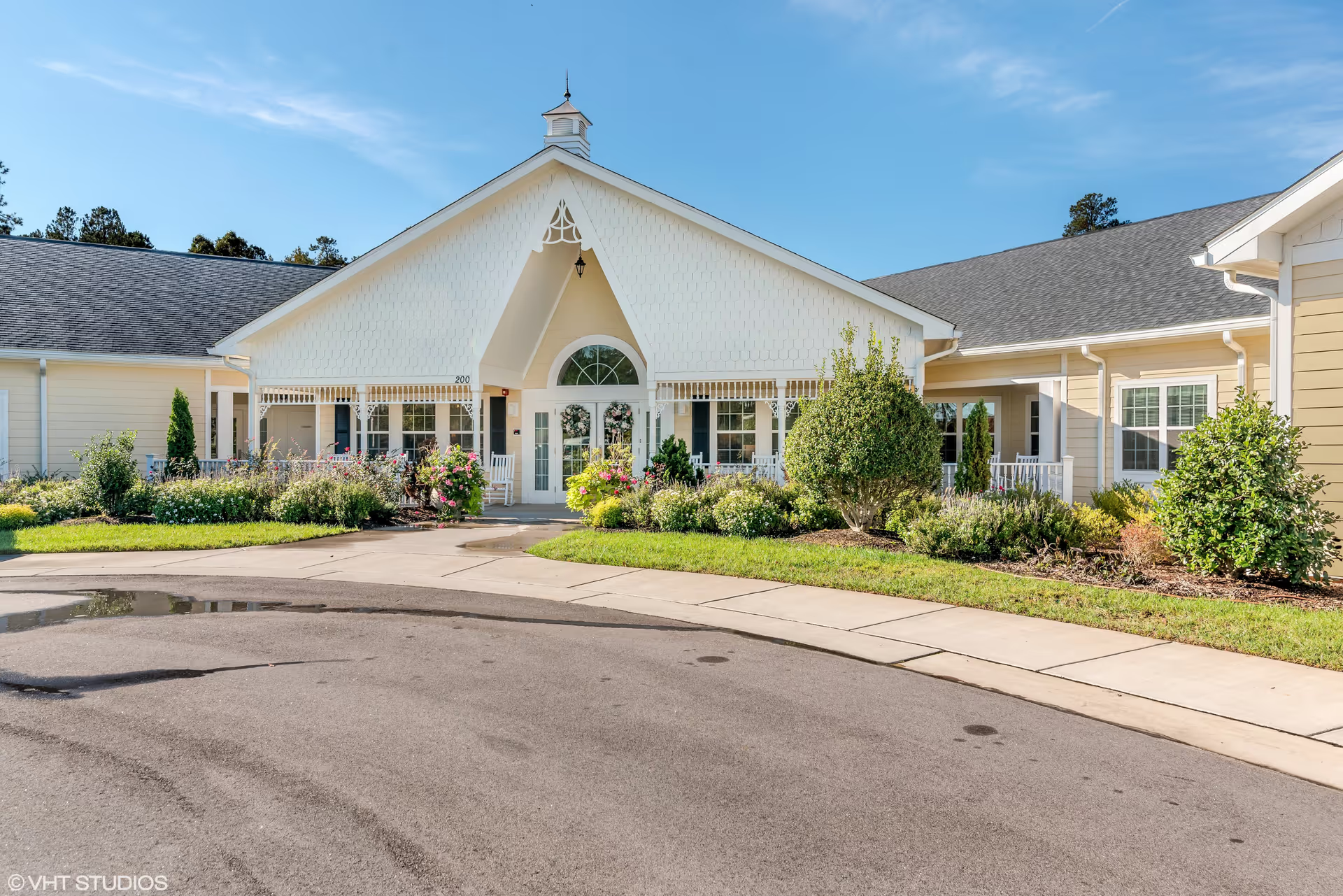
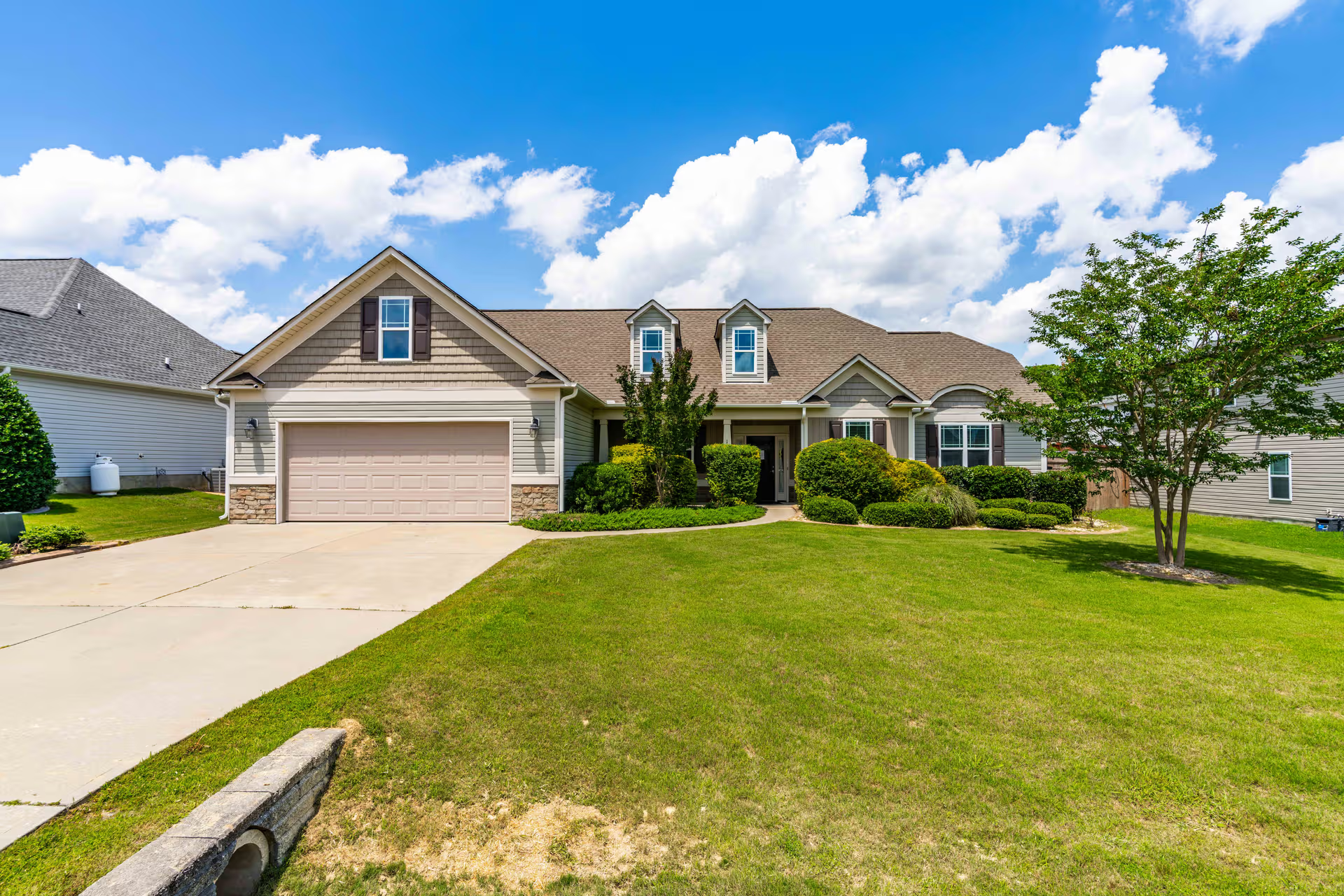
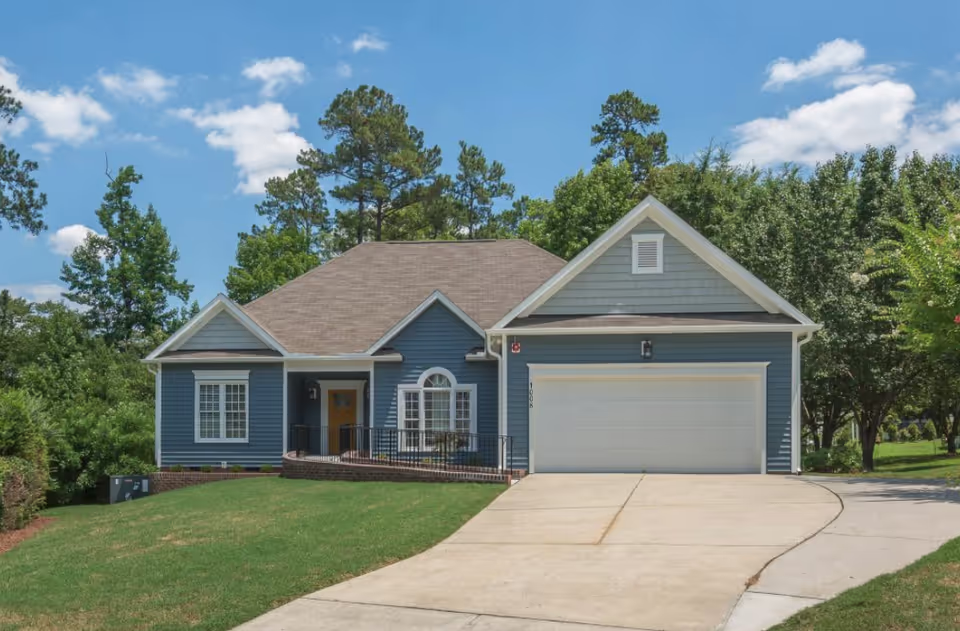
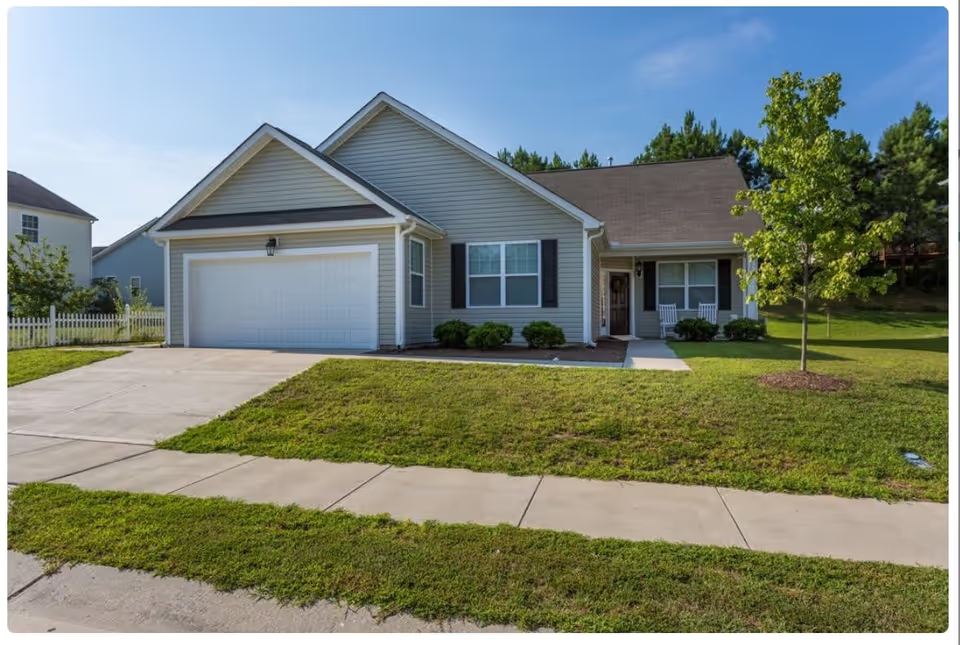
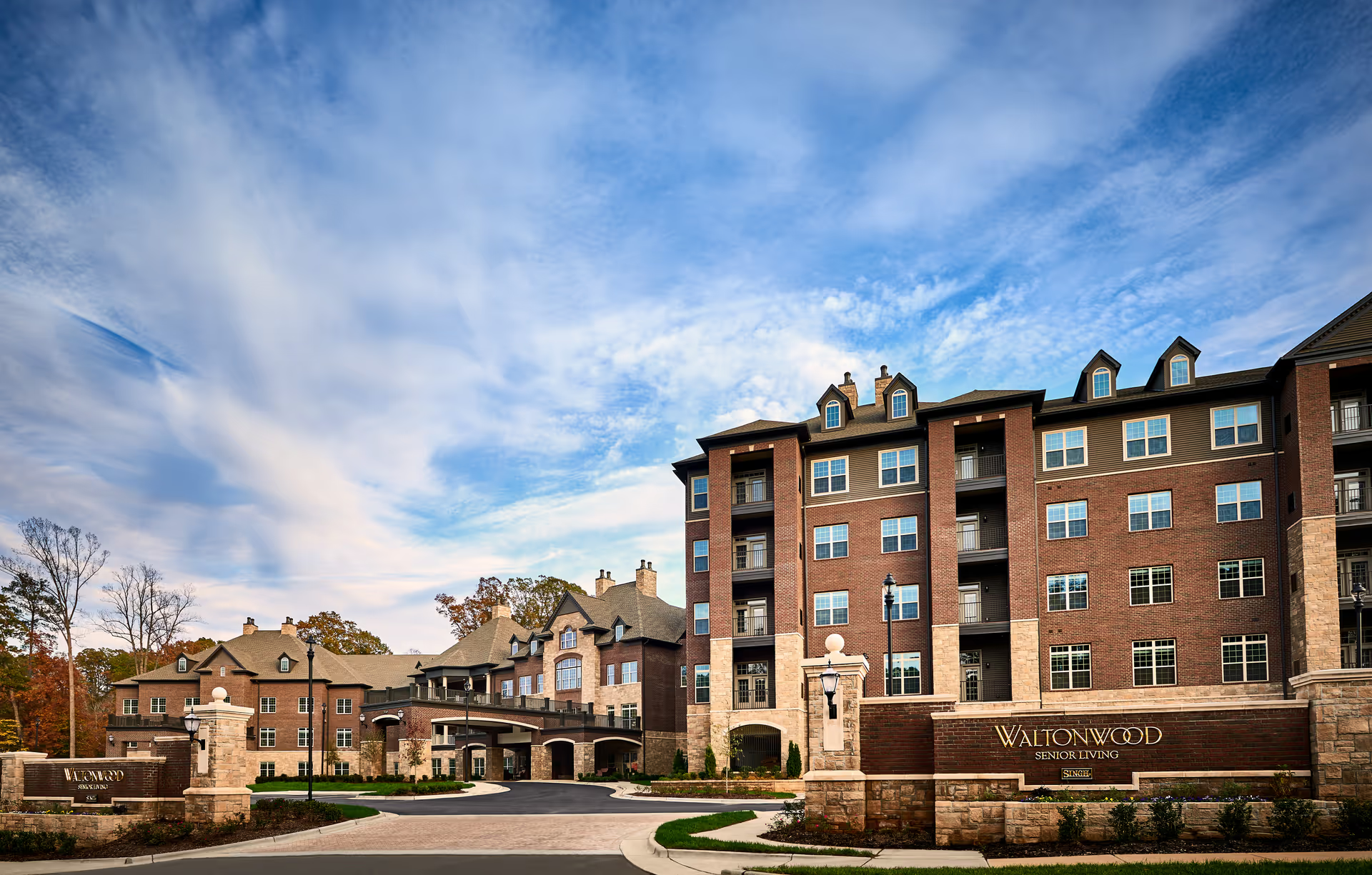
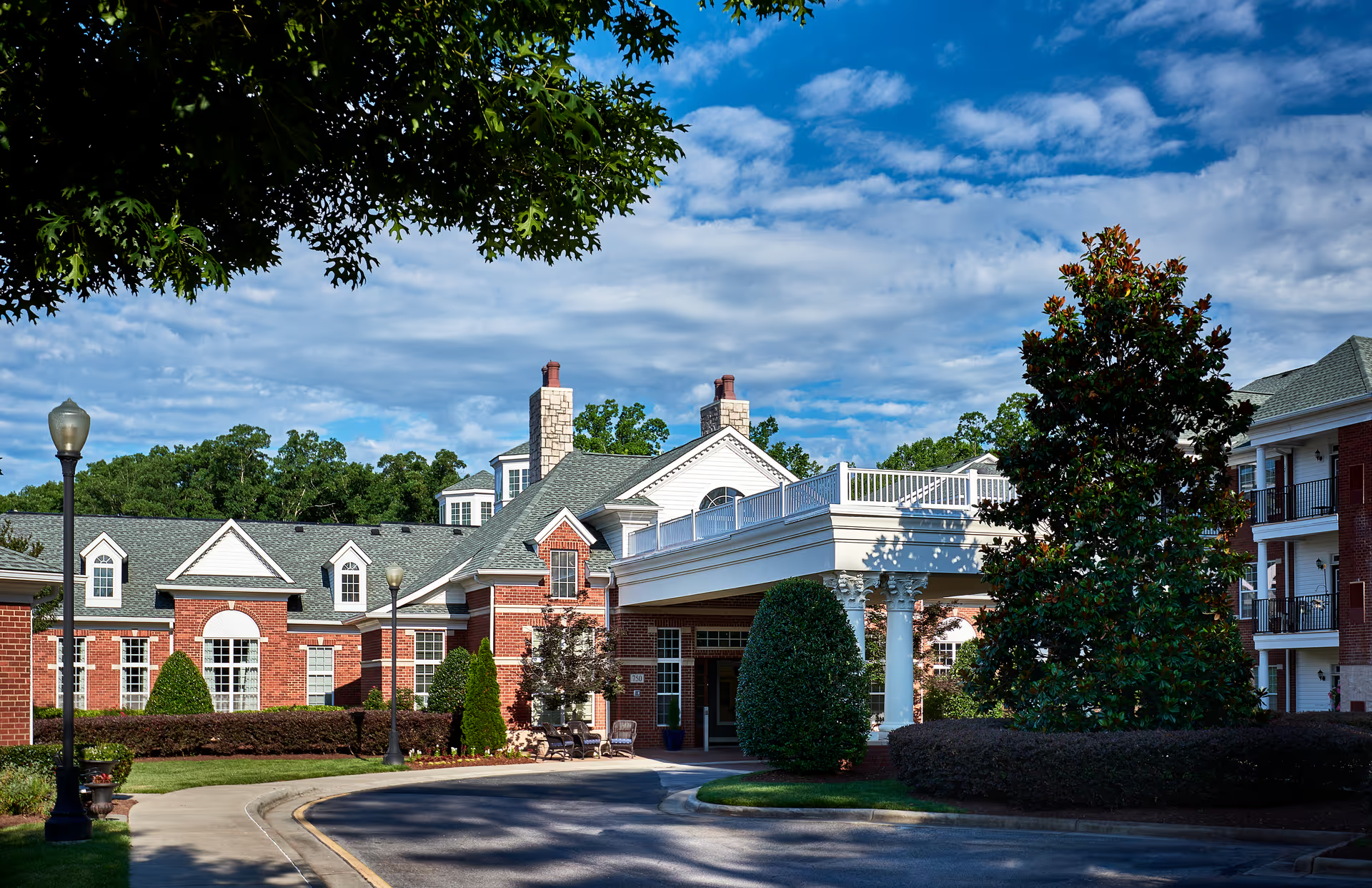
Facilities and safety: Physical plant descriptions vary by location. Newer communities are described as attractive, clean, and well-kept, while older buildings show cosmetic wear—worn carpeting, dated exteriors, and older communal bathroom layouts. Several reviewers express safety-related operational concerns: the absence of in-room and bathroom call systems and questions about safeguarding personal belongings. There are also allegations of missing items and inadequate property controls; prospective families should assess security measures and resident-call systems directly.
Management and notable patterns: Management impressions are mixed. Some locations are cited as making positive changes under new ownership, while other accounts raise concerns about inconsistent administrative communication, policy enforcement, and isolated instances of troubling conduct. The pattern suggests variability by site and shift rather than a uniform corporate profile.
Practical recommendations for families visiting: confirm staffing ratios and weekend coverage, verify presence and functionality of call systems in rooms and bathrooms, review property-security procedures, request a current activities calendar and turnover history for the activity director position, sample menus and options for special-diet accommodations, and inspect high-traffic common areas for maintenance needs. Overall, the facility network offers several strengths—affordability, coordinated on-site therapy, and a social atmosphere—but families should evaluate individual locations against the operational concerns summarized above before making a placement decision.