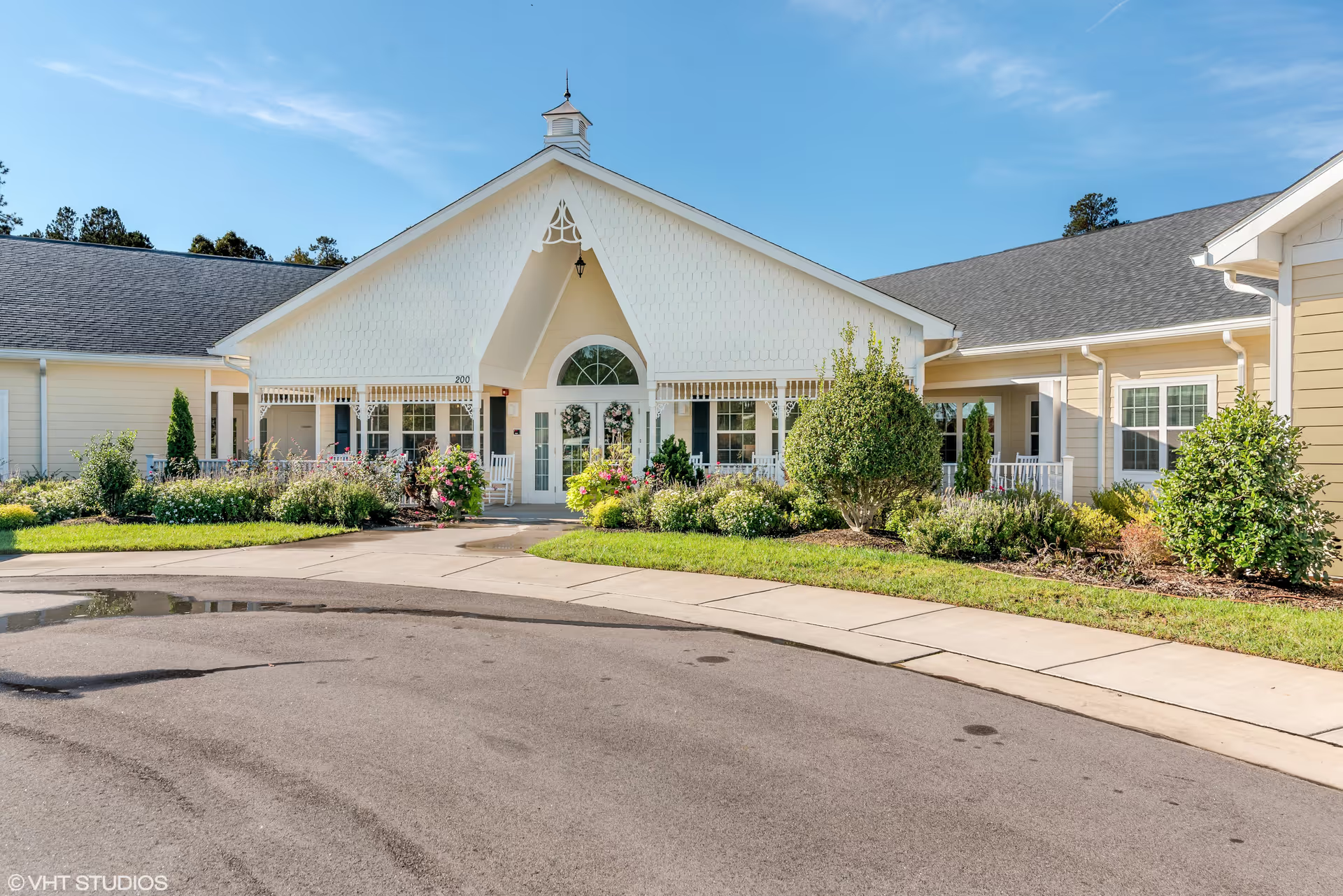
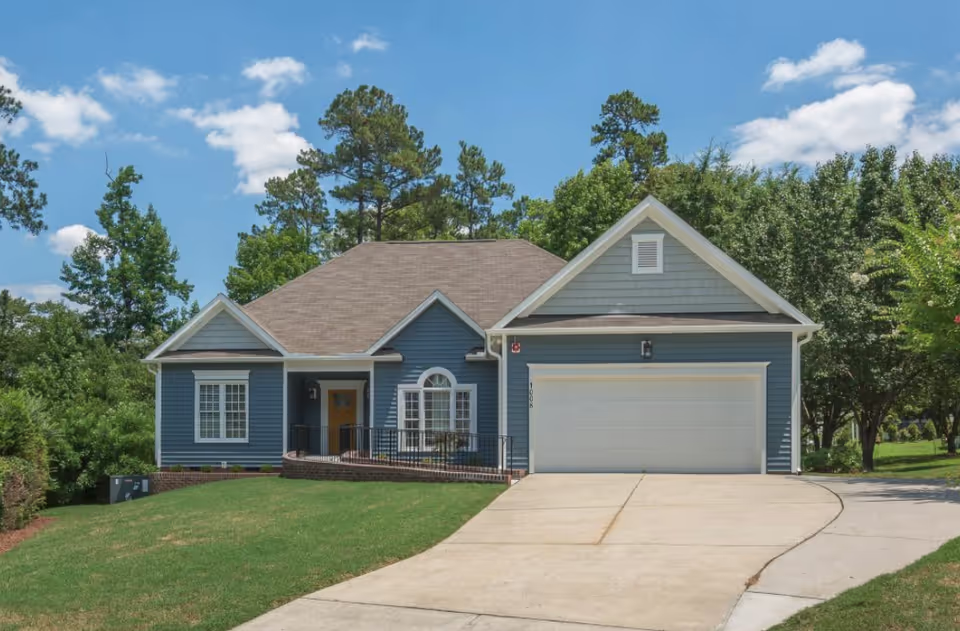
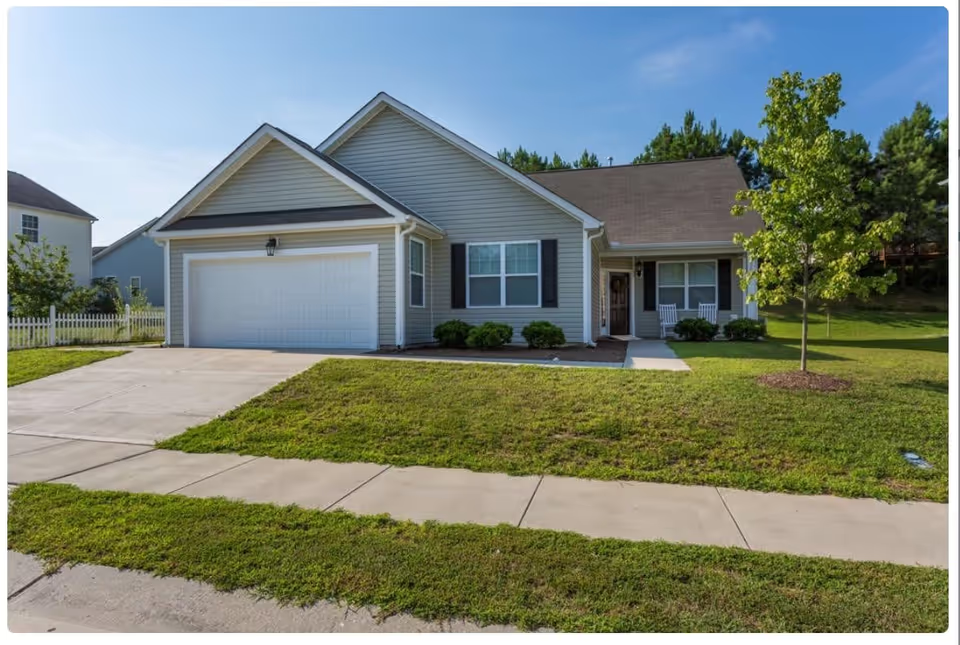
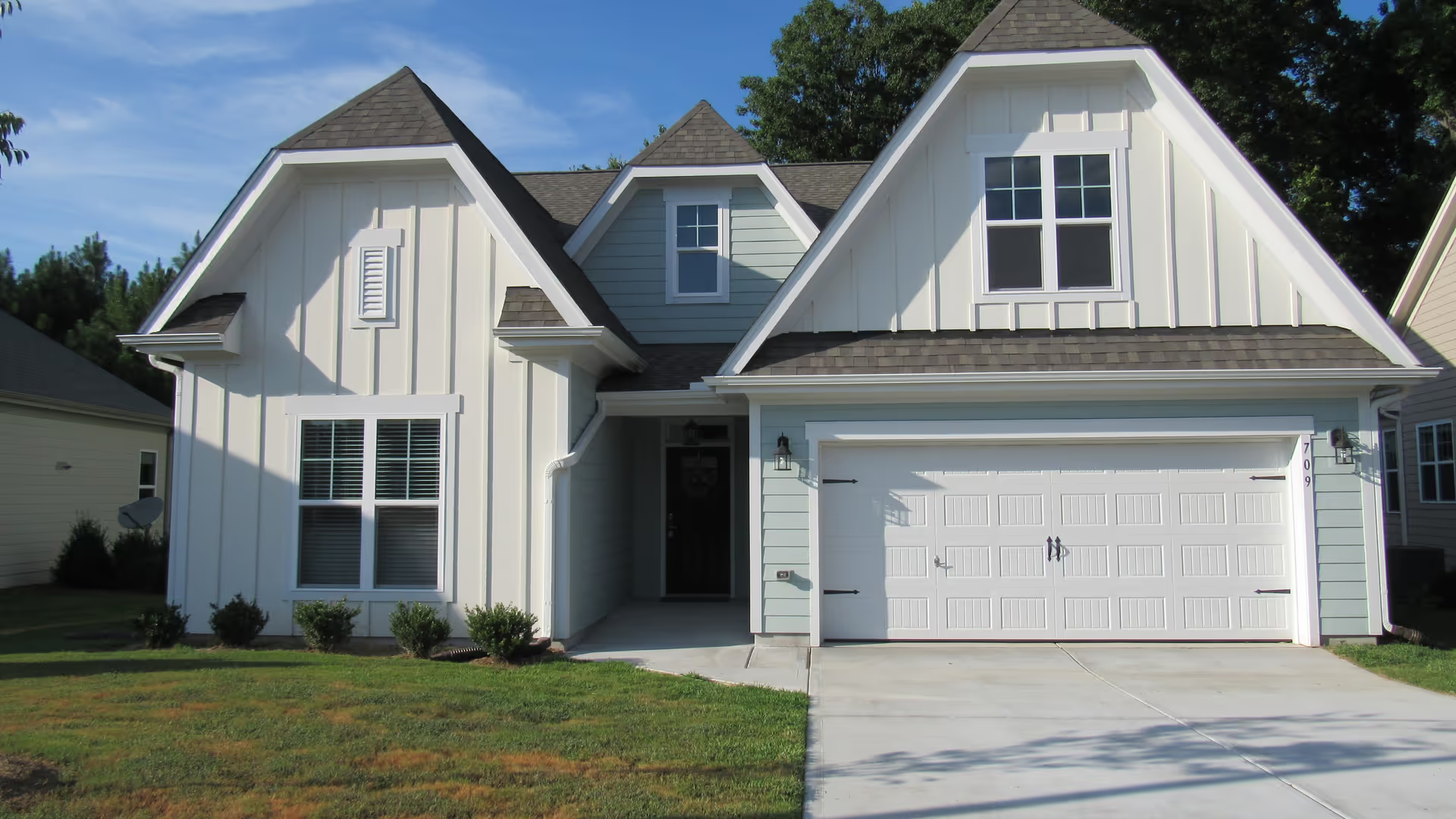
Miss Bell’s Assisted Living of Garner is described primarily as a small, residential-style community with a number of positive attributes: reviewers frequently highlight warm, attentive caregivers, individualized attention, a home-like atmosphere, and generally good coordination between nursing and support staff. Many families commented positively on cleanliness and a pleasant environment, a varied meal program, accessible features for mobility needs, and an active schedule of activities and hobbies that residents participate in. Several accounts emphasize responsive communication from management and longstanding resident satisfaction as strengths.
At the same time, the reviews reveal a set of operational concerns that prospective families should evaluate. There are comments indicating inconsistent clinical oversight outside normal hours and specific worries about medication-management practices; these items suggest families should confirm how medications are administered, documented, and reviewed. Relatedly, some reviewers cited insufficient assistance at mealtimes and issues with transfer or fall safety. There is at least one allegation of a serious resident injury in a transition context; while that is an individual claim, it underscores the importance of reviewing the facility’s fall-prevention protocols, staff training, and incident-response procedures.
Other recurring themes address staff conduct and operational management. While many families praise staff professionalism and compassionate interactions, others described episodes of unprofessional behavior and boundary lapses. There are also mentions of inventory and supply management gaps (for example, outdated or poorly stored supplies) and concerns about personal belongings and property controls. A number of reviewers perceived a change in care consistency after an ownership or management transition, which suggests variability in service depending on current staffing and leadership stability.
Dining and activities are generally cited as strengths: many residents enjoy the meals and participate in community programming. There are exceptions where individuals with specialized feeding needs (for example, tube feeding) experience different meal-related benefits. The facility’s smaller size and residential model are attractive to those seeking individualized attention and a homelike environment, though some families noted limited activity offerings in particular circumstances.
In sum, Miss Bell’s appears to offer a supportive, small-community environment with caring staff and engaging programming for many residents. However, prospective residents and families should perform targeted due diligence around overnight clinical coverage, medication protocols, mealtime assistance, fall-prevention and transfer safety, staff training and professionalism, inventory controls, and safeguards for personal property. During a visit, ask to see staffing schedules, medication-administration records, fall-prevention policies, recent incident logs, and references from current families to get a clear sense of both the strengths and the operational risks highlighted in these reviews.