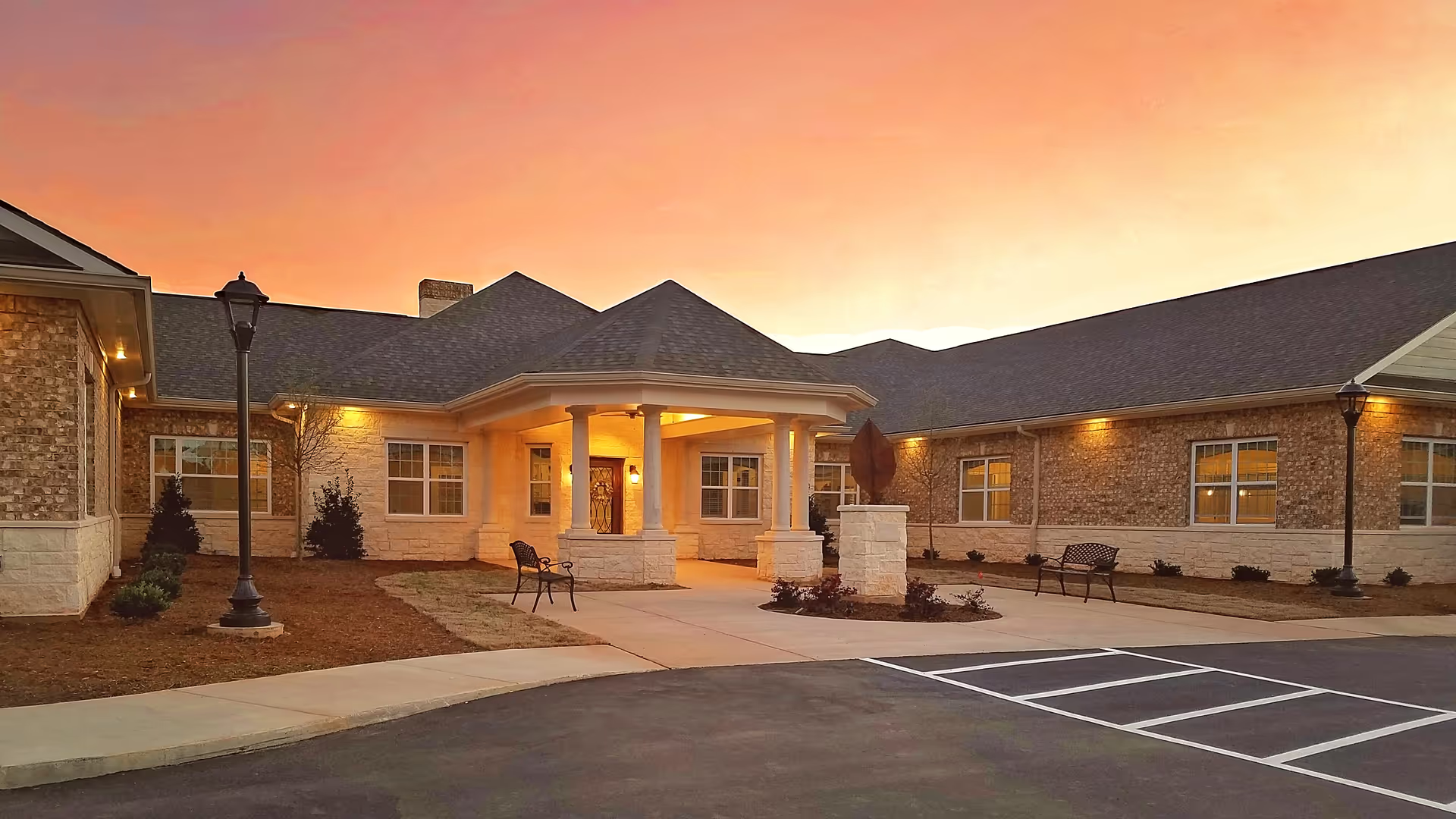
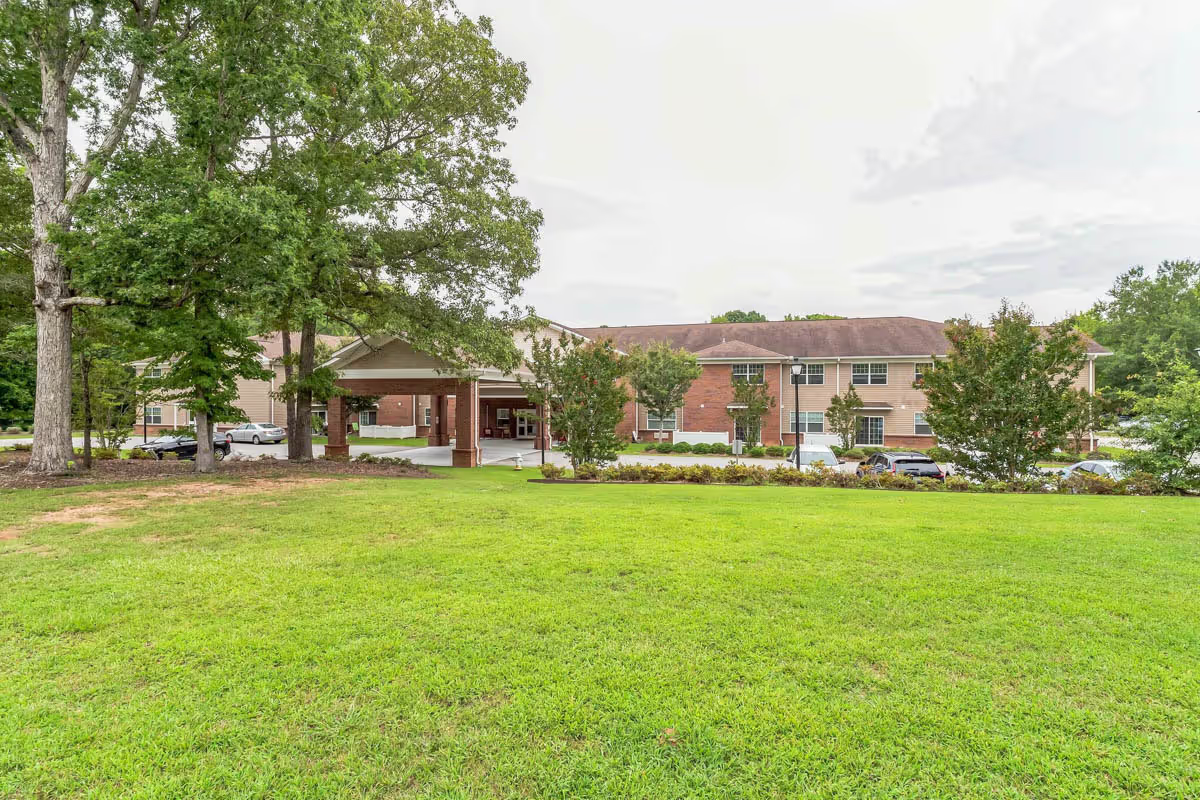
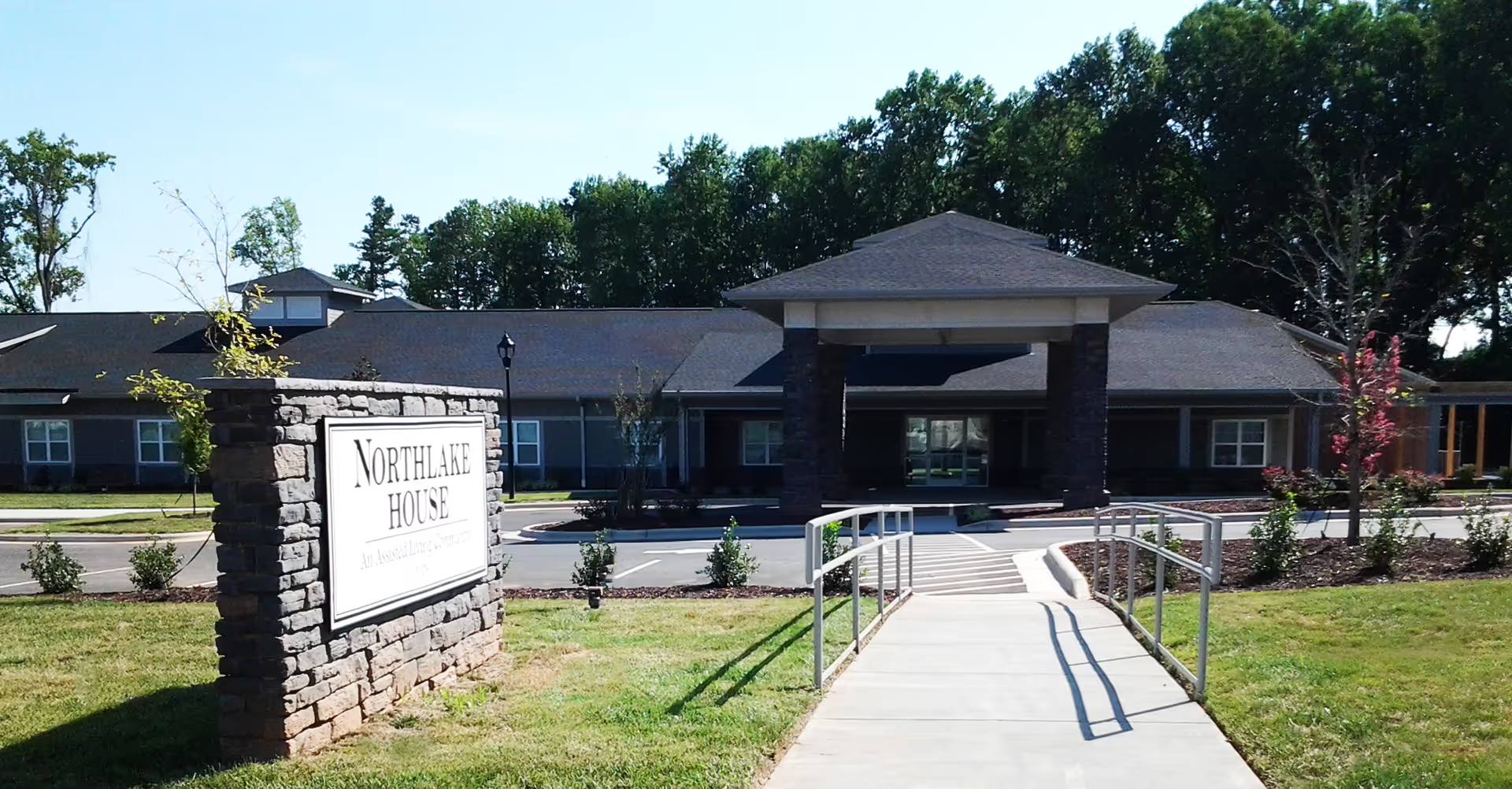
The reviews present a polarized picture of Wellington House. Many families and visitors describe a warm, engaging environment with staff who are kind, present, and attentive; reviewers specifically praised individualized attention, an active activities program, and a clean, well-managed interior. Dining receives generally favorable comments — residents are often said to enjoy the food and the dining area is noted as attractive. Several accounts also singled out supportive and responsive administrators and department heads, naming an administrator positively, and noted improvements under new management.
At the same time, a set of operational concerns recurs across the summaries. Staffing levels and responsiveness are prominent issues: reviewers described delays in attending to residents, periods of understaffing that required family involvement, and uneven performance among staff. Communication problems were also raised, particularly poor telephone responsiveness and broader family-communication gaps. Financial- and medication-related issues are serious themes — there are complaints about withholding of resident funds, delayed refunds, and allegations involving medication handling and missing pills. These claims led some families to escalate complaints to corporate channels and to involve payer authorities, and in a few cases families sought transfers to other facilities.
Infection-control and pest-control concerns appear in multiple accounts; reviewers described events that prompted on-site treatment and follow-up, contributing to anxiety about sanitation and health safety. End-of-life care quality was another area of noted variability: while some families reported compassionate clinical care, others described experiences that they found unsatisfactory. Cost was mentioned as a downside by at least one reviewer.
Taken together, the pattern is of a facility that provides strong social programming, clean common spaces, and many caring staff members, yet also exhibits operational weaknesses that affect reliability and trust for some families. Prospective residents and families may experience positive day-to-day care and engagement, but they should also actively evaluate the facility's practices for staffing levels, medication controls, financial-account safeguards, pest-control documentation, and complaint-resolution procedures. Reviewing recent inspection records, asking for written policies and incident logs, and meeting clinical and administrative leadership during a tour can help clarify whether the facility's strengths align with a prospective resident's priorities.