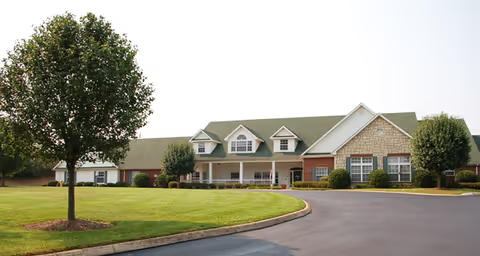
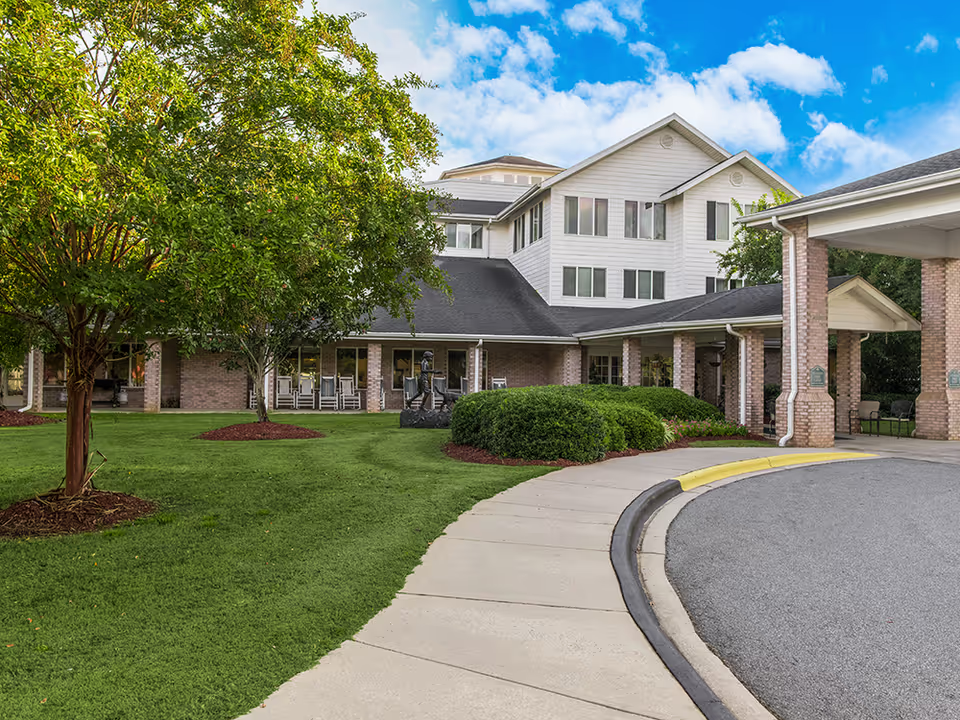
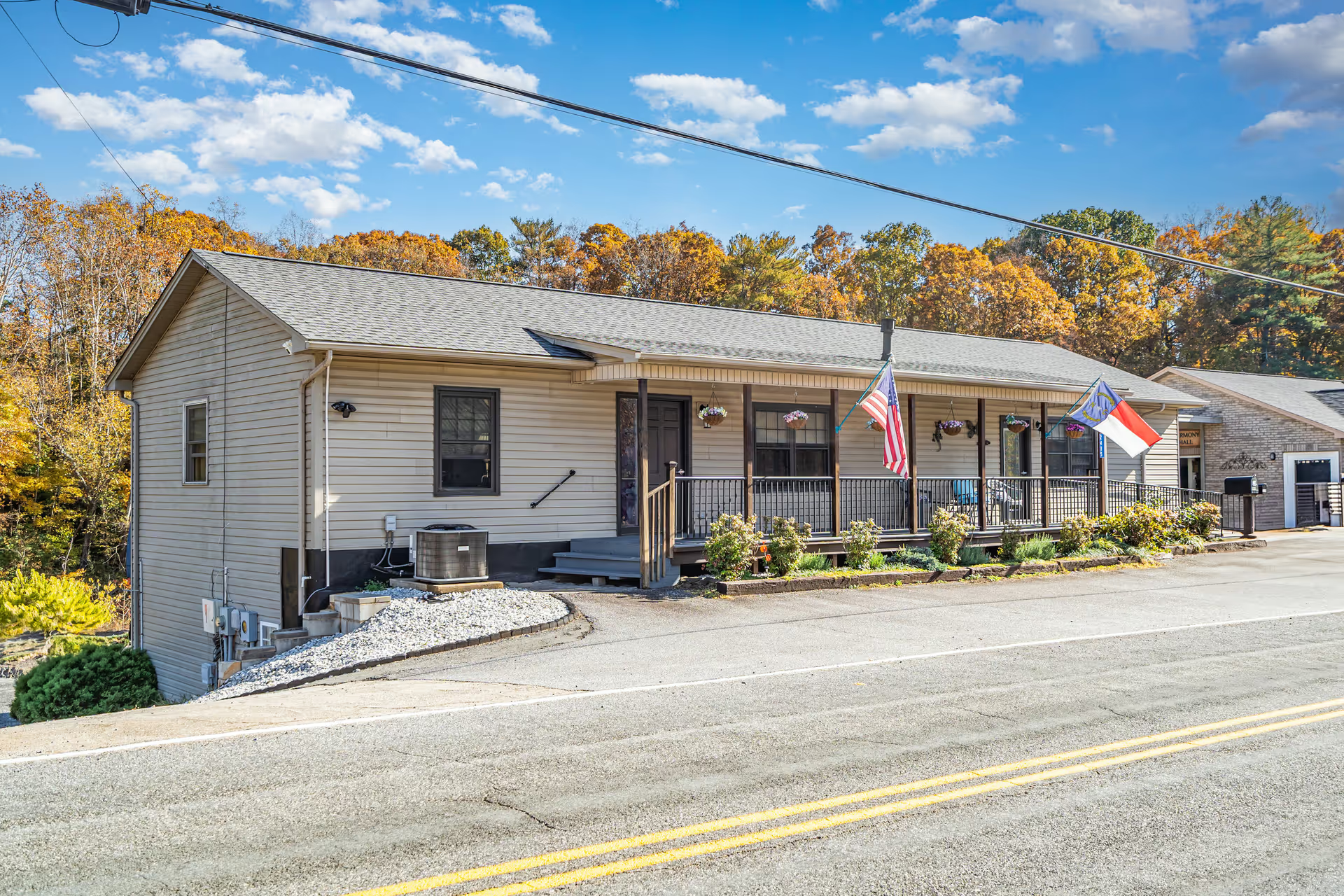
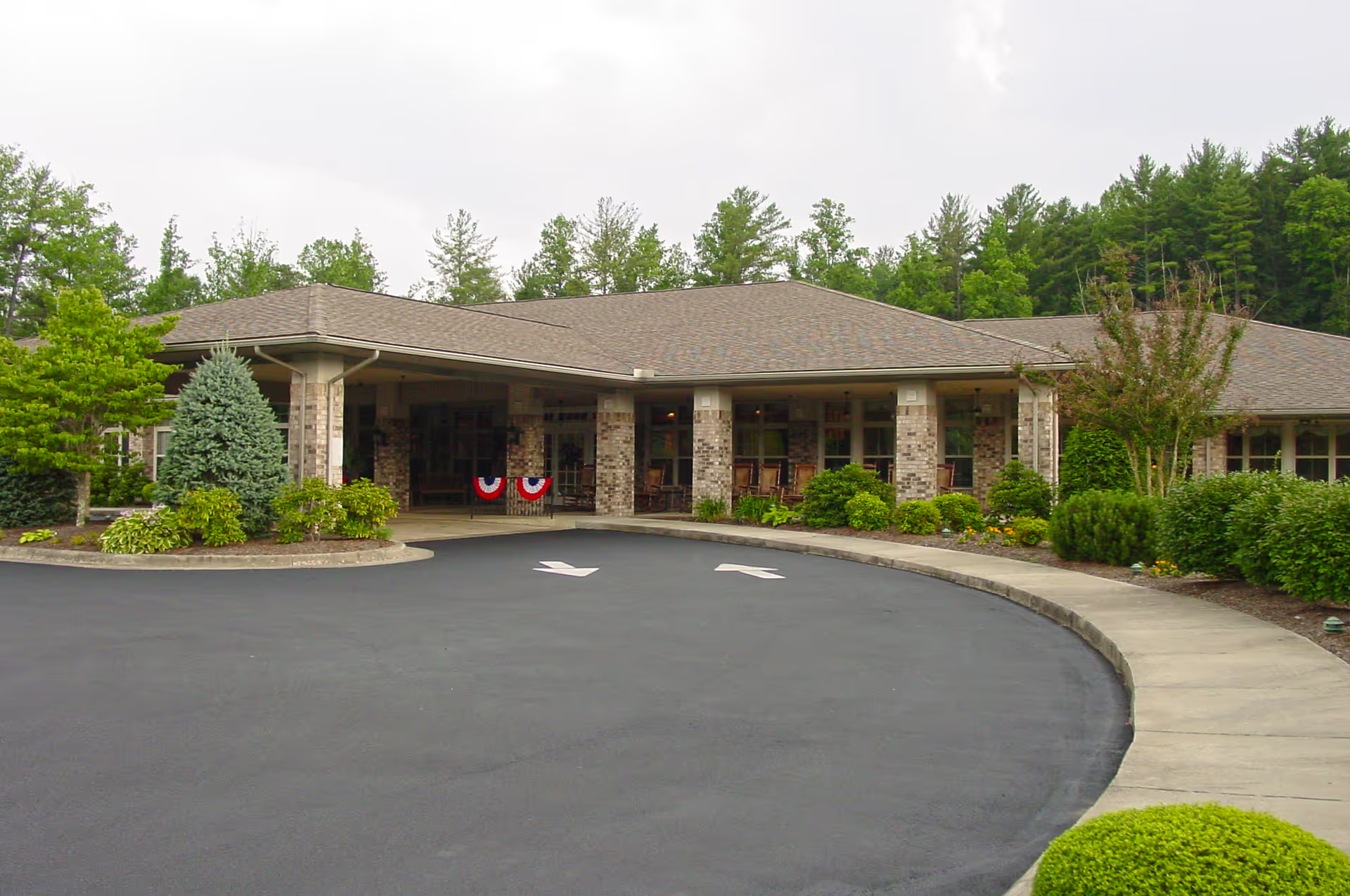
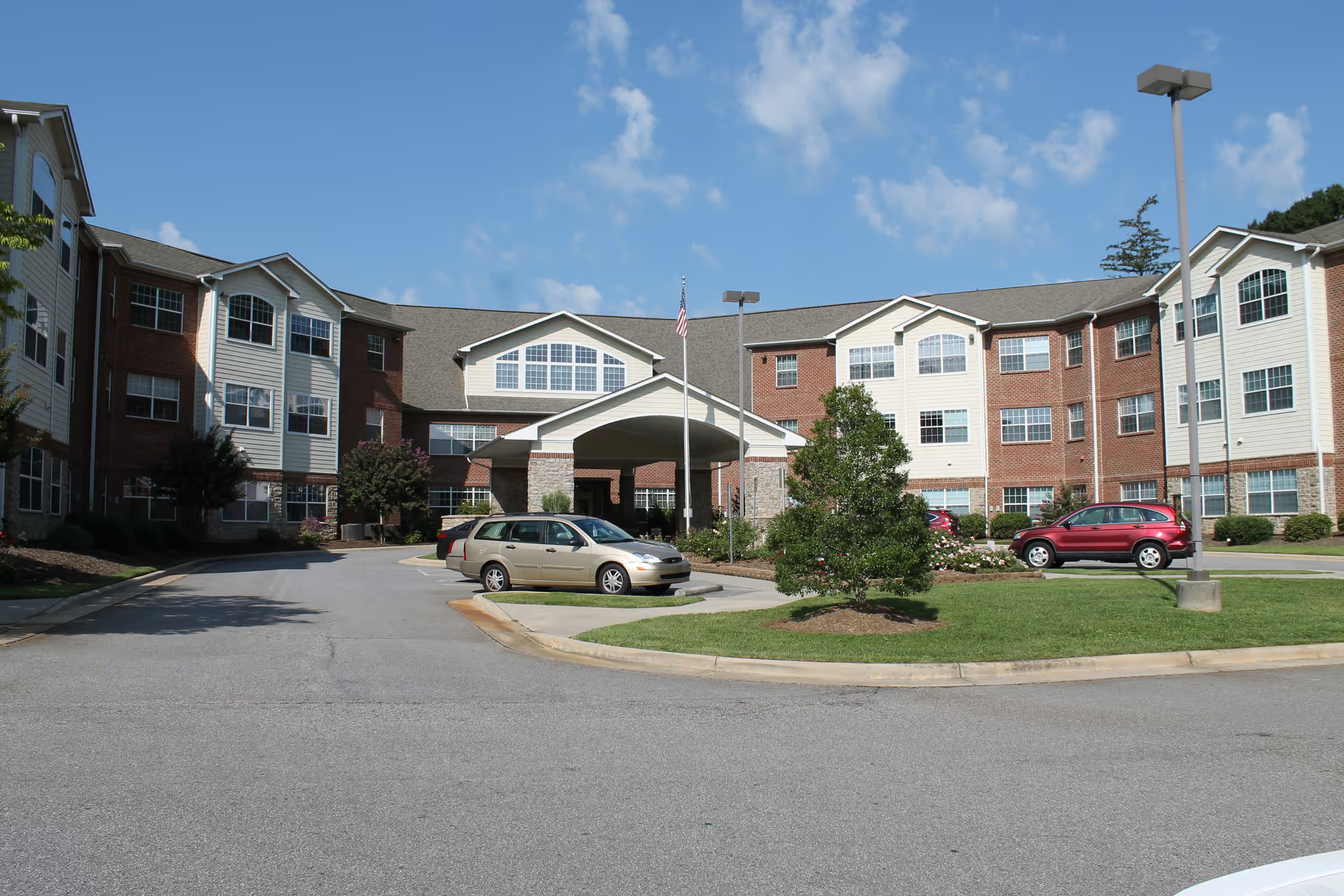
Grace Village presents a mixed but distinct profile: a physically attractive, well-maintained assisted living and memory-care campus with strong communal spaces and an active program of events, paired with operational inconsistencies that have affected some families’ experiences. Many reviewers praise the facility’s appearance—bright common areas, clean dining rooms, and multiple room options—and highlight an engaged activity director and dementia-friendly programming attached to the main assisted-living unit. The facility’s location, visible owner involvement, and a high kitchen/cafeteria sanitation score were also noted as positives that support day-to-day living.
Care and staffing are described in both positive and negative terms. Numerous families commended caregivers as compassionate, attentive, and welcoming; these accounts point to staff members who provide meaningful social engagement and dependable day-to-day assistance for many residents. At the same time, a recurrent pattern in other reviews indicates staffing instability and uneven performance across shifts: some staff and nurses are characterized as highly capable while others are perceived as less engaged. These descriptions suggest variability in training, coverage, or supervisory follow-through rather than a uniform standard of care.
Clinical operations and safety emerge as an area of particular concern for some reviewers. Several accounts raise questions about medication administration practices and about escalation of clinical incidents; there is at least one serious allegation regarding a medication-related event that families should treat as a point for direct inquiry. More generally, reviewers cite gaps in emergency response and notification, and variability in how clinical issues are managed and communicated to families. Prospective families should request facility policies on medication management, incident reporting, and emergency escalation, and ask how those policies are audited.
Dining and personal care receive mixed assessments. Some families found meals satisfactory and appreciated the dining spaces, but others described inconsistent meal quality, limited menu options, and occasions where meal service did not meet expectations. Personal-care delivery—bathing schedules, provision of clean clothing, and incontinence-related care—was another area where experiences diverged, with some families reporting reliable assistance and others noting delays or missed services. These patterns point to operational reliability issues in daily care and meal-service workflows rather than consistent systemic failures.
Activities and social programming are commonly cited strengths. The activity program, including crafts, games, and themed events such as movie days, is repeatedly described as engaging and dementia-aware. This appears to be a stable positive: residents are often observed as content and engaged during visits, and families highlight the value of the activity team.
Management and communication present a mixed picture. Several reviewers praise new leadership and note improvements under a recently appointed administrator, while others describe periods of limited administrative availability and weak staff–administration coordination. A recurring operational concern is inconsistent communication with families—delays, contradictory updates, or limited transparency—making it important for prospective families to establish preferred communication channels and escalation points up front.
Overall pattern and recommendations: reviews are polarized—many families report excellent care, cleanliness, and programming, while a subset describe significant operational lapses affecting meals, personal care, medication handling, and communication. Prospective residents and families should weigh the facility’s strong physical environment and activity program against the documented variability in operational consistency. Recommended due-diligence steps include: touring during mealtimes and activity periods, asking for staffing ratios and turnover metrics, reviewing medication and incident-response protocols, requesting housekeeping and laundry schedules, and asking how the facility documents and communicates adverse events to families. These targeted inquiries can help determine whether the current operational practices align with a family’s expectations for reliability and clinical oversight.