Overall impression: Reviews present a polarized picture. Several families and residents praise the facility’s rehabilitation services, individual caregivers, and social environment, while other accounts describe persistent operational and environmental shortcomings. Prospective residents should weigh the facility’s strengths in therapy and interpersonal care against reported systemic issues related to staffing, communication, and facility maintenance.
Care quality and clinical continuity: The facility is frequently credited for recovery-focused therapy and several named clinicians who are described as professional and nurturing. These positives suggest effective therapy programming for short-term rehab stays. However, there are recurring concerns about inconsistent execution of day-to-day clinical tasks and care plans, including delays in responding to resident needs and instances of unattended residents. These patterns indicate gaps in staffing levels, task prioritization, and care-plan follow-through that may affect continuity of care for higher-dependency residents.
Staff and leadership: Individual staff members receive strong praise for compassion, bedside manner, and professionalism; transportation and activity staff are also singled out as strengths. At the same time, reviewers identify high staff turnover, understaffing, and requests for improved staff compensation as contributors to instability. Leadership and management responsiveness is another recurring theme: some reviewers describe helpful, welcoming admission experiences, while others report poor communication from administrators, unanswered family inquiries, and limited managerial follow-through. These mixed reports point to variability in leadership practices and internal communication systems.
Dining and services: Multiple accounts describe inconsistent meal quality and service timing, including late or cold meals and occasional poorly prepared items. While some reviewers express satisfaction with service staff, the overall pattern suggests unreliable dining operations that would benefit from improved kitchen processes and quality-control measures.
Activities and social environment: The facility receives positive comments for its welcoming, family-oriented atmosphere and an activities program described as energetic and engaging under new leadership. This is one of the facility’s clearer strengths, contributing to resident morale and social engagement.
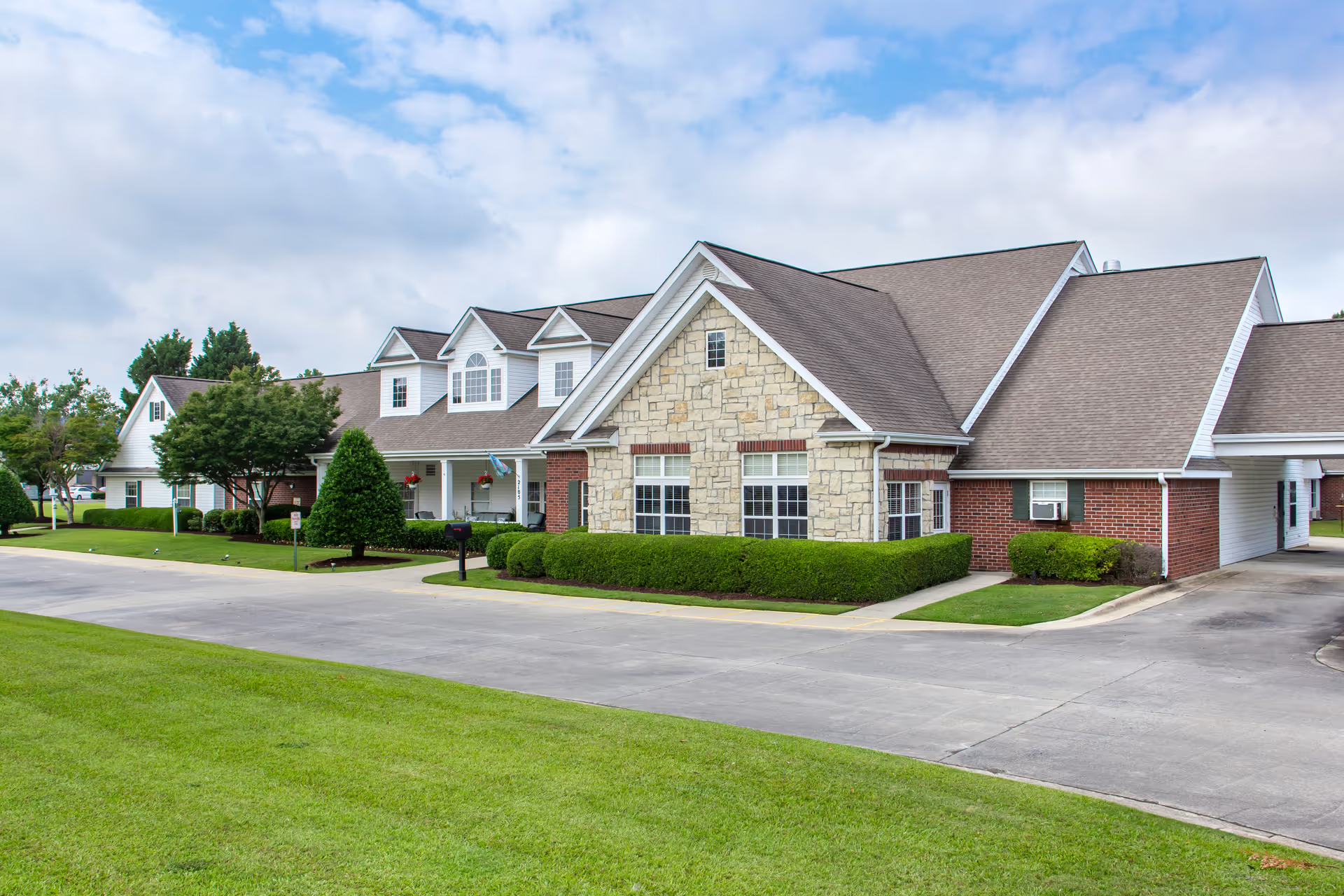
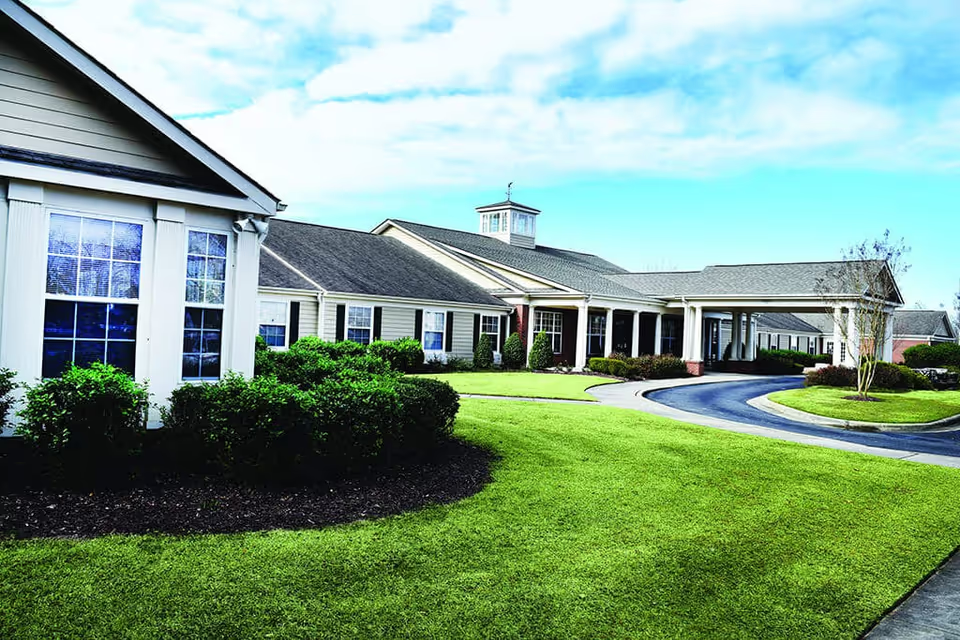
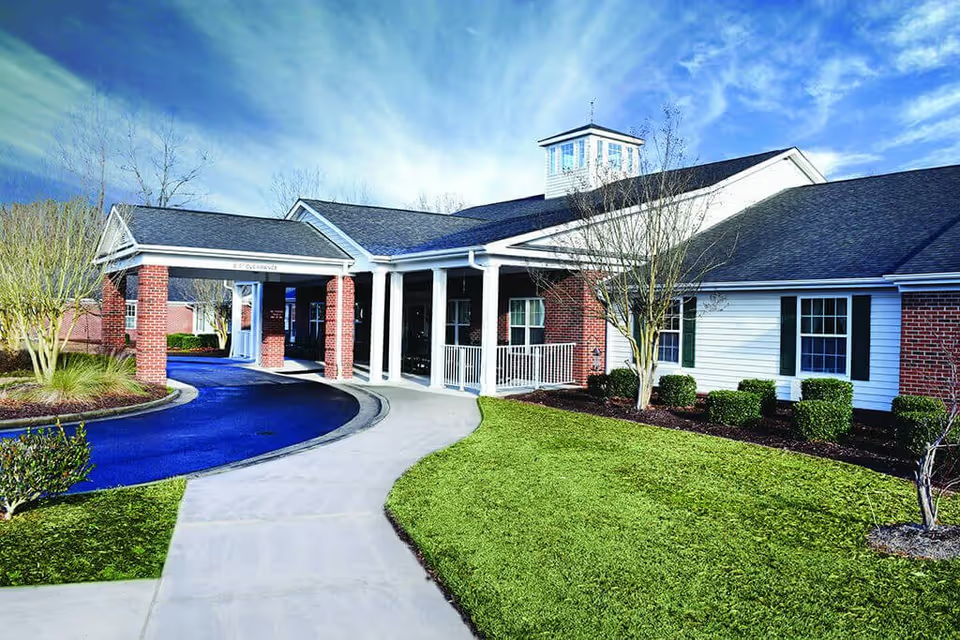
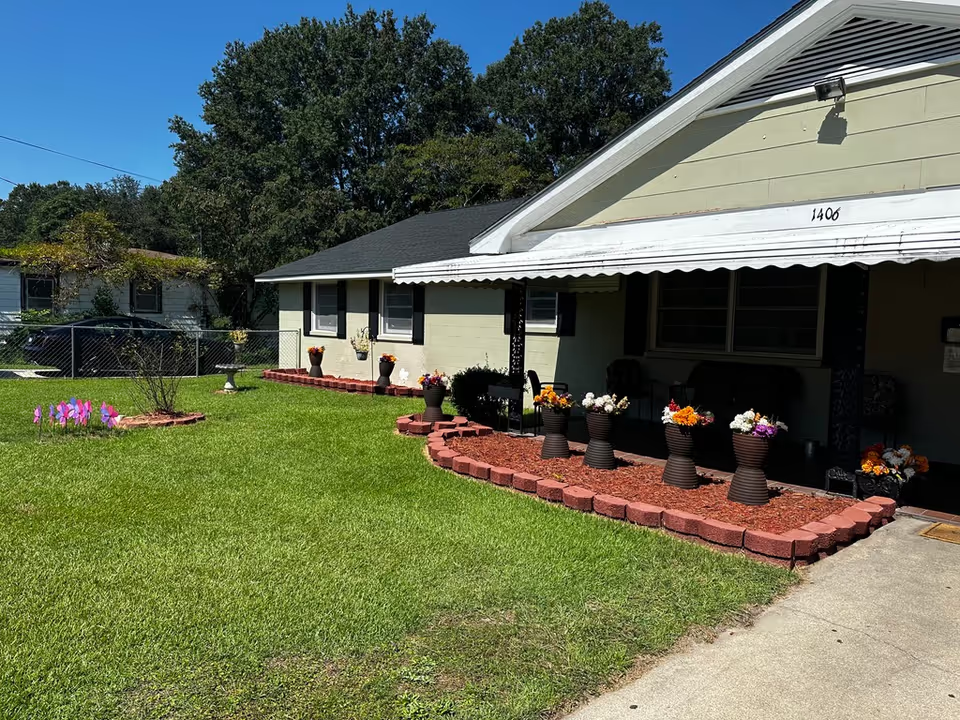
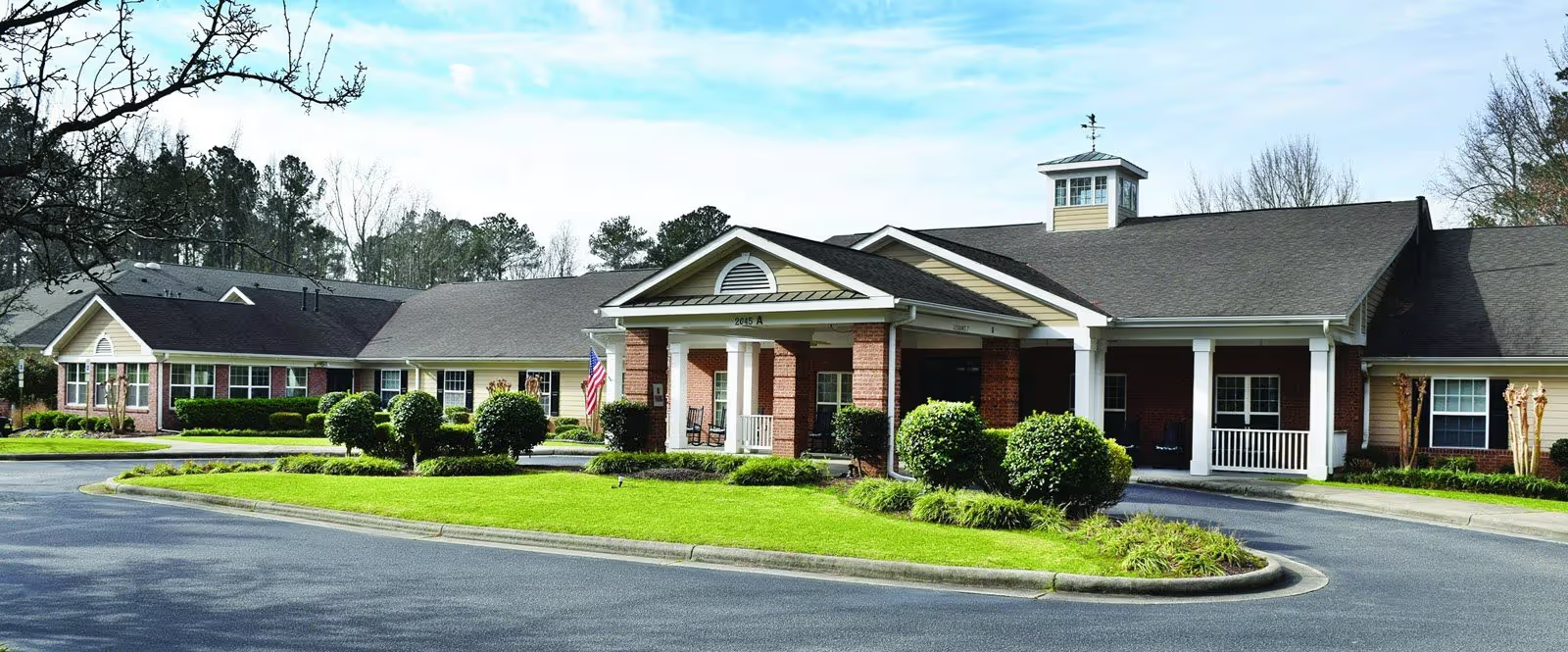
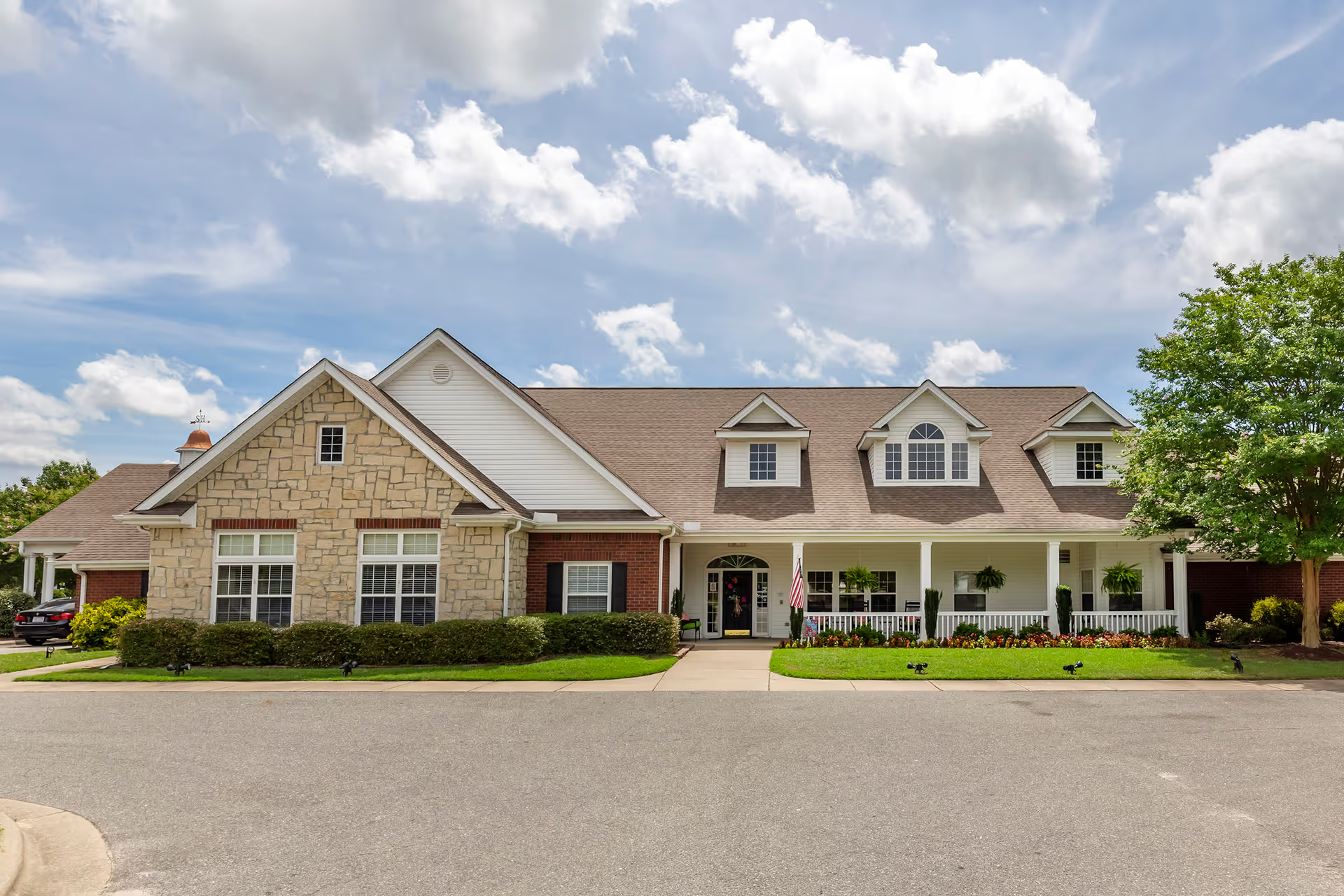
Facilities, maintenance, and sanitation: The building and common areas are often described as attractive and inviting, yet reviewers also cite deferred maintenance needs — bathrooms, plumbing, appliances, and linens were specifically mentioned — plus odor concerns and pest-control issues in some areas. Accessibility concerns such as parking placement were noted as well. These mixed observations suggest that while cosmetic presentation may be good in parts of the facility, underlying infrastructure and environmental services require attention.
Notable patterns and recommendation guidance: The dominant patterns are (1) strong, personable frontline staff and therapy services; (2) systemic operational weaknesses related to staffing levels, management communication, and facility maintenance; and (3) variability in daily-care consistency. Families considering this facility should prioritize an in-person assessment focused on staffing ratios, care-plan execution, infection-control/pest-control measures, dining processes, and leadership responsiveness. Asking for recent staffing metrics, current survey history, sample menus and meal service times, and a walk-through of resident rooms and bathrooms can help clarify whether the facility’s strengths align with an individual resident’s clinical and psychosocial needs.