Overview: The reviews present a highly polarized picture of the facility. Several families and commenters describe strong, person-centered nursing care, a caring staff, and a family-owned, accessible management style. Others raise substantive operational concerns related to cleanliness, supervision, infection-control practices, staffing levels, and leadership. Prospective residents and families should expect a mixed set of experiences and evaluate the facility in person to determine whether it meets their priorities.
Care quality and clinical oversight: Praise centers on attentive nurses and caregivers who deliver individualized, compassionate care for many residents. At the same time, reviewers also described inconsistent clinical support and gaps in medical oversight; examples cited include delays in attending to residents and insufficient clinical responsiveness. These accounts suggest that while individual caregivers may provide high-quality care, systemic clinical supervision and consistency can vary.
Staffing, conduct, and responsiveness: Staff are frequently described as hardworking and affectionate toward residents, contributing to positive resident–staff relationships and a family-like atmosphere. However, recurring operational themes include chronic understaffing, limited supplies, and low morale or turnover, which appear to strain staff performance. Reviewers also noted inconsistent professionalism and responsiveness—examples include staff inattentiveness while on shift and concerns about the tone of communication from some supervisors. Together these patterns imply that staffing levels and workplace culture are important variables affecting daily care.
Infection control and sanitation: There is a clear divergence in comments about facility cleanliness. Some reviewers describe a clean, well-kept environment, while others report sanitation concerns, odor issues in common areas, and lapses in hygiene practices such as inconsistent glove use and poor hand hygiene. There are also specific mentions of deficiencies in linen/handling practices and incontinence-care processes. These contrasts indicate variability in housekeeping and infection-prevention adherence across time or areas of the building.
Safety and supervision: A significant safety-related theme is insufficient supervision in certain instances; reviewers described residents leaving the premises and delayed staff response when those events occurred. This points to gaps in elopement prevention, resident monitoring, and incident-response protocols rather than isolated interpersonal problems. Families of residents with higher supervision needs should seek detailed information on safety measures, monitoring, and incident follow-up procedures.
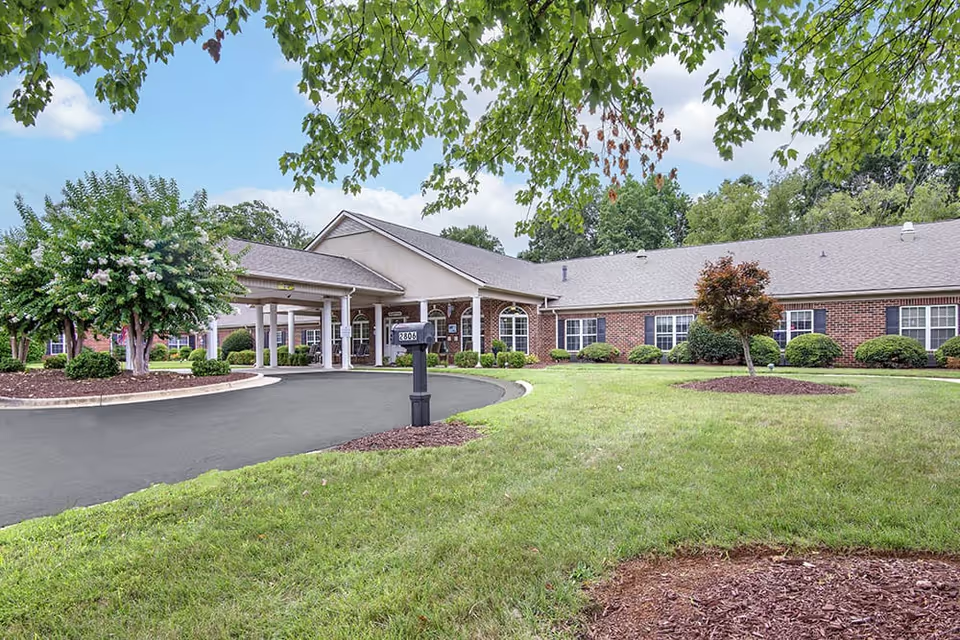
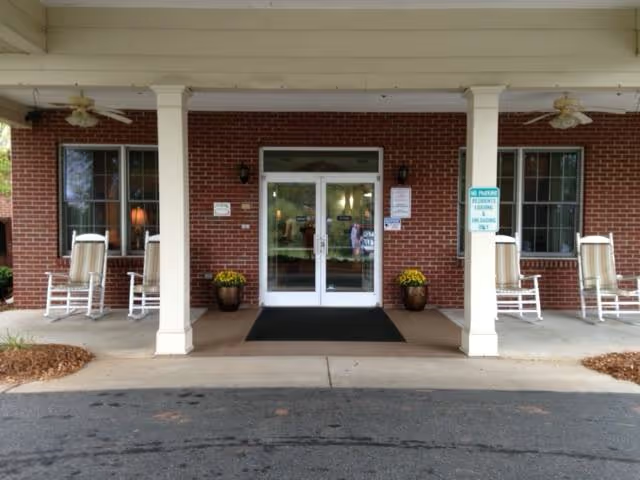
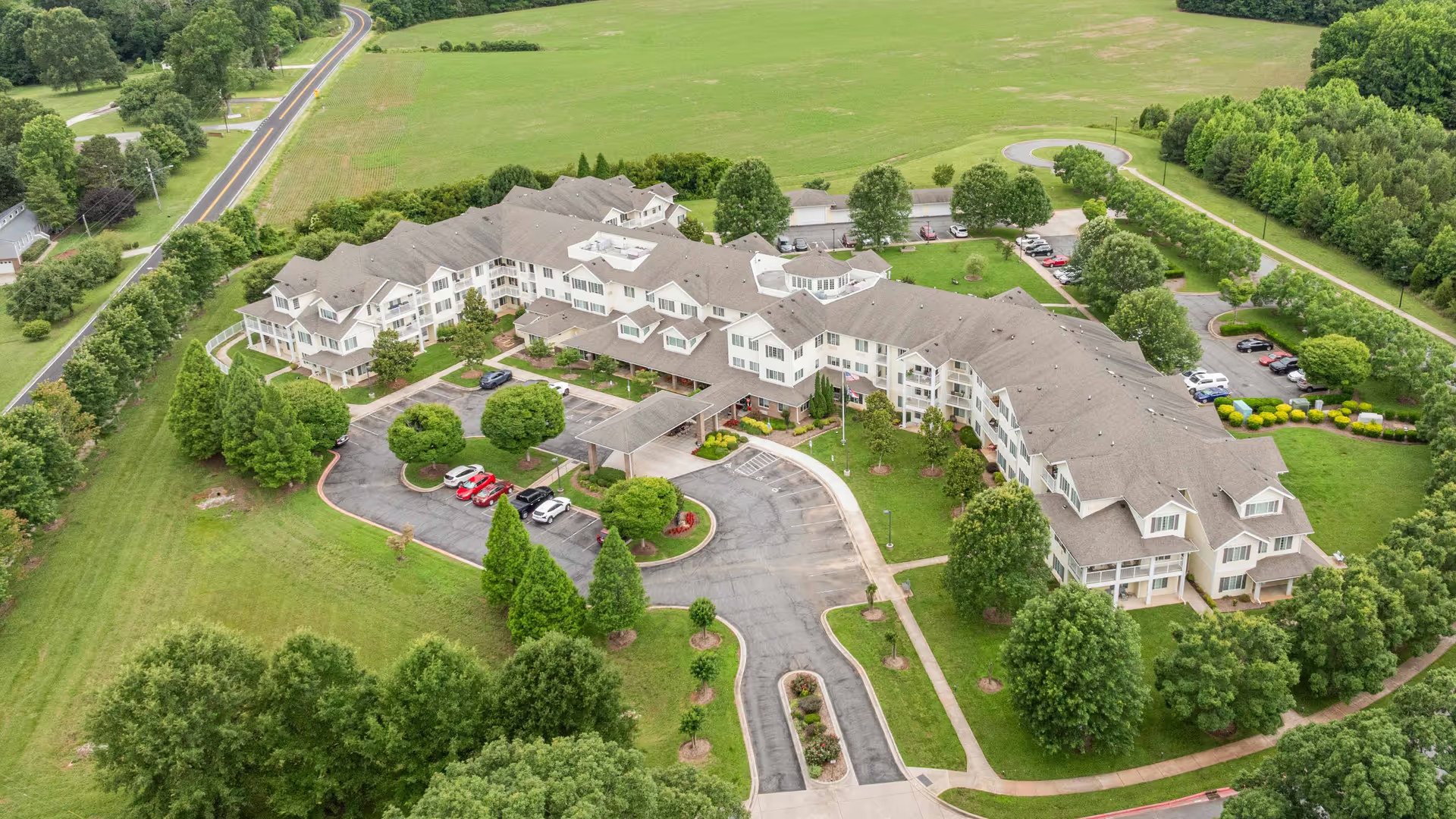
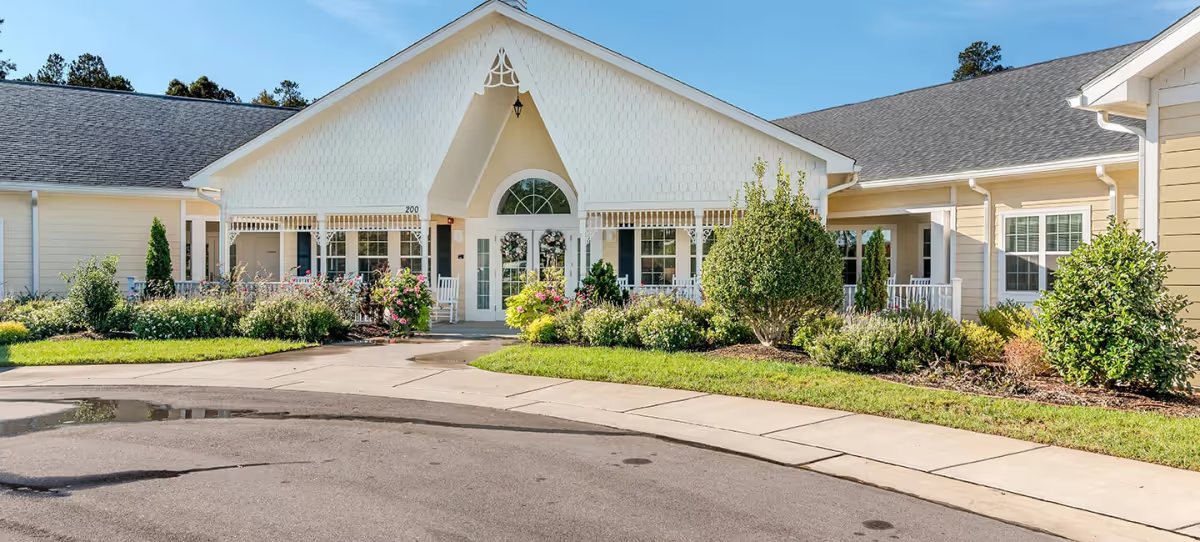
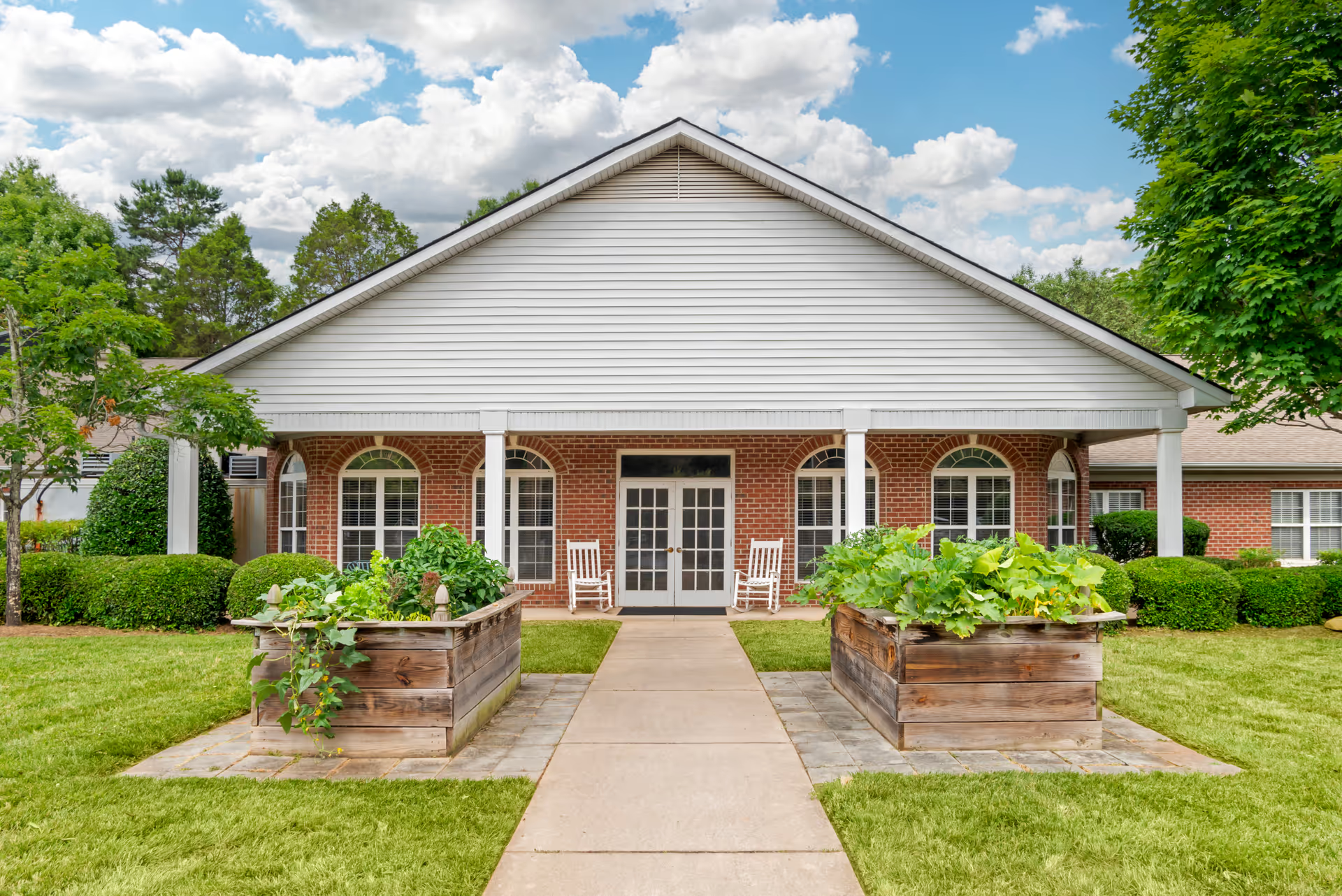
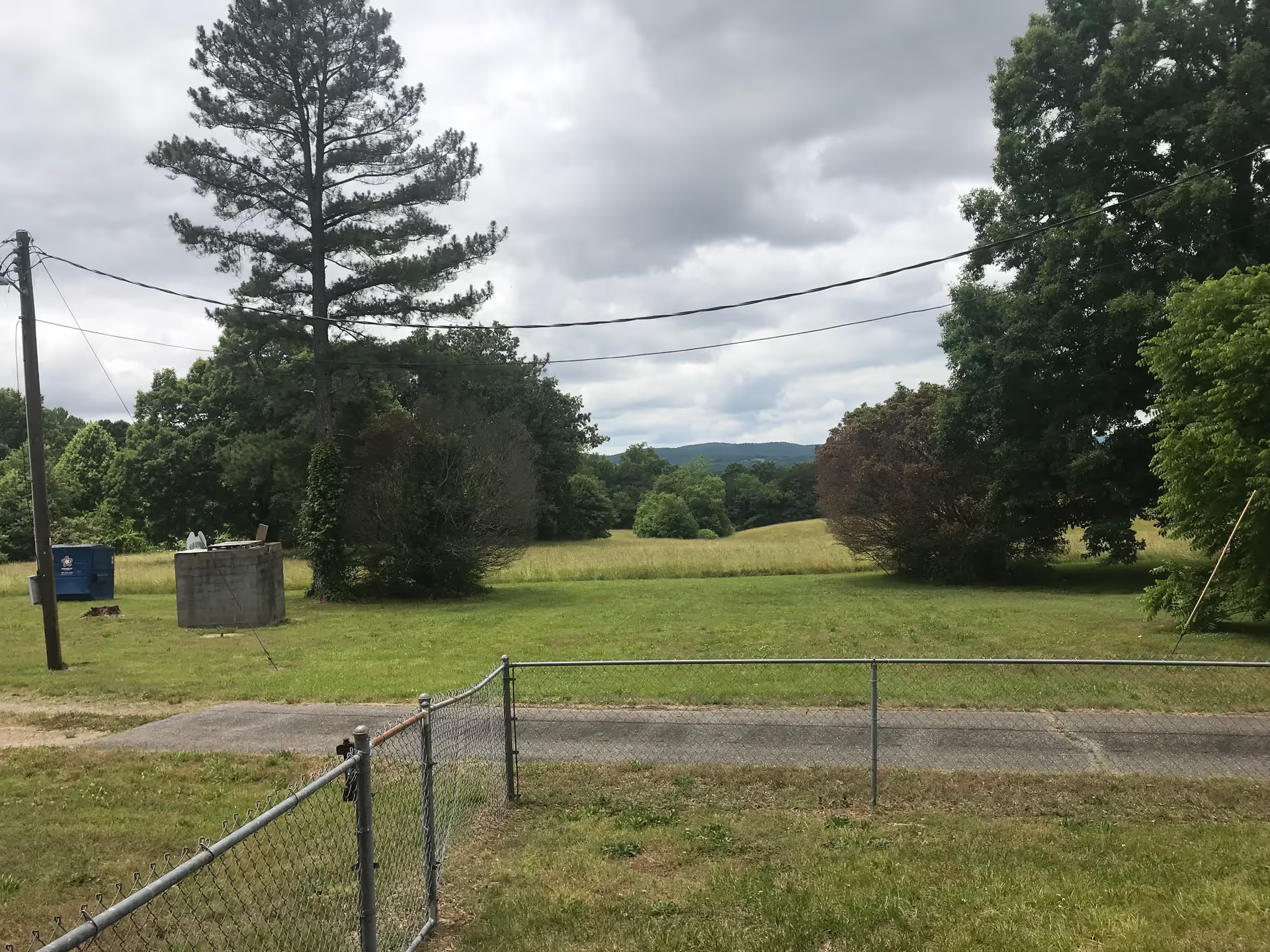
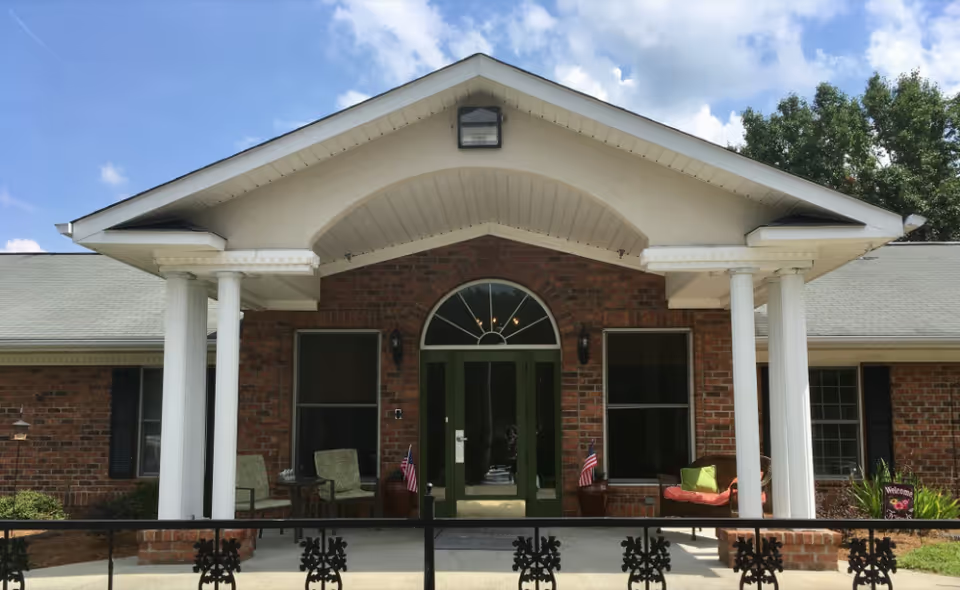
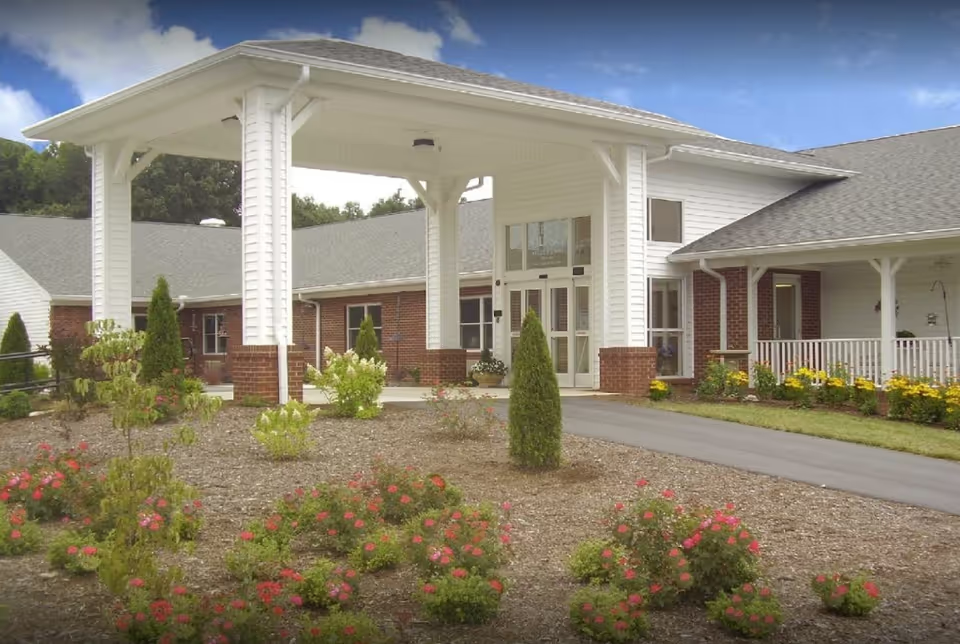
Facilities, dining, and activities: Facility condition comments are mixed: some call the building well maintained and clean, while others describe areas that are run-down or in need of maintenance. There is limited specific information about dining and activities in the reviews provided; when noted, the focus is more on the general atmosphere and staff engagement than on programmatic details. Prospective visitors should observe communal areas, meal service, and activity programming during a tour to assess suitability.
Management and leadership: Management impressions vary considerably. Positive remarks highlight accessible, family-owned leadership and hands-on administrators. Negative comments raise concerns about leadership stability, disciplinary practices, and staff-management relations—some reviewers characterize decision-making and communication as abrupt or poorly handled. These differences suggest that management style and human-resources practices are important determinants of the resident experience at this facility.
Notable patterns and guidance: The reviews suggest two distinct patterns: households that experience consistent, person-centered care provided by engaged staff, and households that encounter operational failures tied to staffing, sanitation, and supervision. Because of this variability, an in-person assessment is recommended. During a visit, observe staff–resident interactions, ask about staffing ratios, infection-control policies, elopement prevention and incident-response protocols, clinical oversight, turnover rates, and how management addresses staffing shortages. Request written policies and recent inspection results if available to help reconcile the mixed impressions in these reviews.