The reviews present a polarized portrait of Cherry Point Bay Nursing and Rehabilitation Center: there are repeated accounts of highly dedicated front-line staff, an active activities program, and effective rehabilitation outcomes for some residents, but also recurring operational and clinical concerns that affect overall reliability of care. Positive accounts emphasize compassionate CNAs and nurses, an engaging activities director, helpful therapy staff (notably contracted PT/OT personnel in several accounts), and occasions when maintenance and administration responded promptly to family concerns.
Care quality appears uneven. Multiple accounts describe prompt, attentive care and individualized interactions; however, other accounts raise concerns about delayed responses to call bells, delays in medication delivery (including analgesia), and inconsistencies in medication dosing. There are also descriptions of lapses in supervision and monitoring that correlate with falls, infection events, and clinical decline in some residents. Some families expressed concerns following a resident's death and noted gaps in end-of-life communication and clinical timeliness.
Staffing and workplace culture are central themes. Many notes praise individual staff members and teamwork, yet there are also repeated references to understaffing, high turnover, low compensation, and strained morale. These workforce issues are described as contributing to inconsistent continuity of care and variable staff performance across shifts. There are also concerns about management practices and corporate-level decision-making affecting care priorities; one element flagged in reviews was allegations of internal manipulation of public feedback.
Therapy, activities, and dining are similarly mixed. Several accounts praise the activities program for engagement and personal attention, and some families credit therapy with measurable functional improvements. At the same time, reviewers describe inconsistent therapy availability (including limited occupational therapy and speech therapy coverage) and premature discontinuation of therapy in some cases. Dining experiences range from accommodating special requests to complaints about meal satisfaction and missed meals.
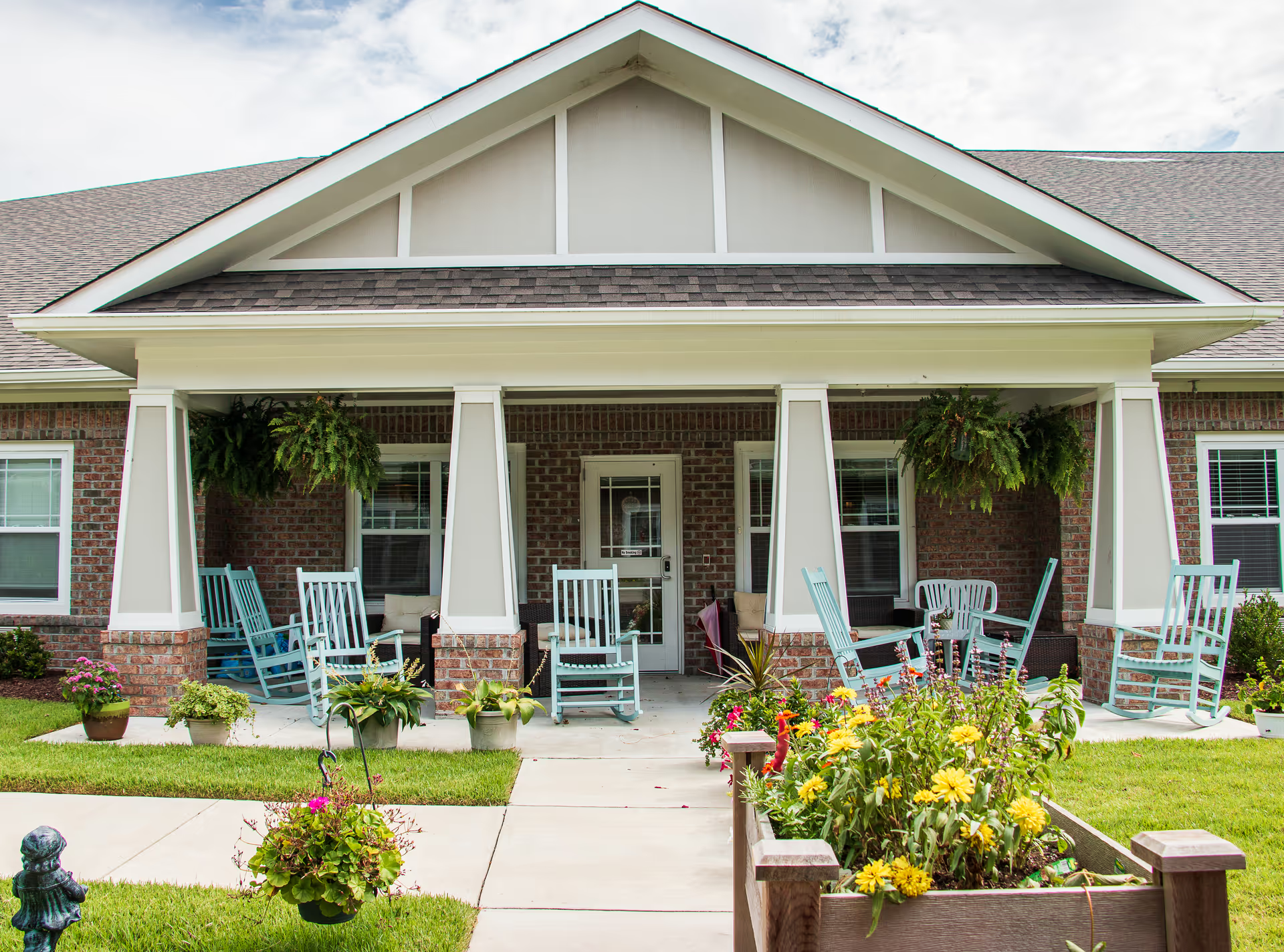
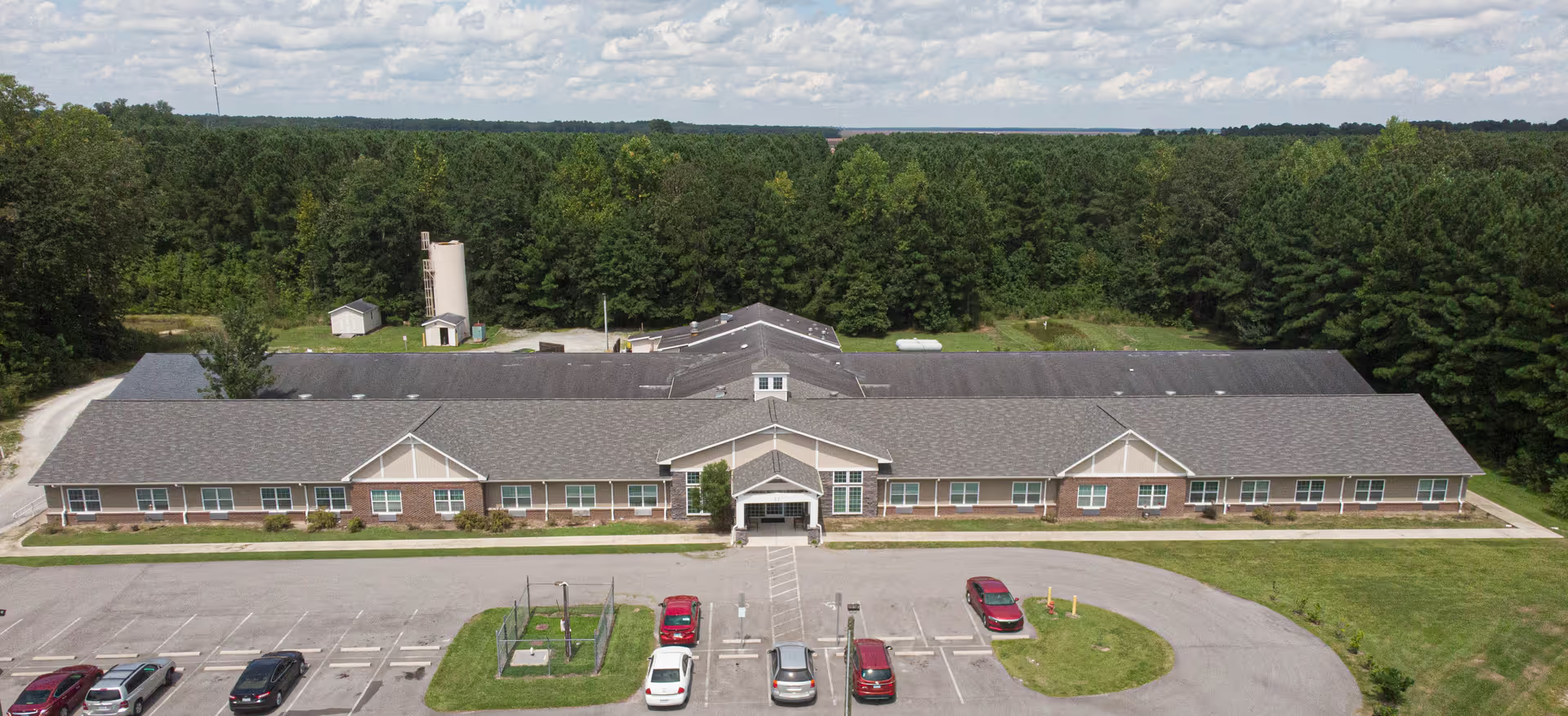
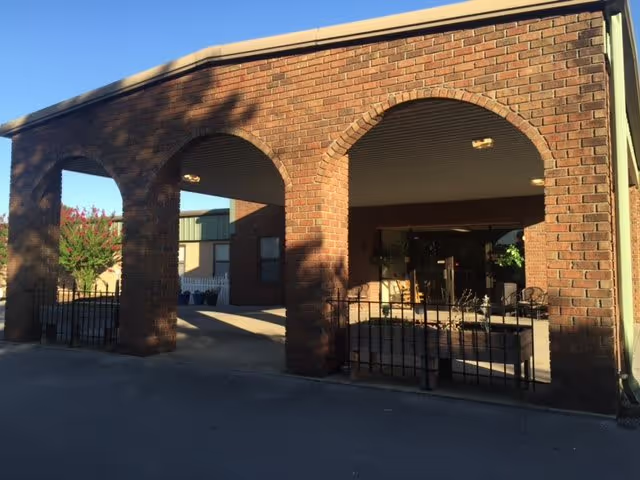
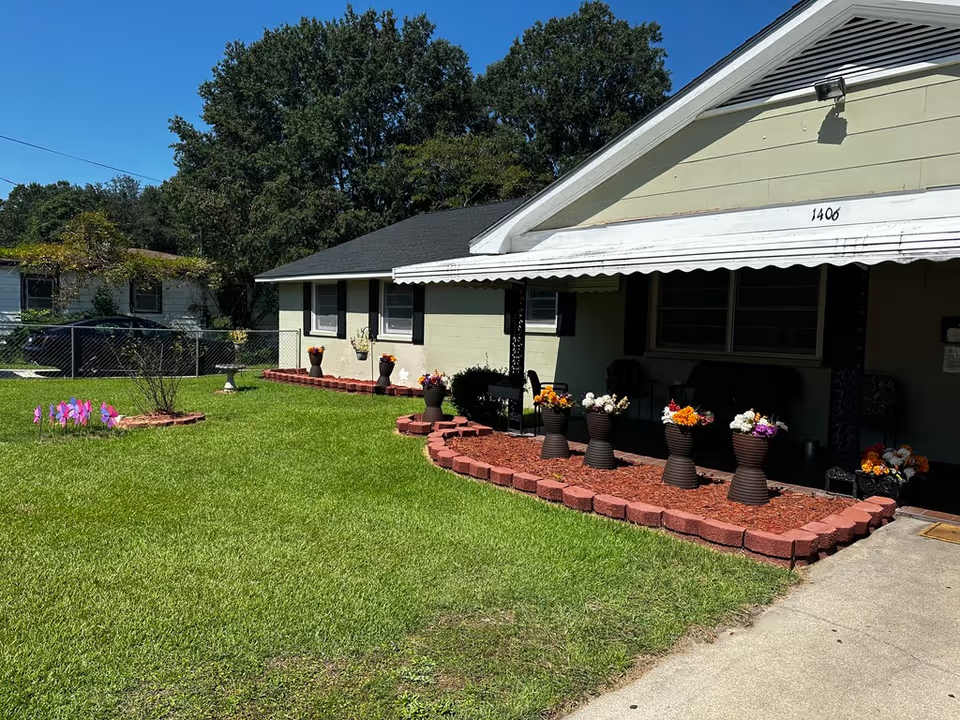
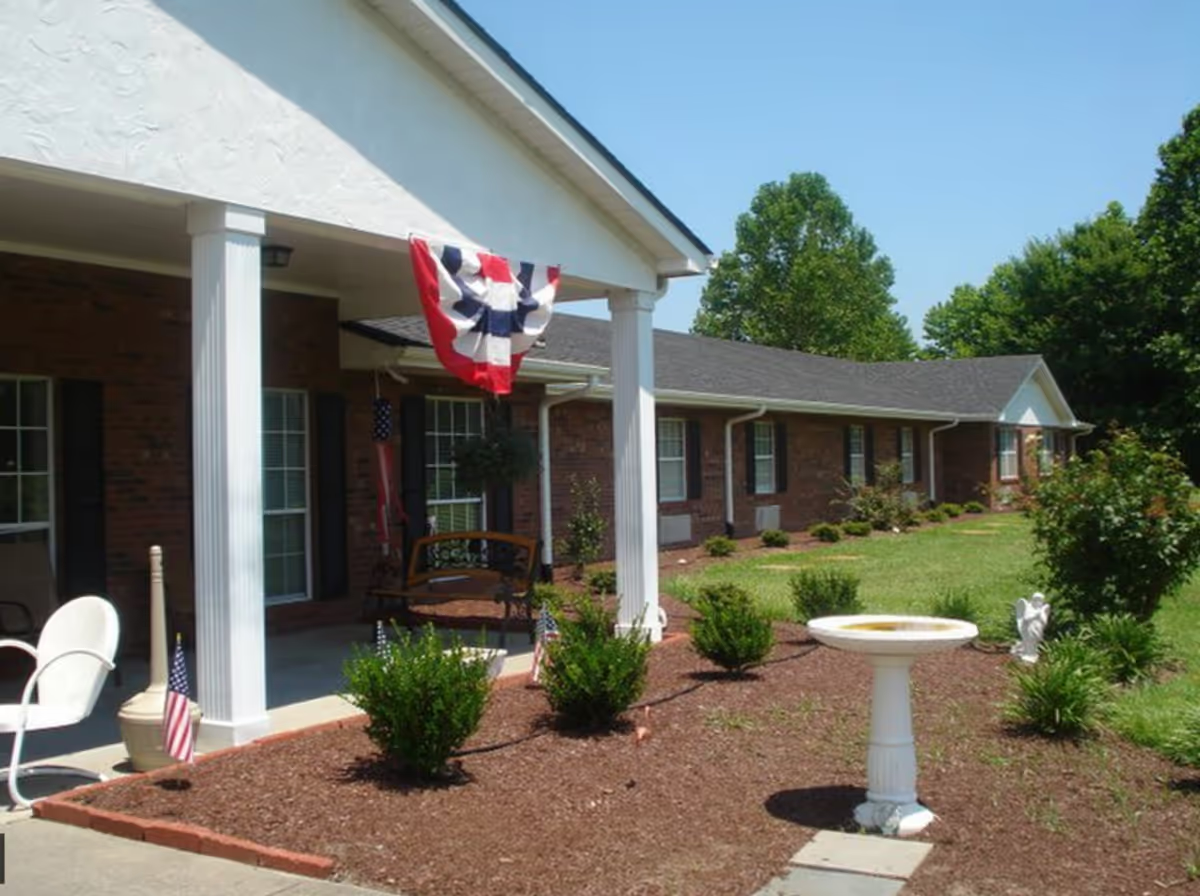
Facility condition and infection-control practices are inconsistent across reports. Some descriptions highlight a clean, home-like atmosphere with responsive maintenance, while others indicate aesthetic decline, sanitation and pest-control concerns in certain units, and limited in-room communication amenities. Infection-control compliance and proper PPE use were specific operational concerns noted in several accounts.
For prospective residents and families: the experience may depend heavily on current staffing levels, the unit to which a resident is assigned, and the timing of admission. If considering this facility, ask for current staffing ratios and turnover data, confirm therapy staffing and specialties available, review recent inspection reports, inquire about medication-administration and infection-control protocols, and request to observe care during a shift change. A short trial stay or closely monitored transition may help assess whether the facility’s strengths align with the prospective resident’s clinical and social needs.