Kerr Lake Nursing and Rehabilitation Center is described by many families as a facility with strong clinical and rehabilitative capabilities. Nursing staff, therapists, and attending physicians receive repeated praise for compassionate, patient-focused care and measurable rehab outcomes. The therapy department — including physical and occupational therapists — is frequently highlighted for individualized treatment, engagement, and contribution to recovery. Several accounts emphasize dementia-care knowledge and the facility’s ability to support both short-term rehabilitation and longer-term needs.
Operational strengths include responsive administrative and social-work support, coordinated transportation, and maintenance teams that contribute to a generally clean and comfortable interior environment. Recent interior renovations have been noted as a positive improvement, and housekeeping and nutritional staff are often credited with delivering fresh, hot meals and timely room upkeep. Families also cite daily communication and flexible visit arrangements during periods of restricted access, which helped maintain contact and trust during infectious-disease events.
Areas for improvement cluster around consistency of nonclinical interactions and communication systems. Multiple descriptions point to variability in front-desk responsiveness and customer service, including instances of unhelpful reception and difficulty arranging tours. Relatedly, phone access and call-transfer reliability appear uneven, creating frustration for families trying to reach residents or staff. Some reviewers described uneven conduct among day-to-day caregiving staff and noted personnel changes that contributed to perceived inconsistency.
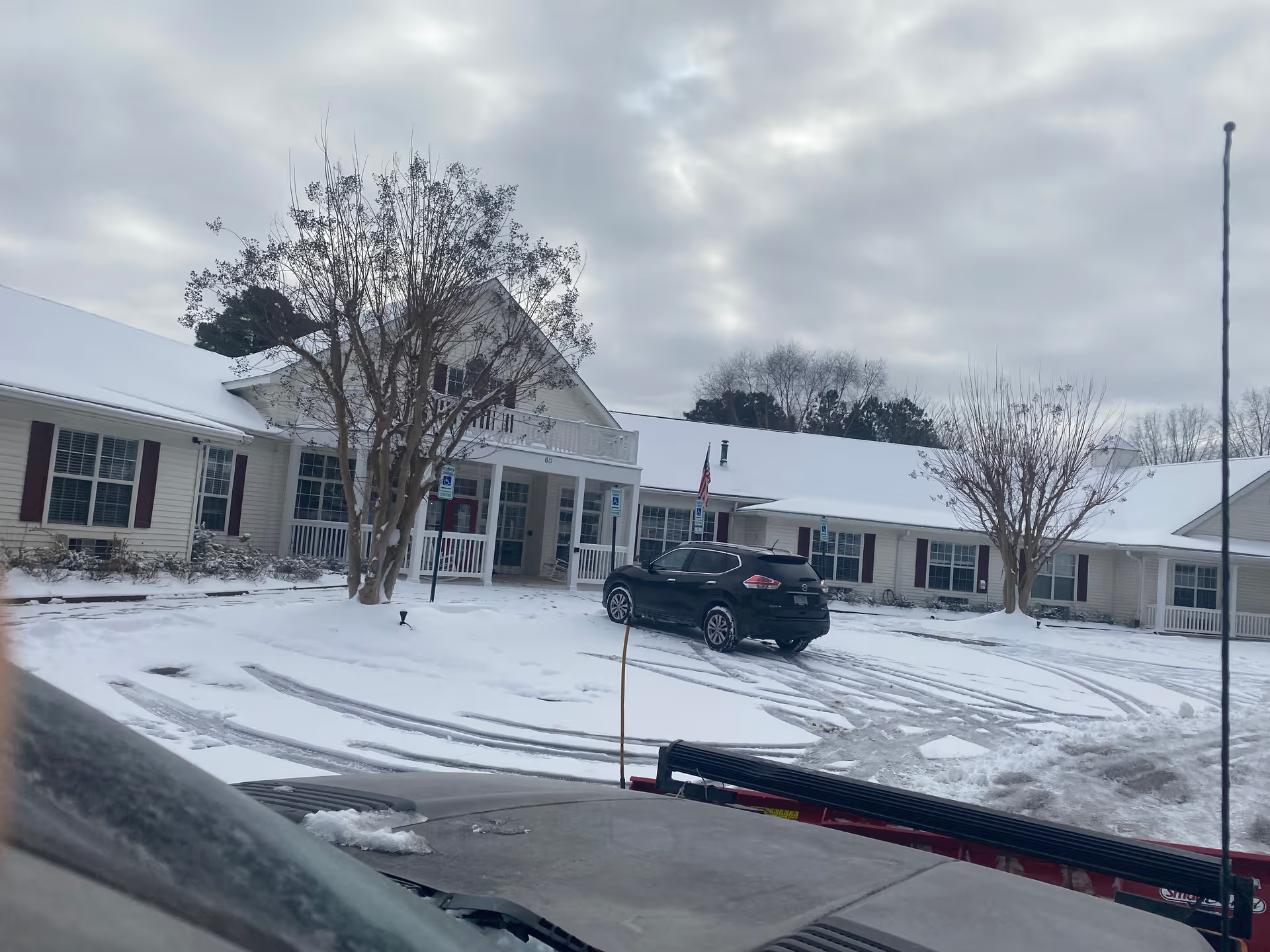
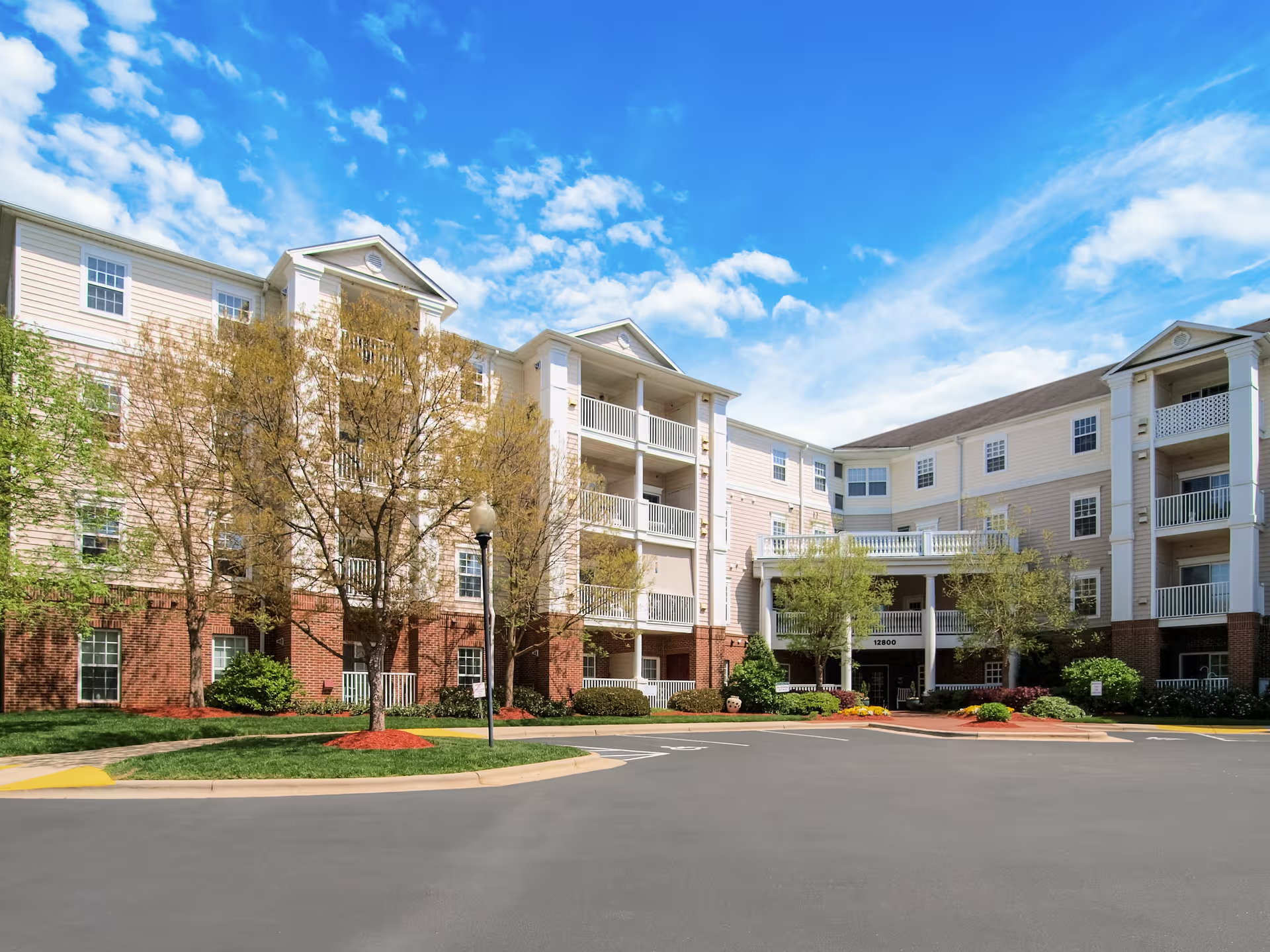
Dining and facilities present a mixed picture: while meal quality and nutritional staffing are strengths, a subset of accounts mention limited variety. The interior condition is generally praised following renovations, but exterior and grounds work is ongoing and was described as less attractive in places. Infection-related episodes revealed both strengths (daily nurse updates, window visits) and shortcomings (communication gaps and questions about incident response), indicating room to standardize protocols and family notifications.
In summary, Kerr Lake appears to deliver solid clinical care and rehabilitation with compassionate teams, effective therapy programming, and a clean, renovated interior. Prospective residents and families should weigh those strengths against operational variability in customer-service responsiveness, phone communication, and occasional inconsistencies among day-to-day caregiving staff. Those considering the facility for short-term rehab or longer stays will likely find strong clinical support, but should confirm current front-desk processes, communication protocols, and the status of ongoing exterior work during their decision process.