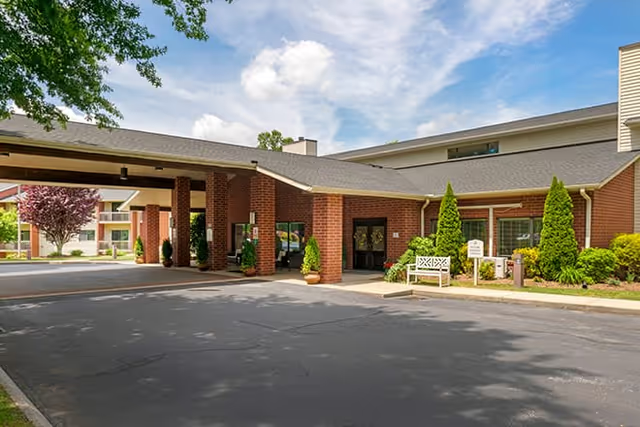
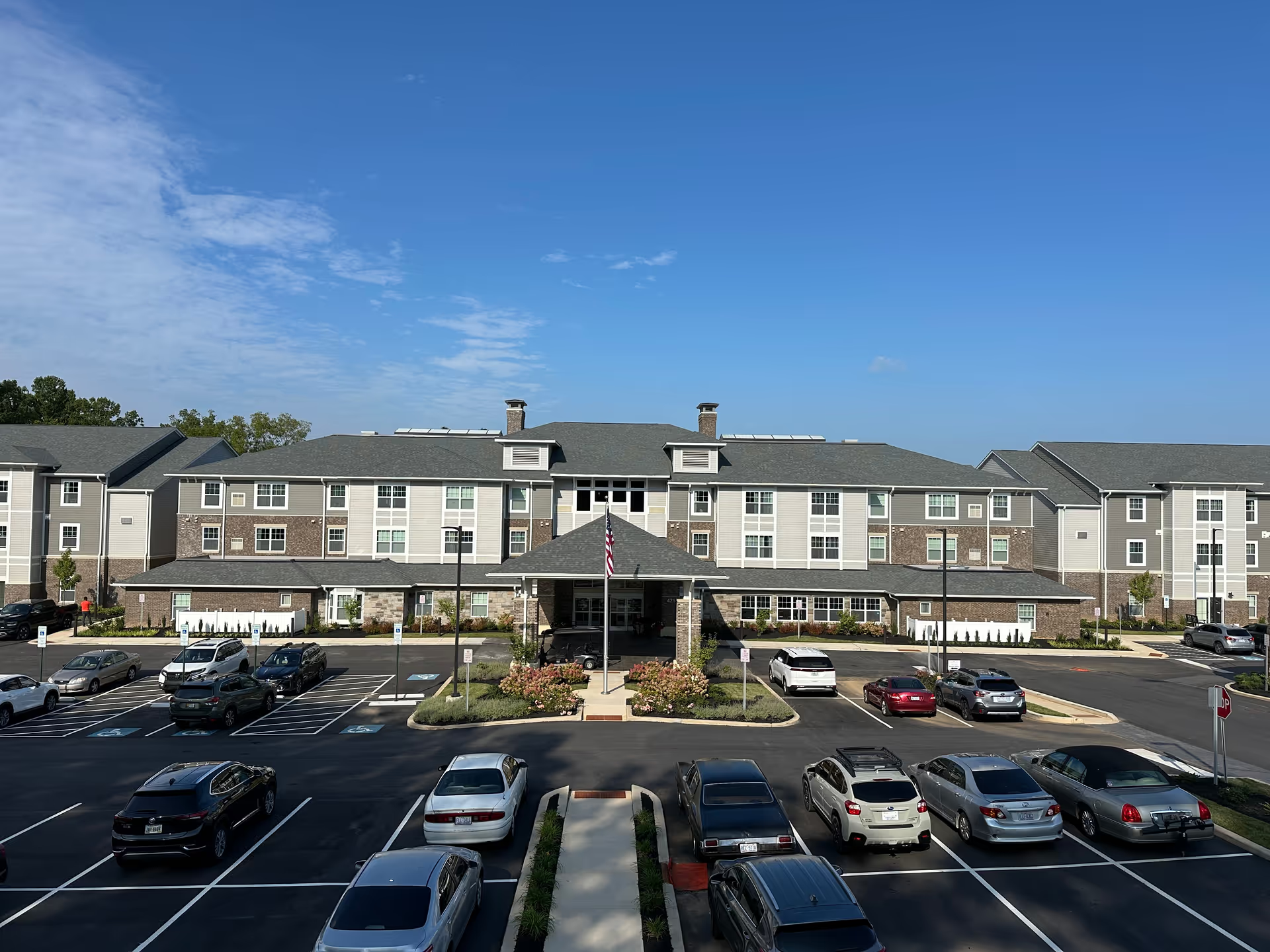
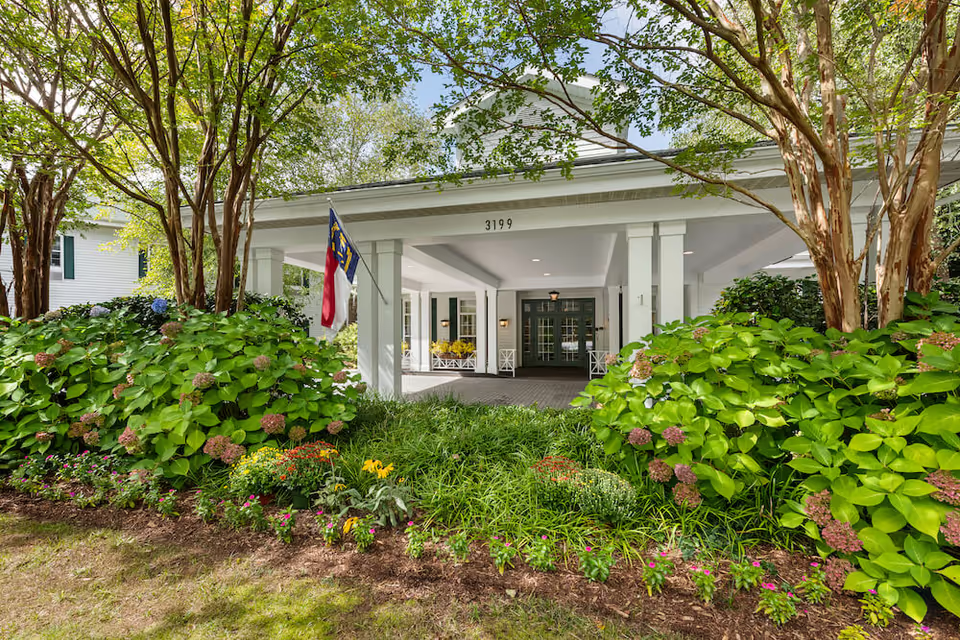
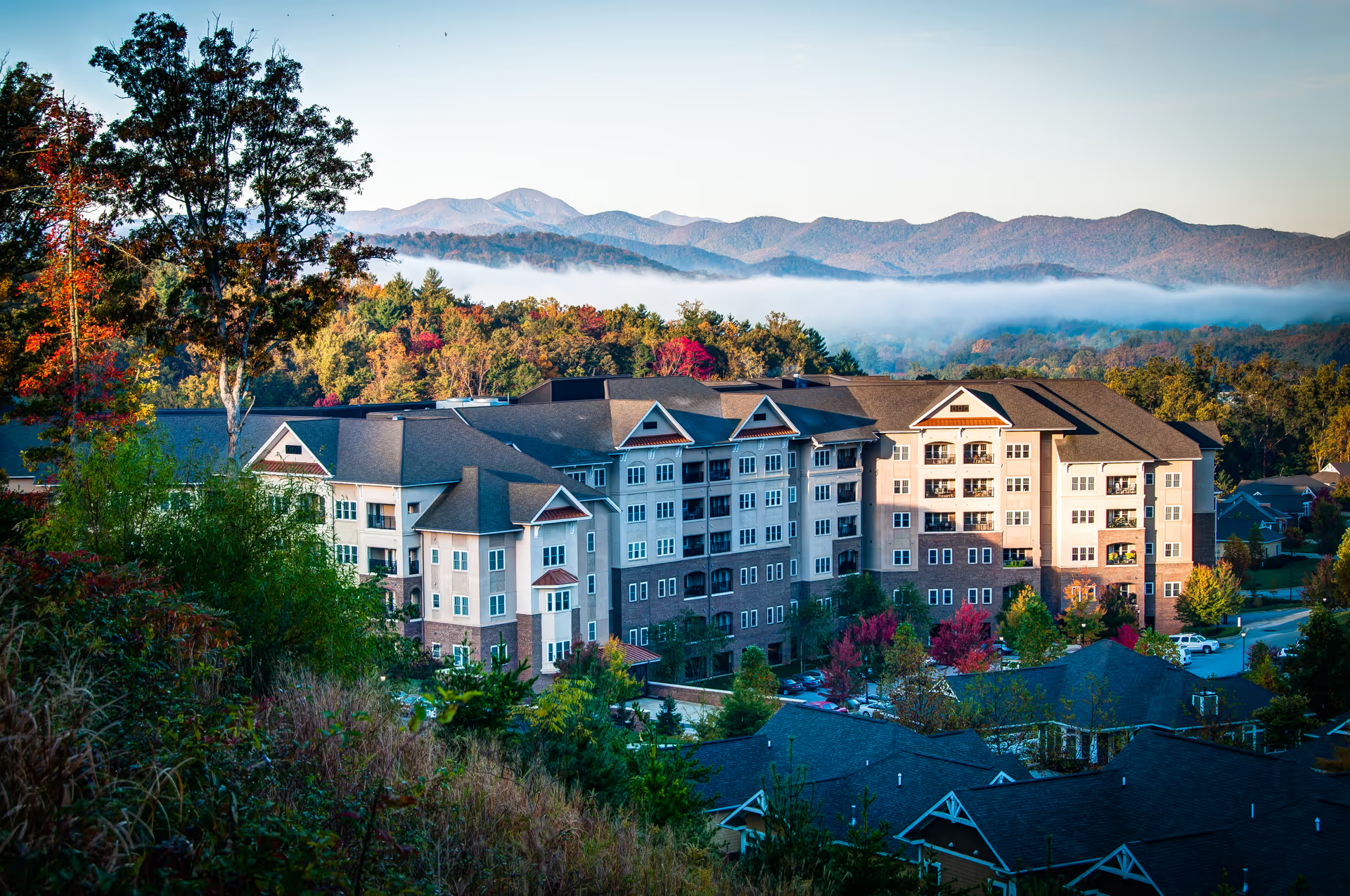
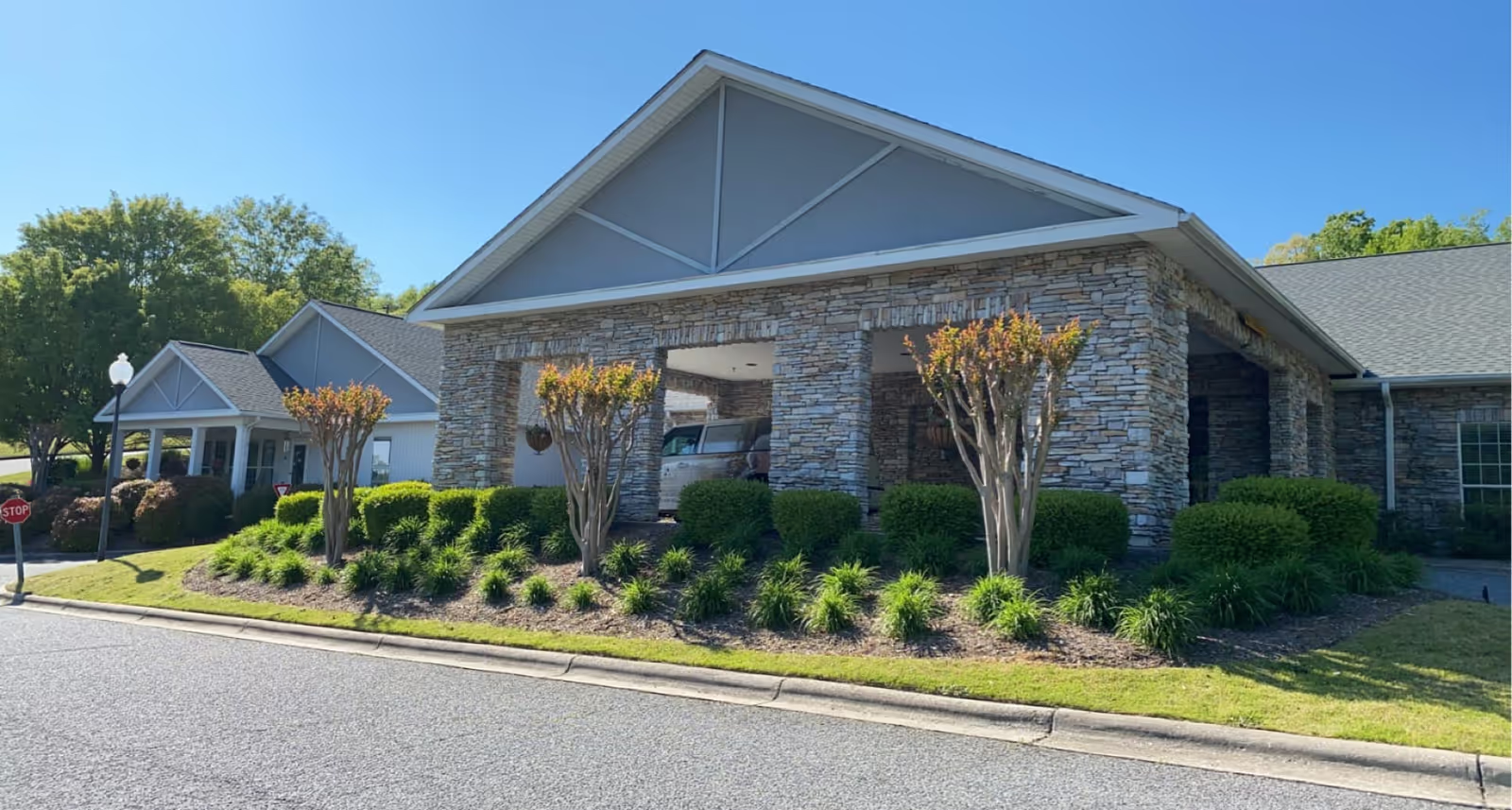
Overall impression: Carolina Reserve of Laurel Park presents as a well-appointed, small-scale assisted living community with many families describing attentive, personalized caregiving and an active social program. The facility’s physical environment is repeatedly characterized as clean, bright, and well maintained, with spacious one-bedroom apartments, level-access showers, multiple common rooms, an outdoor patio and an on-site salon. Operational strengths include daily housekeeping and laundry services, shuttle transportation that is wheelchair-accessible, on-site therapy amenities, and a small single-floor layout that supports familiarity and social engagement.
Care and clinical oversight: Reviewers frequently praise licensed nursing staff and certified nursing assistants for professionalism, medication administration, and hands-on caregiving. The community reports on-site clinical coordination including physician assistant rounds and access to dementia-specialized clinicians, which families view positively for residents with cognitive needs. At the same time, there is a pattern of variability in care quality—some families report strong, consistent care and improvements after management intervention, while others describe delays in personal-care tasks (for example, bathing and continence-related care) and concerns about care adequacy for higher-acuity cognitive residents not enrolled in memory-specific programming. There are also a limited number of serious allegations regarding staff conduct, including one set of claims about substance misuse; such claims merit direct inquiry during family tours and reference checks.
Dining and nutrition: The community offers three daily meals and communal dining, and several residents appreciate the shared mealtime experience and social atmosphere. However, a recurrent operational concern involves inconsistent meal quality and deviations from advertised menus. Reviewers cite budget-driven substitutions, a reliance on frozen or canned produce, occasional late service times, and instances of food arriving under-temperature or not as requested. Management responsiveness around dietary accommodations and a newly appointed kitchen lead were mentioned positively by some families, but prospective residents should verify menu samples, meal timing, and options for dietary restrictions.
Activities and social programming: The activities program is a clear strength. Families and residents highlight a dedicated activities director, frequent organized outings, live music, clubs (e.g., bridge), movie nights, church services, and a steady cadence of events that contribute to social engagement and, in several cases, observable slowing of cognitive decline. The small community size appears to facilitate participation and relationship-building among residents and staff.
Facilities, security, and infection control: Facility maintenance and cleanliness are commonly praised, with many comments about tidy common areas and prompt maintenance response. Nevertheless, there are operational concerns around security protocols and infection-control practices. Specific issues raised include doors that are not consistently locked, promises about locked storage not being upheld, and inconsistent COVID testing/masking procedures. Families should ask for current written policies on security, personal-property safeguards, and infection-control protocols during assessment tours.
Management and communication: Management and front-desk staff receive multiple commendations for being helpful, transparent, and accommodating during move-in and day-to-day interactions. Several accounts note effective, empathetic leadership and good communication. Contrastingly, other accounts describe variability in follow-up after adverse events and inconsistent communication about clinical incidents. Prospective families should request details about staffing ratios, shift coverage (including night checks), escalation procedures, and how the facility documents and communicates incidents to families.
Notable patterns and recommendations for families: The overall pattern across reviews is mixed but leans positive with respect to environment, programming, and many aspects of caregiving. However, there are recurring, actionable concerns around meal consistency, variable staffing levels, personal-care responsiveness, security controls, and the adequacy of care for more complex cognitive or medical needs. When evaluating this community, families should: (1) verify current staffing ratios and shift coverage; (2) sample recent menus and ask about sourcing and meal-temperature procedures; (3) review infection-control and testing protocols; (4) inspect security measures and personal-property safeguards; and (5) clarify memory-care admission criteria and clinical oversight for higher-acuity residents. These targeted questions will help determine whether the facility’s strengths align with a given resident’s clinical and social needs.