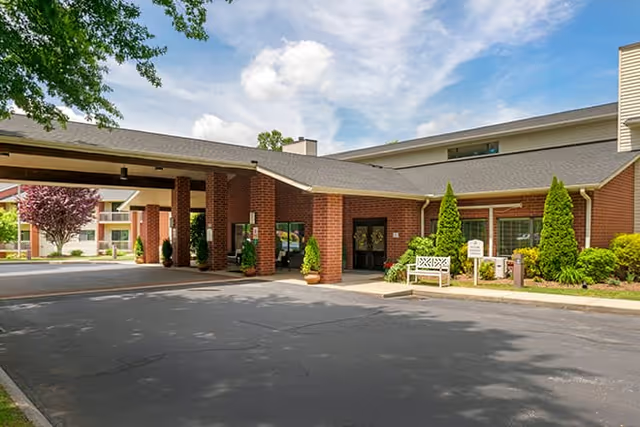
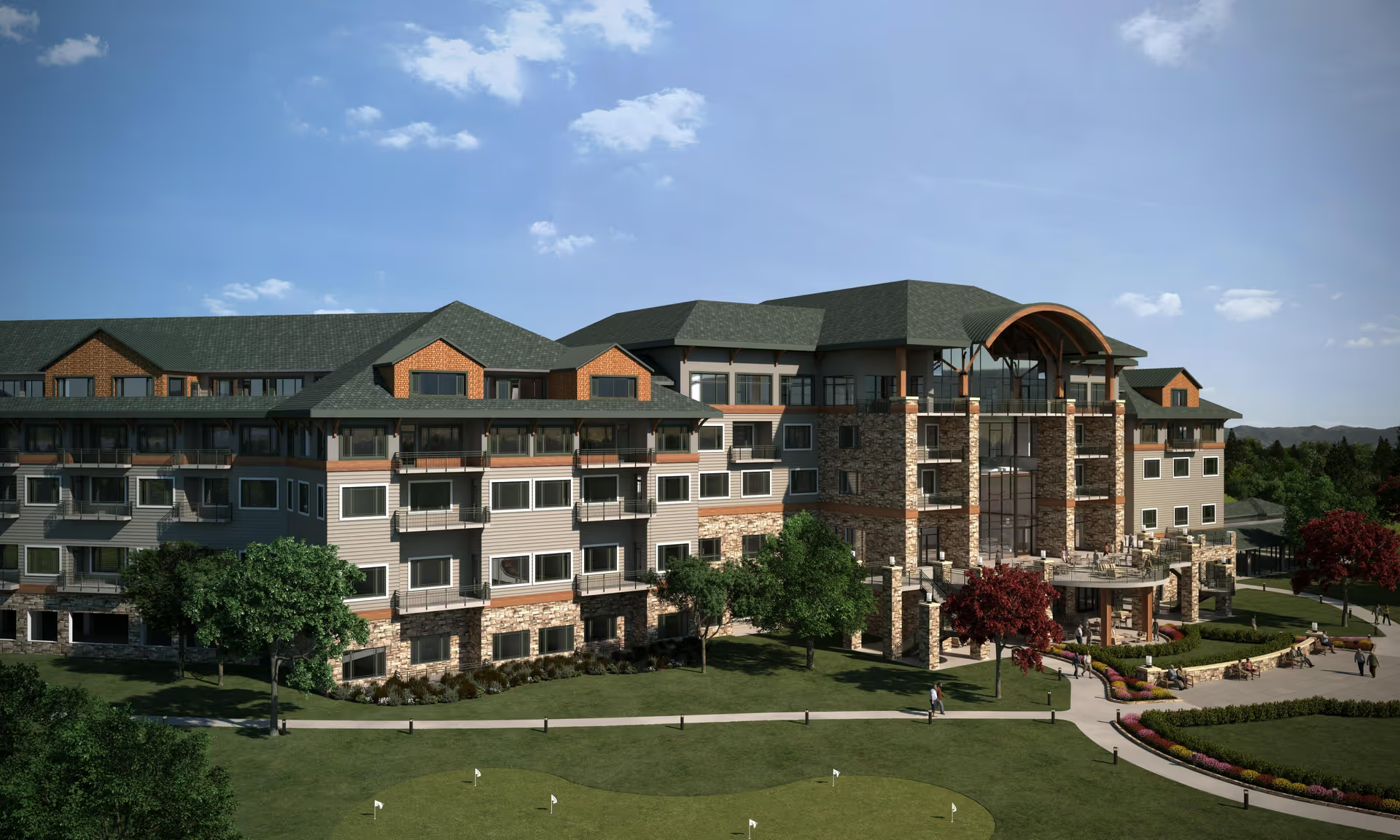
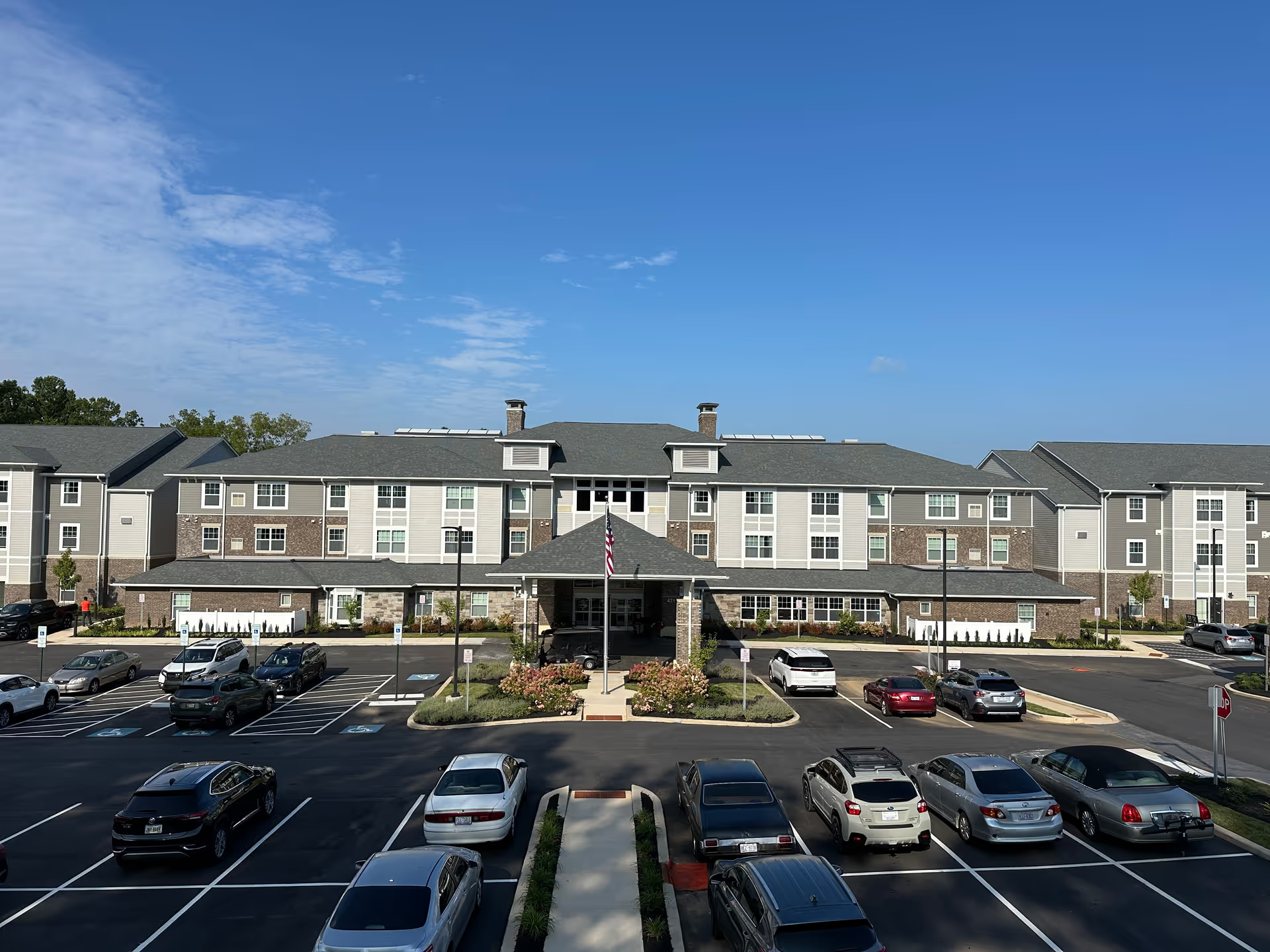
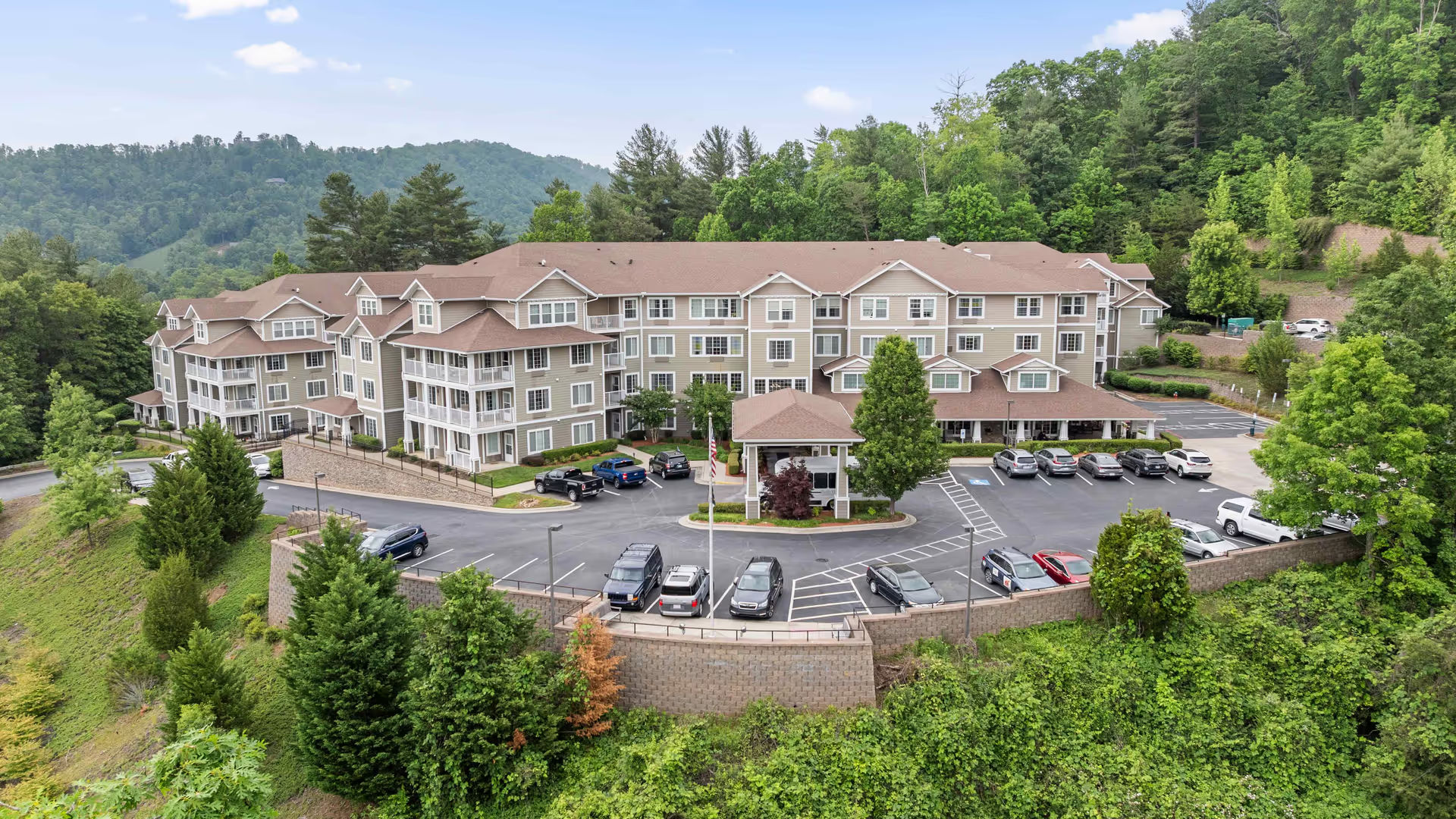
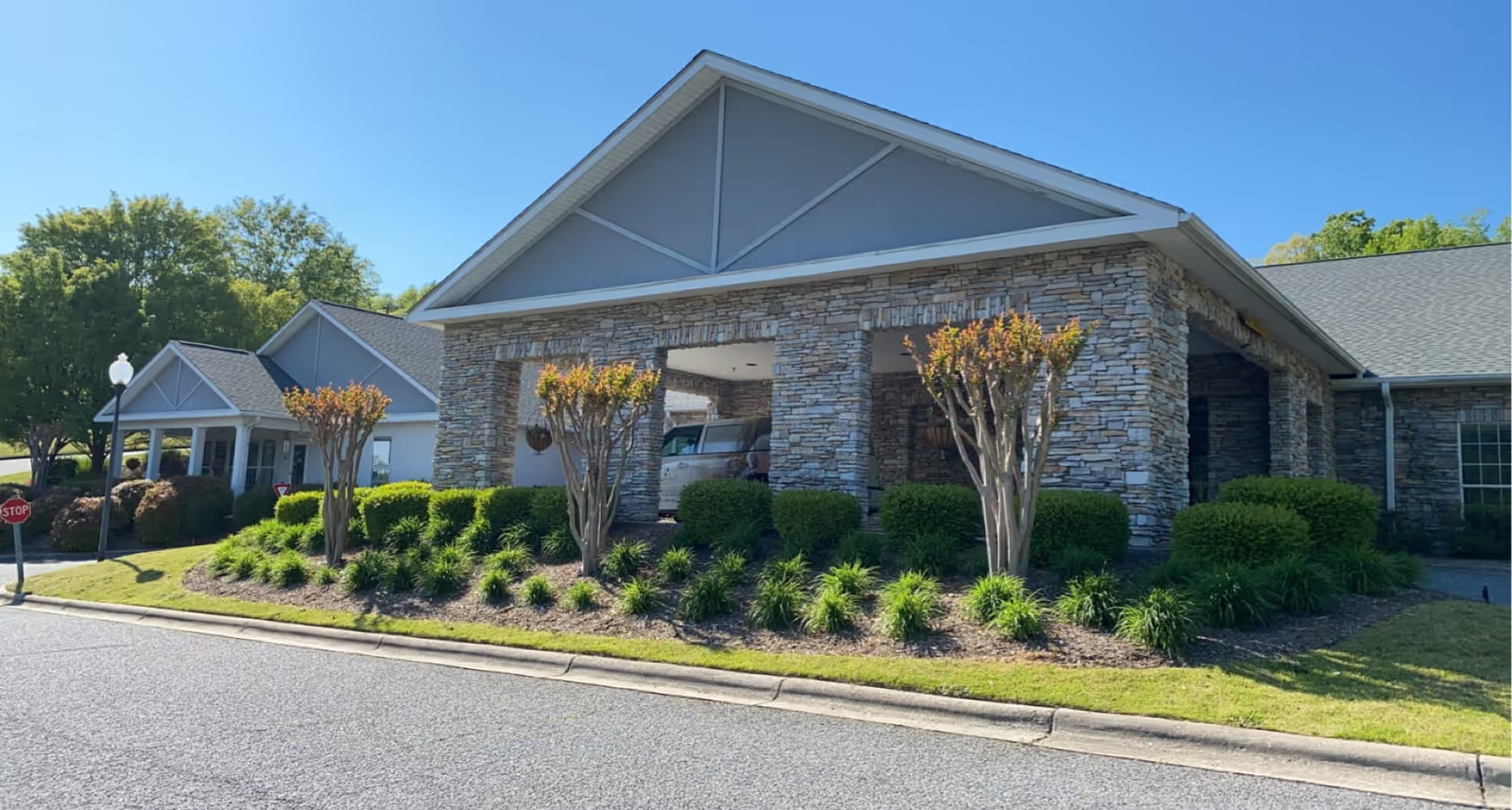
Mountain View Assisted Living is a small, 27-bed facility that elicits sharply mixed assessments from families. Many accounts praise direct-care staff for individualized attention, after-hours responsiveness, and compassionate end-of-life support; several families highlighted specific employees who provided strong, hands-on care. The small size and home-like, non-corporate atmosphere are viewed as strengths, and some reviewers found the property clean with pleasant outdoor space and organized meal service. Value and affordability are also noted as positive factors.
At the same time, a number of operational and clinical concerns recur across reviews. The most prominent issues relate to medication management and documentation: families described inconsistent administration, delays in obtaining medical records or VA paperwork, and limited written medication records. There are also reports indicating gaps in clinical responsiveness—delays in addressing acute changes, wound-care and skin-integrity concerns, and instances where recommended specialty care or diabetes and pulmonary treatments were not followed through as expected. These kinds of clinical gaps are tied in several accounts to paper-based records and limited use of technology, which reviewers say complicates care coordination.
Staffing and leadership patterns are another area of divergence. While many direct-care staff are characterized as caring and attentive, reviews repeatedly mention understaffing, elevated turnover, and low morale that can affect day-to-day supervision and assistance. Activities and engagement are often described as limited or absent, leaving higher-functioning residents without desirable programming. Several families described a decline in housekeeping and general upkeep under more recent management changes; others described the facility as clean but dated, noting tired furniture, low ceilings, and a somewhat institutional feel despite tidy common areas.
Management and family communication appear to be inconsistent. Multiple families reported difficulties with open communication, restricted family involvement, and instances in which access to outside clinical or spiritual services was constrained. There are also serious individual claims about personal-property handling and restricted phone or visitor access; those claims are significant and should be explored further by prospective families. The facility has had regulatory inspection issues noted by reviewers, which suggests prospective residents should review inspection findings directly.
Taken together, the pattern suggests a facility where front-line caregivers can provide compassionate, individualized support but where systemic weaknesses—staffing instability, incomplete documentation/technology use, variable leadership practices, and aging infrastructure—create risk for uneven experiences. Families considering Mountain View should schedule an in-person visit, review recent inspection reports, ask for current staffing ratios and turnover data, review medication- administration and record-keeping procedures, confirm family-communication and visitation policies, and observe activity programming and mealtime service to determine how the facility’s strengths align with the prospective resident’s clinical and social needs.