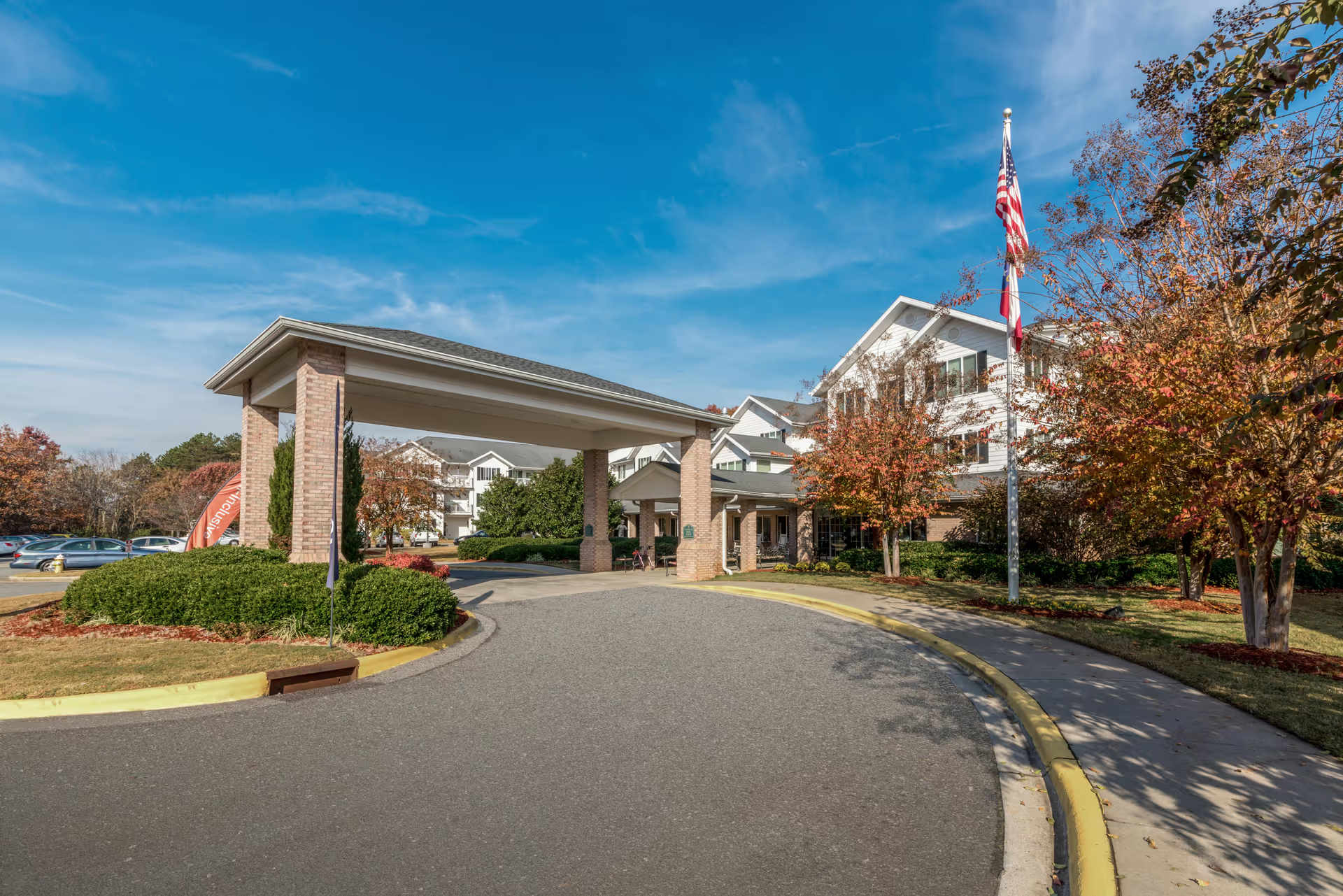
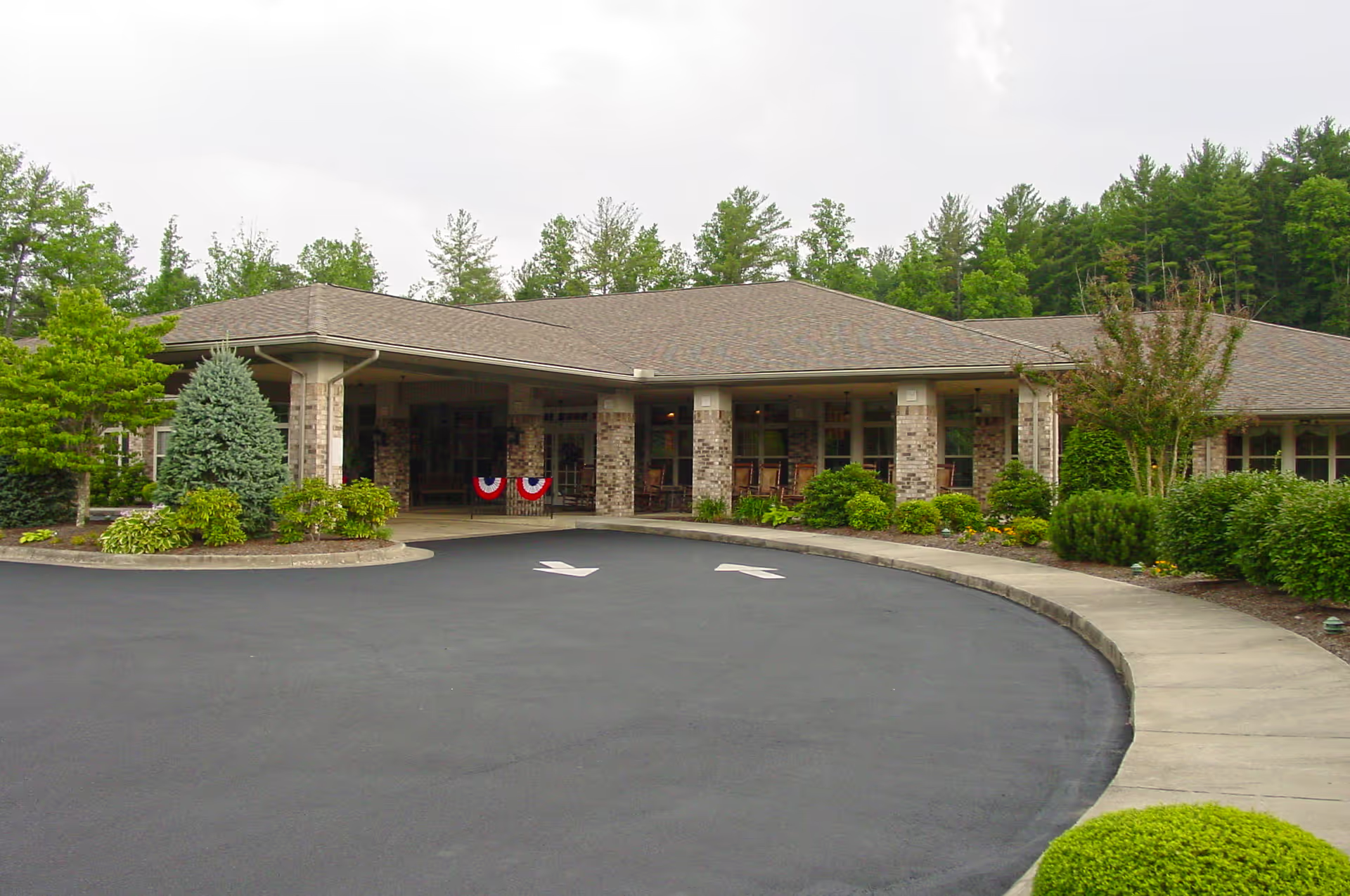
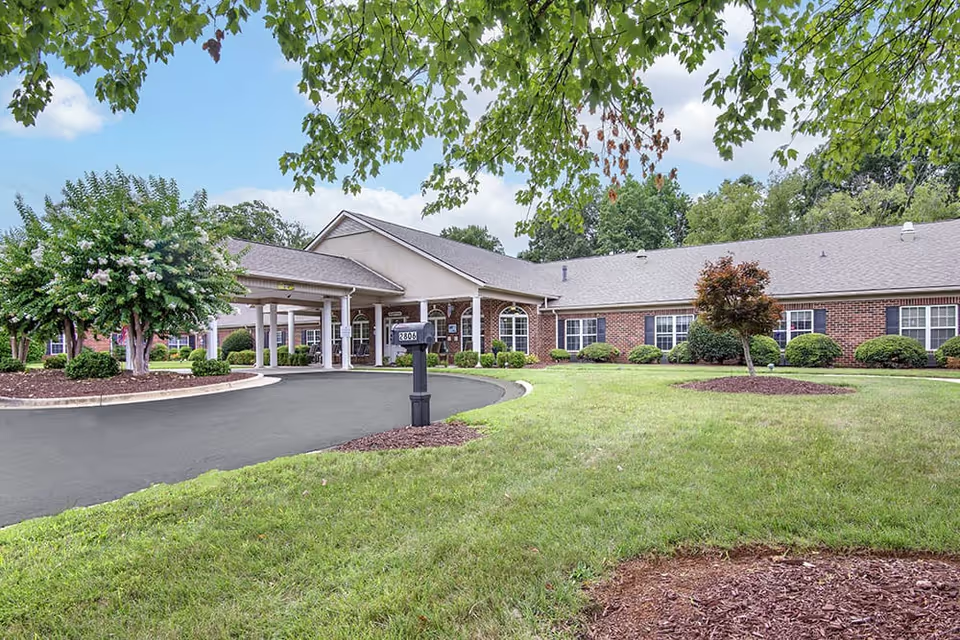
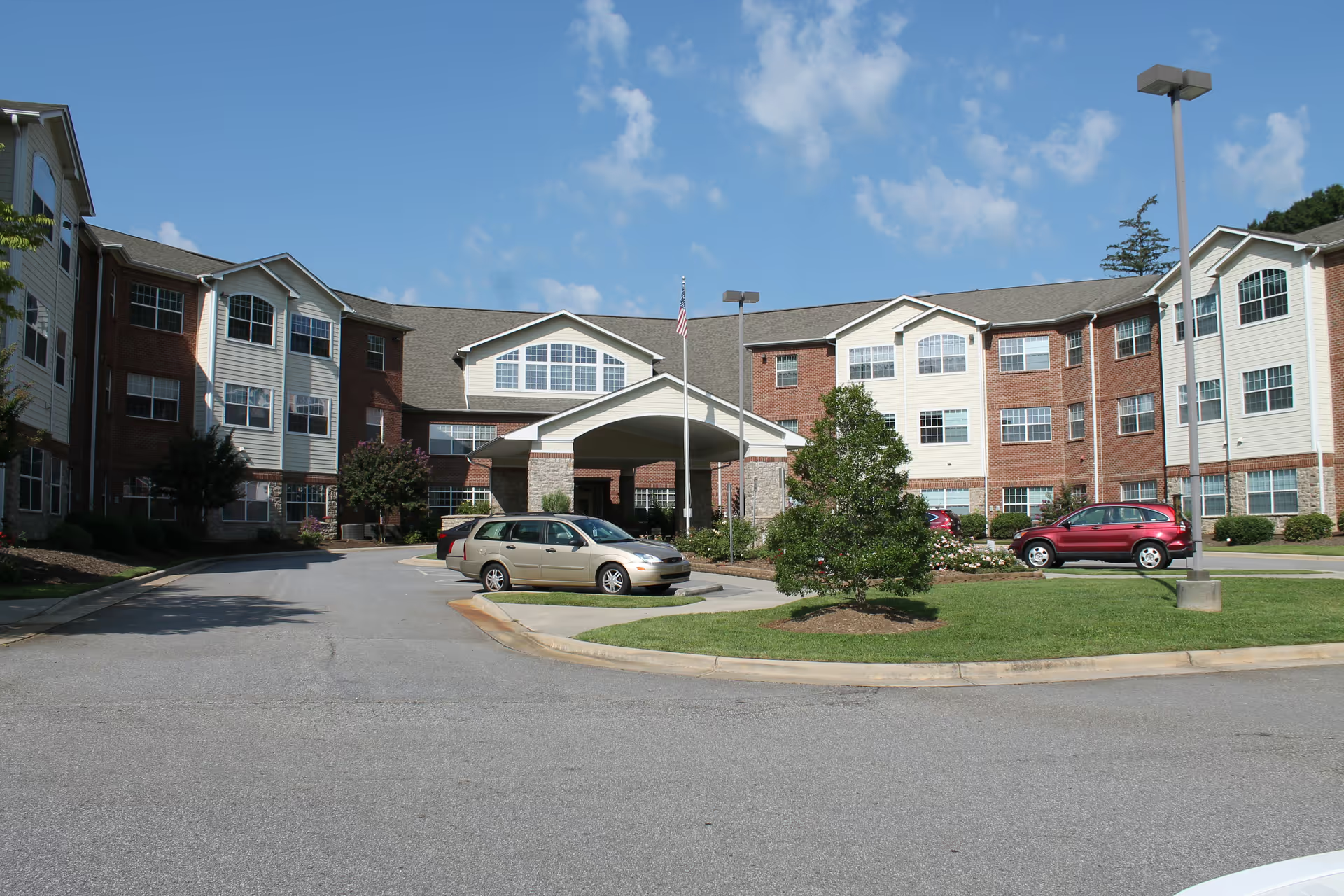
Brookdale Falling Creek receives consistent positive feedback for its staff and the general environment. Families and residents commonly describe caregivers as compassionate, engaged, and approachable; staff continuity and long-term relationships are highlighted as strengths. The community presents as clean and well-maintained, with bright rooms, natural light, and a homelike atmosphere. A number of on-site amenities—salon, theater, exercise room, private dining areas, and an enclosed courtyard—contribute to a residential feel that many families appreciate. The facility also holds a deficiency-free state survey, which some families cite as reassurance about regulatory compliance.
Clinical and care-quality observations are mixed but tend toward favorable for moderate care needs. Reviewers note reliable medication supervision and attentive nursing communication in many cases, and families report smooth move-ins and good health monitoring for residents who fit the community’s care profile. However, the community appears less well suited for residents who require continuous, high-acuity skilled nursing; several comments indicate limits on 24-hour care and that emergency-response times can be affected by staffing levels. A few isolated adverse events prompted concerns about incident response and family communication; prospective families should ask for the facility’s protocols for incident reporting and post-event follow-up.
Dining and activities are prominent features of life at Falling Creek but show variation. Many residents and families praise the dining areas, friendly meal service, and active daily menus, and other accounts describe engaging activities including bingo, crafts, devotional groups, piano/music, outings, and therapy services. At the same time, meal quality is described inconsistently—some families applaud the food while others find it bland or overcooked—and vegetarian options are noted as limited. Activity scheduling and program intensity also vary by unit and by period (COVID-era restrictions reduced programming for some); ask for a sample weekly calendar and recent activity attendance to assess fit for a particular resident.
The physical plant and amenities are generally well regarded but not uniformly modern. Several reviewers appreciated spacious rooms with kitchenettes and accessible bathrooms, and the secure outdoor areas are a positive. Other areas are undergoing renovation, and some common spaces are described as dated. The community’s smaller size is repeatedly framed positively for personalized attention, though it also means some rooms and the courtyard are smaller compared with larger competitors.
Administrative and operational patterns are mixed. Many families praise responsive front-line staff and good communication, while others describe billing disputes, unclear contract terms, and occasional administrative delays. Understaffing is the most commonly cited operational weakness; it can manifest as delays responding to buzzers and limits on the level of hands-on care staff can provide. Infection-control policies—particularly early in the pandemic—led to restrictive visitation for some families, and while that reflected broader public-health practice, it remains an operational factor to review with administration.
Bottom line: Brookdale Falling Creek is a well-kept, staff-forward community that is often recommended for residents who need assisted living–level support and value a homelike environment, active programming, and personalized attention. Prospective residents and families should confirm whether the community’s staffing levels, meal preferences, activity offerings, and contract terms match their expectations, and should clarify the facility’s capabilities for higher-acuity nursing care, incident communication procedures, and any ongoing renovation timelines before committing.