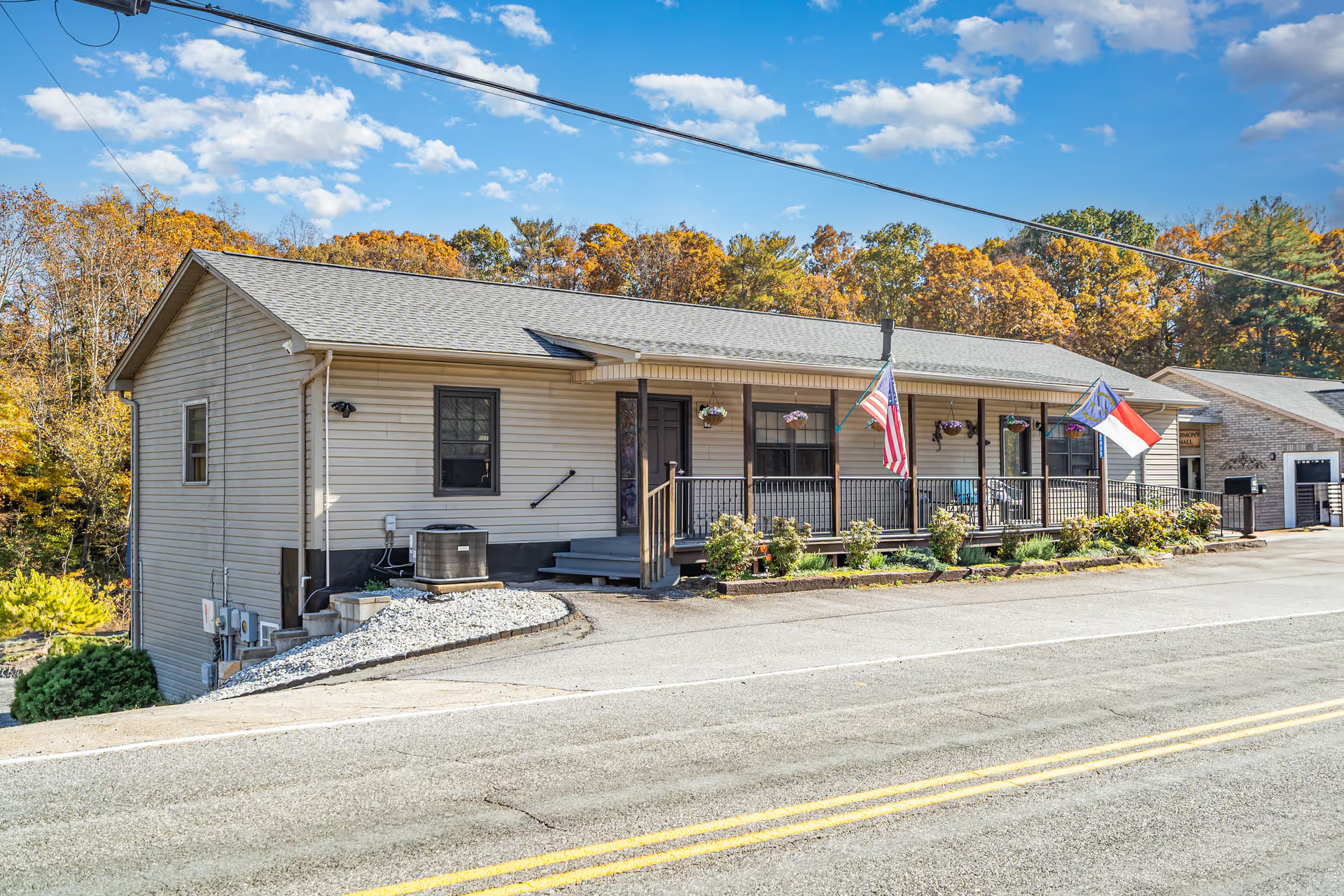
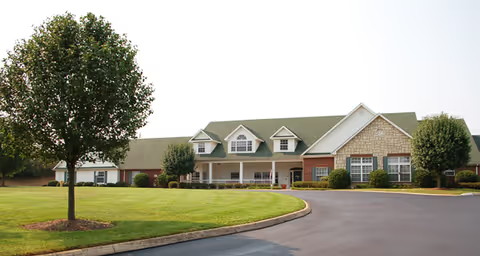
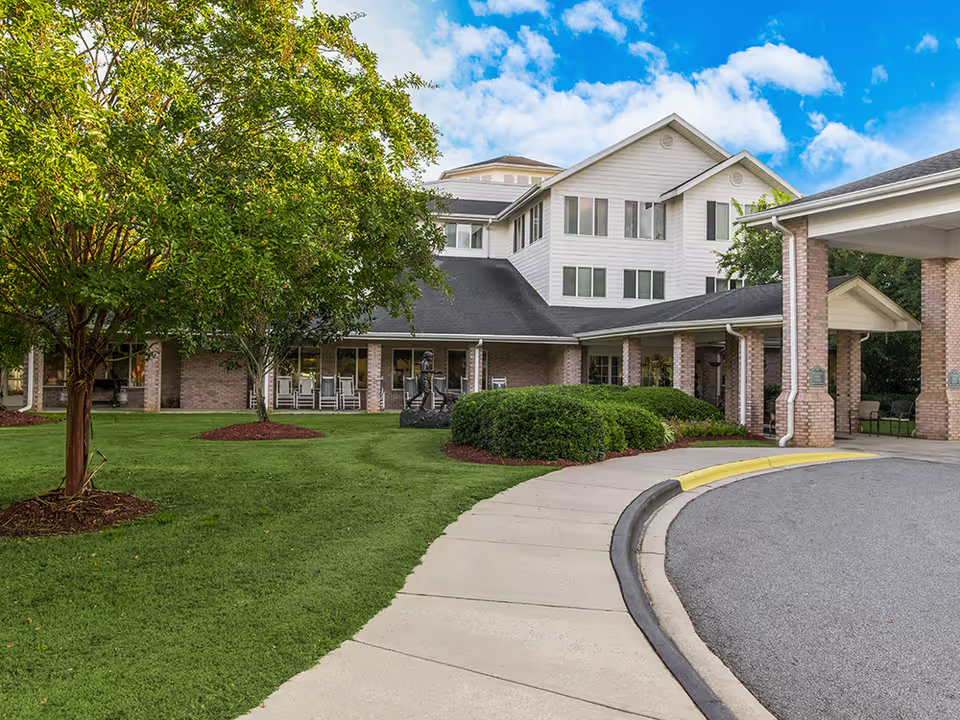
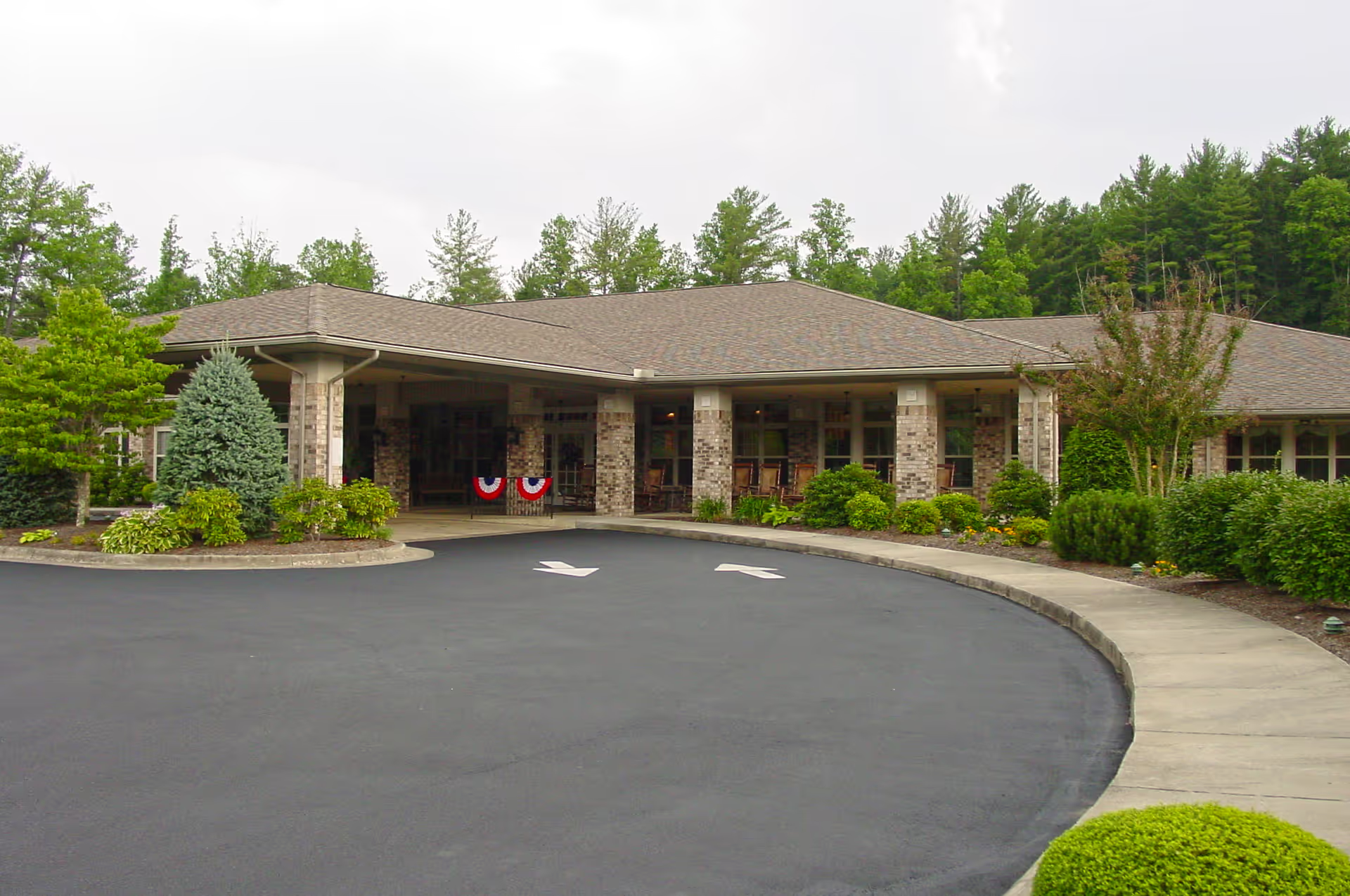
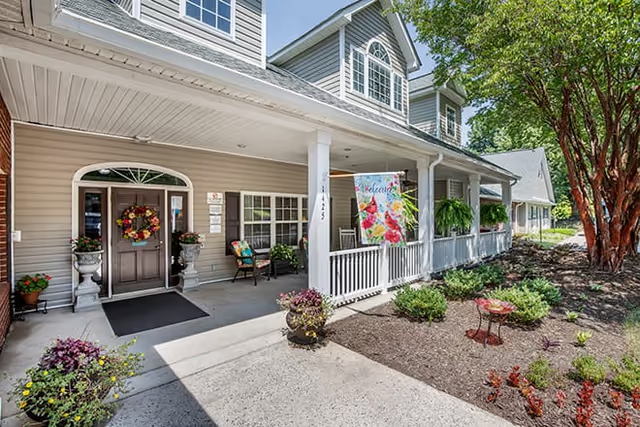
Trinity Ridge presents a mixed profile. Many reviewers praise the facility’s physical plant and rehabilitation capabilities: the building is frequently described as clean and well maintained, with rehabilitation programming, therapy staff and on-site medical services (physician access, lab and x-ray) that support short-term recovery and clinical continuity. The facility’s ability to accept Medicaid and provide hospice services on-site is a logistical strength for families seeking a full continuum of care. Several accounts highlight individualized care planning, creative personalizations, and a safety-focused approach that contributed to positive, productive short-term stays.
Staffing and day-to-day care quality emerge as the principal area of variability. Multiple reviewers describe compassionate, long-tenured, and helpful nursing assistants, nurses and front-desk personnel who provide attentive care, good communication and timely responses. At the same time, other reviewers report delays in responding to call lights and care requests, weekend understaffing, and instances of inattentive or poorly trained staff. These inconsistent staffing patterns appear linked to the most serious operational concerns, including gaps in clinical consistency (some reviewers referenced infections and pressure-injury occurrences) and problematic responses during care transitions.
Dining and activity offerings are similarly mixed. Some families praised the kitchen and dining staff, noting good meals and hospitality, while others described meal quality as inconsistent and dining staffing as limited. Activity programming includes outings, exercise classes and rehab-focused activities that some residents enjoy, but there are also comments about limited engagement and poorly executed events, suggesting variable program delivery depending on staffing and coordination.
Facility operations and management present a clear divergence in experience. Positive accounts reference attentive administration and proactive, informative communication with families. Conversely, there are multiple concerns about administrative responsiveness, supervisory tone, and handling of staff issues or resident complaints. A small number of severe-sounding incidents around care transitions and oxygen/medication decisions indicate underlying policy and communication gaps rather than documented systemwide protocol; these would warrant direct discussion with leadership and review of care-transition procedures.
Overall, Trinity Ridge shows operational strengths in rehabilitation services, on-site clinical capabilities, and a generally well-kept environment. However, prospective residents and families should investigate current staffing models (including weekend coverage), ask for specifics on infection-prevention and pressure-injury prevention practices, clarify billing and value expectations, and review activity schedules and management communication practices to ensure alignment with their expectations and care needs.