Brookdale High Point elicits a mixed but specific set of impressions. Many families and visitors describe a warm, home-like environment with personally engaged staff, sizeable private rooms (some with kitchenettes), and a broadly active social program that includes crafts, music, holiday events, church services, and on-site salon services. The facility's dining setup is often characterized as restaurant-style or cafeteria-style with several reviewers noting good food and flexible meal options. Its convenient location, transportation for outings, laundry support, and available therapy services (PT/OT) are also cited as practical strengths.
Care quality appears uneven. Positive accounts emphasize attentive CNAs, a caring second-shift med tech, and long-tenured caregivers who prioritize resident comfort and individualized attention. Conversely, there are recurring concerns about limited clinical coverage (nurses by appointment, minimal physician presence), delays in responding to acute needs, and inconsistencies in medication handling — including co-pay and pharmacy-fee issues and lack of a clear benefits review. Several families expressed dissatisfaction with how fall events and other clinical incidents were handled and communicated, indicating gaps in incident-response processes and family notification.
Staffing and management present a contrast of strengths and weaknesses. Reviewers frequently praise individual staff members and some engaged leaders who organize events and outreach; however, patterns of short staffing, low morale, frequent management turnover, and inexperienced supervisors were also described. These operational patterns correlate with reports of poor coordination among staff, inconsistent shift performance, and variability in the resident experience depending on which team is on duty.
Dining and activities are generally seen as assets but inconsistent in delivery. Many residents enjoy the meal variety, social dining atmosphere, and scheduled activities; at the same time, other accounts cite repetitive or reheated menu items, cold morning meals, and lapses in accommodating modified diets or swallowing precautions. Activity programming is active at times—especially for special events and holidays—but there are periods when activity staffing is inadequate or the activity director role is vacant, producing boredom for some residents.
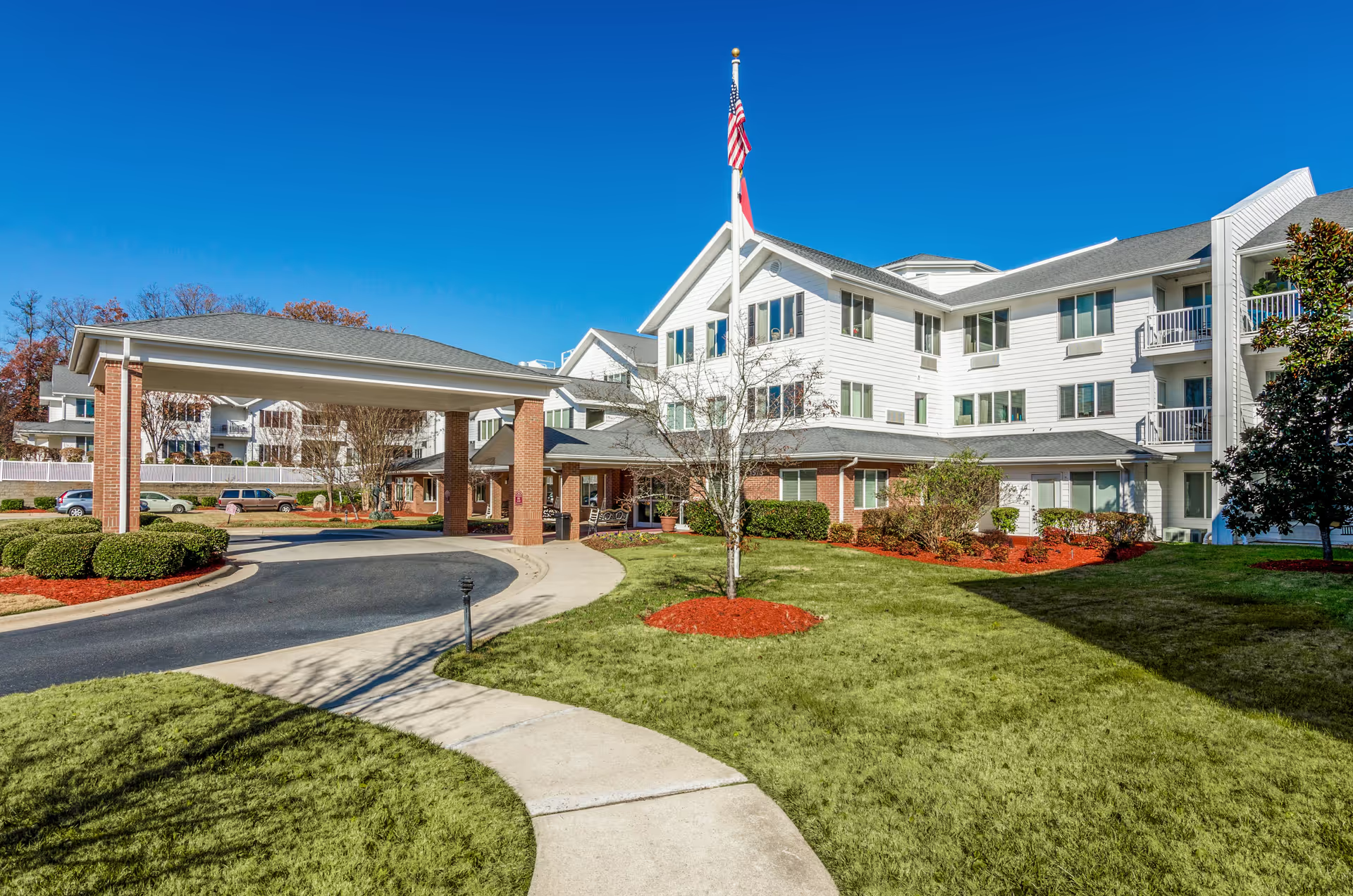
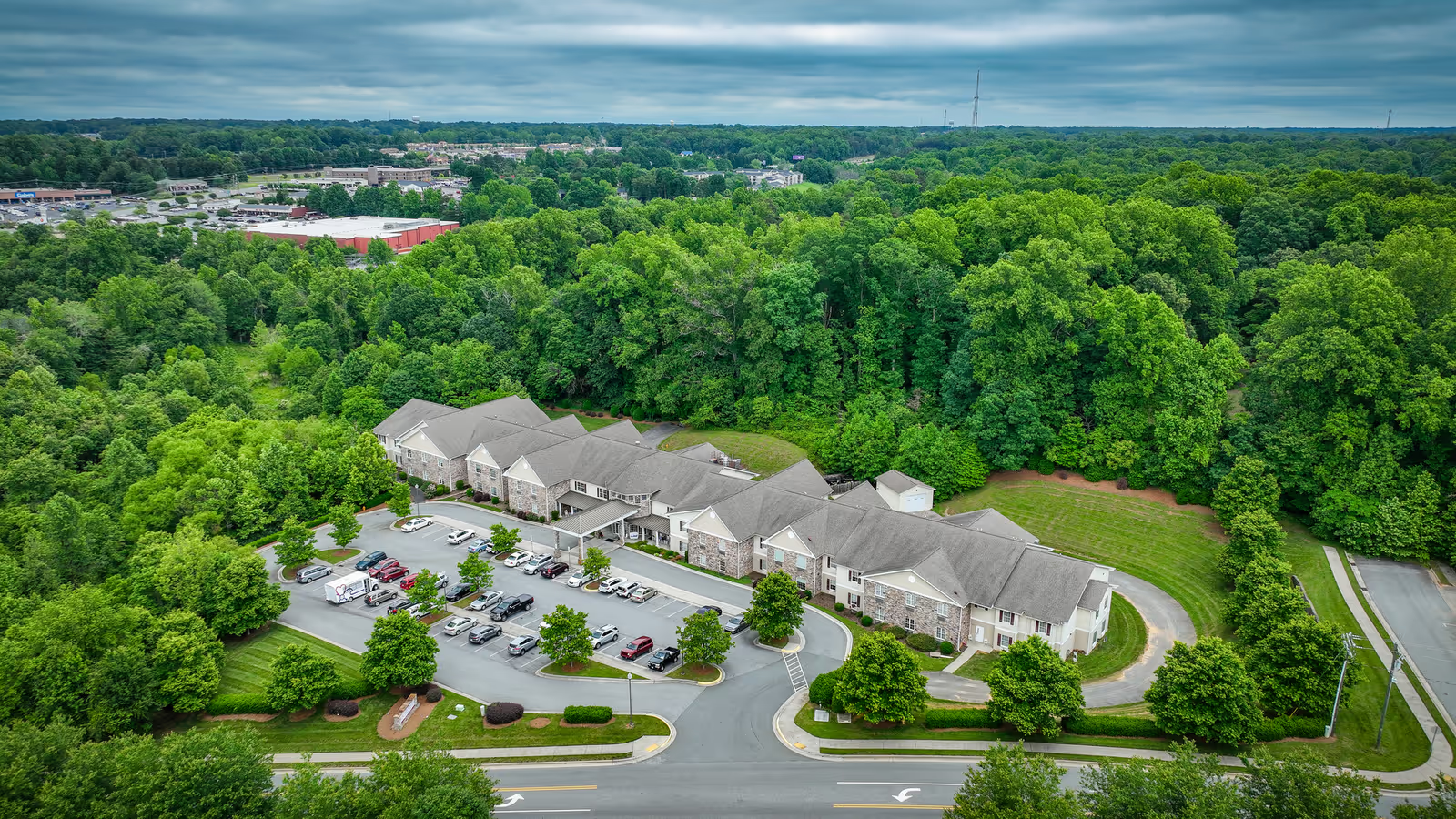
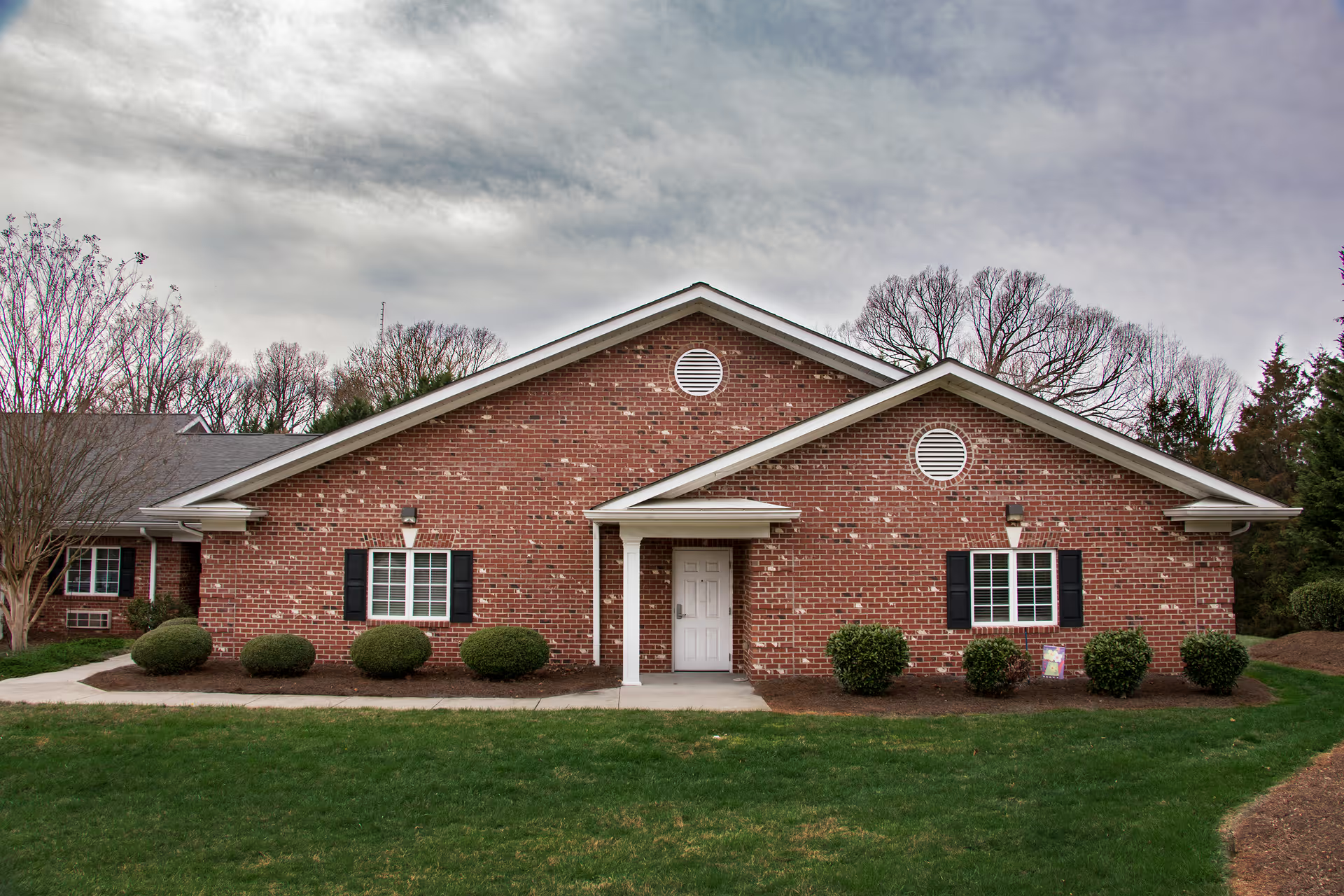
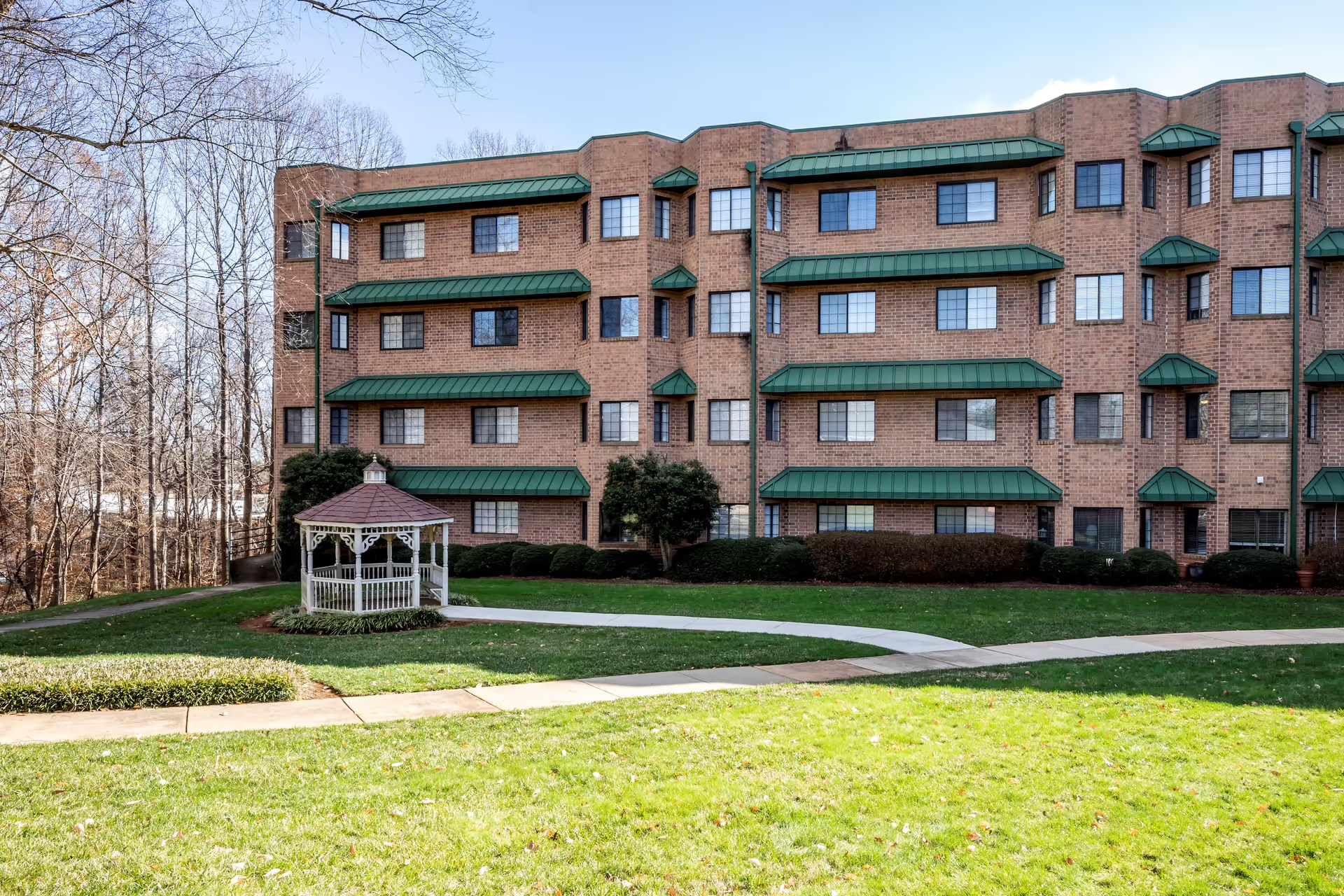
Facility condition and administrative practices show both positives and areas for improvement. The campus, grounds, and many common areas receive praise for cleanliness and an inviting decor, and some units are undergoing updates. Nevertheless, reviewers also note episodic maintenance issues (for example, leaks and uneven upkeep), odor concerns in certain communal spaces, and variable cleanliness of some bathrooms. Administrative concerns focus on billing transparency (unexpected assessment fees, unclear itemization, non-refundable community fees) and property-management controls (documents or belongings gone missing), which have led to frustration for families during and after move-in.
Notable patterns: the community produces strongly divergent individual experiences — several families recount excellent, family-like care and active programming, while others report operational weaknesses that materially affected care and communication. Prospective residents and families should consider on-site verification steps: confirm current staffing ratios and clinical coverage (including nurse/physician availability and after-hours protocols), review medication management and billing practices in writing, observe a mealtime and an activities period, inspect the unit intended for move-in, and ask about lost-item procedures and incident-reporting policies. These targeted questions can help clarify whether the facility's strengths align with a particular resident's clinical and social needs.