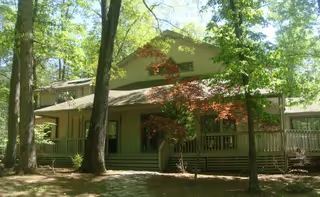
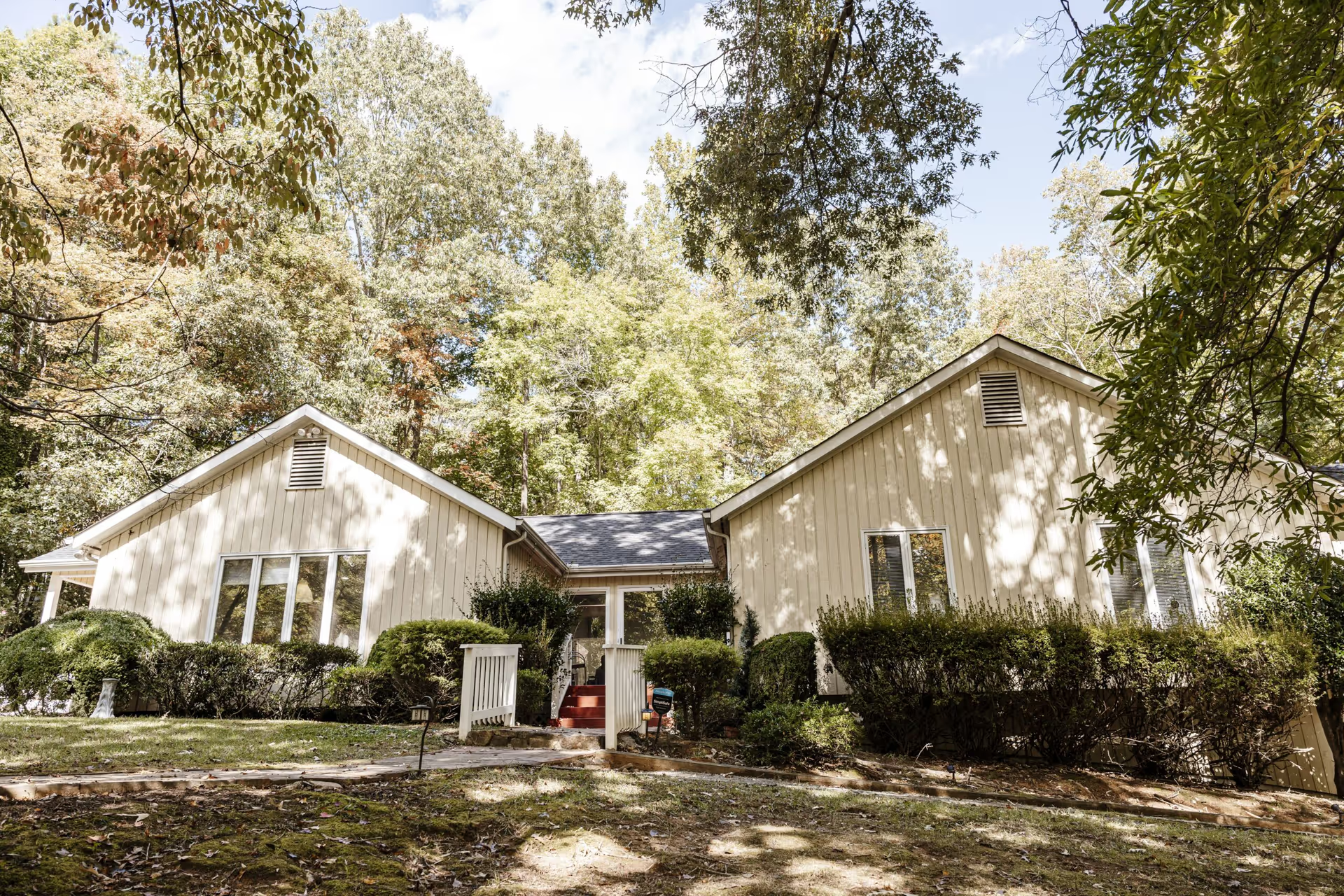
Adorable Senior Living presents as a small, residential-style assisted living with a consistently emphasized strength in personalized, hands-on care. Multiple families described attentive caregiving, close monitoring due to the low caregiver-to-resident ratio, and specific competence in dementia care. The community is frequently characterized as family-like and supportive, with owners and staff often engaged directly in residents’ day-to-day life.
Staff and management receive strong positive mention. Reviewers highlighted approachable ownership and proactive communication with families, including timely updates and guidance around transitions to palliative or hospice services. Individual staff members were noted for long tenure and respectful interactions with residents; descriptions emphasize warmth, compassion, and continuity of relationships between staff, residents, and families.
Programming and daily life appear active and social. The facility offers abundant activities, field trips, and opportunities for resident interaction, contributing to an engaged atmosphere. While reviewers did not frequently detail dining specifics, overall satisfaction with daily operations and organization was conveyed alongside praise for cleanliness and orderly routines.
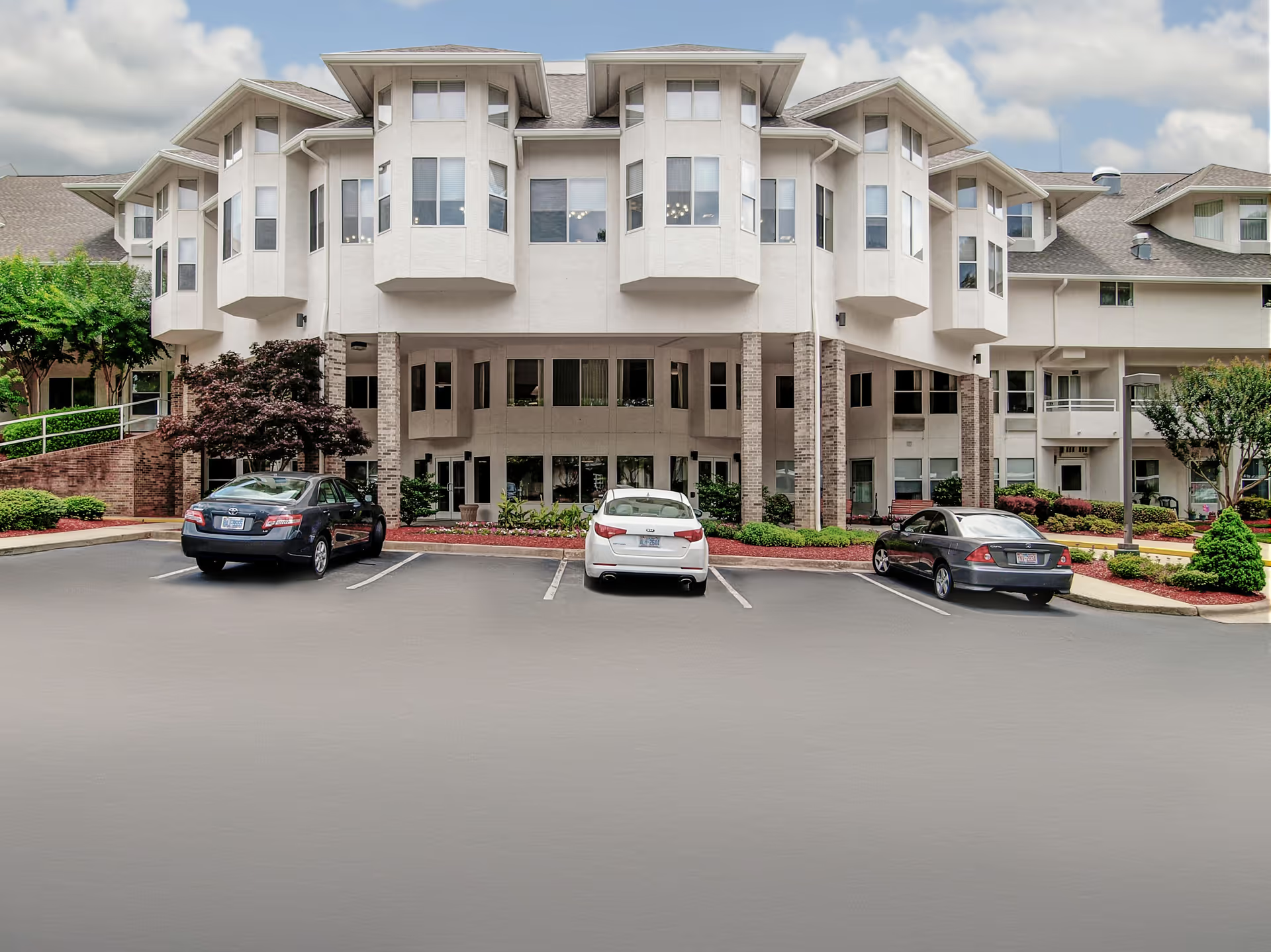
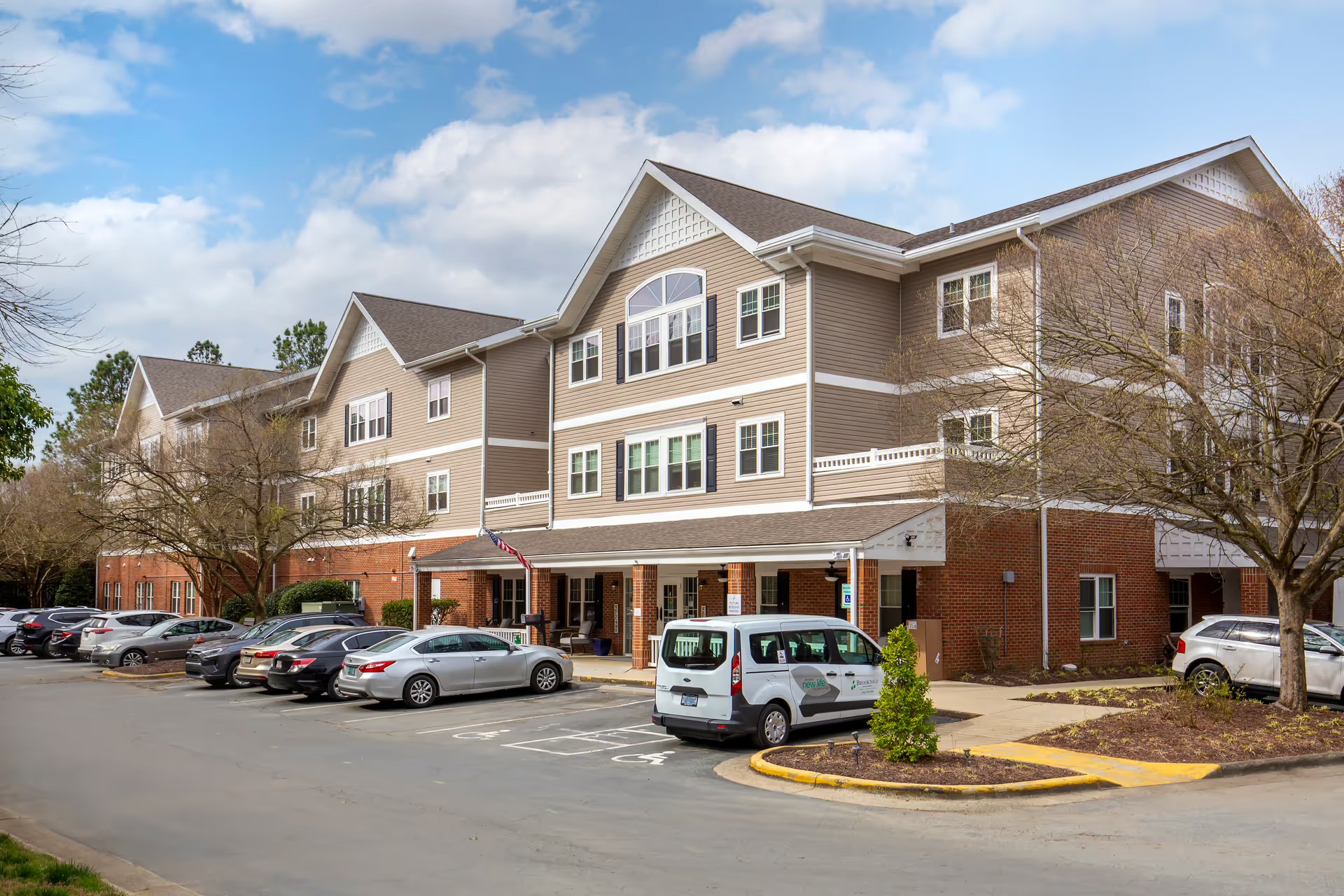
The primary trade-offs relate to the facility’s age, size, and setting. The building is older and has more dated finishes than newer communities, and the small scale means fewer on-site amenities compared with larger assisted-living campuses. Limited on-site parking and the historic neighborhood context were noted as practical or aesthetic constraints that may affect some families’ preferences. These characteristics can be positive for those seeking an intimate, home-like setting but may be limiting for people seeking modern finishes, extensive amenities, or broader campus services.
In summary, Adorable Senior Living is frequently recommended by families for its compassionate, dementia-capable care and engaged ownership. Prospective residents and families should weigh the advantages of close, personalized care and active programming against the facility’s older physical plant, smaller amenity set, and neighborhood-related access considerations when assessing fit.