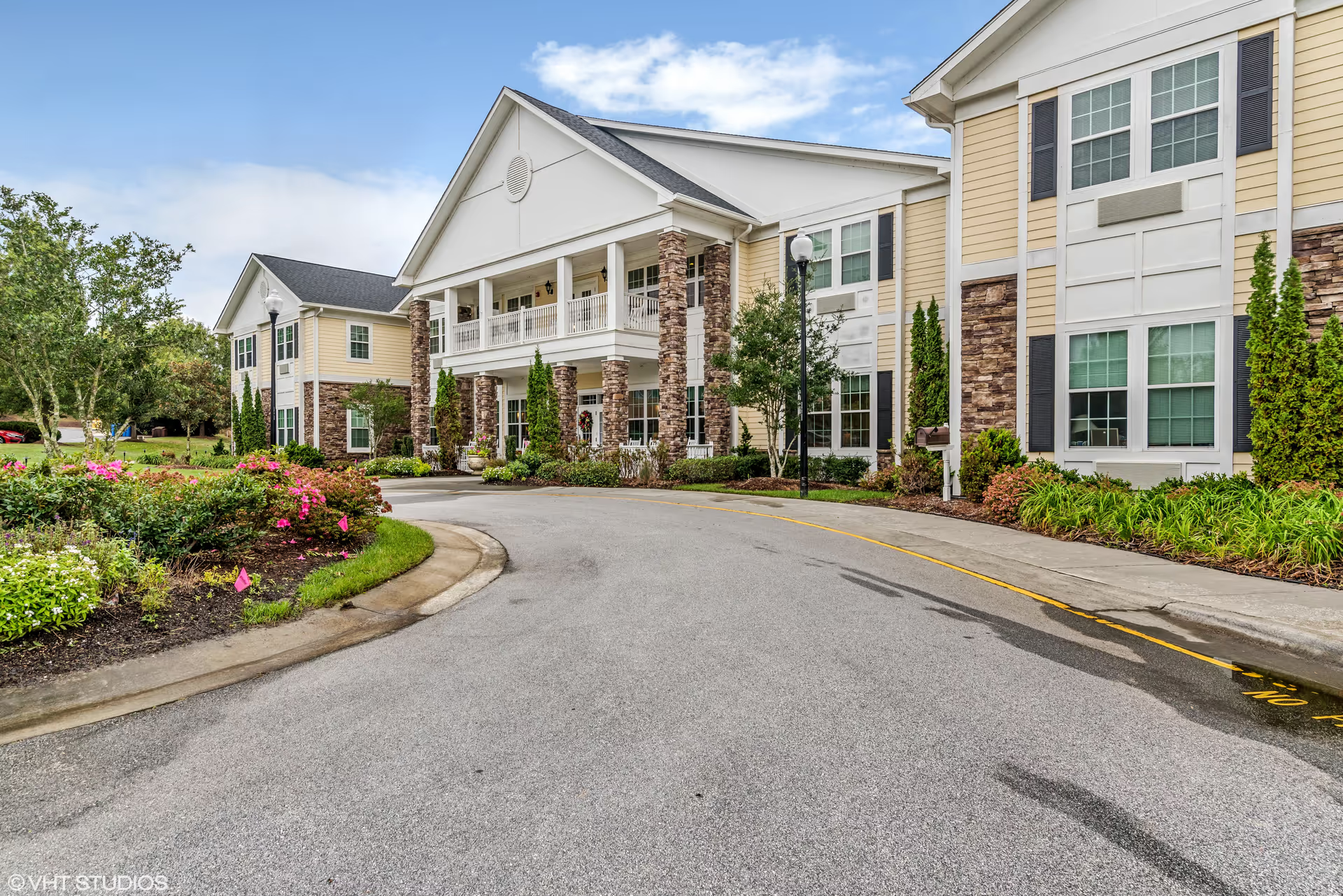
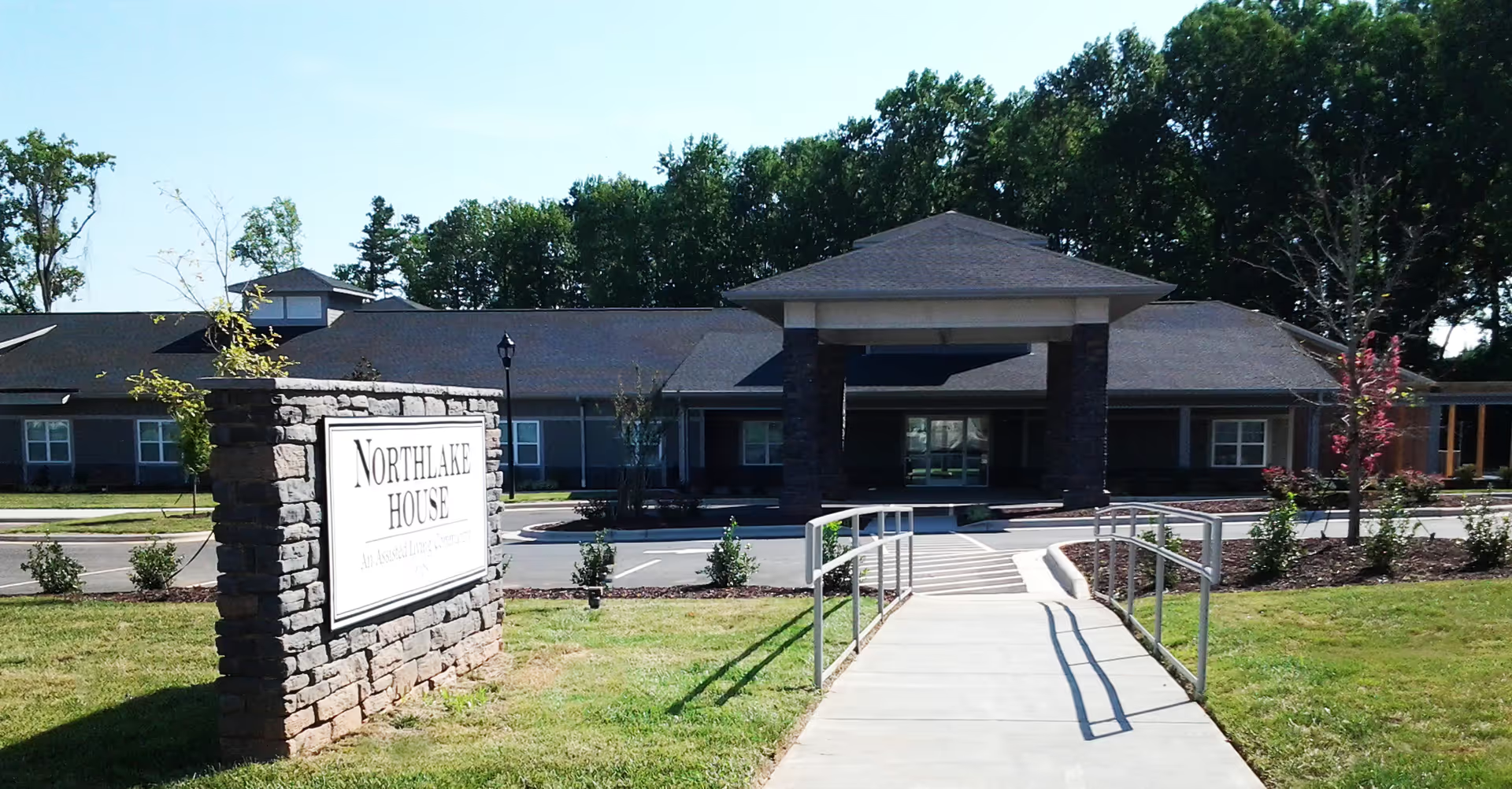
The reviews for Hunter Village present a mixed picture. Positive feedback highlights committed leadership and engaged ownership, a faith‑based care mission, and caregiving staff who are experienced and compassionate; several reviewers described residents as happy and well cared for. Infection‑control outcomes were also noted favorably in at least one review. At the same time, other reviewers raised operational concerns that point to inconsistent delivery of daily care.
Care quality is described unevenly. Some families and observers commend attentive, experienced staff and describe good resident well‑being. Conversely, others reported delays in staff responsiveness and limited staff–resident interaction; these comments align with broader concerns about incontinence care and timely attention to basic resident needs. Taken together, the pattern suggests pockets of reliable care alongside episodes of reduced responsiveness, rather than a single consistent level of clinical performance.
Staff behavior and supervision appear to be a primary source of variation. Positive accounts emphasize kind, supportive caregivers and helpful owners, while negative accounts describe staff conduct issues (for example, perceived rudeness and personal-device use) and limited engagement. These contrasting impressions point to inconsistent staff conduct and gaps in frontline supervision. Prospective families should inquire about staff training, turnover, and supervision practices when evaluating the community.
Facilities and housekeeping are another area of concern. Several reviewers cited odor and general cleanliness issues in resident or common areas, which were significant enough to affect their impressions. These comments suggest sanitation and environmental‑maintenance processes may be inconsistent across the building or between shifts. Prospective visitors should assess cleanliness during a visit, request housekeeping schedules, and ask how the facility addresses incontinence‑related needs and odour control.
Dining and activities received little direct commentary in the available summaries. The presence of generally satisfied residents could imply acceptable programming, but there is insufficient detail to reach a firm conclusion. When touring, request activity calendars, sample menus, and opportunities to observe or participate in a program or meal.
Notable patterns are the polarization of experiences and variability across time or staff groups: strong leadership and compassionate caregivers are reported alongside complaints about supervision, responsiveness, and environmental upkeep. Practical next steps for families would be an unannounced visit, conversations with current resident families, review of staffing ratios and schedules, examination of infection‑control policies, and clarification of how the facility addresses sanitation and incontinence‑care needs. These steps can help determine whether the positive aspects are consistent and whether the operational concerns have been or are being addressed.