The reviews collectively describe substantial operational concerns across clinical care, staffing, facility condition, dining, and administration. The most acute clinical themes are gaps in medication management (including administration controls for allergies), inconsistent monitoring of chronic conditions such as diabetes, and delays in escalating emergencies. Several accounts cite delayed ambulance response and failures to notify families in a timely manner; there are also reports that prompted allegations and community attention following a resident's death. These items point to deficiencies in clinical protocols, incident documentation, and family communication processes that a prospective resident or family should evaluate directly.
Staffing and workforce issues are prominent. Reviews describe persistent understaffing, long shift patterns, low wages, and direct-care aides who lack full certification or adequate training. Reviewers also note that staff appear to be working under resource constraints and that some caregivers attempt to provide support despite limited time and supplies. This combination of staffing shortages and under-resourcing is linked in the accounts to missed or delayed basic care tasks, inconsistent personal-care schedules, and reduced supervision capacity.
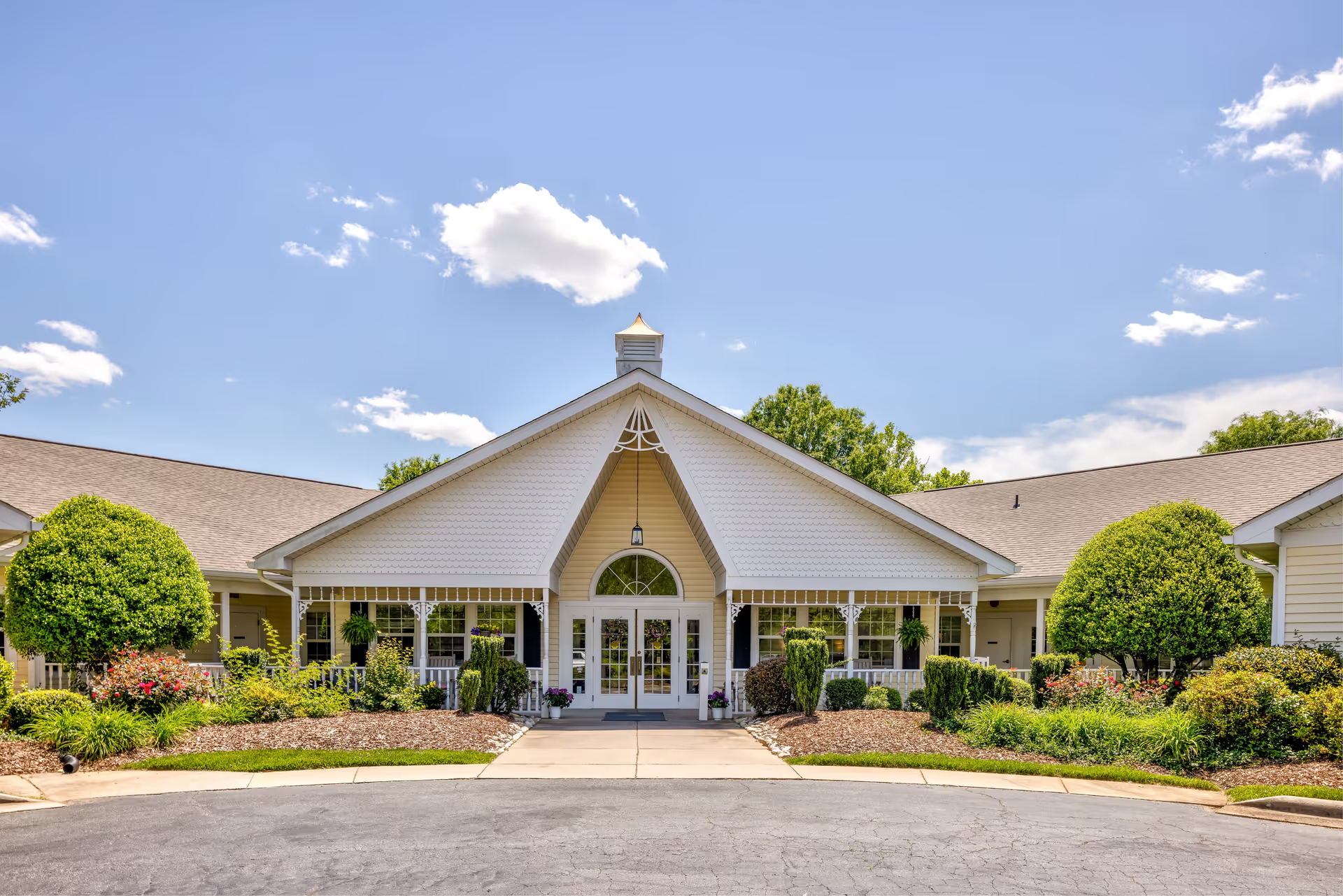
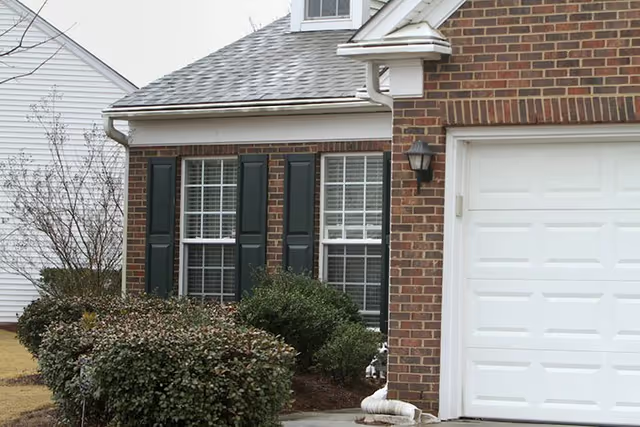
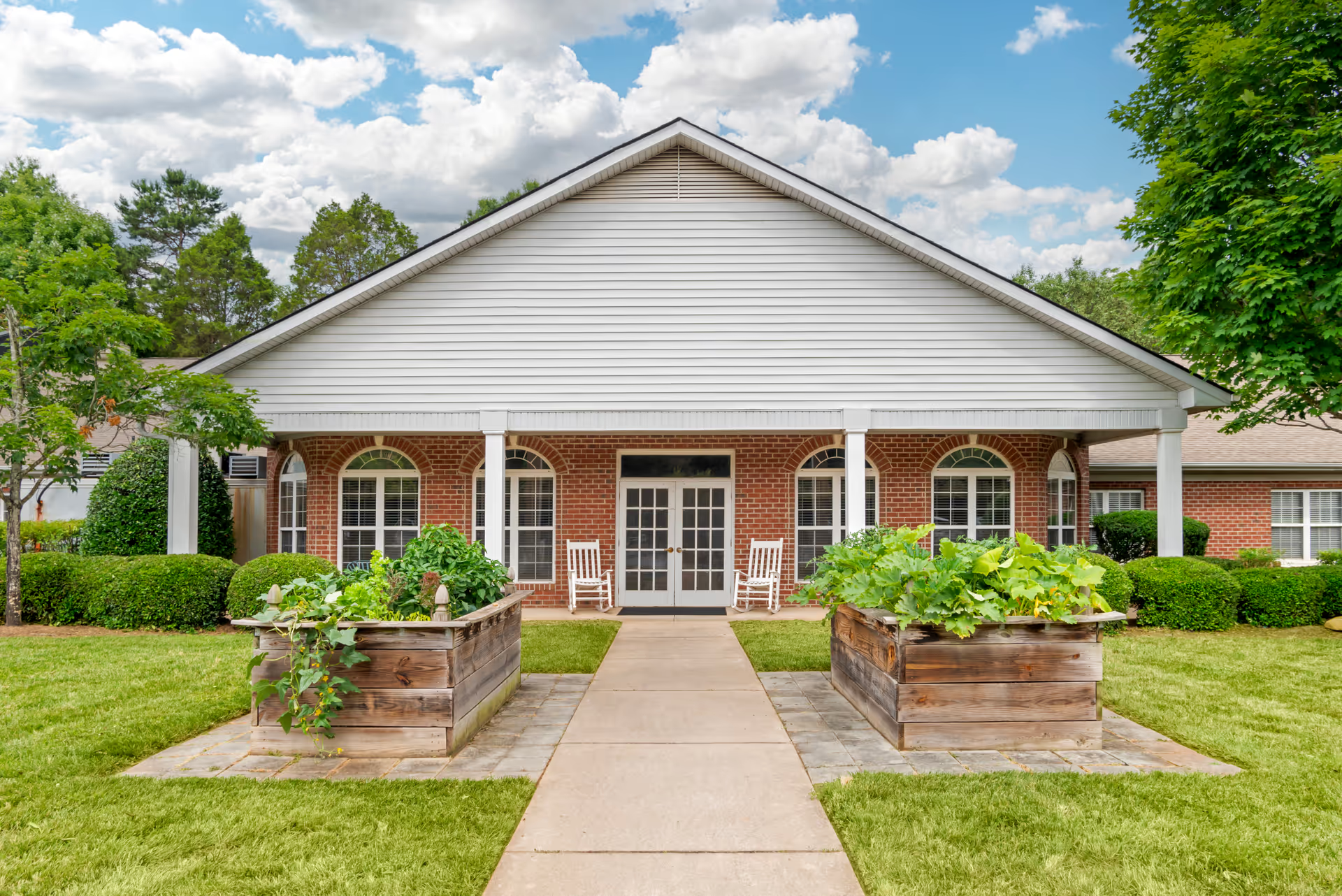
Facility condition and environmental concerns are repeatedly noted. Descriptions emphasize deferred maintenance, aging rooms and bathrooms, mold or moisture-related problems, ill-fitting bedding, overcrowded rooms in places, and general sanitation and upkeep deficiencies. Relatedly, reviewers report inadequate availability of basic supplies and equipment, which they connect to compromised daily care and cleanliness practices. These observations suggest a need to verify the facility’s maintenance plan, infection-prevention measures, and housekeeping routines.
Dining and activity programming receive limited positive comment. Several reviewers describe low-quality meals and inconsistent meal service; there is little consistent feedback indicating a robust activities program. Prospective families should ask for current menus, meal schedules, and activity calendars when evaluating the community to determine whether offerings match resident needs and preferences.
Management and oversight emerge as recurring concerns. Reviewers describe weak administrative responsiveness, poor communication with families, and perceived lack of managerial follow-through when problems are raised. Safety-protocol gaps are also reported, including at least one instance of a resident leaving unsupervised on admission, which indicates potential weaknesses in elopement-prevention and supervision policies. Finally, there are allegations of regulatory noncompliance and legal concerns tied to specific incidents; these claims warrant checking state inspection reports, licensing status, and any formal complaints or enforcement actions.
Overall, while some accounts acknowledge that staff attempt to provide care under difficult circumstances, the pattern of clinical, staffing, environmental, and managerial issues described suggests systemic operational weaknesses. Families considering this facility should request recent licensure and inspection records, staffing ratios and training documentation, written clinical protocols (medication administration, monitoring, emergency escalation), and evidence of corrective-action plans for maintenance and sanitation. An in-person tour with specific questions about the items above and conversations with current family members or ombudsman resources would help validate whether the community has addressed these concerns.