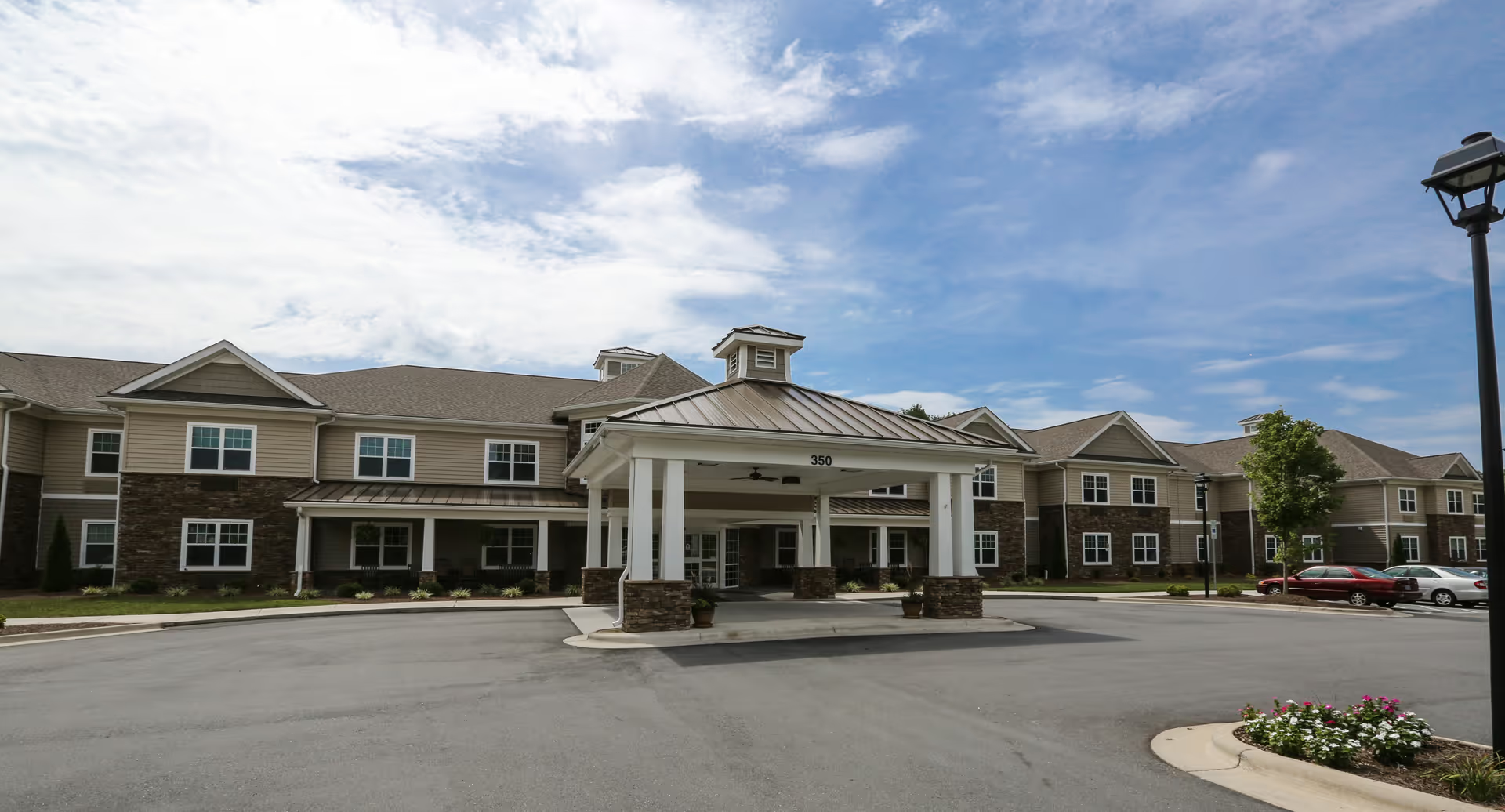
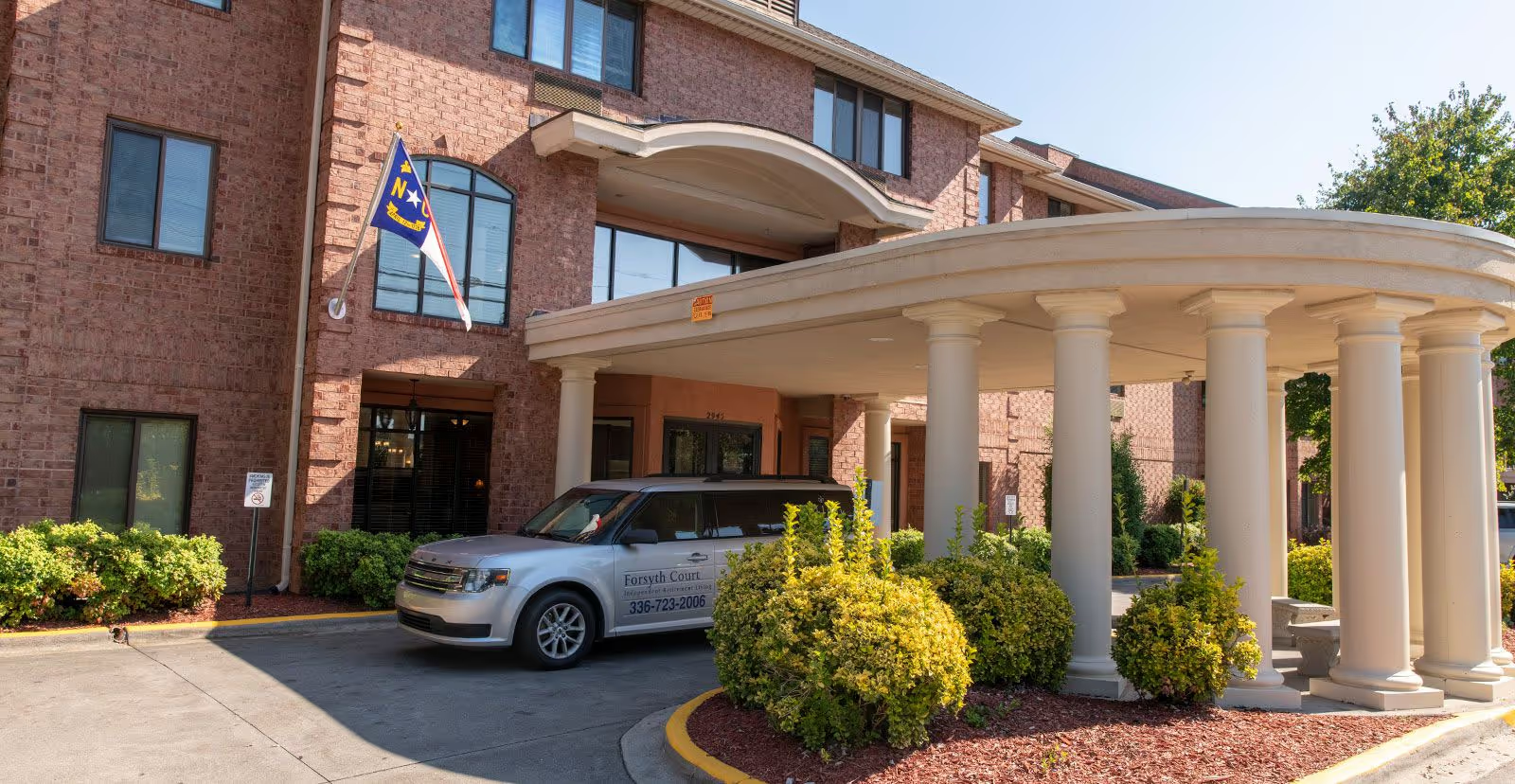
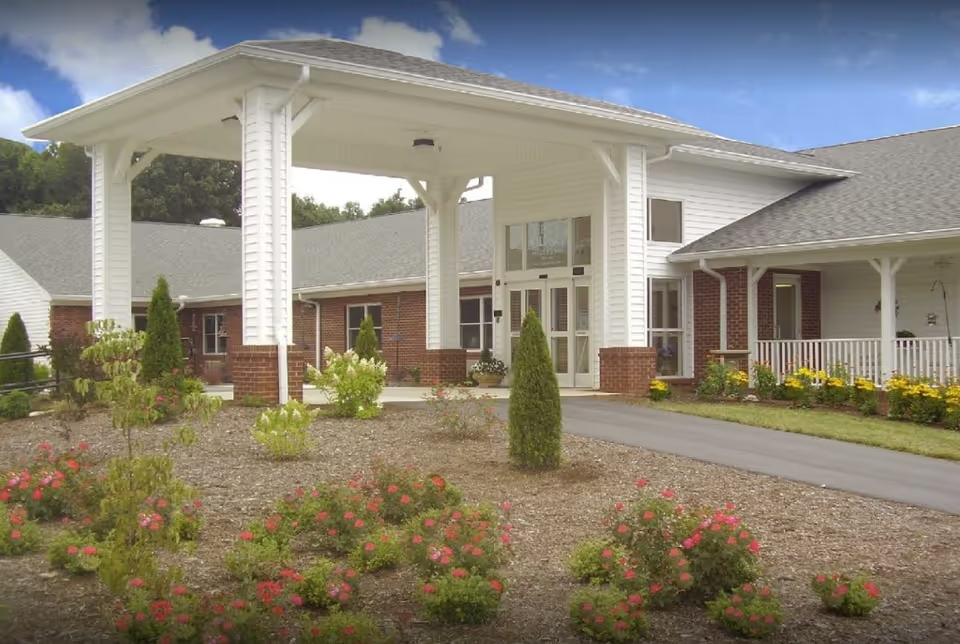
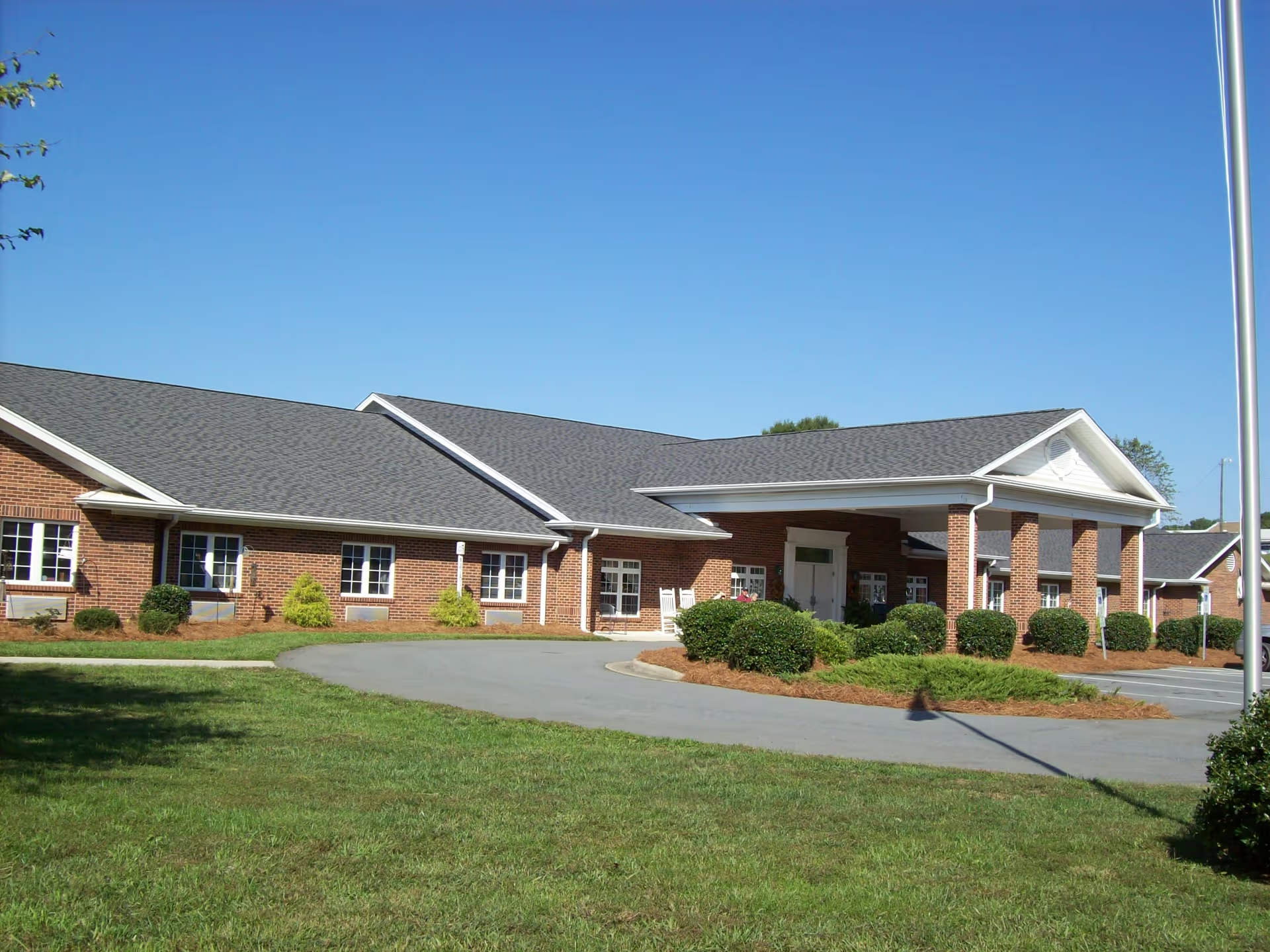
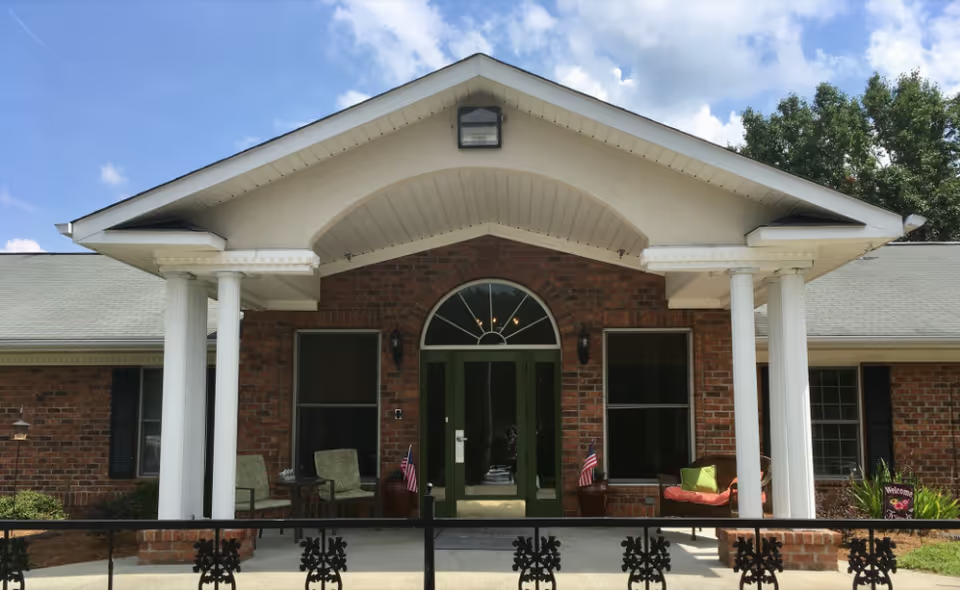
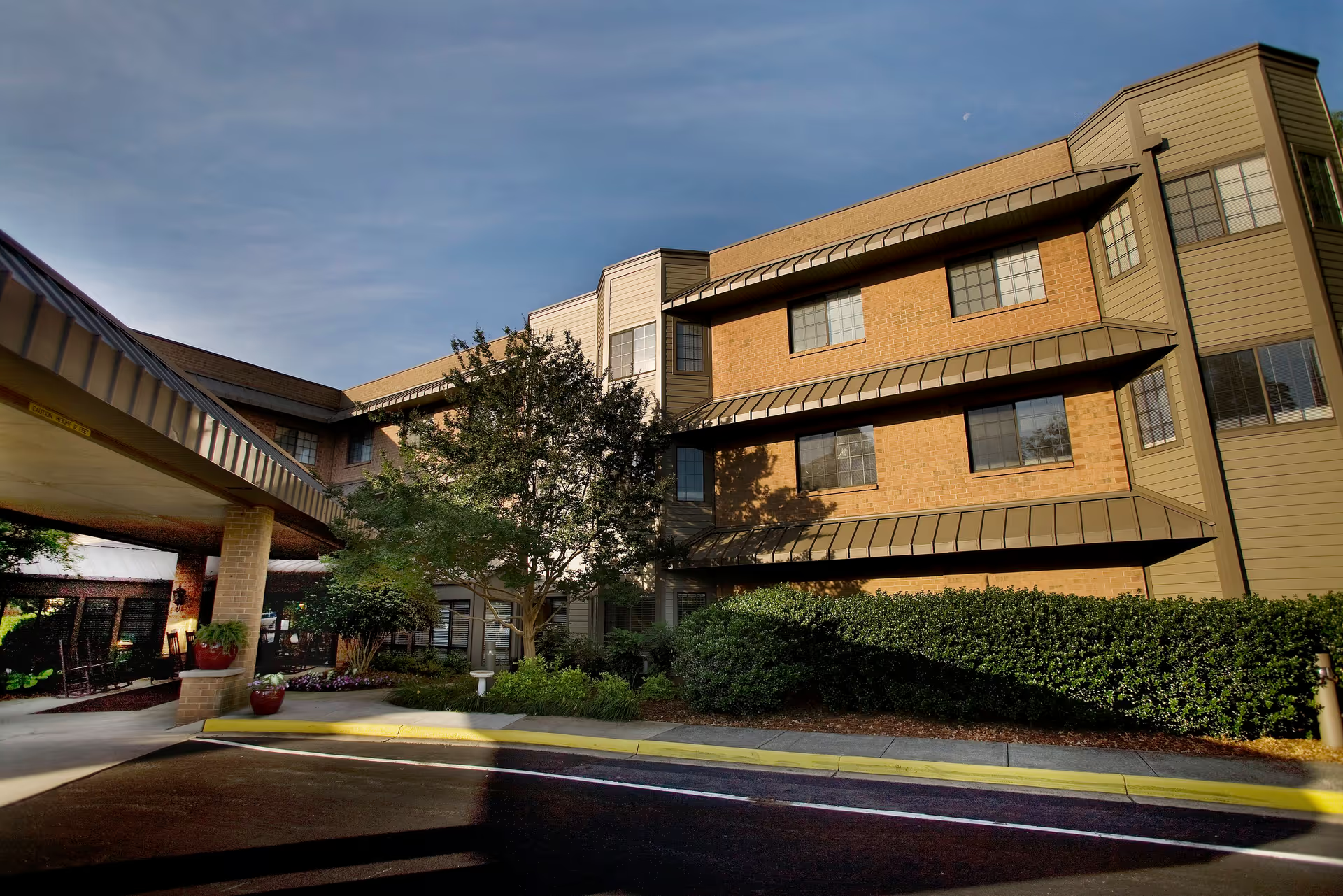
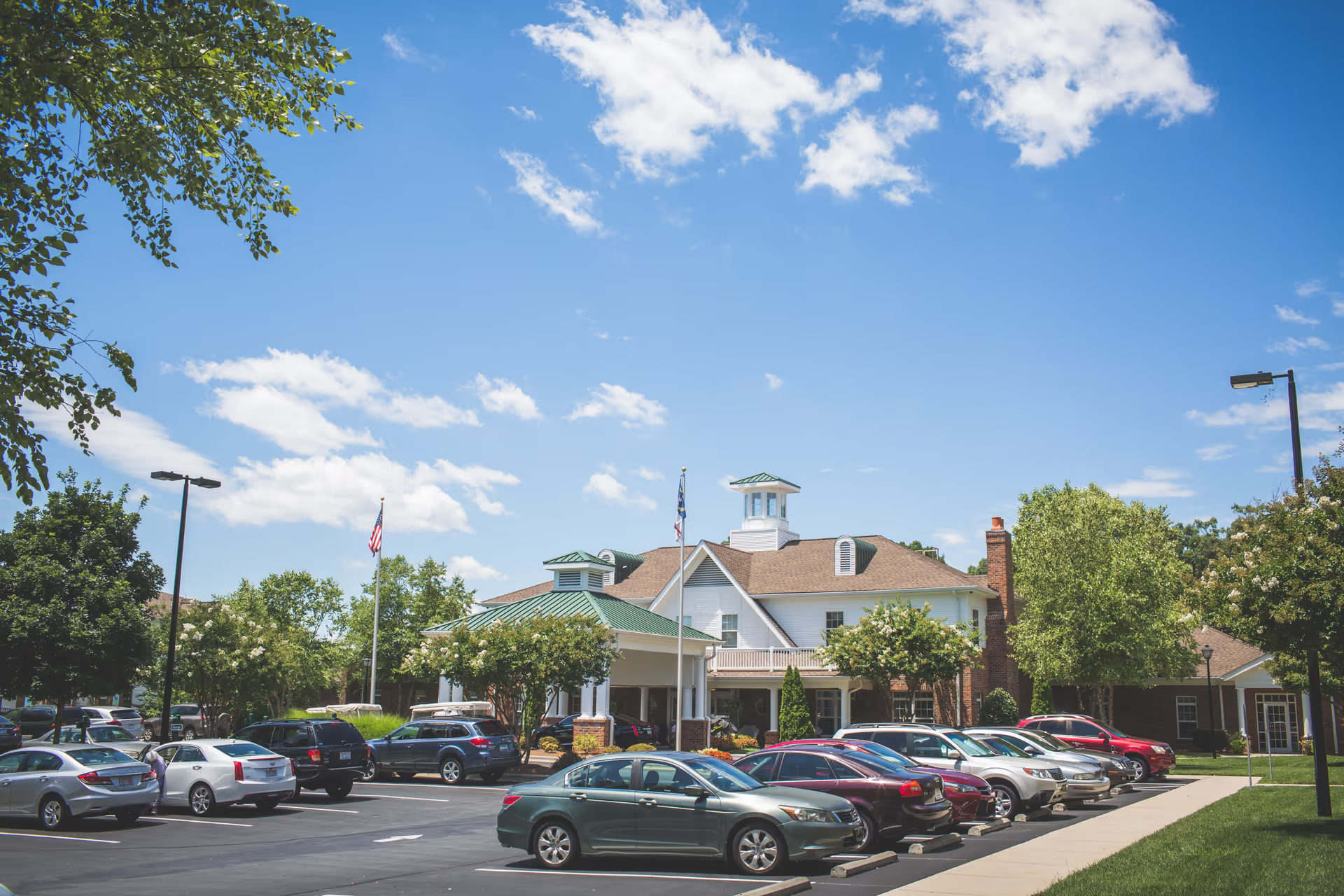
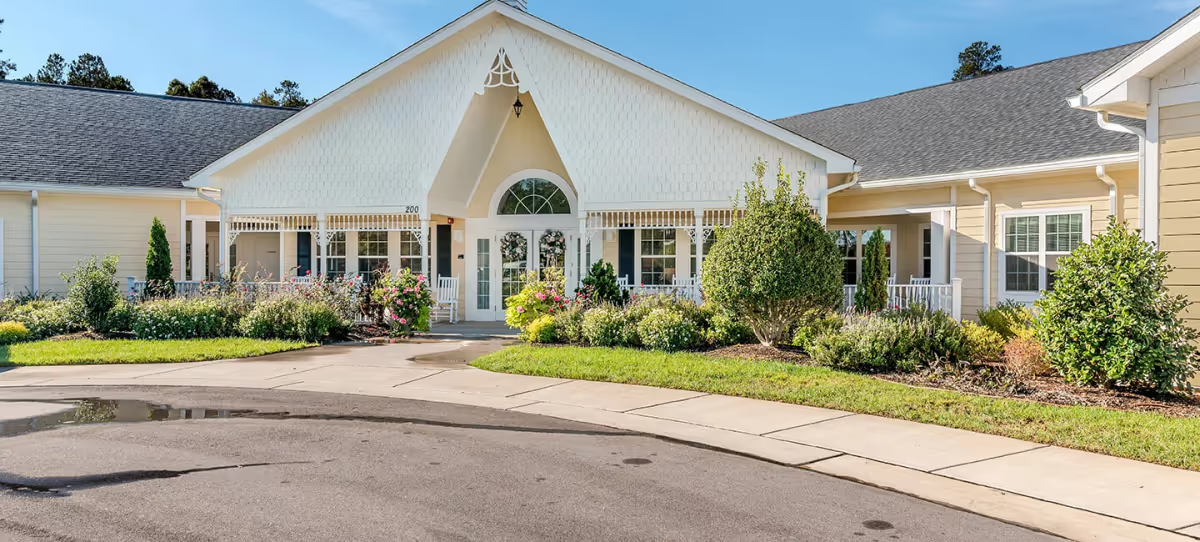
Overall impression: Reviews portray Priddy Manor as a well-kept, home-like assisted living and memory-care community with a strong emphasis on personalized attention and an active social program. Families and visitors consistently note a welcoming entry experience, pleasant public areas, and tidy, odor-free interiors. Grounds and onsite amenities such as a courtyard, beauty salon, game room and transportation options are frequently mentioned as strengths that support resident quality of life.
Care and staff: The dominant theme across feedback is positive interpersonal care. Staff are described as compassionate, patient, and responsive; nursing and caregiving staff are available around the clock and are credited with building routines, knowing residents by name, and delivering day-to-day assistance reliably. Several accounts indicate that staff continuity and a family-oriented culture contribute to residents’ improved mood and functioning. At the same time, a pattern of concerns appears specific to the memory-care unit: families have raised issues about staff ability to manage dementia-related behaviors, redirecting techniques for sundowning, and adherence to medication protocols. These comments suggest variability in clinical skills and behavioral approaches between units or shifts, and prospective families should verify dementia-care competencies during a tour.
Dining and nutrition: Dining receives generally favorable comments for presentation, variety, and perceived dietitian oversight; many reviewers described good hot meals and attentive kitchen staff. A minority of reviewers noted inconsistent meal quality or that portion sizes could be large for some residents. Overall, food service is viewed as an active part of community life, but there is some variability in individual satisfaction.
Activities and programming: The activity calendar is a clear strength. Reviewers point to a robust schedule that includes arts and crafts, bingo, exercise classes, concerts, church services, guest performers, and frequent outings via community transportation. The activity director is described as busy and engaged; these offerings contribute to socialization and spiritual support. A few families asked for more or different physical-activity options, indicating an opportunity to expand or diversify movement-focused programming.
Facilities and accommodations: The physical plant and grounds receive high marks for cleanliness and upkeep. Apartments and common areas are characterized as neat, modern, and well-decorated. Memory-care rooms are noted to be smaller and often semiprivate, whereas assisted-living units tend to be larger; private-room availability appears limited. Cost is presented as higher for memory care compared with other regional options, which may factor into placement decisions.
Management and communication: Many reviewers praise professional, courteous admissions and administrative staff and describe responsive management when questions arise. However, some families felt that clinical concerns—particularly around memory-care behavioral management and medication handling—were not always resolved to their satisfaction. This mixed feedback suggests generally effective operations with isolated gaps in clinical communication and dementia-specific care processes.
Patterns and practical considerations: Priddy Manor tends to perform strongly on staffing culture, cleanliness, activities, and amenities, making it attractive for families seeking an engaged, faith-friendly, home-like environment. Areas for closer inquiry during a visit include memory-care clinical protocols (behavioral strategies and medication administration), room configuration and availability (private versus semiprivate), and detailed information about costs for memory-care services. Asking for documentation of dementia-care training, medication-administration policies, and recent staffing patterns will help families evaluate fit for residents with higher clinical or behavioral needs.