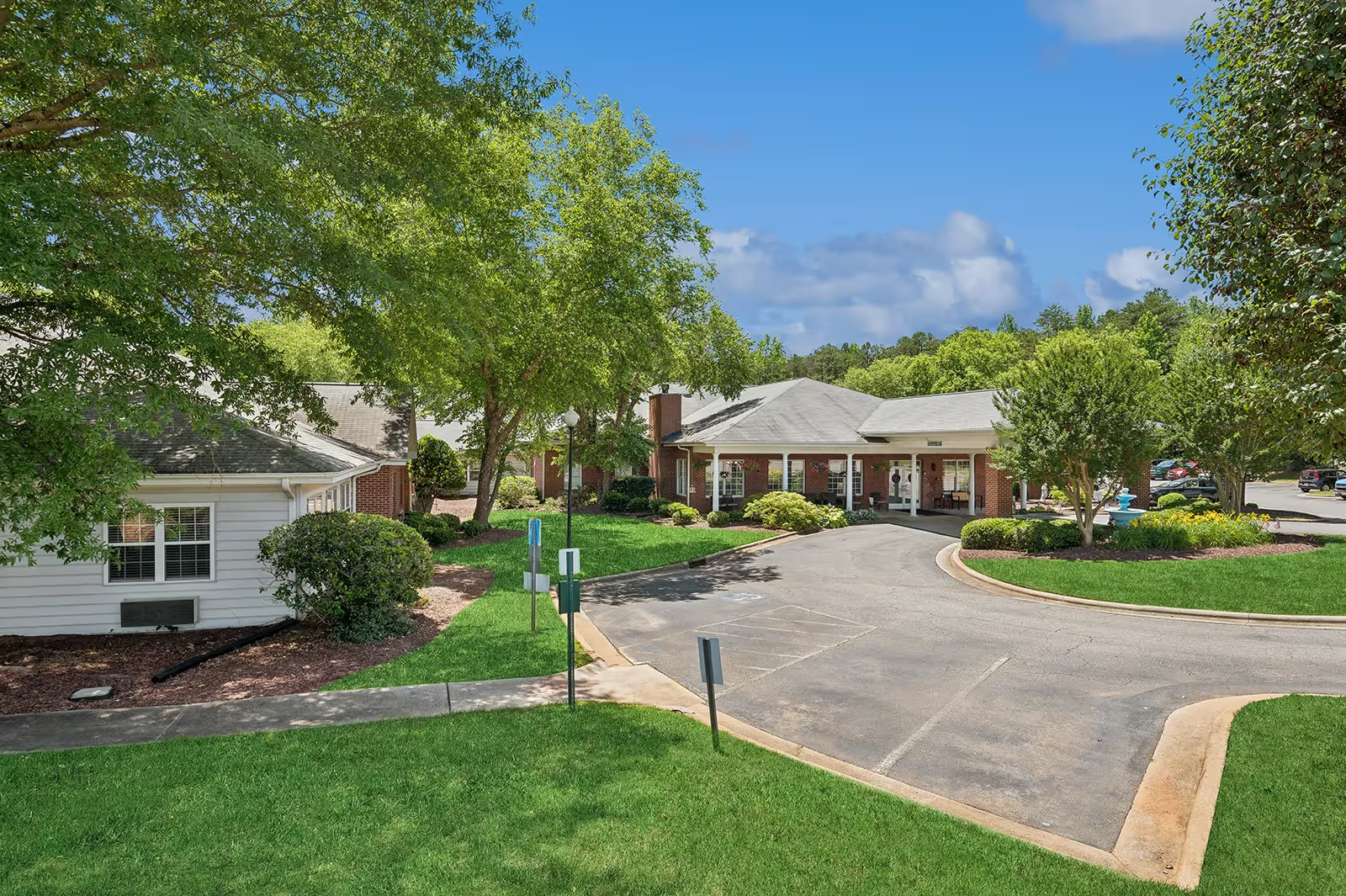
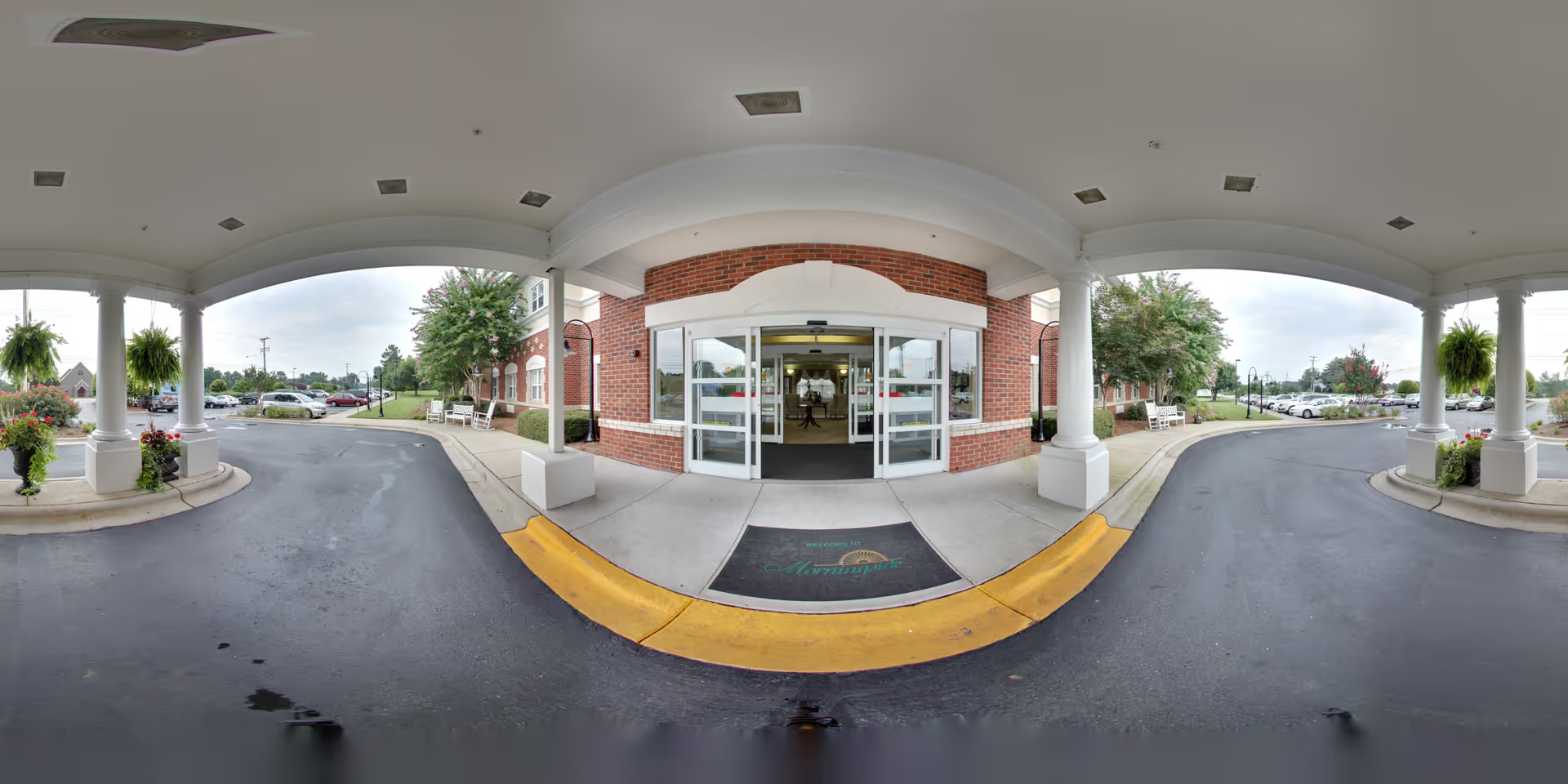
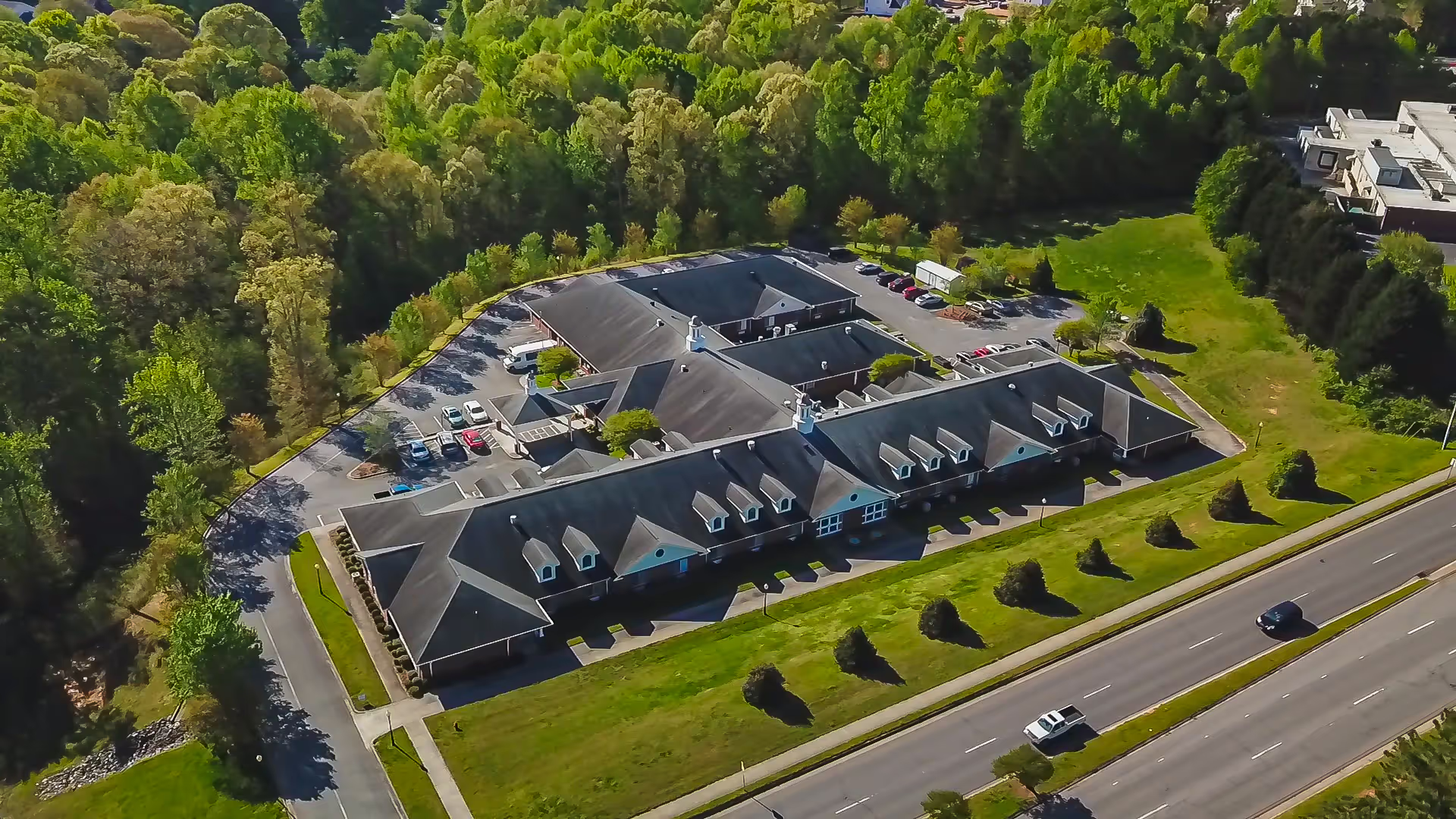
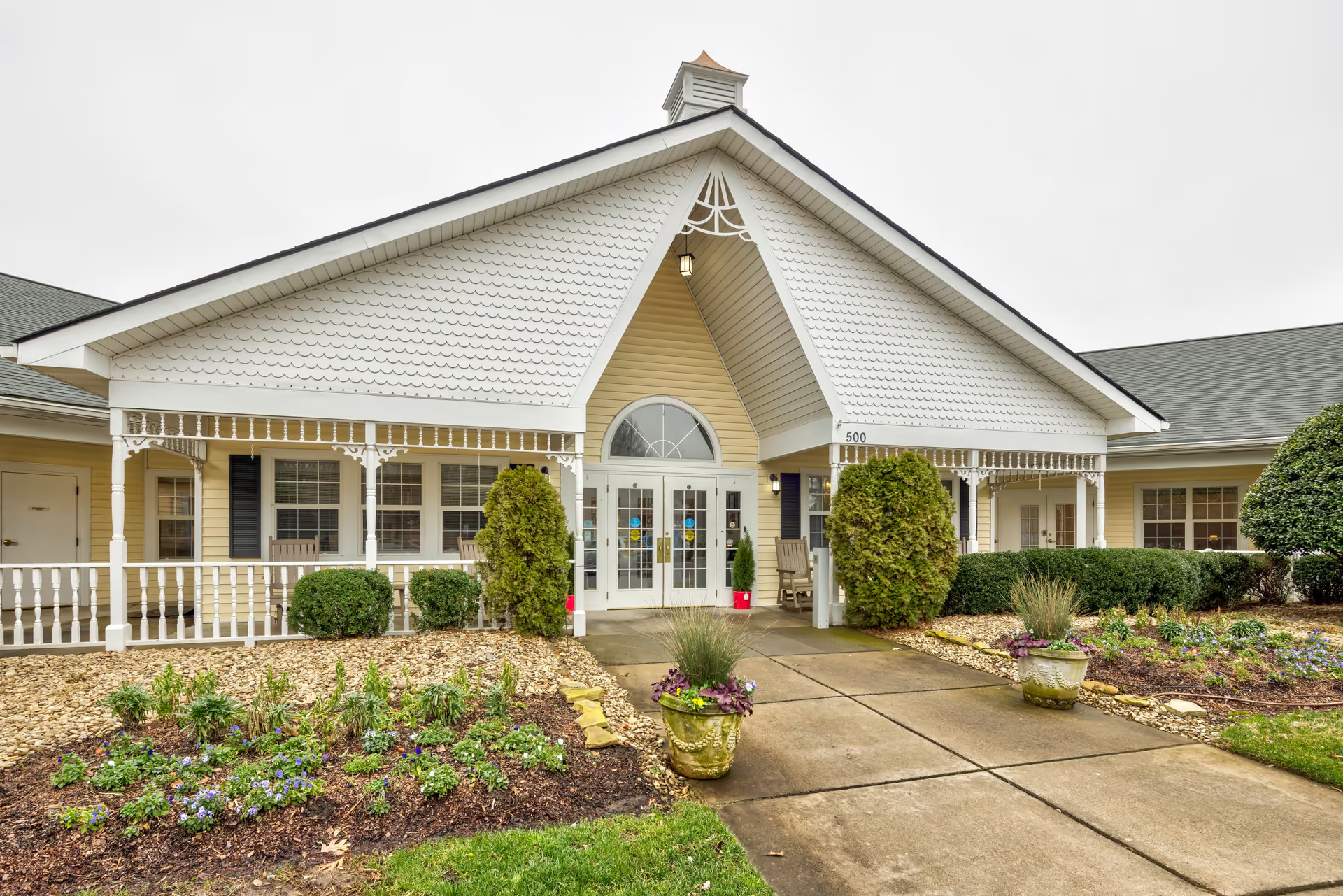
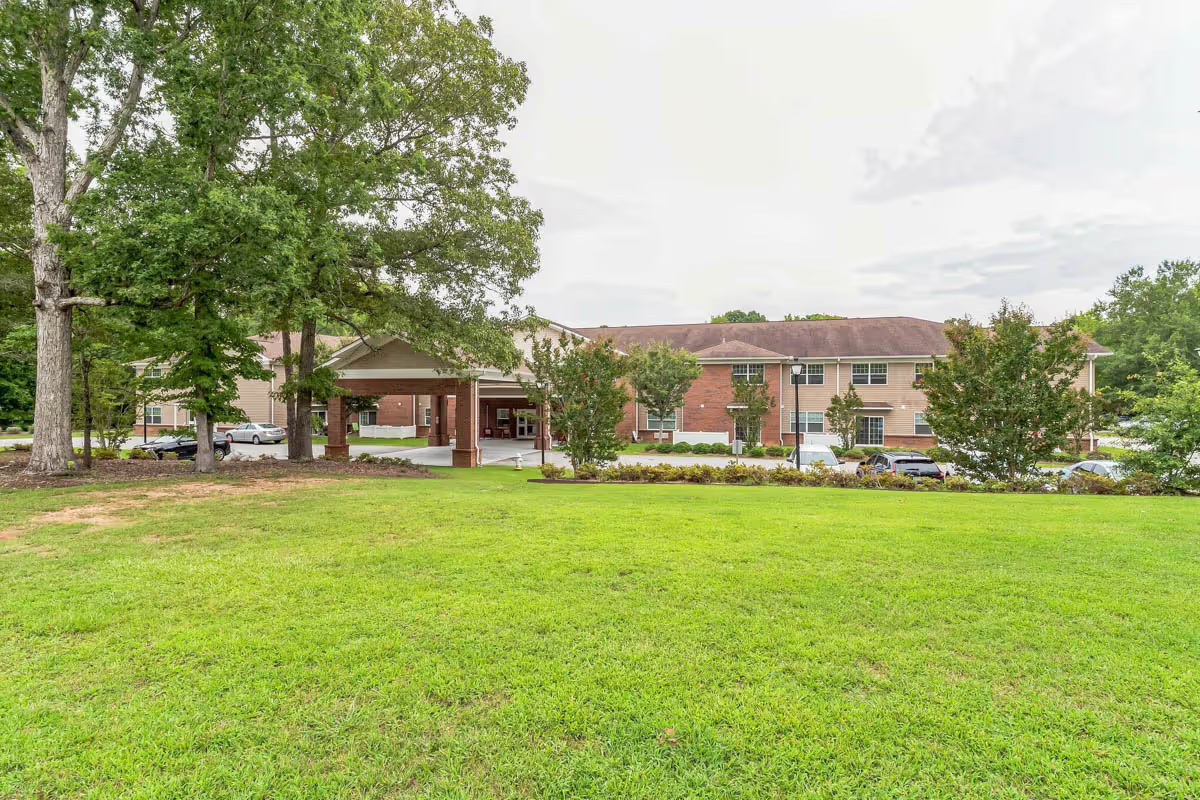
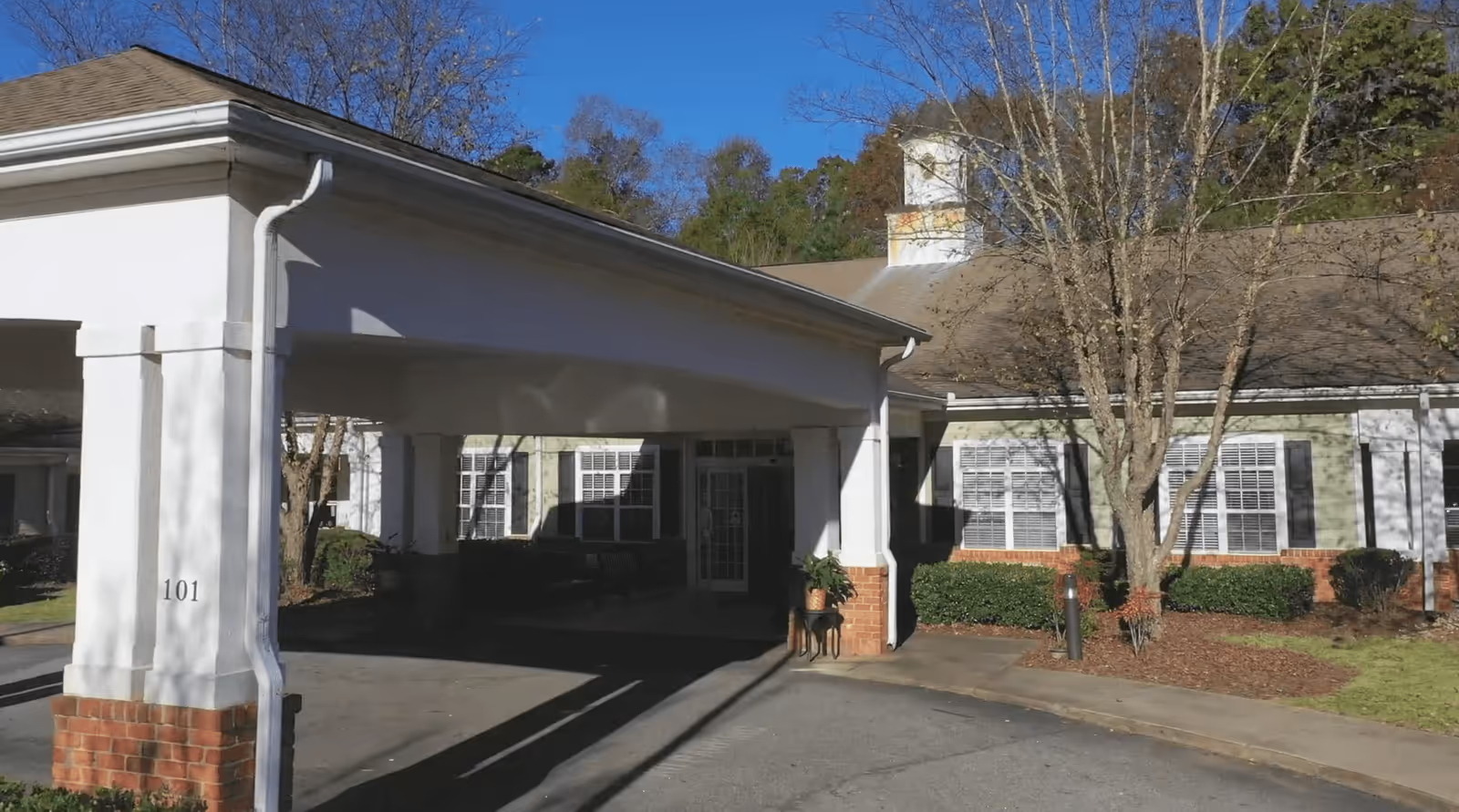
Reviews present a mixed picture of White Oak Manor Kings Mountain, with repeated praise for front-line caregivers and therapeutic services alongside recurring operational concerns. Many families highlight compassionate CNAs, nurses, social workers, and therapy teams; several accounts describe improvement in resident function with on-site rehabilitation and positive day-to-day interactions. The facility is frequently described as clean and updated, with larger rooms, comfortable beds, and an inviting atmosphere that includes social programming and a resident cat that contributes to a homelike environment. Dining and nutrition are often cited positively when meals and therapy-supported nourishment are delivered as expected.
At the same time, reviewers point to patterns that may affect consistent care delivery. Staffing instability and workload pressure are recurring themes; reviewers link these staffing constraints to variable responsiveness, delays in addressing personal-care needs, and inconsistent supervision during higher-risk times. Communication with families is uneven: some administrators and nurses are praised for clear updates, while other families report delayed notifications, difficulty obtaining information, and interruptions in responsiveness. Laundry and personal-item management also emerge repeatedly as an operational weakness, with losses and reimbursement issues noted.
Clinical process concerns appear in several areas. Families describe inconsistent assistance with feeding and fluid monitoring and instances suggesting gaps in pressure-area and mobility oversight, indicating a need for stronger transfer-safety and monitoring protocols. Medication management and documentation are raised as areas for closer review, and there are accounts indicating late involvement of palliative or hospice services in some cases. Infection-control enforcement and the facility's communication after infection-related events (including COVID-19 cases) are additional patterns of concern that many families cited.
Unit-level variation is evident. The memory-care unit is described by some as restrictive and staffed by personnel who appear overextended, suggesting uneven training and unit culture. Conversely, other units receive positive remarks for engagement and supervision. Transport safety (vehicle operation and driver behavior) and financial interactions with families (perceived requests for additional funds) are more isolated but serious operational concerns that prospective families should query directly.
Overall, White Oak Manor Kings Mountain demonstrates strengths in direct caregiving, therapy services, facility condition, and social programming. However, persistent themes around staffing levels, family communication, personal-item handling, safety practices, medication oversight, and infection-control procedures suggest areas for operational improvement. Prospective residents and families would benefit from on-site evaluation focused on current staffing ratios, laundry and valuables policies, medication-management protocols, infection-control procedures, dementia-care approach, transfer-safety training, and transport policies before admission.