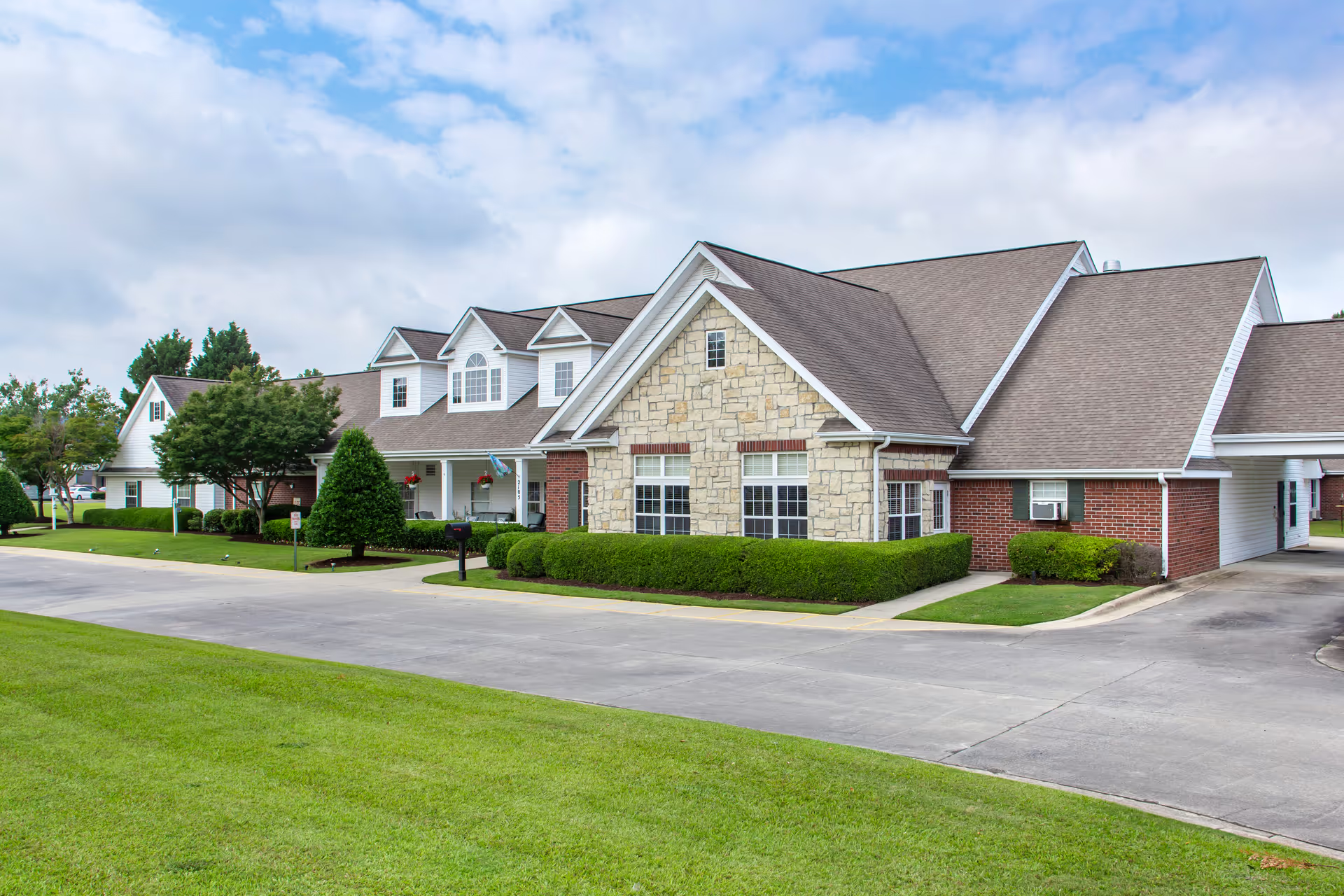
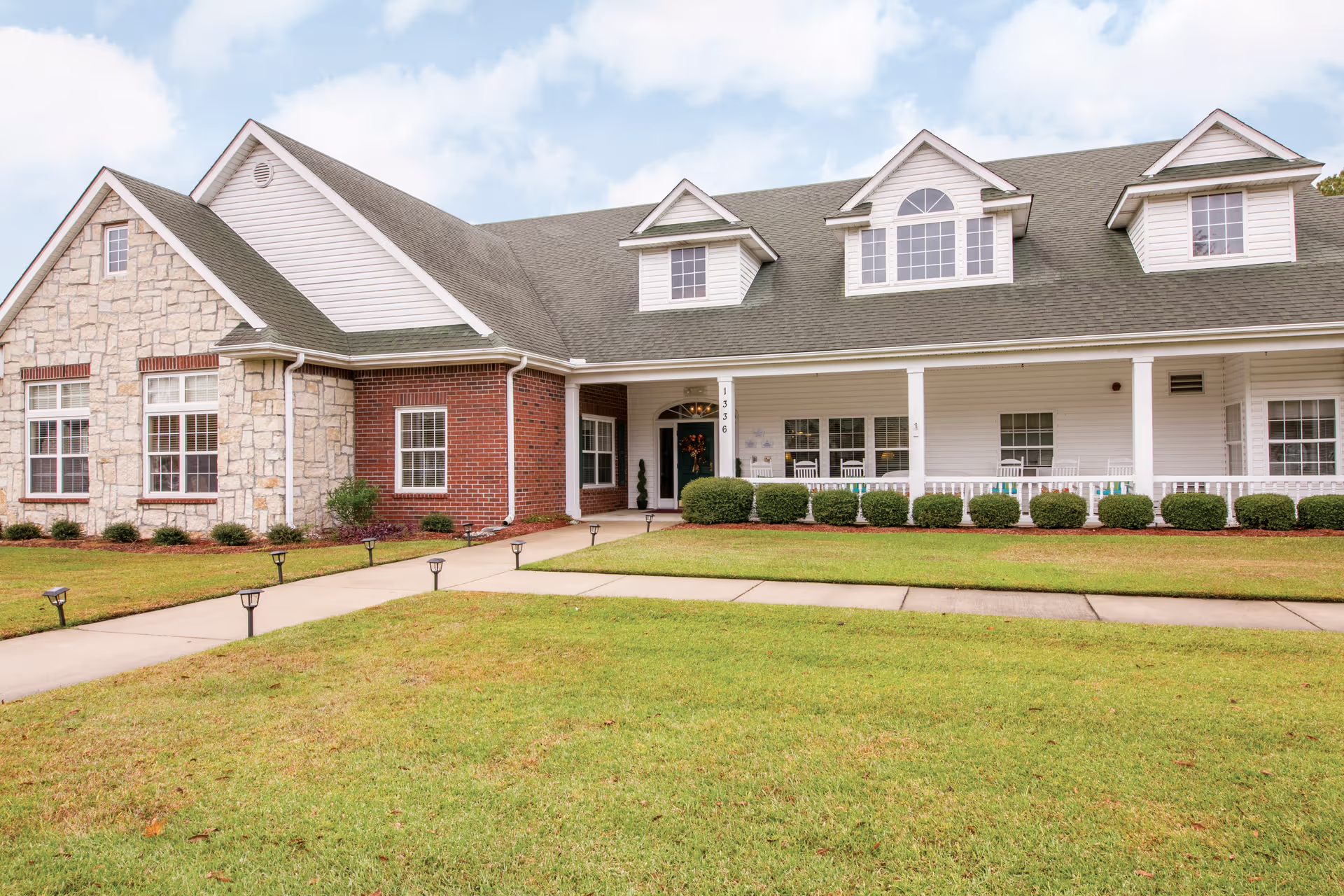
Signature HealthCARE of Kinston elicits a mixed but clearly patterned set of experiences. Positive accounts emphasize individualized rehabilitation outcomes, warm caregiver relationships, and active recreational programming. Several families highlight effective physical and occupational therapy that led to measurable mobility gains, along with hospice coordination and staff who engaged residents in celebrations and social activities. Leadership and admissions staff receive praise in some reports for being welcoming and communicative.
Care quality appears uneven. Strengths center on rehabilitation and dedicated caregivers who form close bonds with residents; these staff are credited with fostering progress and emotional support. Conversely, reviews indicate operational weaknesses that affect basic care delivery: inconsistent staffing levels (notably on overnight shifts), delays in responding to resident calls, and gaps in assistance for toileting and bathing. There are also specific concerns about medication administration controls and the clarity of discharge planning, which in several cases required family intervention to manage transitions.
Dining and activities show a similar split. The activities program, including an identified Activities Director, and available therapy and social spaces are consistently noted as beneficial to resident engagement and morale. Food service assessments vary widely: some describe satisfying meals and good hospitality, while others cite limited fresh choices and service lapses. Families and residents would be wise to sample menus and ask about meal routines.
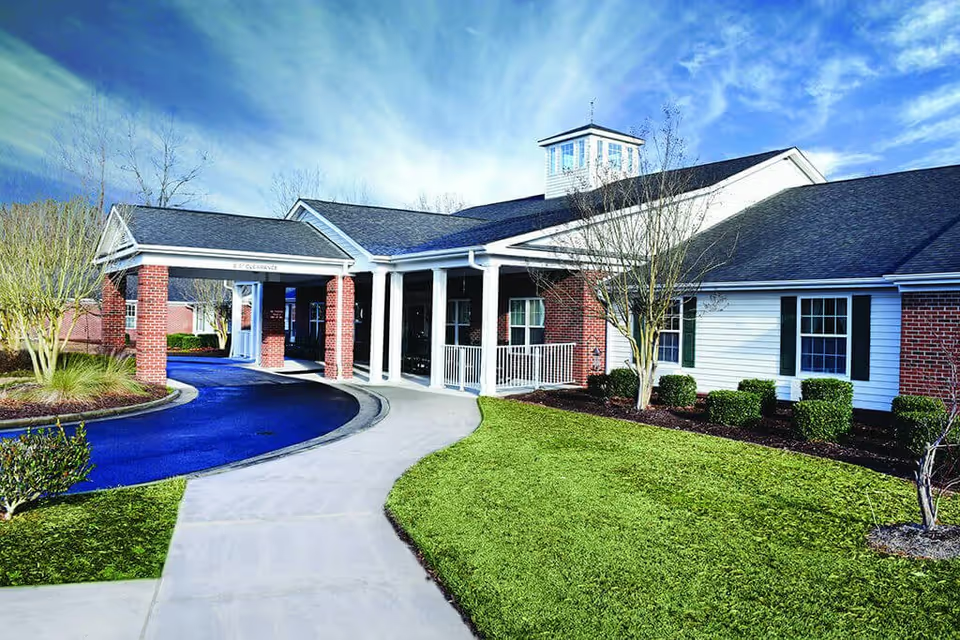
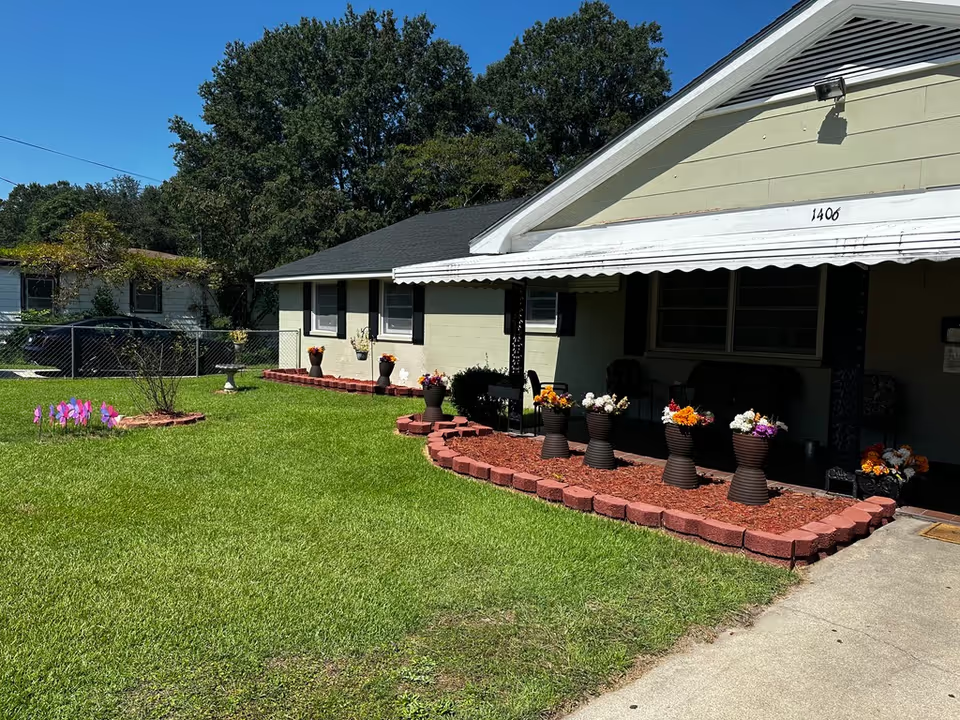
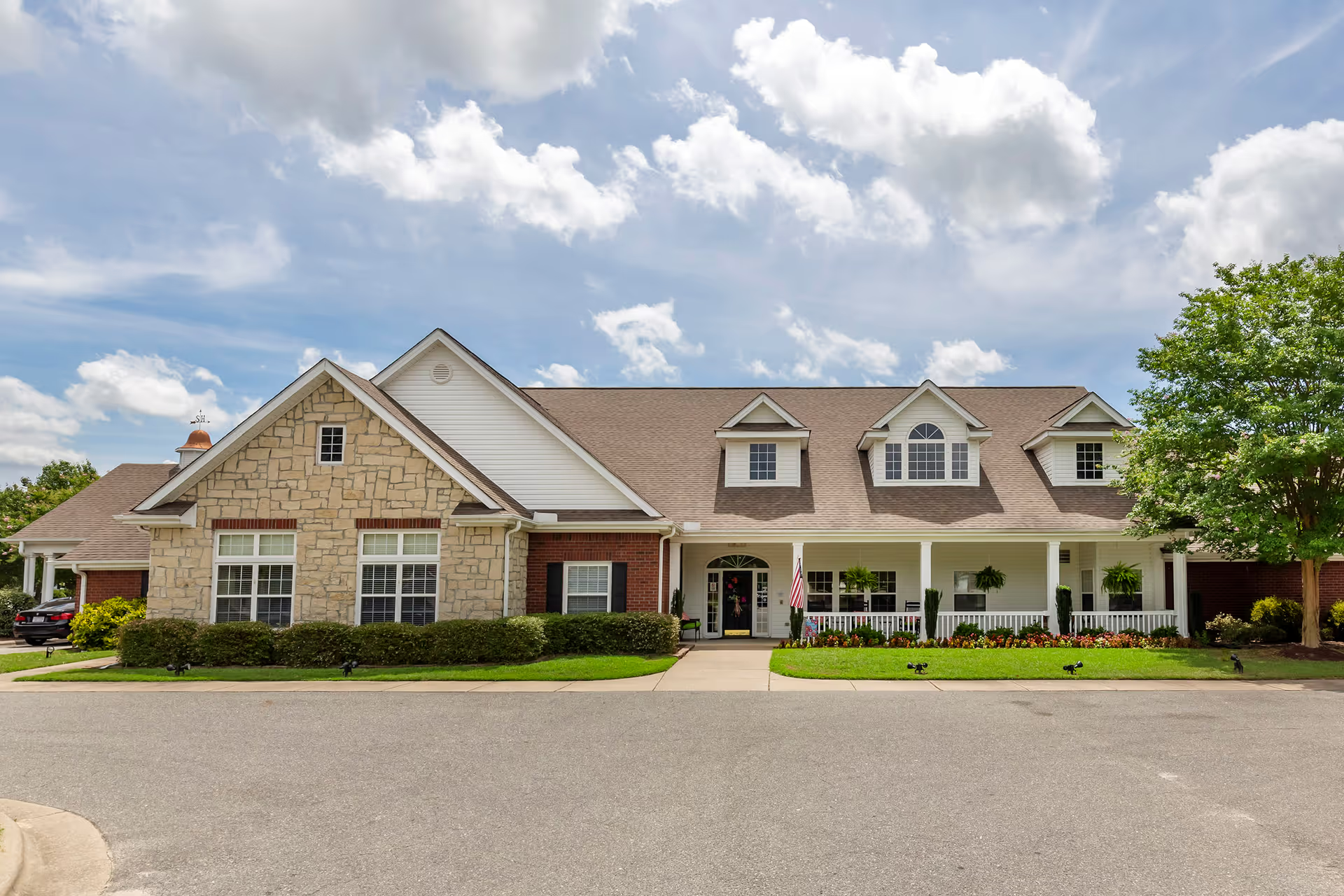
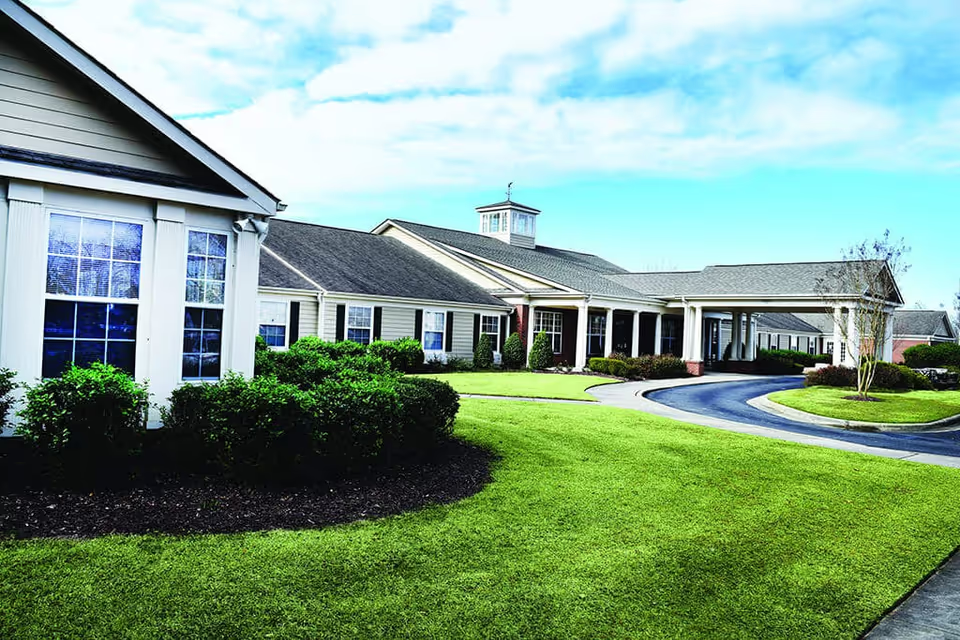
Facility environment and management present mixed impressions. Many reviewers describe clean, well-kept therapy and common areas and report helpful communication from managers. At the same time, there are sanitation and odor concerns in parts of the building, pest-control concerns, and reports of entrance/access protocols that can delay family visits. Administrative issues such as billing problems and inconsistent follow-through on care plans were raised alongside positive examples of supportive leadership; this suggests variability in management responsiveness across cases.
Notable patterns for prospective residents and families to evaluate in person include staffing consistency across shifts, medication-management protocols, the thoroughness of discharge and transition planning, responsiveness to toileting and bathing needs, and the facility’s visitor-access policies. Observing cleanliness in resident rooms and common areas, discussing food-service options, and meeting therapy and nursing leads can help balance the facility’s clear rehabilitation and relational strengths against the operational concerns documented by families.