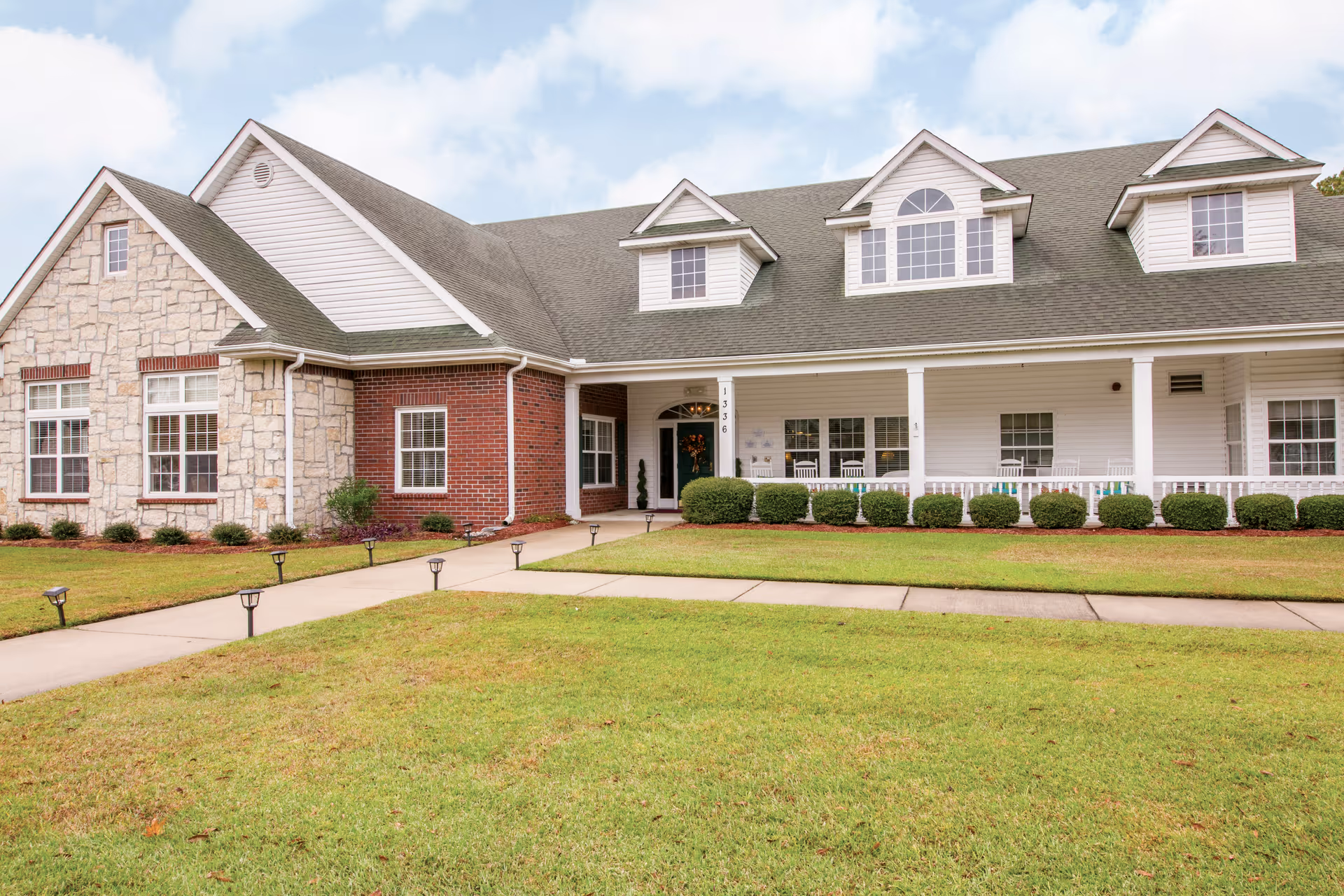
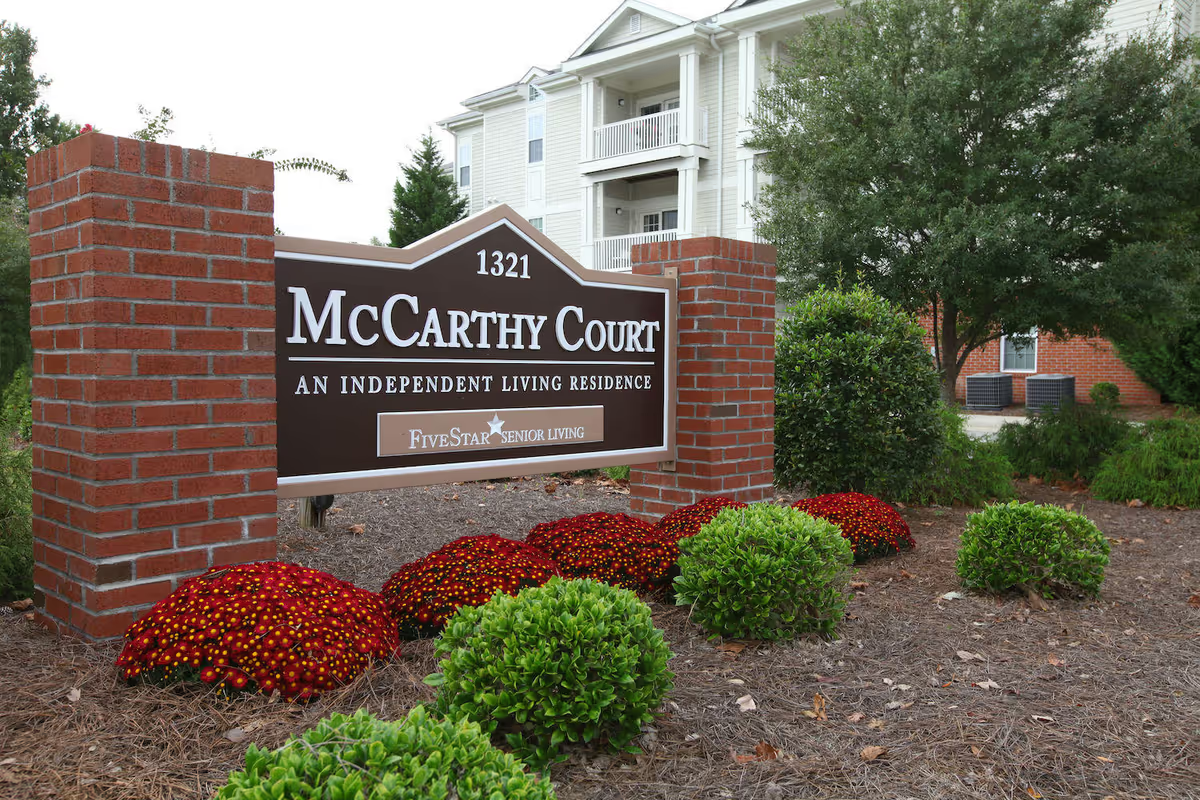
Spring Arbor of Kinston presents a mixed but assessable profile. Many families and visitors describe a warm, family-like atmosphere driven by compassionate, attentive caregivers and a staff that engages residents by name. The campus is frequently characterized as clean and well maintained, with attractive outdoor spaces and a secured garden for memory-care residents. Management of admissions and initial transitions receives positive mention, and reviewers commonly note that the facility offers a tailored memory-care program with small neighborhoods and apartment-style units that include private bathrooms.
Care and staffing are recurring strengths and the primary source of resident and family satisfaction. Reviewers highlight responsive nursing and direct-care teams, regular daily updates to families, and staff who prioritize dignity and individualized attention. Clinical supports such as weekly on-site physician visits and on-site therapy are noted positively, as are amenities like exercise and game rooms. That said, there is variability in the experience: some accounts describe delays in responsiveness and indicate that staffing can be inconsistent, which corresponds with comments about occasional understaffing and changes in leadership impacting responsiveness.
Dining and activities receive generally favorable remarks. Meals are often described as well presented and appealing, with birthday and anniversary recognitions and a restaurant-style approach to dining. Activity programming is active and varied for many residents, featuring monthly calendars, outings, socials, and a full activity schedule for both assisted living and memory care. A small number of reviewers found the menu repetitive or noted limited activity engagement during particular visits; prospective residents may want to review current activity calendars and sample menus.
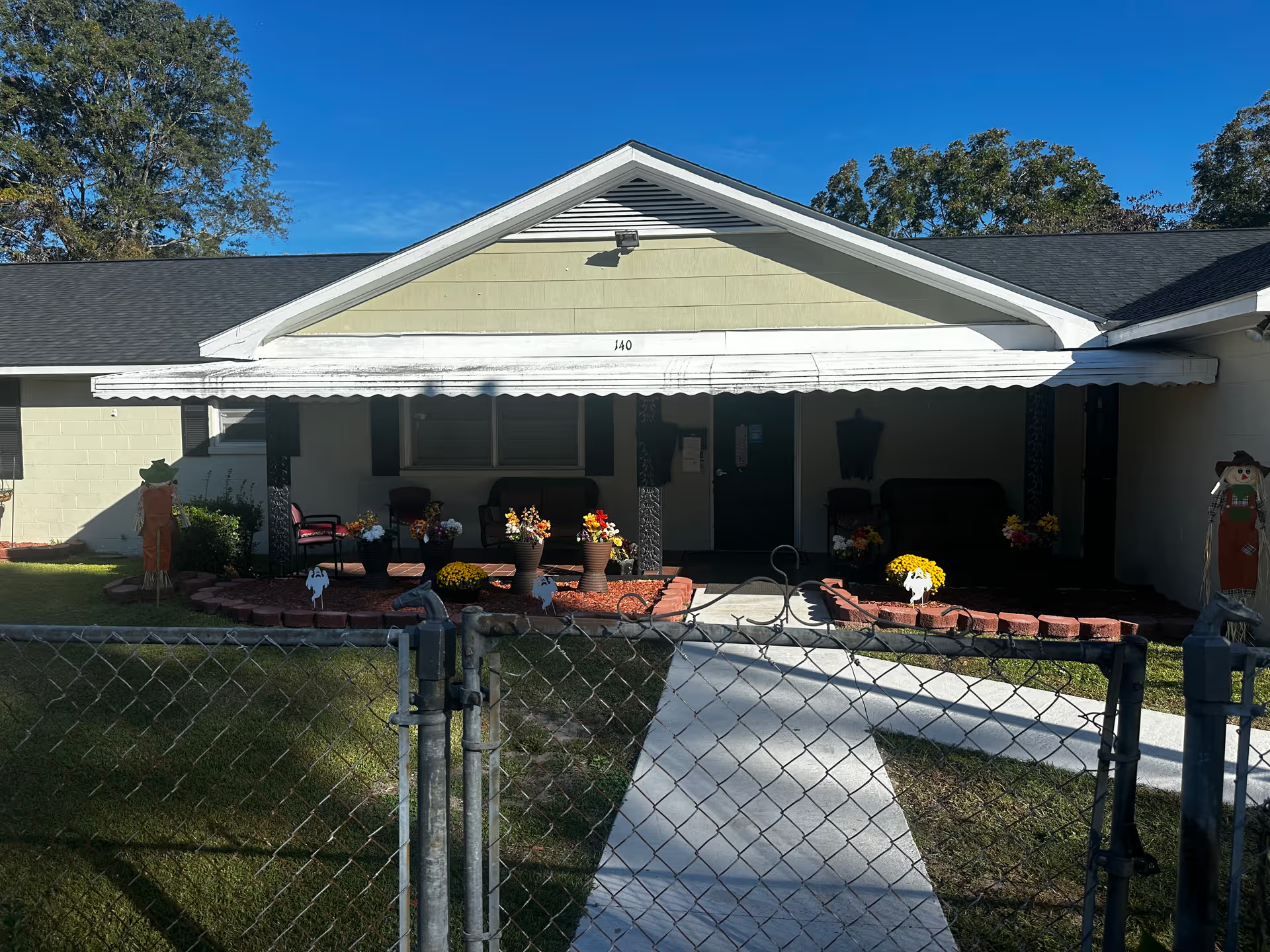
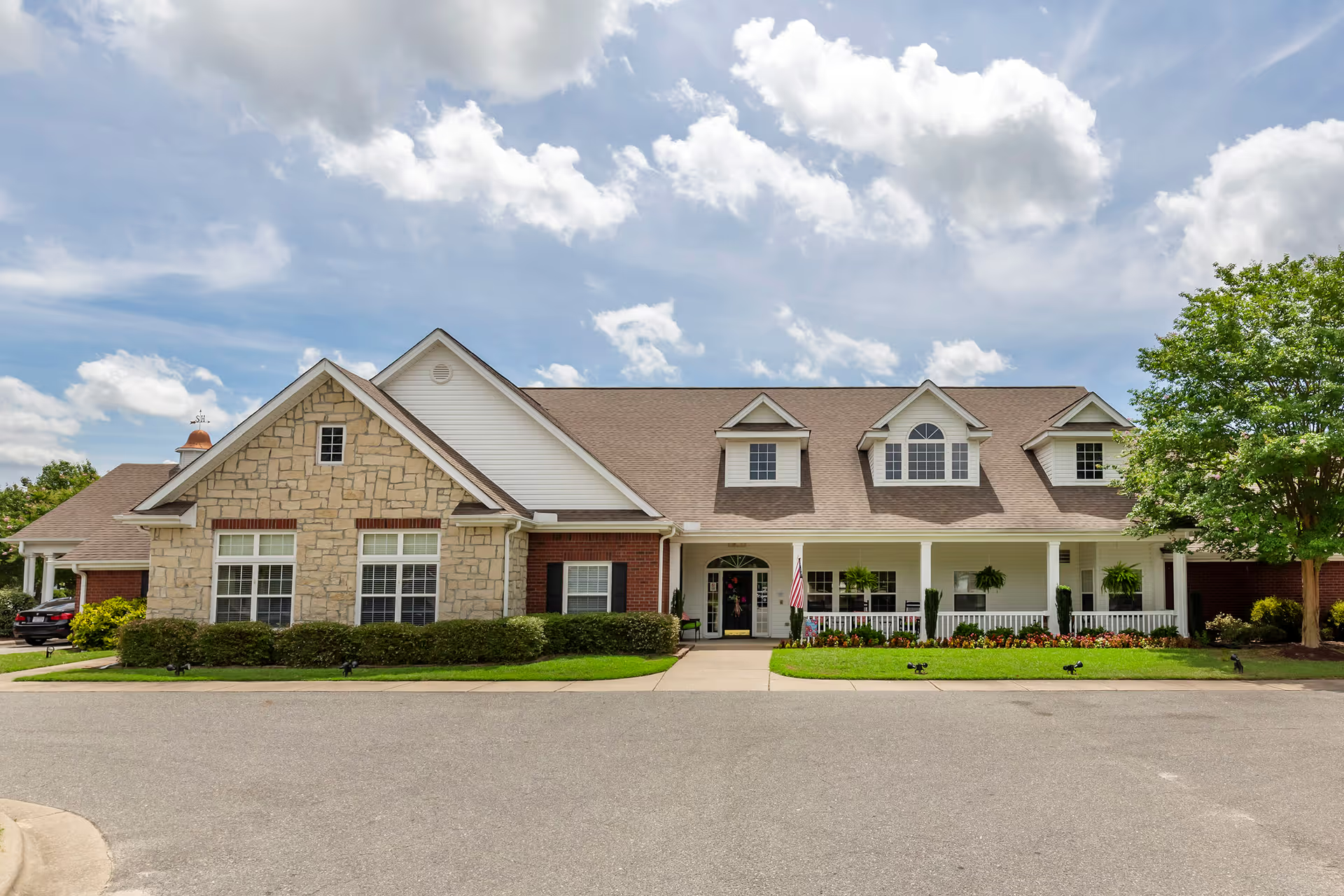
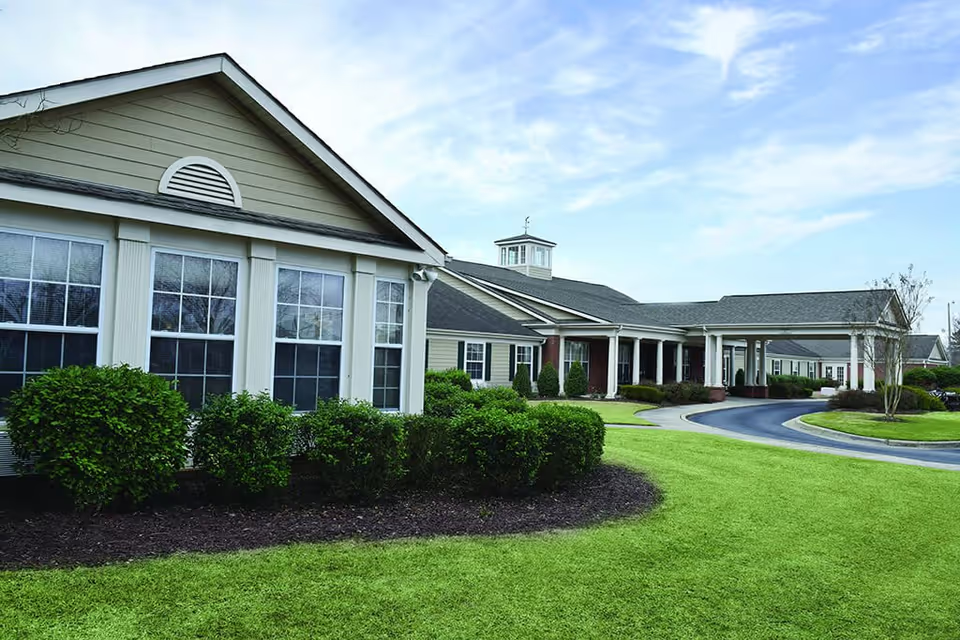
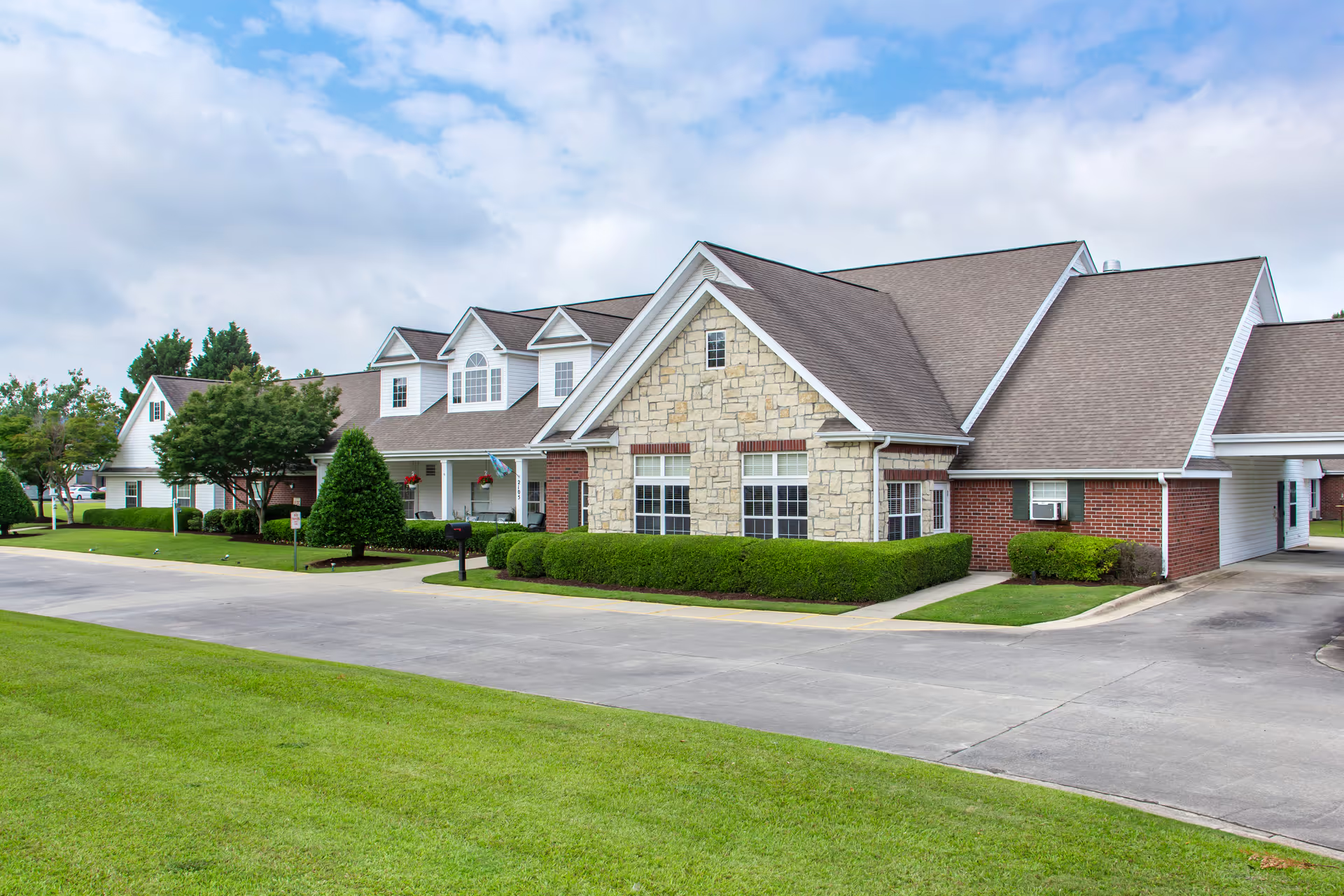
Facilities and environment are mostly praised for cleanliness and comfort, though there are conflicting accounts. While many reviewers describe tidy rooms and common areas, some raised sanitation and maintenance inconsistencies in specific areas and a perception that certain memory-care neighborhoods are more clinical or sparsely furnished. The property’s smaller memory-care neighborhoods and secured outdoor areas are clear strengths for families seeking that model.
Management and administrative patterns merit careful inquiry. Several reviews raise serious organizational concerns — including questions about transparency in communication with families and external agencies, complaints having been filed, and historical external-agency involvement. Financial concerns are also noted, including questions about billing and how private pay interacts with government funding. These are operational-level issues distinct from day-to-day caregiving and are significant for decision-making.
Overall, Spring Arbor of Kinston appears to deliver strong interpersonal care, a robust activity program, and supportive clinical services for many residents, with a generally clean and welcoming environment. At the same time, prospective residents and family members should investigate operational items that surfaced in some accounts: current staffing ratios and variability, the facility’s complaint and regulatory history, financial and billing practices, and how the facility documents and communicates clinical incidents. Visiting in person, observing multiple shifts, reviewing state inspection records, and asking for written policies on staffing, incident reporting, and billing will help clarify whether the facility’s strengths align with an individual resident’s needs.