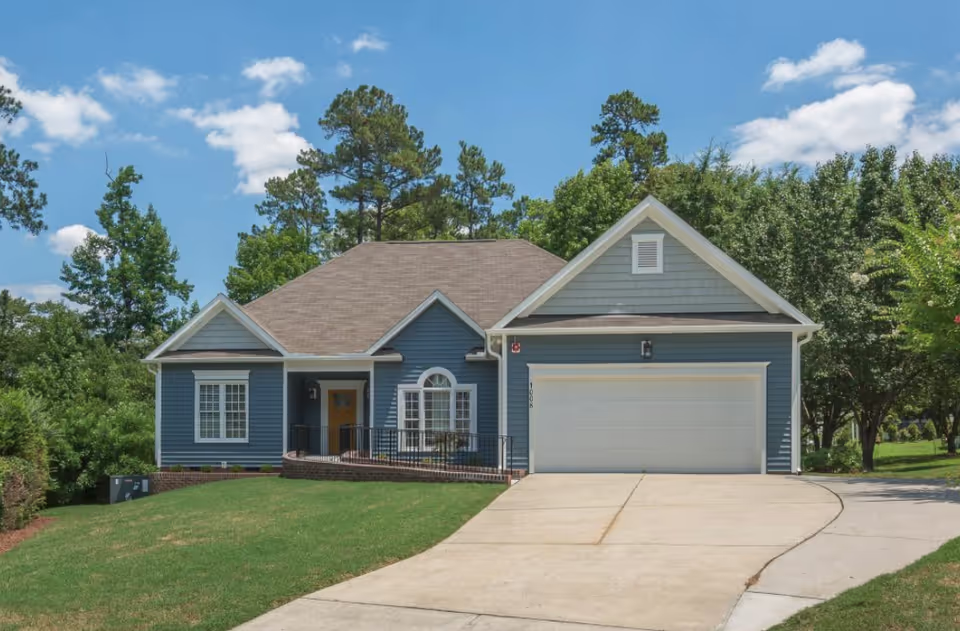
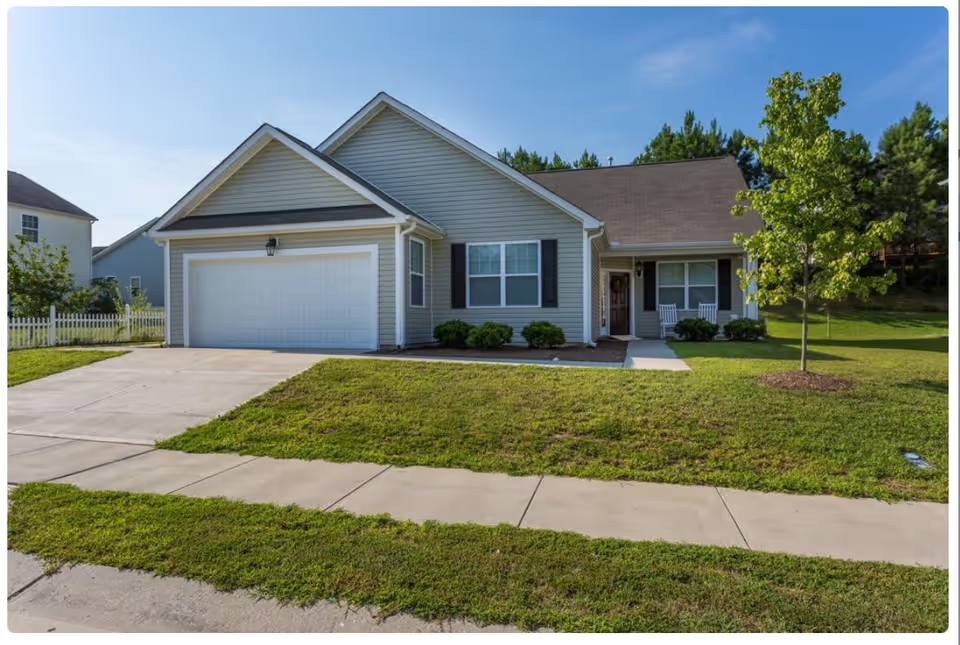
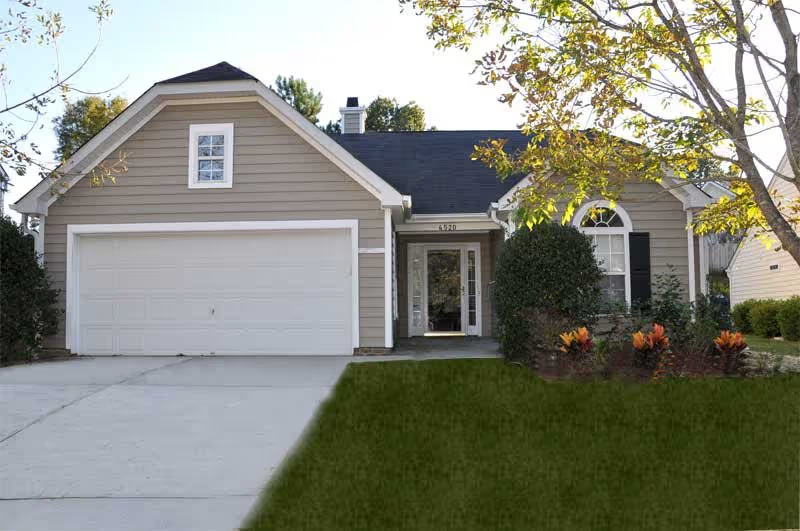
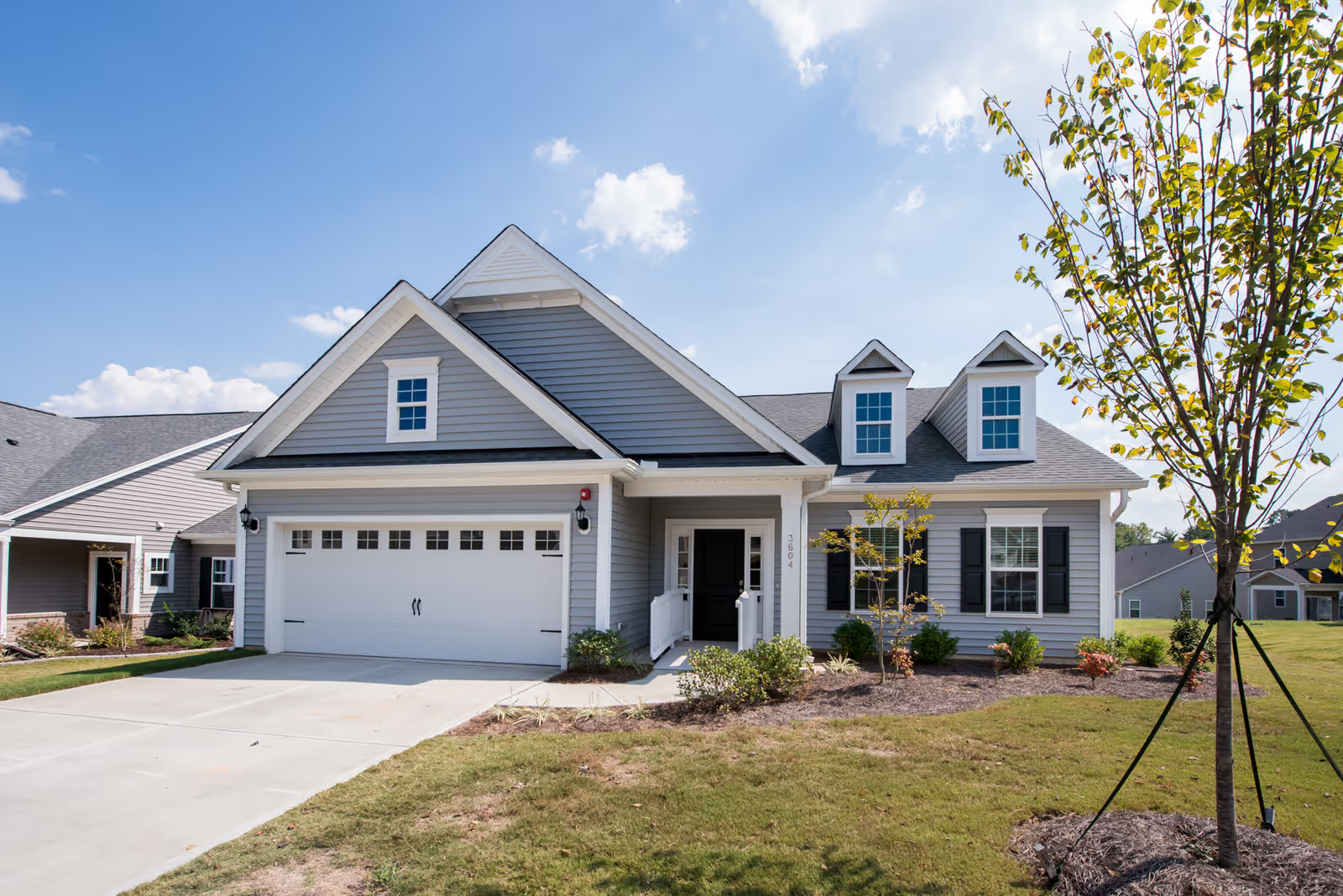
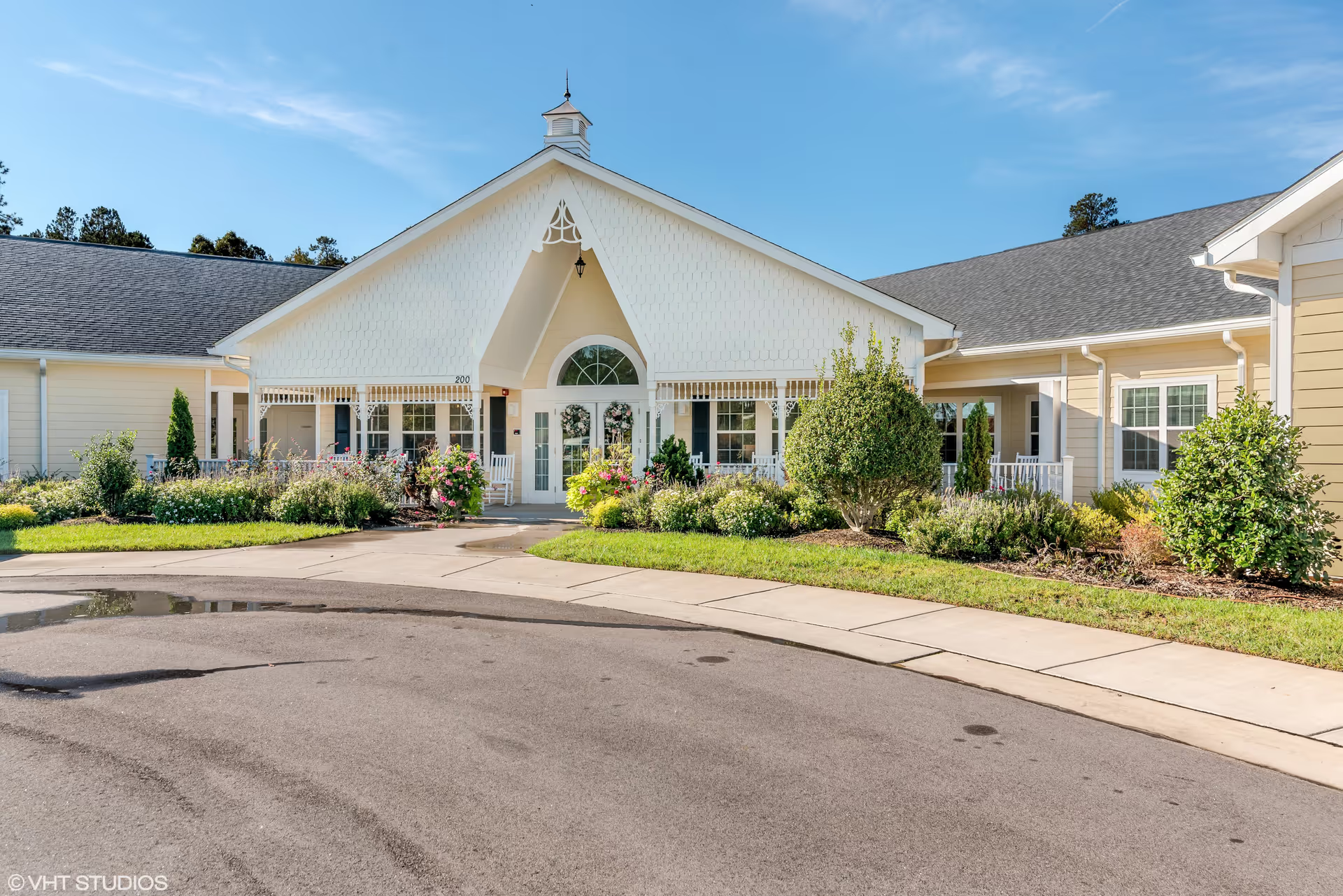
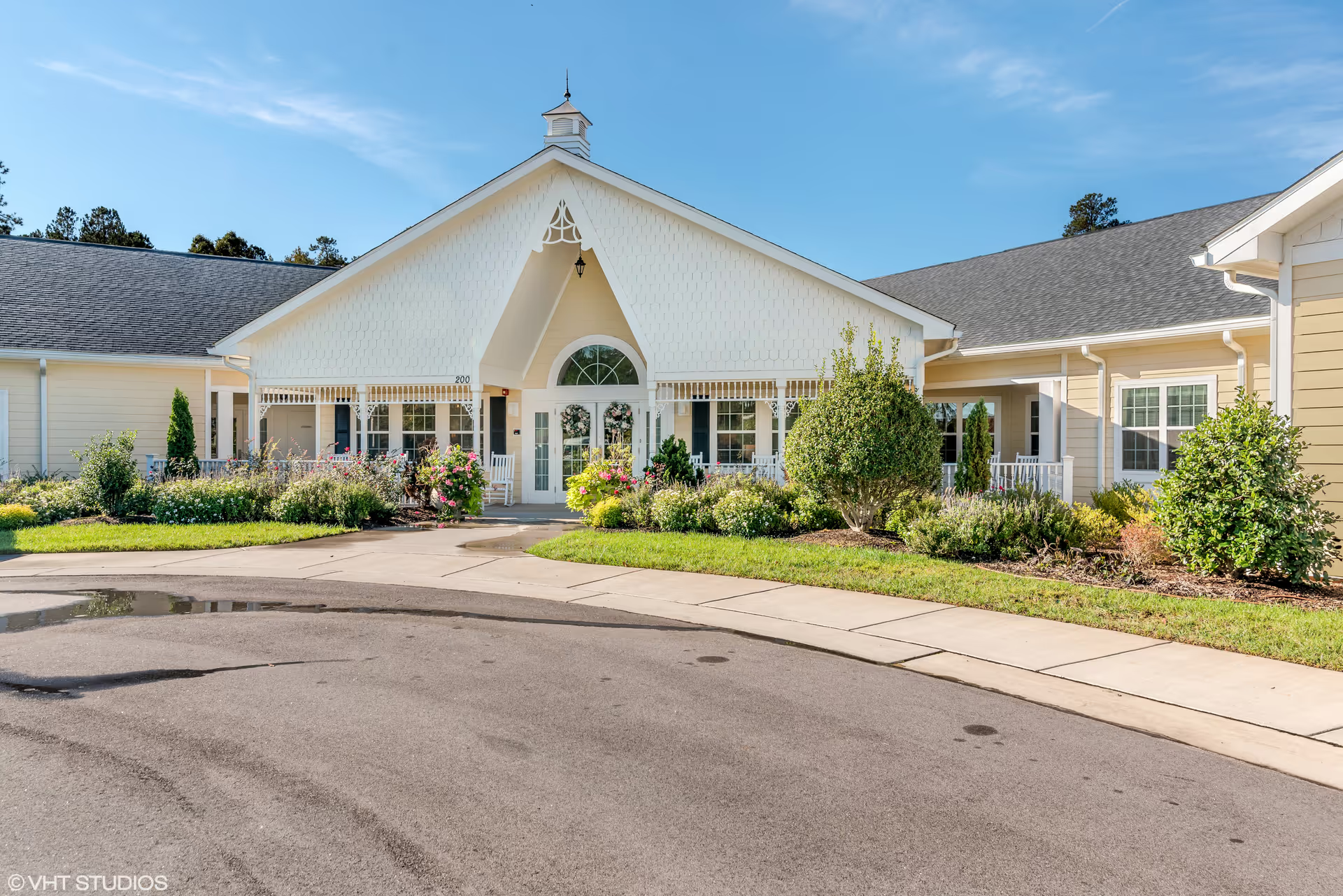
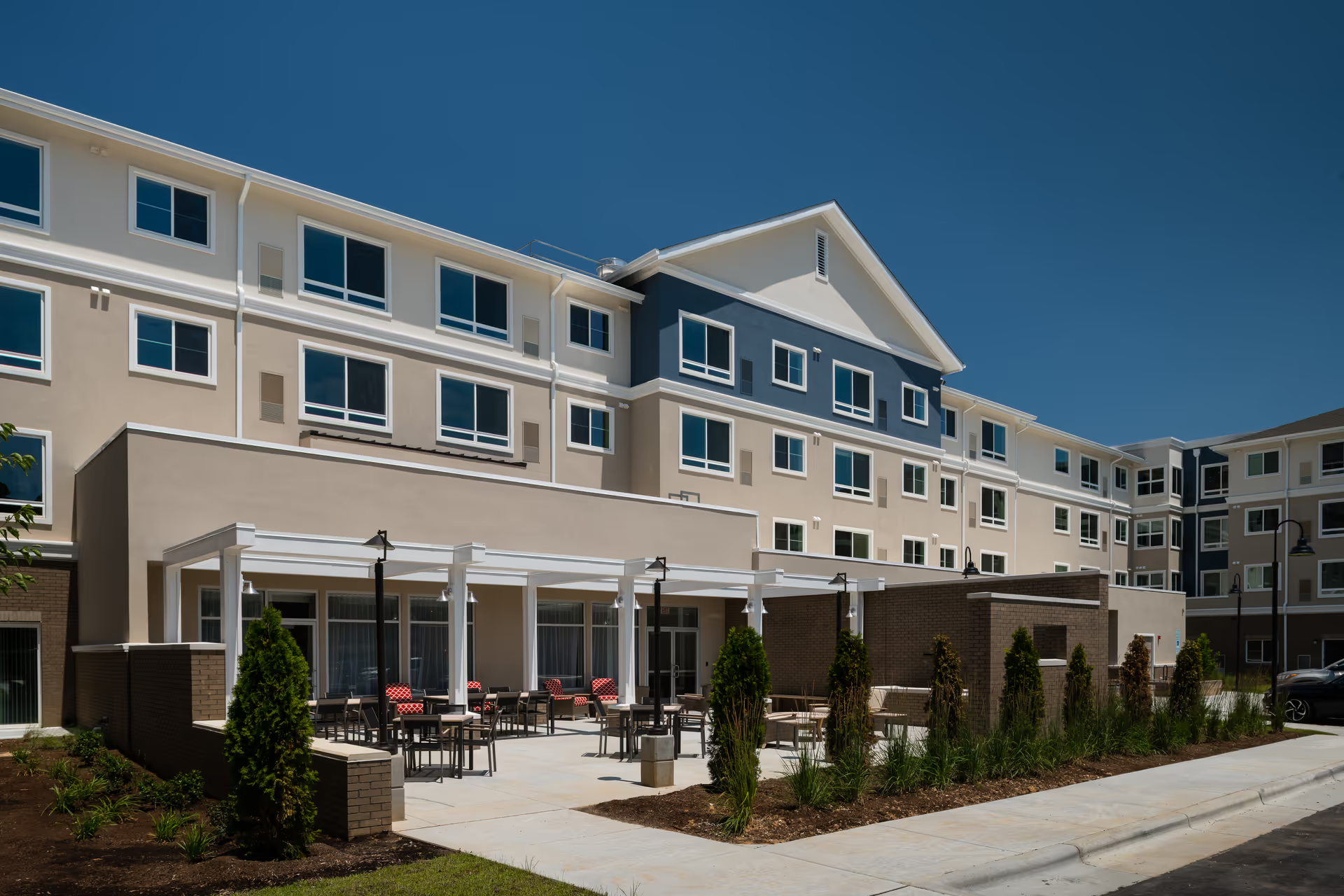
Reviewers describe a facility with clear strengths alongside recurring operational weaknesses. Positive experiences emphasize warm, personable caregiving staff, an active and engaged activities program (including art therapy, outings, and seasonal events), and a social dining environment where communal tables and attentive staff can improve residents’ mood and engagement. The physical plant is often noted as modern and well kept: remodeled wings, varied floor plans, accessible rooms with low-threshold showers, and pleasant outdoor walking areas were cited as assets by families and visitors.
Care quality is uneven. Many families praised individual caregivers and memory-care personnel for hands-on attention and positive interactions; however, there are recurring concerns about medication administration, clinical oversight, and wound-care management. Several accounts indicate that medication handling and intake/transfer practices can be inconsistent, and that wound care and infection-management processes may not always meet families’ expectations. There are also mentions of EMS or hospital transfers related to care-transition issues, which suggests variability in clinical triage and escalation practices.
Staffing and interpersonal conduct show a split pattern. Admissions, tour staff, and specific employees (named positively by families) are frequently described as helpful and professional. At the same time, reviewers note inconsistent staff conduct, curt or aggressive communication styles, and turnover at multiple leadership levels. Memory-care performance is similarly variable: some families describe excellent, dementia-capable staff and productive engagement; others describe limited dementia training and a lack of gentle redirection techniques.
Dining and activities are generally a strength but inconsistent in execution. Several families reported nutritious, well-presented meals and an enjoyable social dining atmosphere; others raised concerns about small portions, repetitive menus, limited flexibility for picky eaters, and staff/chef dissatisfaction. The activities program is commonly cited as robust — art classes, outings, and social programming — though pandemic-related interruptions and staffing shortages have reduced availability at times.
Facility operations and management practices present notable patterns of concern. Communication systems (phone responsiveness, message return) and family outreach are uneven; some families must visit in person to obtain updates. Privacy and documentation processes have lapses in a few accounts (for example, confidential care-plan materials left accessible). Financial and administrative issues appear in several narratives, ranging from difficulty obtaining refunds to an allegation of financial misconduct; these matters point to gaps in billing transparency and financial accountability. Environmental and safety issues — missing furniture at move-in, trip hazards, and occasional sanitation/odor concerns — were mentioned and warrant attention as operational risks.
What stands out across the reviews is variability: positive individual staff interactions and strong program elements coexist with systemic operational weaknesses. Prospective families should plan an in-person visit, speak directly about specific clinical procedures (medication administration, wound care, dementia training), review communication and emergency protocols, request current staff-turnover and leadership-stability data, and confirm billing and HIPAA/privacy procedures in writing. This facility may be an excellent fit when specific staff members, the activities program, and the physical environment align with a resident’s needs, but families should verify clinical protocols and management transparency before committing.