Feedback on Boger City Rest Home is mixed, with a clear split between positive experiences centered on social environment and staff helpfulness and negative observations focused on operational and maintenance shortcomings. Several families describe a supportive community atmosphere, round-the-clock staffing, and staff members who are friendly, informative, and accommodating. Reviewers also note practical features such as a single-level room layout, which can be convenient for mobility, and some instances of clean, well-kept areas. These elements contribute to family reassurance and willingness by some to recommend the facility.
Care quality indicators are inconsistent across submissions. Positive comments about staff attentiveness coexist with substantive concerns about medication administration and personal-care routines. There are allegations of missed medications and of residents not receiving timely bathing, feeding, or routine checks; these point to gaps in clinical oversight and monitoring rather than a uniformly high standard of care. Families should evaluate the facility's medication-management policies, staff training, and supervisory practices during a visit.
Staff performance is described in both favorable and critical terms. Many reviewers praised individual staff members as kind and helpful, while other accounts highlight concerns about staff conduct and responsiveness during care interactions, including during meal times. These contradictory impressions suggest variability in staff behavior and training; prospective families may want to ask about staff-to-resident ratios, turnover, and complaint-resolution procedures.
Dining and daily routines were another area of divergence. Some reviewers reported an adequate dining experience, but others described inconsistent meal quality and interruptions in meal service. The facility's meal-service continuity and dietary oversight would be reasonable topics to review in person, particularly for residents with special nutritional needs or swallowing/feeding concerns.
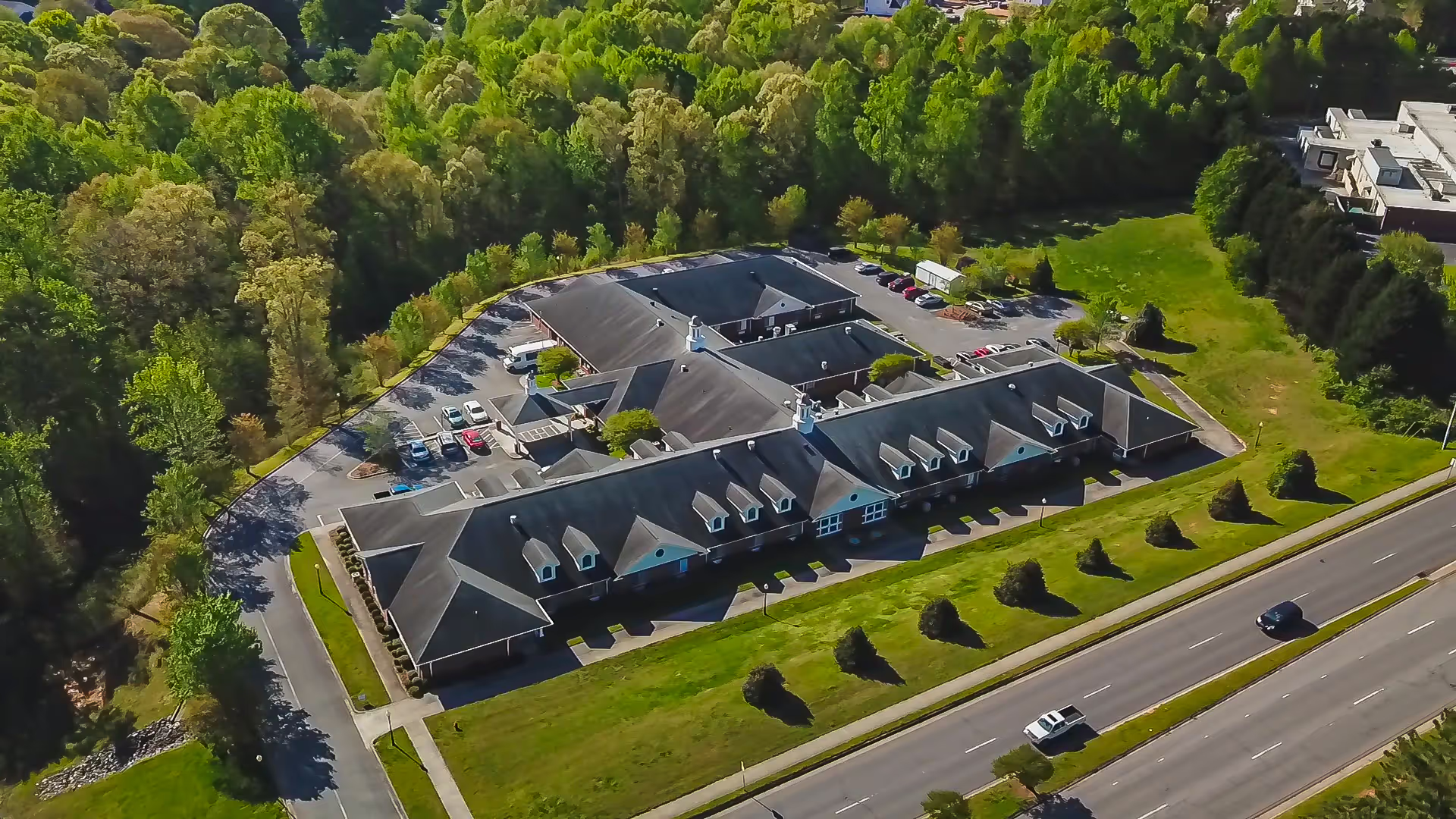
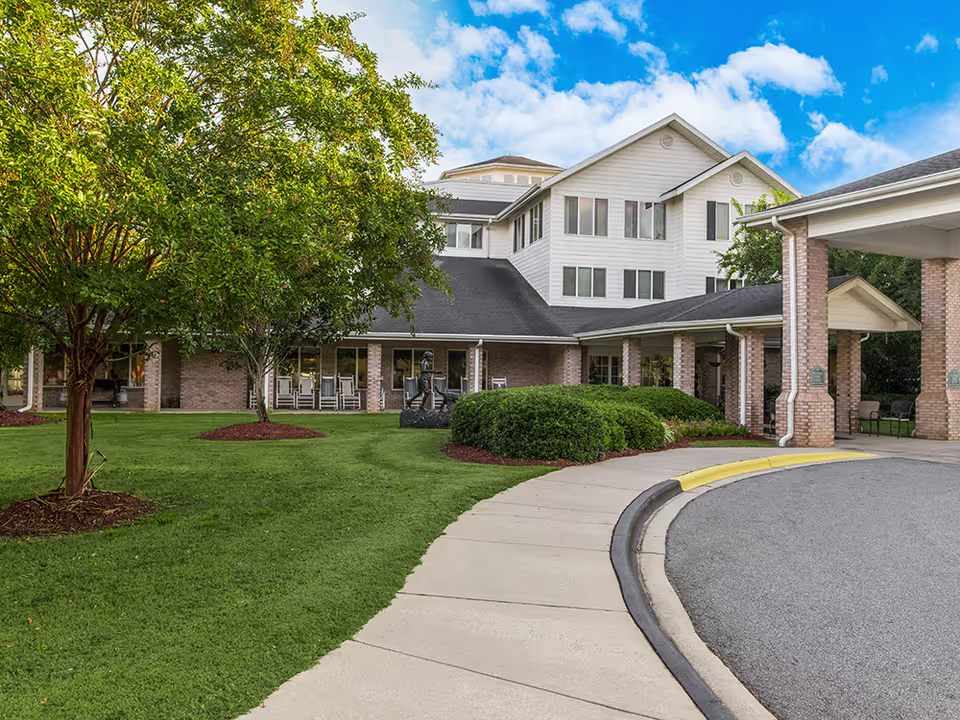
Physical plant and housekeeping issues are recurrent themes. Reports indicate room damage (for example, unrepaired holes and general disrepair) alongside sanitation and odor concerns in common areas. Although some areas and staff housekeeping are described positively, the pattern suggests uneven maintenance and cleaning standards across the facility. Prospective visitors should inspect resident rooms, common areas, and housekeeping schedules, and inquire about maintenance request turnaround times and pest-control or odor-mitigation protocols.
Management and overall value perceptions are mixed. There are comments implying uneven oversight and perceived disparity between the facility condition and what families expect for the price paid. One reviewer noted the owner lives nearby in a better-maintained residence, which contributed to impressions of inconsistent standards. Given these perceptions, families should ask management directly about quality-assurance practices, staff supervision, and how concerns are escalated and resolved.
Notable pattern: experiences are polarized—some families report a positive, community-oriented environment with attentive staff, while others report significant operational problems affecting daily care, cleanliness, and facility upkeep. Before making a placement decision, visiting at different times of day, observing meals and care interactions, reviewing medication and care plans, and checking recent inspection or licensing records is advisable to assess whether the facility’s current operations meet an individual resident’s needs.