The reviews present a mixed picture of the facility: many families and visitors describe warm, familiar caregiving with staff who know residents by name, a home-like apartment environment, and a range of on-site supports such as weekly physician visits, therapy services, an on-site salon, and recreational programming. Common positives include a welcoming atmosphere, clean and maintained common areas, Medicaid acceptance, and examples of attentive end-of-life care. Individual staff members and leaders were singled out for praise by families who experienced consistent, compassionate care.
At the same time, a persistent theme across feedback is operational inconsistency. Staffing levels and scheduling appear variable, with several reports indicating reduced hours, shortages, or irregular nurse presence; these patterns contribute to concerns about clinical monitoring and timely follow-up for health issues. Families described delays in post-incident communication and laboratory or assessment follow-up, which points to gaps in clinical oversight and incident-response workflows that prospective families should clarify with management.
Dining and housekeeping are other areas of divergence. While some reviewers found dining areas and meals acceptable, others raised concerns about food quality and the facility’s ability to meet special-diet needs. Housekeeping and laundry services were described as reduced or inconsistent in frequency and thoroughness, with occasional odor concerns and rooms not being cleaned to expected standards. These operational shortfalls were frequently linked to staffing constraints.
Management and administrative issues recur in the feedback. There are comments about leadership changes, perceived lack of transparency in billing and community-fee policies, and inconsistent follow-through on family concerns. Variability in staff professionalism and communication tone was noted alongside accounts of exemplary staff behavior; the result is a polarized experience depending on which shifts and personnel a resident encounters. A small number of reviews include allegations of serious safety incidents; those comments warrant direct inquiry and, if needed, review of any regulatory findings.
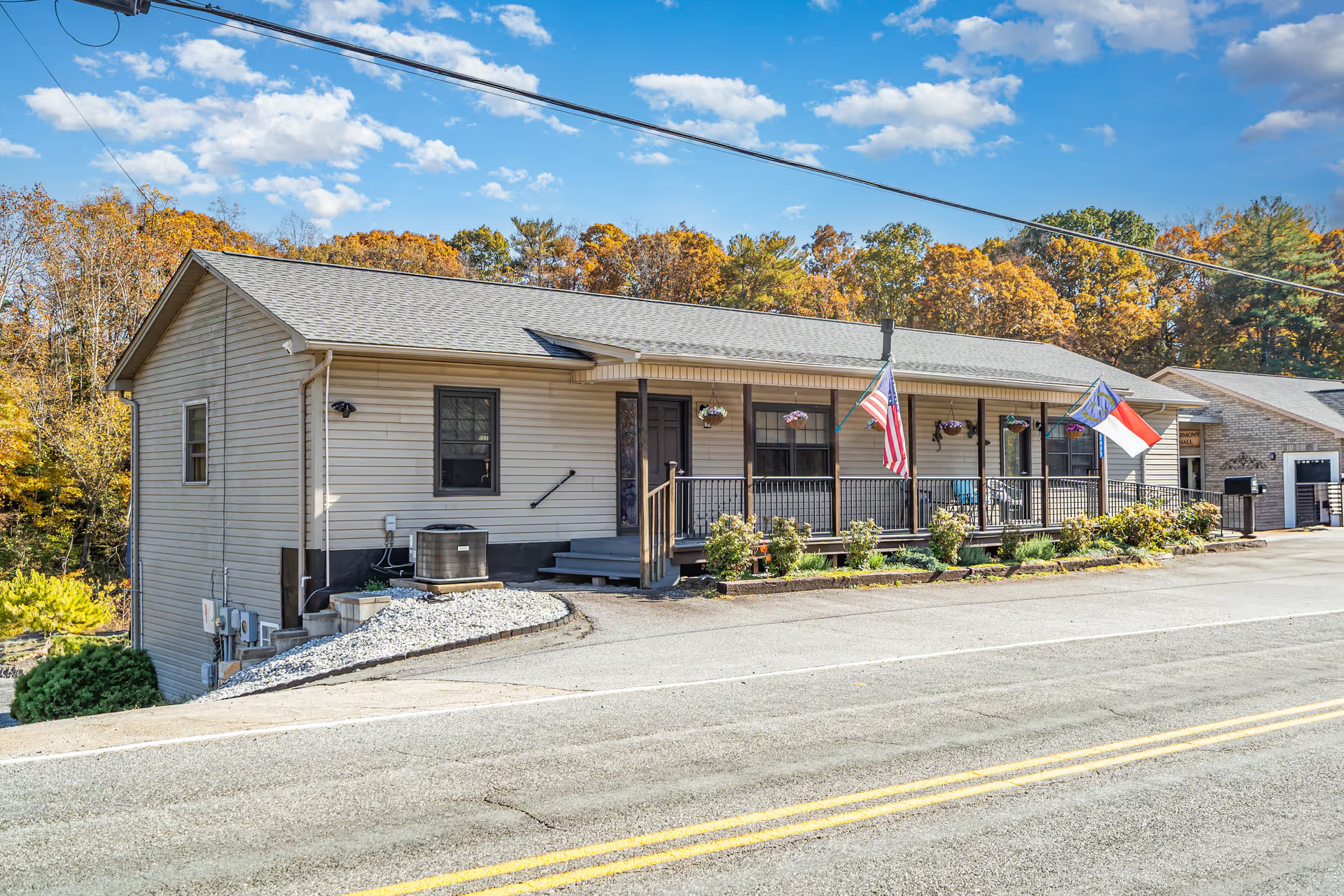
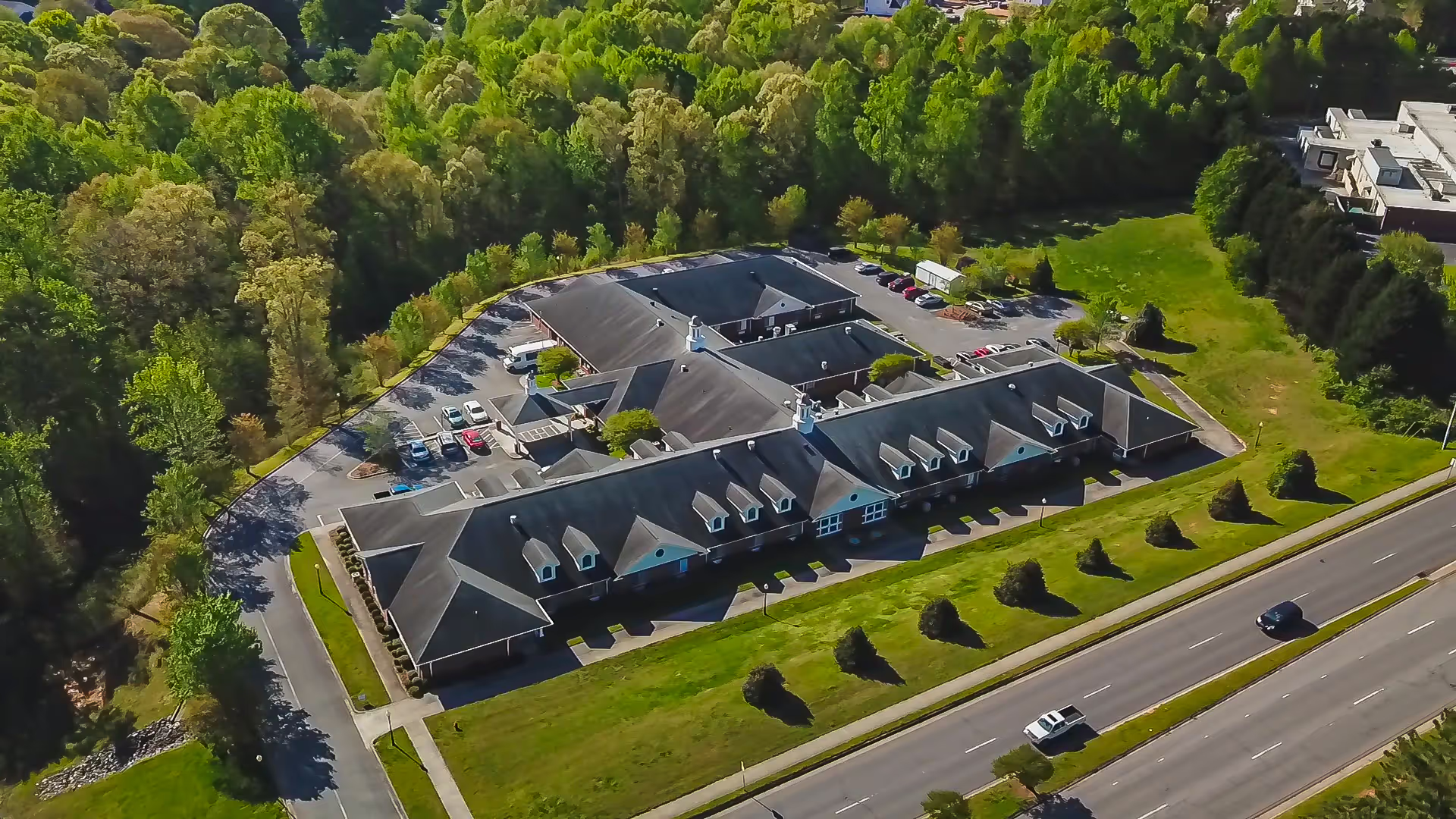
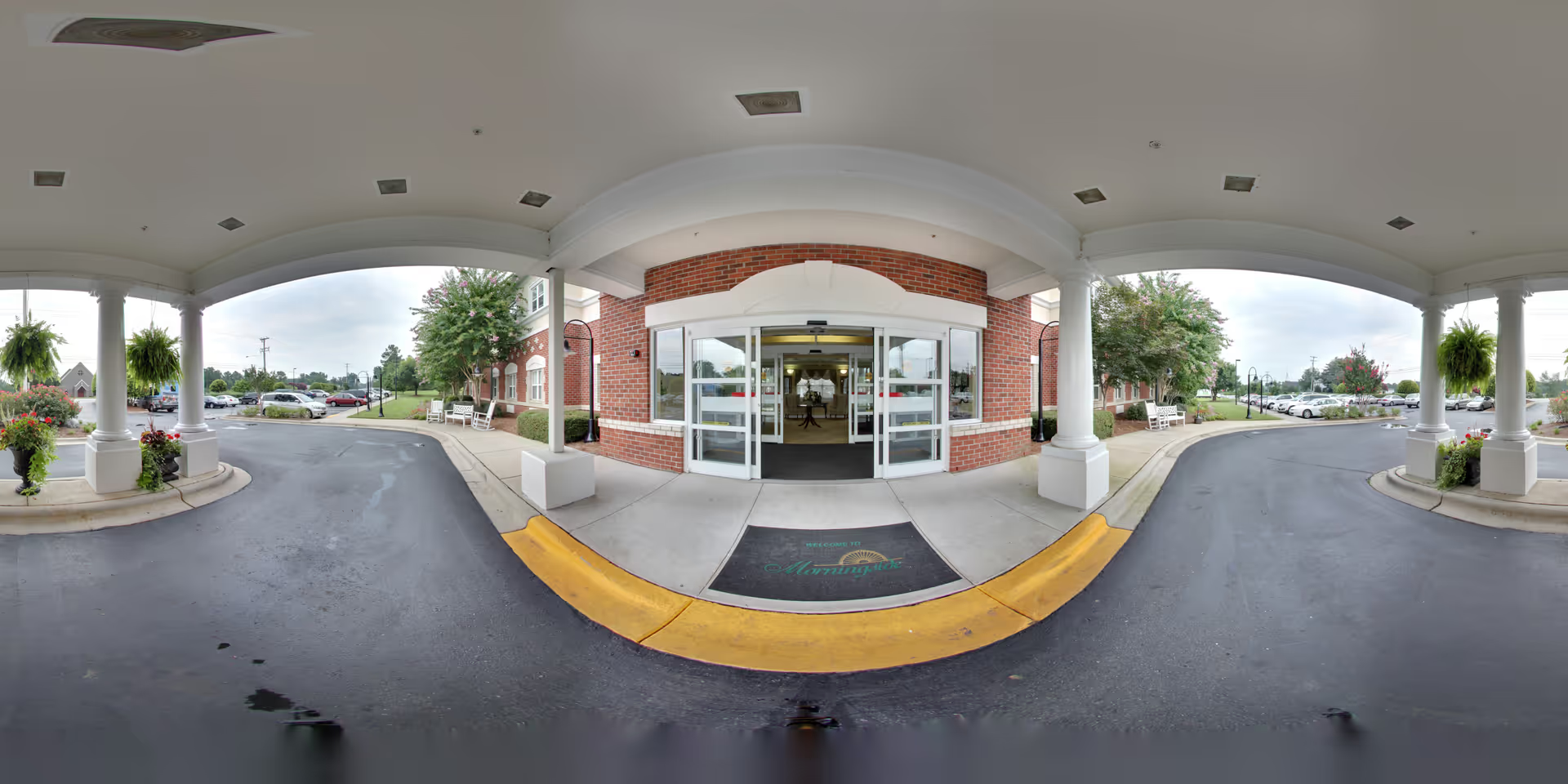
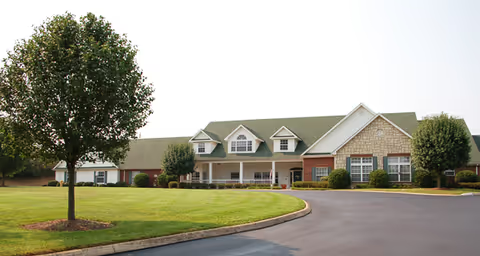
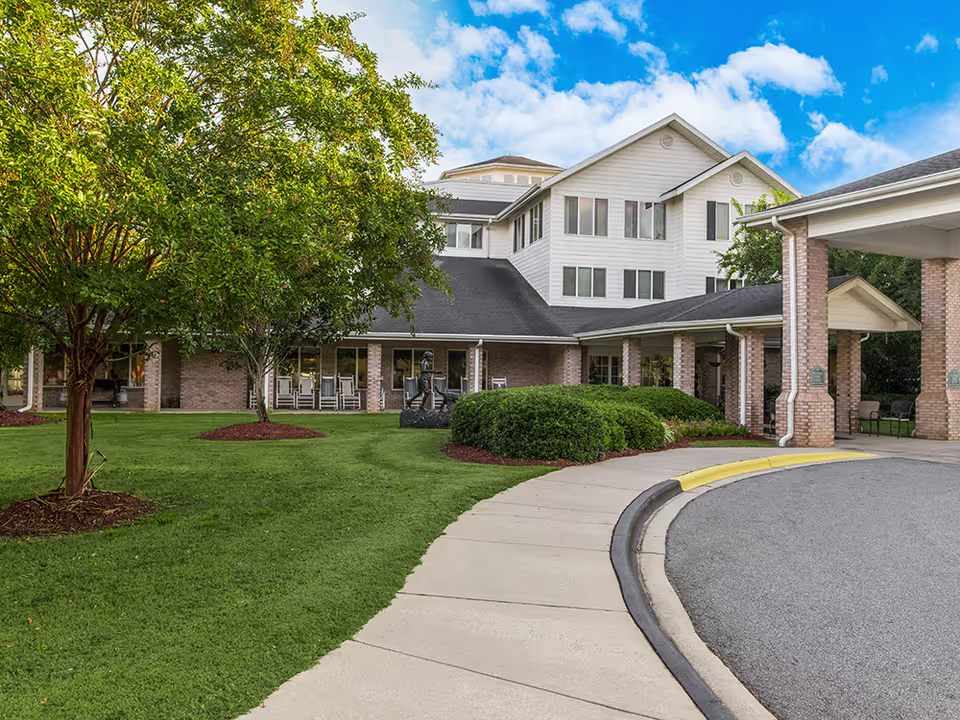
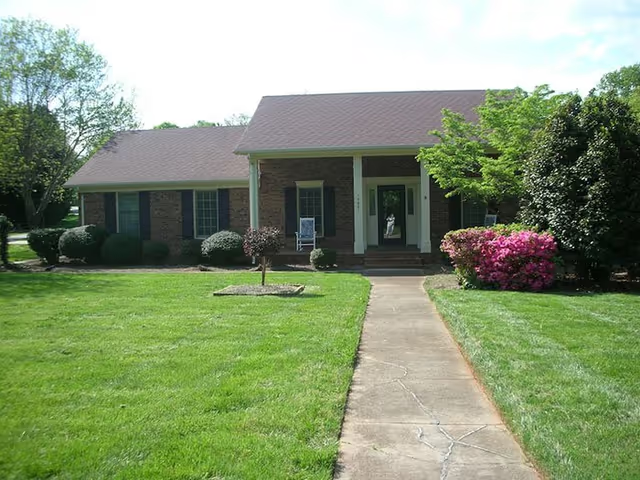
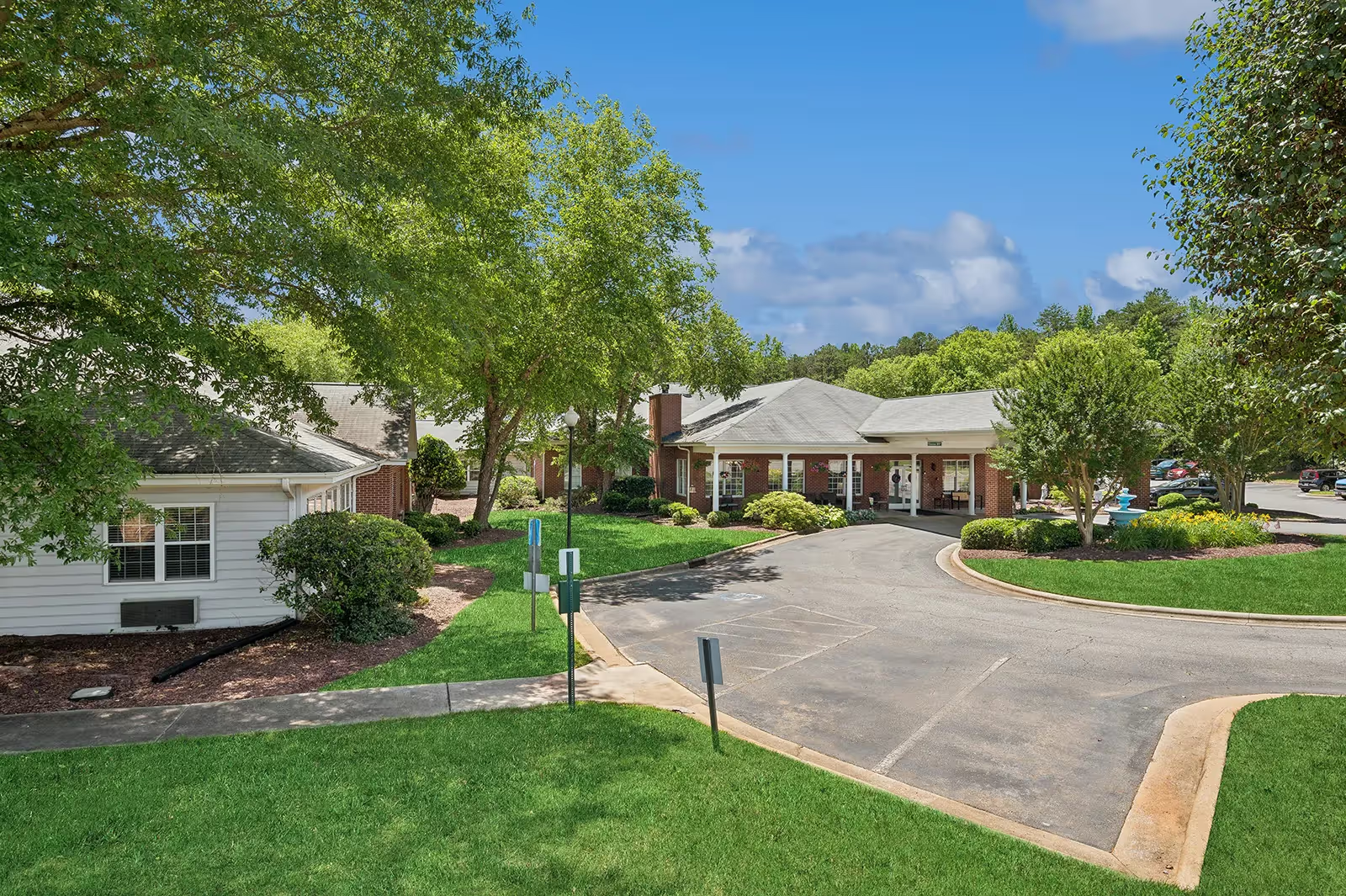
Activities programming exists but its reliability appears uneven. The facility offers groups, occasional field trips, and voluntary activities, yet families reported periods without an activity director and limited participation options for residents with cognitive impairments. Facilities themselves are generally described as neat and secure, with private-room options and a homelike layout, though cosmetic presentation may not always reflect day-to-day operational realities.
Taken together, the pattern suggests a place with meaningful strengths in interpersonal caregiving and certain clinical resources, but with recurring operational weaknesses tied largely to staffing, management consistency, and service continuity. Prospective residents and families should arrange a focused tour, ask for current staffing ratios, inquire about clinical coverage and incident-response protocols, review housekeeping and meal-service schedules, and request written explanations of fees and billing practices before making placement decisions.