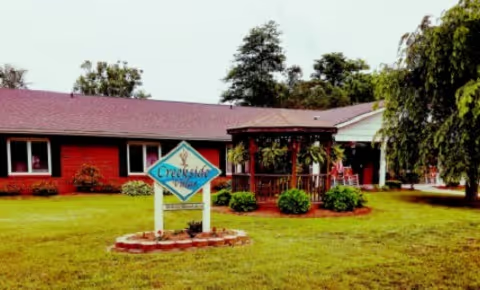
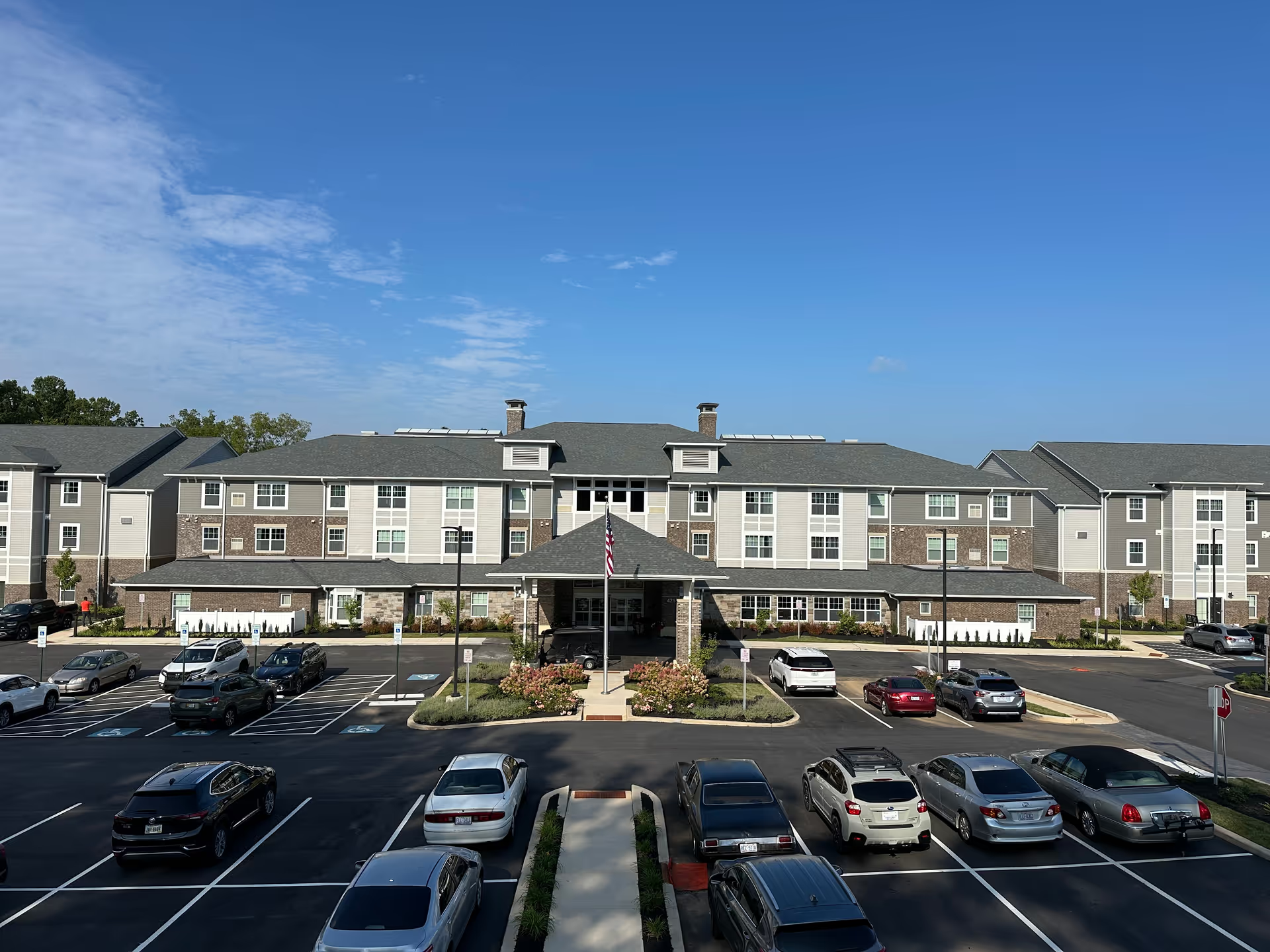
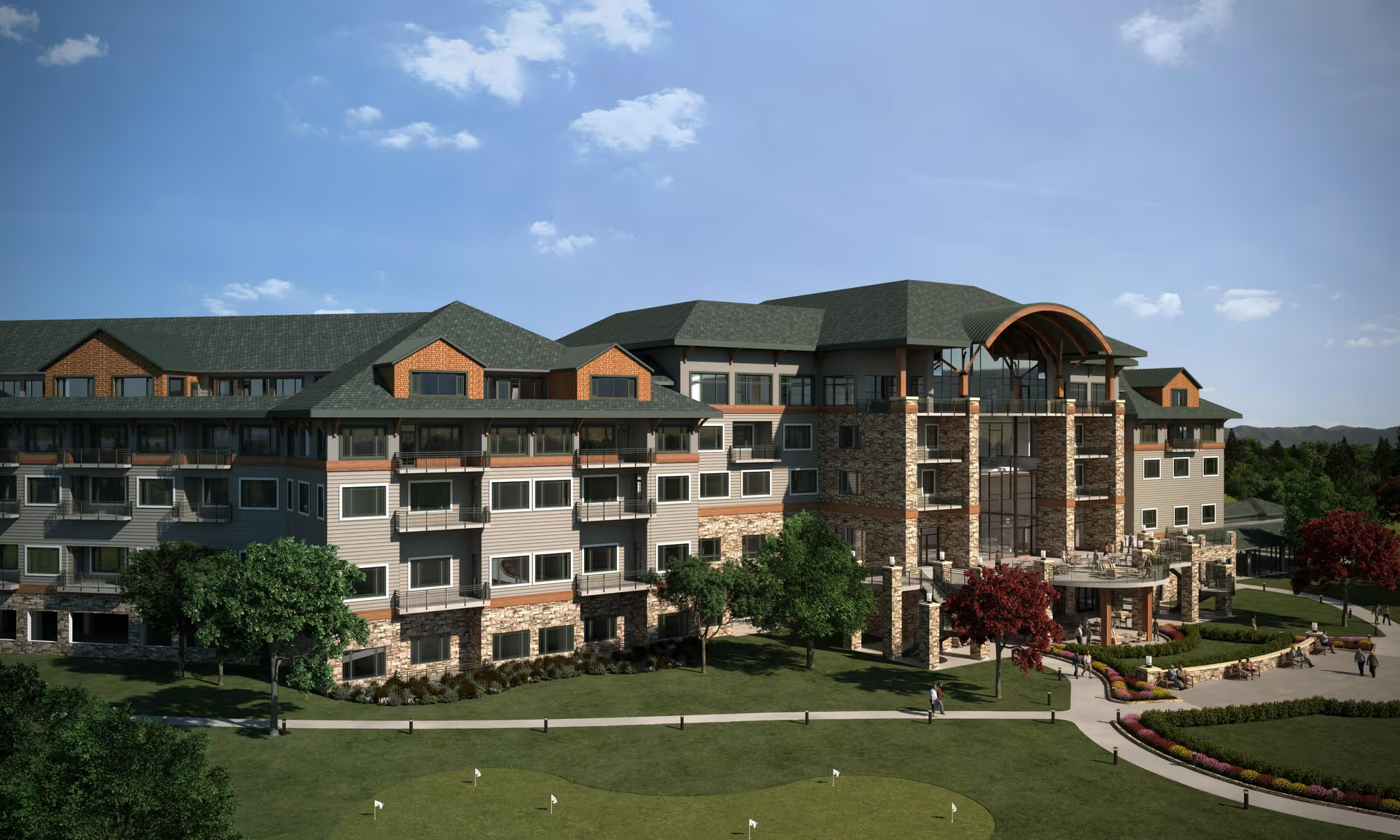
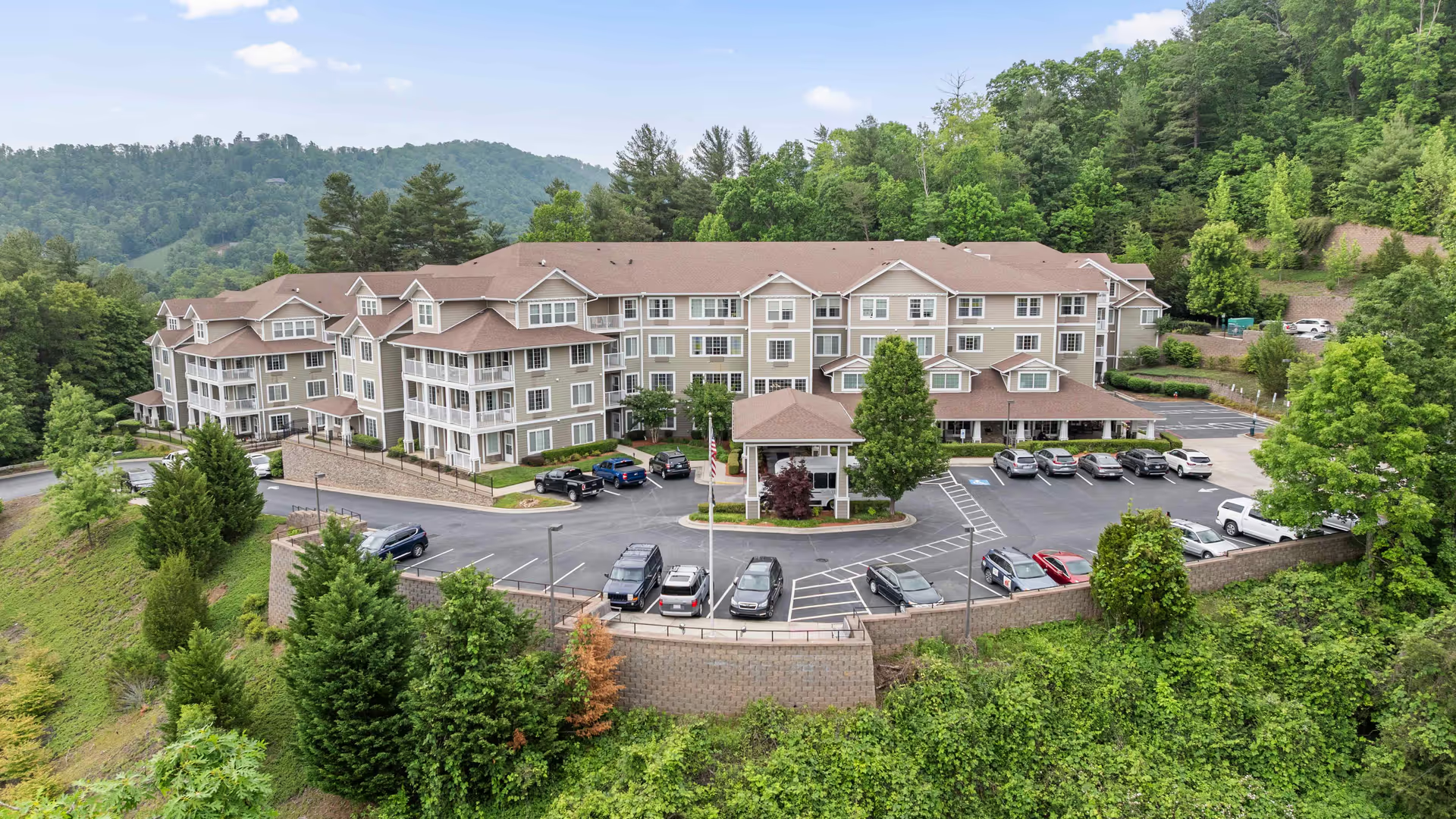
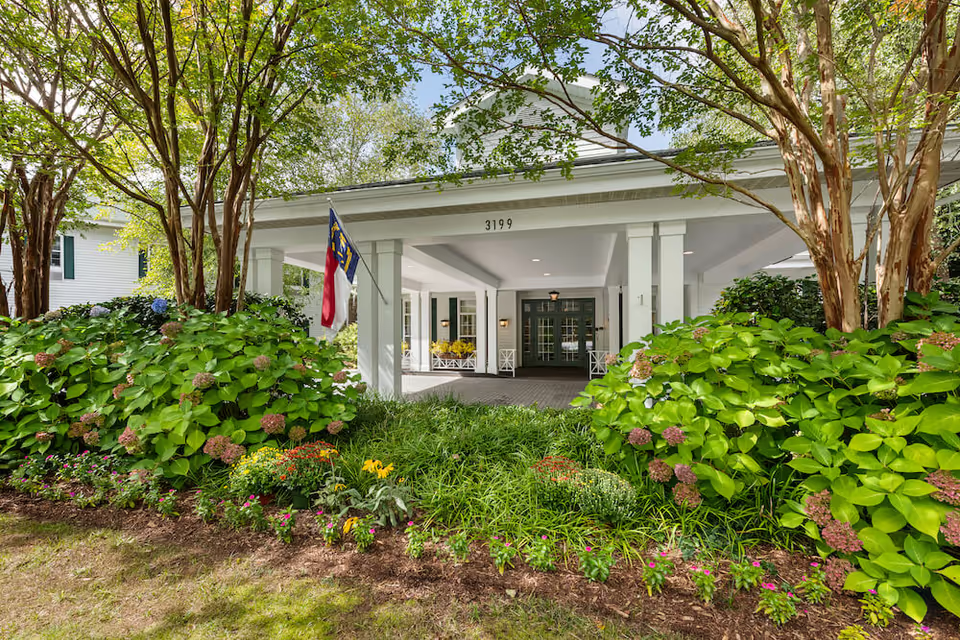
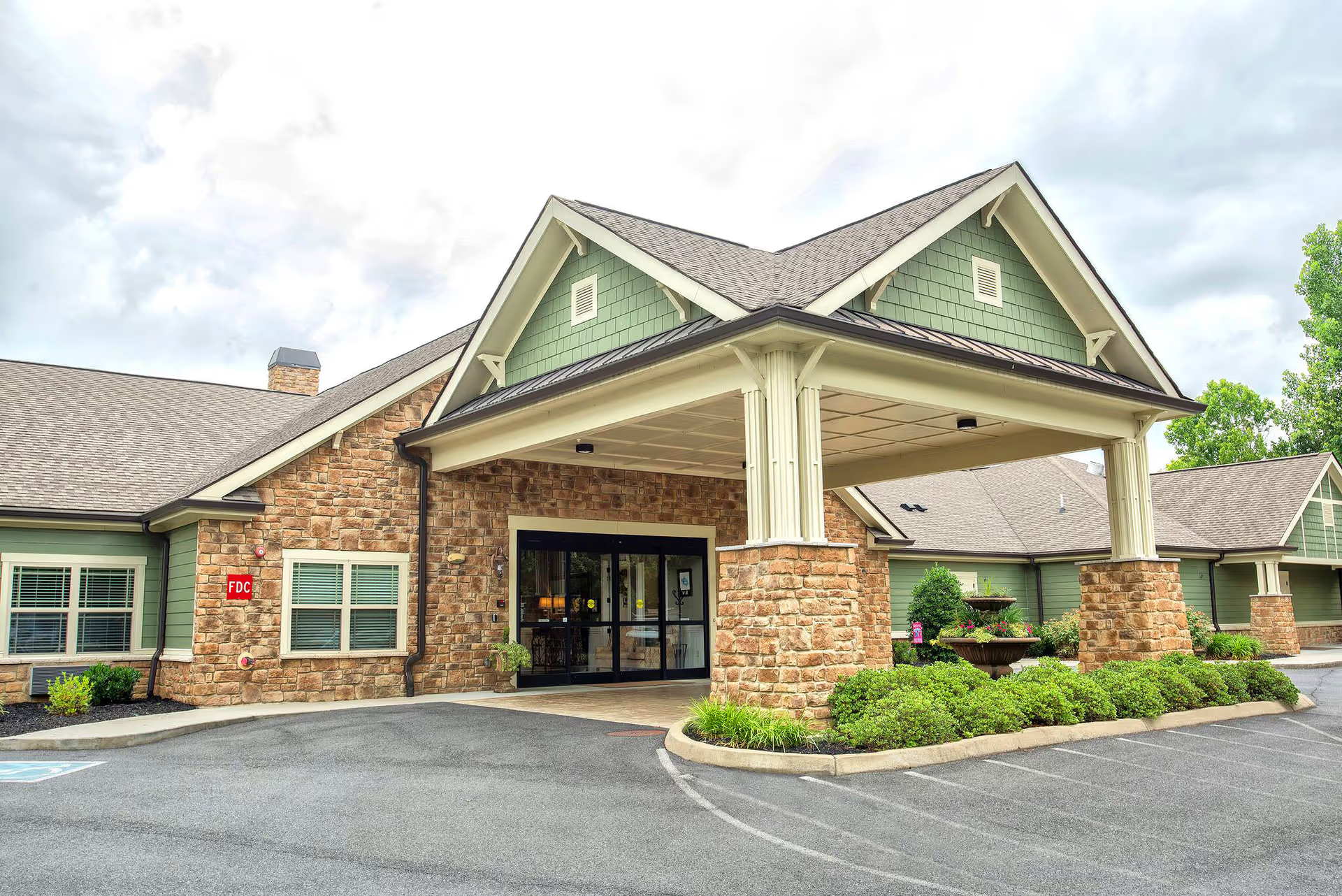
Maggie Valley Nursing and Rehabilitation elicits a broadly mixed but specific pattern of feedback. Many families and residents describe a clean, bright facility with well-kept grounds, welcoming common areas, and a professional admissions process. Short-term rehabilitation services and therapy (PT/OT) are frequently viewed positively, and the facility's activities program—live music, crafts, and therapy-dog visits—receives favorable mention for resident engagement. These operational strengths create a generally home-like atmosphere that several families said exceeded their expectations.
Care quality and staffing present a mixed picture. Numerous reviewers praised compassionate, friendly nursing staff and attentive CNAs who communicate well with families and support individualized recovery plans. However, there is a recurring operational concern about inconsistent staffing levels and hall coverage. That staffing variability is linked in comments to delays in medication administration and pain management, gaps in personal-care assistance (including oral-hygiene support), and instances when a CNA could not be located quickly. These issues suggest intermittent response-time and coverage weaknesses that prospective families should evaluate when assessing care continuity.
Dining and ancillary services show variability. While housekeeping and room maintenance are commonly praised, several comments indicate inconsistent meal quality, a limited menu, and occasional lack of diabetes-specific dietary knowledge in the kitchen. Laundry and property-management controls also surfaced as an operational weakness: lost or damaged personal items and slow resolution of property issues were reported. Maintenance response and the quality of staff training for maintenance tasks were described as uneven in some accounts.
Staff culture and management are areas with polarized perceptions. Many reviews highlight staff who treat residents like family and provide compassionate, reassuring care; others raise concerns about staff professionalism, favoritism, and unprofessional conduct or socializing during shifts. Administrative tone and leadership communication were described as dismissive by some families, which contributed to distress during difficult moments. Additionally, reviewers noted gaps in hospice coordination and billing processes in a few cases, indicating the need for clearer end-of-life coordination and transparent billing practices.
Overall, Maggie Valley Nursing and Rehabilitation offers several clear strengths—clean facilities, strong short-term rehab, engaging activities, and many caring caregivers—paired with consistent themes of operational risk: staffing variability, medication and personal-care response delays, inconsistent dining accommodations, and weaknesses in property management and leadership communication. Prospective residents and families should weigh the positive environment and therapy offerings against the noted variability in staffing and operational consistency. When touring or interviewing, recommended inquiries include current staffing ratios and coverage plans, medication-administration protocols, dietary accommodations for chronic conditions, laundry/property handling procedures, and hospice coordination policies to clarify how the facility addresses the most commonly expressed concerns.