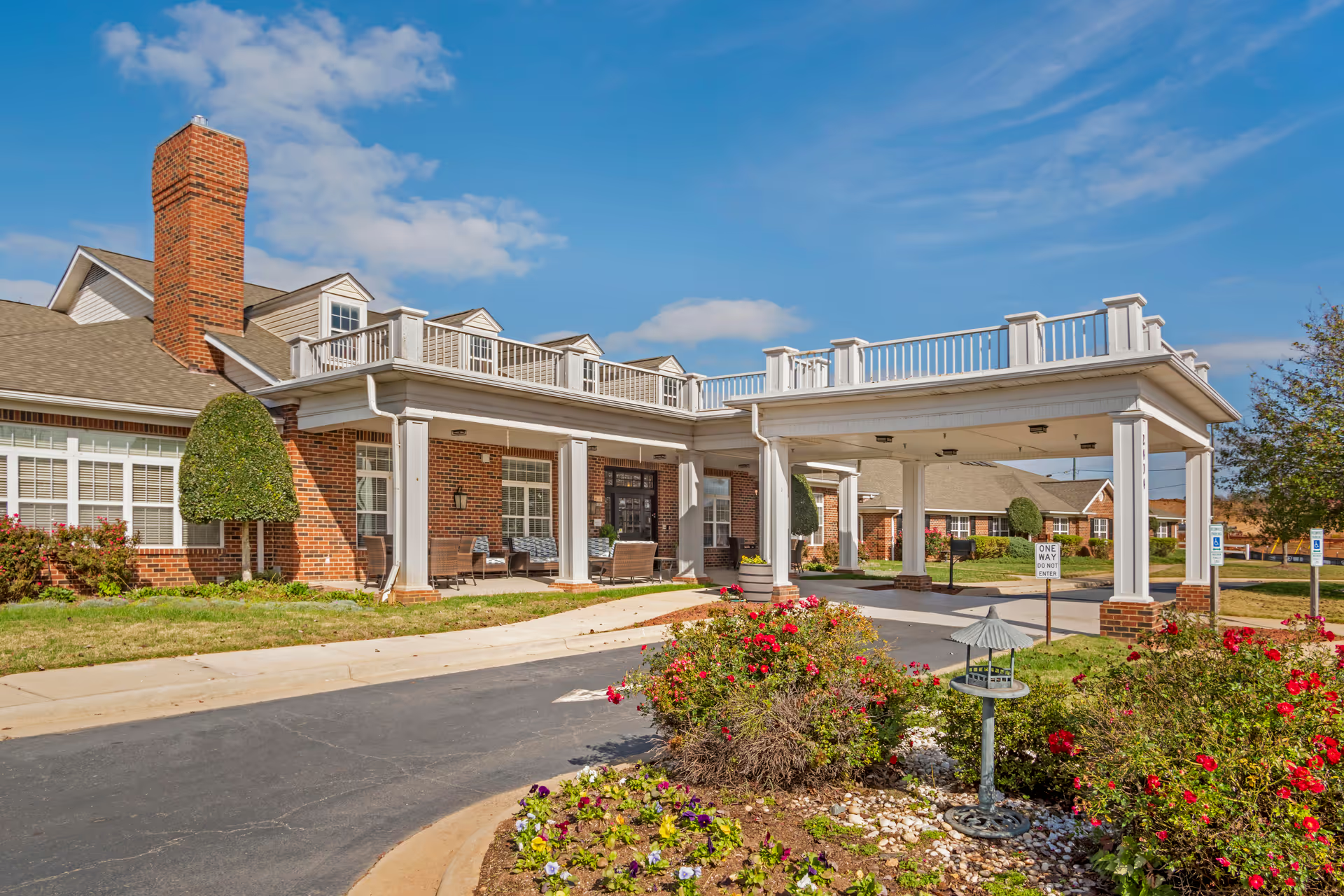
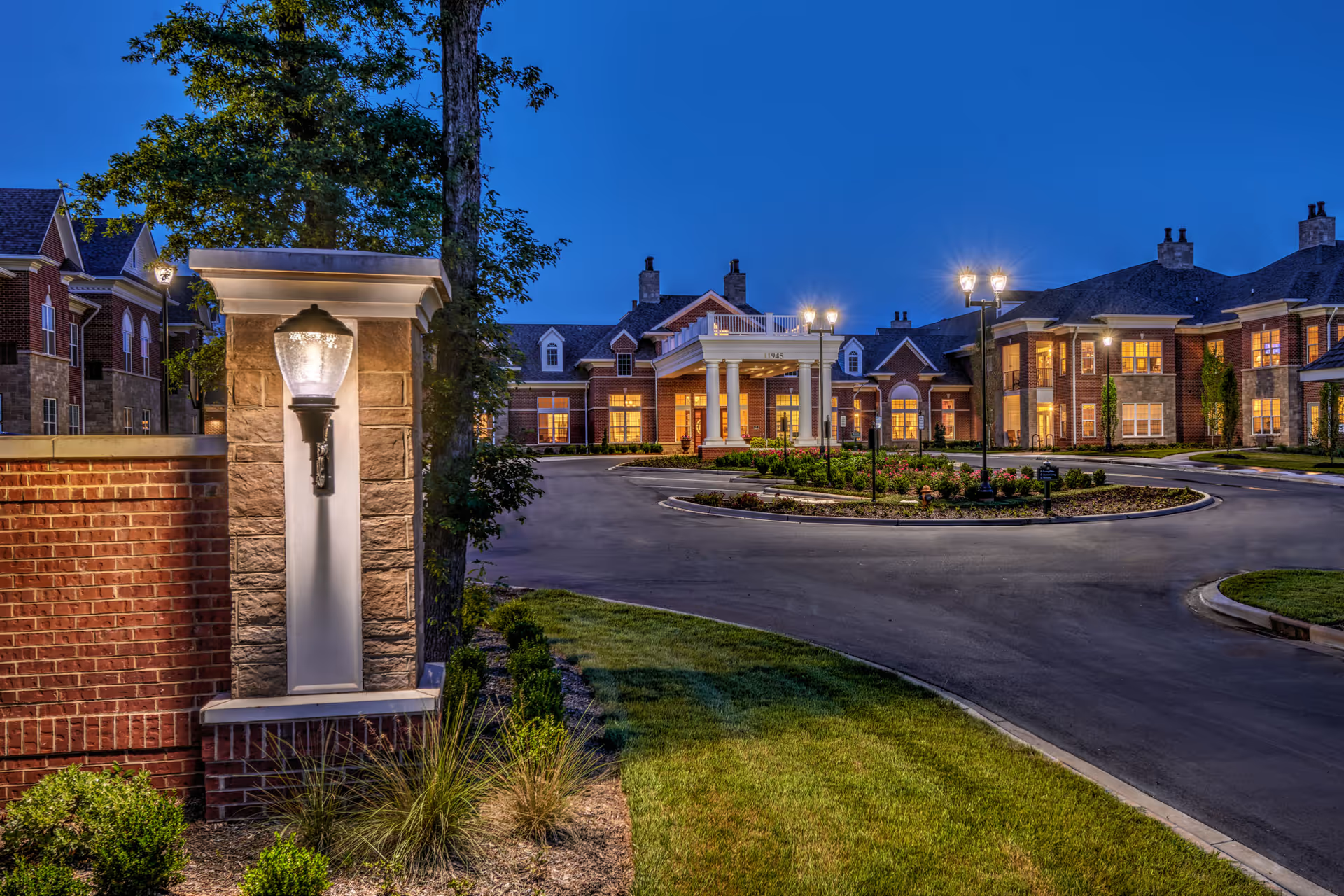
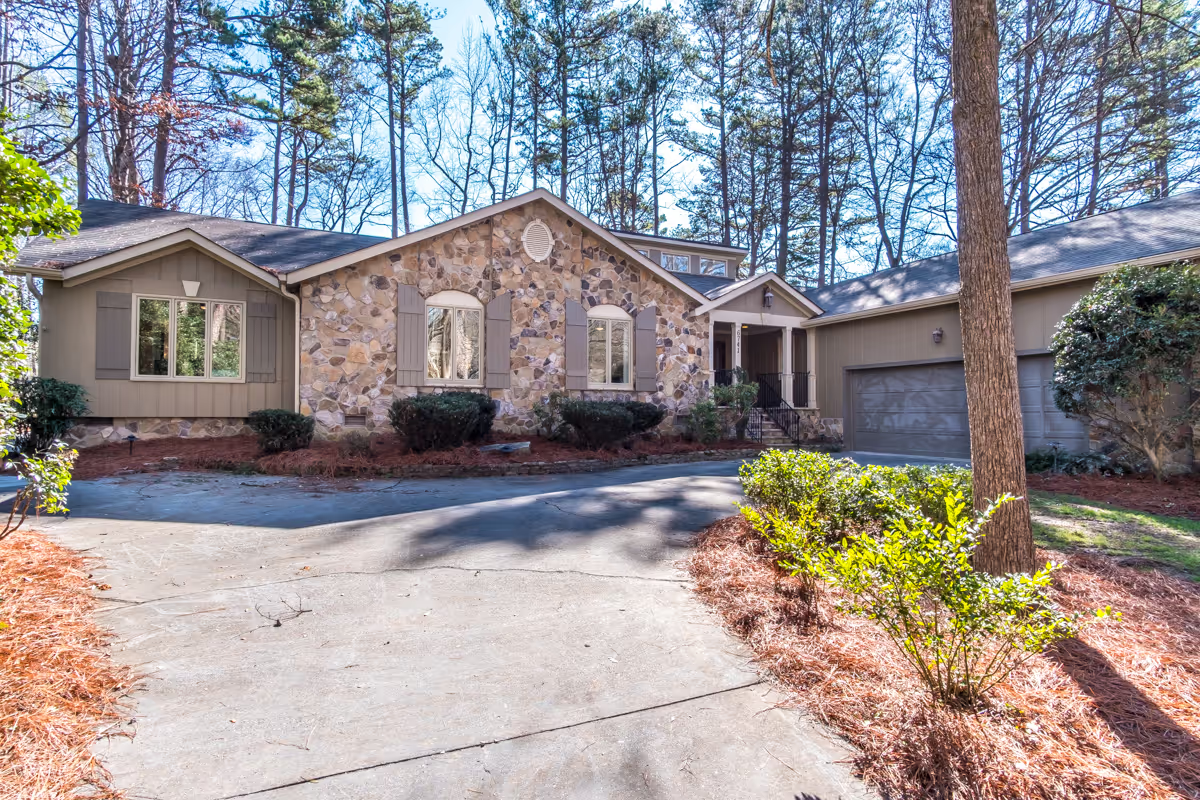
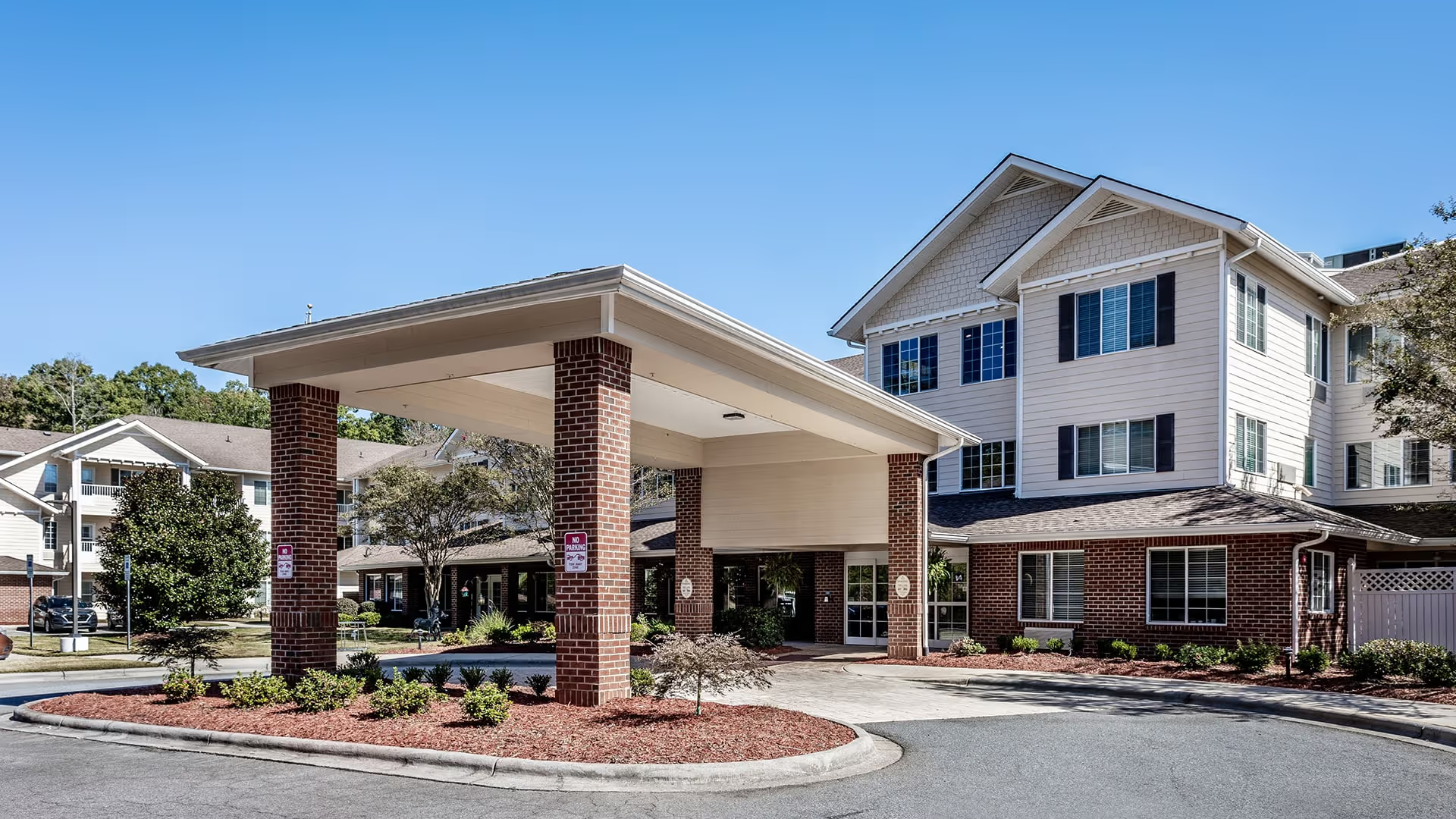
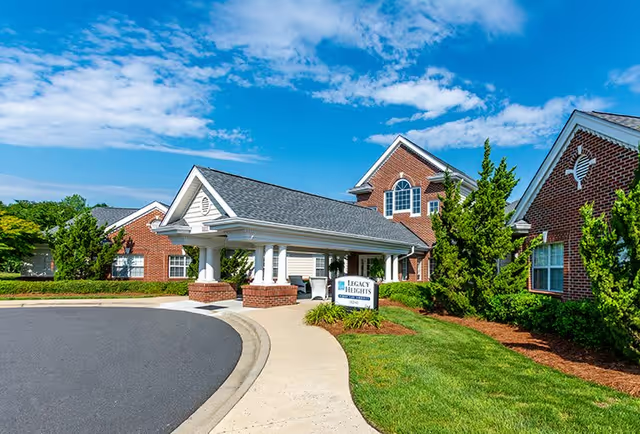
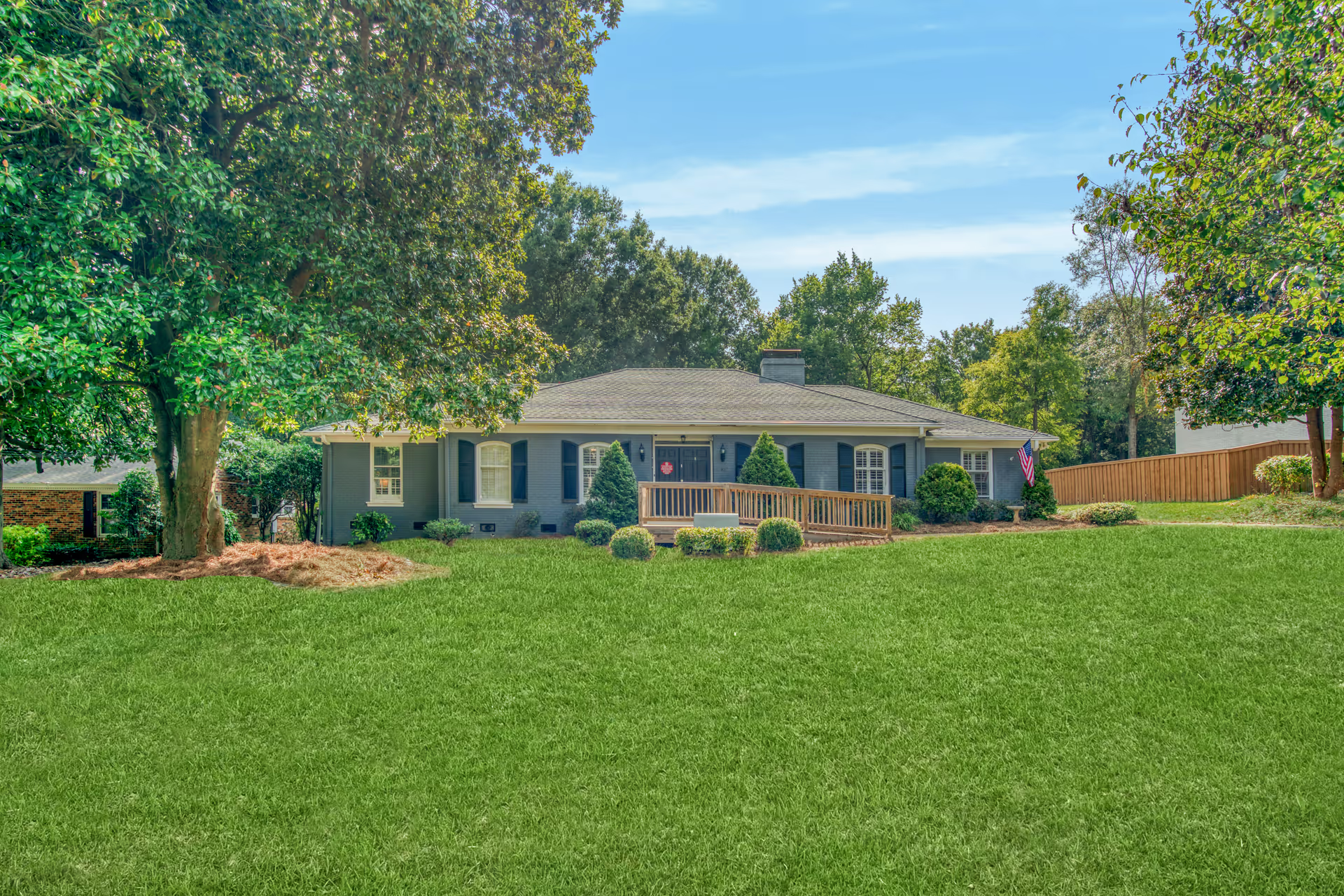
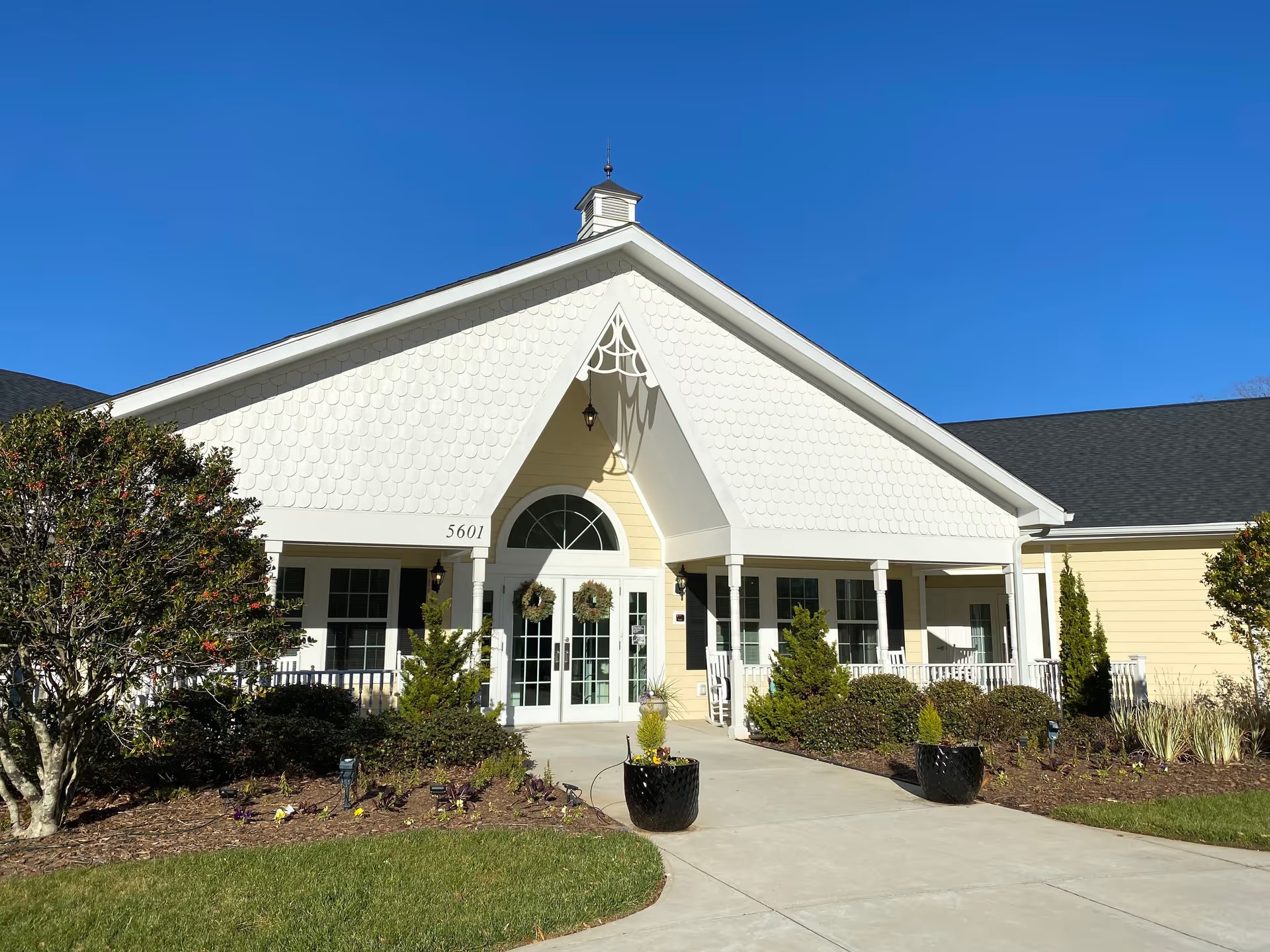
Ambriant at Austin Village is described predominantly as a new, upscale senior living community with strong amenities and a boutique, family-like atmosphere. Many reviewers emphasize the facility's high-end finishes, well‑designed floor plans (one- and two-bedroom options, duplexes), and thoughtful accessibility features such as walk-in showers and scooter-accessible layouts. The property is repeatedly noted as clean and well maintained, with a wooded setting and convenient proximity to shopping and pharmacy services.
Staffing and care quality are frequent strengths in the reviews. Staff are commonly characterized as warm, welcoming and helpful; leadership receives explicit praise in multiple accounts. Several families singled out community directors and staff members for responsive, accommodating interactions. That said, there are also comments indicating variability in responsiveness and service continuity; a minority of accounts describe delays in responding to maintenance needs or building incidents, suggesting that response protocols may be inconsistent in practice.
Dining at the community is generally a positive element: reviewers frequently praise the quality of meals, table service (not buffet), and the inclusion of two meals daily in many pricing plans. Menu items and meal presentation are often commended, and some families report significant improvement in loved ones' happiness and appetite. Conversely, the community operates a mandatory meal-plan policy, and a number of reviewers indicate that special dietary accommodations are not always met. This introduces a trade-off between convenience and individualized dining flexibility that prospective residents should evaluate.
The activity program is broad and active. On-site offerings cited include an exercise-equipped gym and classes, movies, social hours, holiday events, crafts, games, and other resident-driven activities. Physical amenities—movie room, game/craft rooms, screened porches in duplex units, and outdoor areas—support a range of recreational options and social engagement.
Notable patterns to consider: while the dominant impression is of a well-run, attractive, and community-oriented campus with many satisfied residents and families, there are operational concerns raised about maintenance responsiveness and occasional lapses in service consistency. A serious allegation of resident mistreatment appears in the set of summaries; although this is not presented as a pervasive pattern, it is a significant concern that prospective residents and families should inquire about directly. Cost is another recurrent theme: although some reviewers view the all‑inclusive pricing as good value, others consider the community relatively expensive.
For prospective residents and families: a visit and focused questions are advisable. Recommended topics to address include emergency and facilities-response procedures (example scenarios: power/heat outages), dining plan details and processes for handling individual dietary needs, staffing ratios and turnover, maintenance request turnaround times, background-check and conduct policies, and clarification of all-in pricing versus optional add-ons. These checks will help balance the facility's clear strengths in design, amenities, and community culture against the operational concerns raised by a subset of reviewers.