Summit Place of Mooresville elicits a mixed but distinctive profile. Many reviewers describe a welcoming, community-oriented environment with compassionate and personable caregivers, an active programming schedule, attractive outdoor spaces, and useful on-site amenities such as a salon, library, and private-studio accommodations. Admissions and transition support receive repeated praise, and several families highlight timely medication administration, available physical therapy, and staff who know residents by name. For prospective residents who prioritize social engagement, accessible local transportation, and a smaller-community feel, those strengths are prominent.
At the same time, a clear pattern of operational concerns appears in multiple accounts. Clinical oversight and licensed-nurse coverage are described as inconsistent; reviewers note LPNs shared across sites and limited or absent full-time RN presence. Staffing levels are frequently characterized as insufficient—particularly overnight and within locked memory units—which reviewers link to delays in personal care, inconsistent bathing schedules, and gaps in wound or incontinence follow-through. A subset of accounts also raises serious concerns about medication-management practices and end-of-life oversight, which some families feel warrants direct clarification with leadership.
Dining and activities present a mixed picture. Many residents and families praise the dining room, meal variety (two selections plus alternates), and special-event meals; activity staff and regularly scheduled outings draw strong positive remarks. Conversely, others describe variable meal quality, nutrition concerns, and a perception that cost does not always match the level of clinical care provided. Activity offerings appear robust in the general assisted-living areas but are described as limited or insufficiently meaningful for some residents in the locked memory unit.
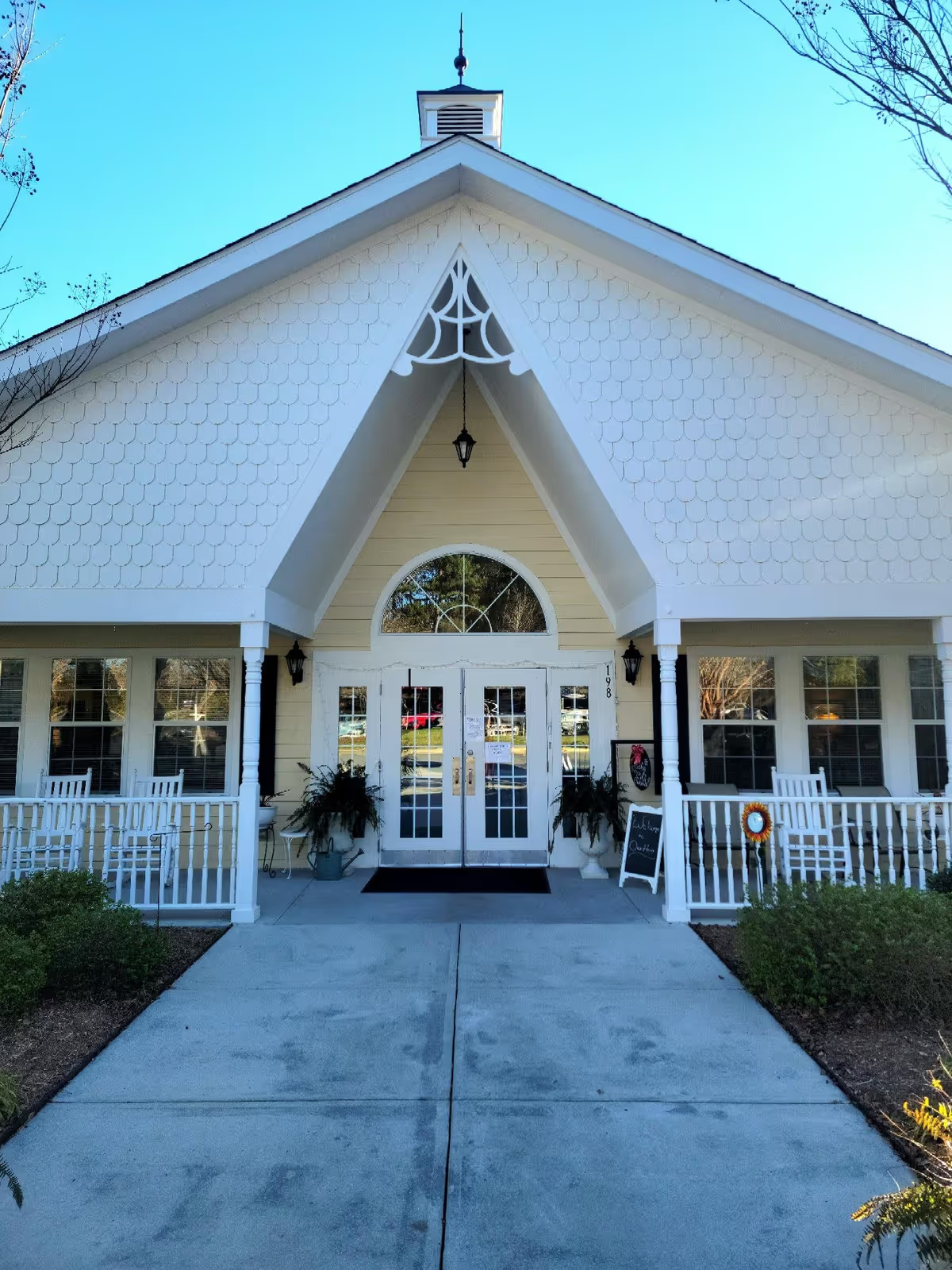
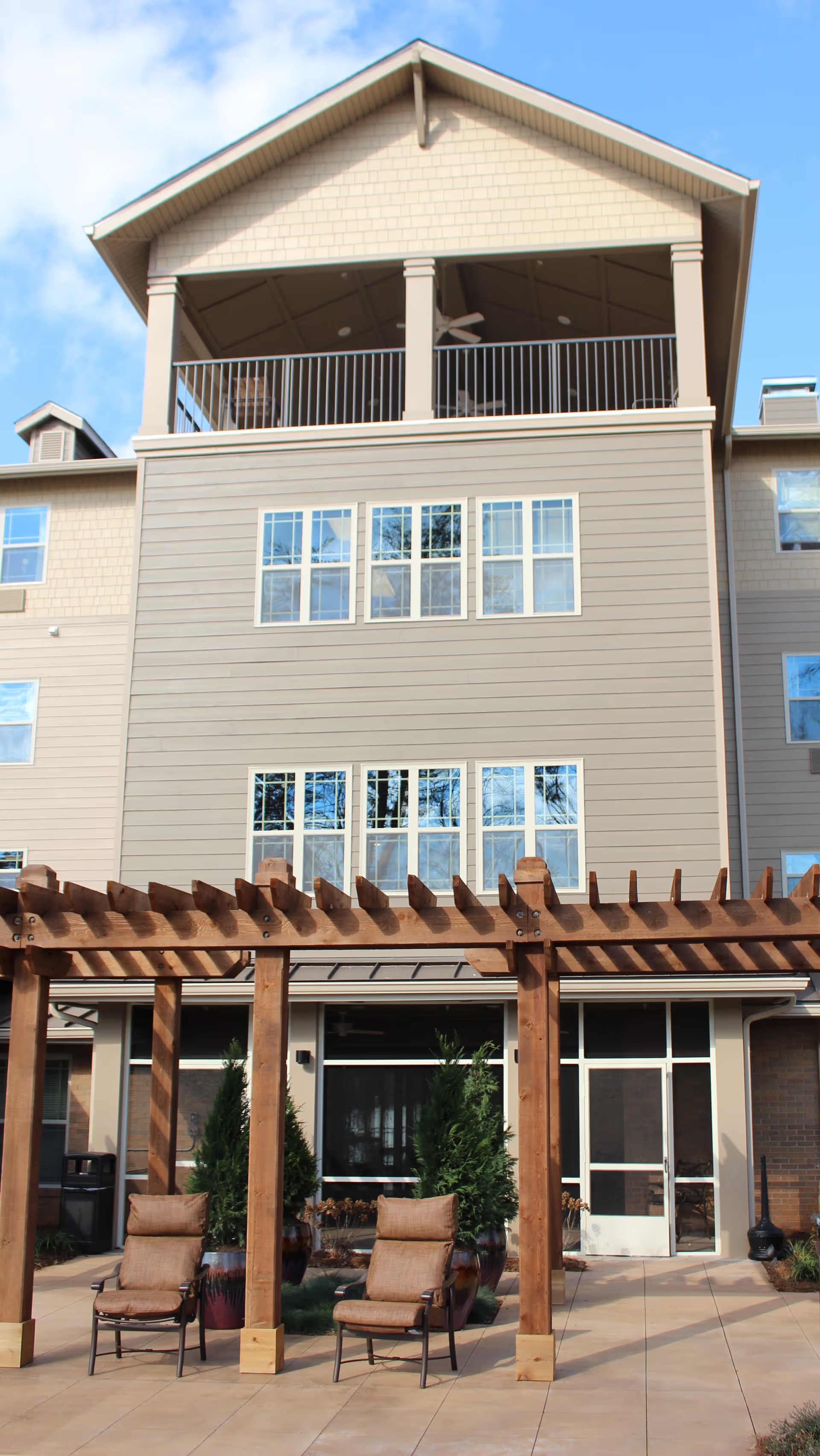
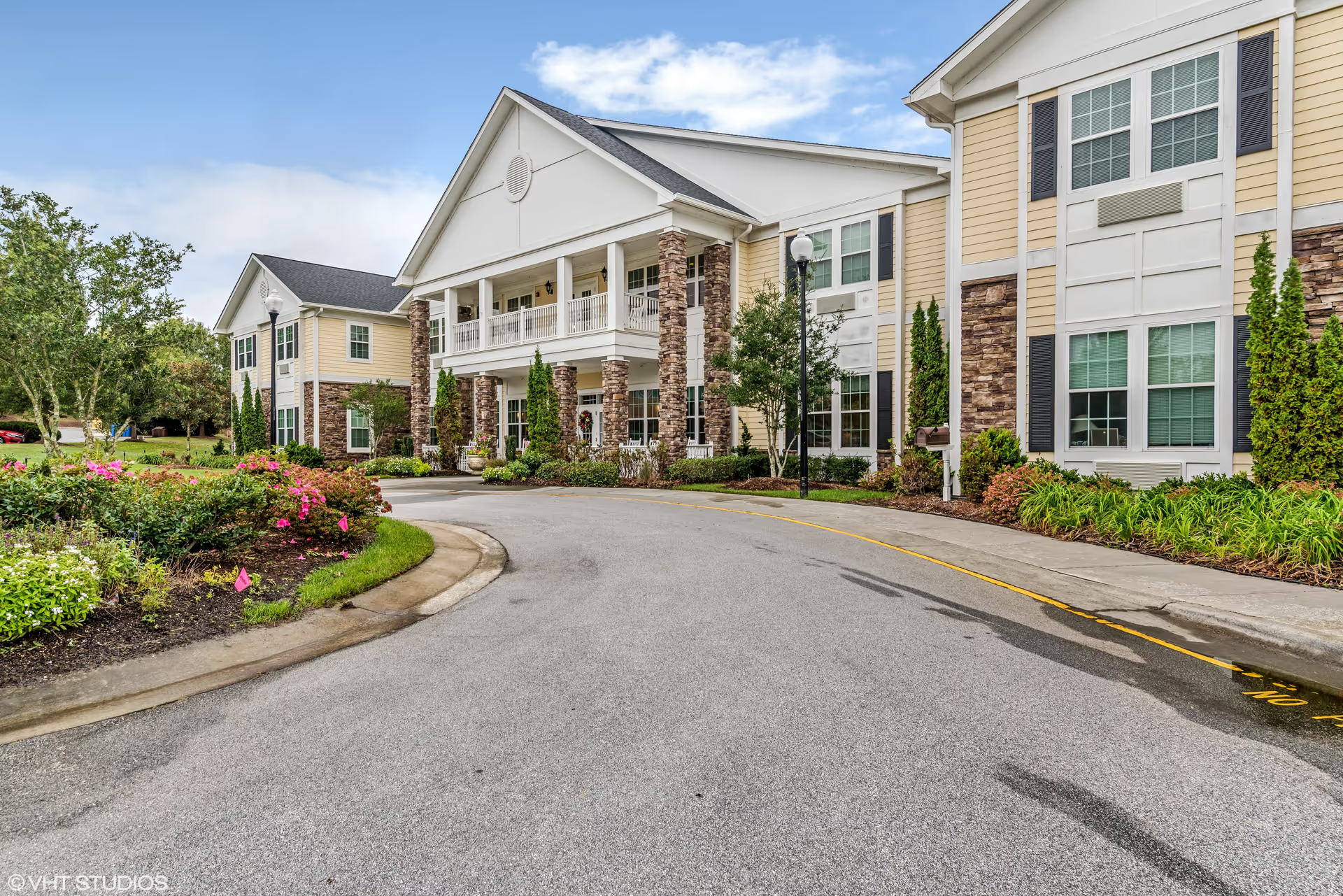
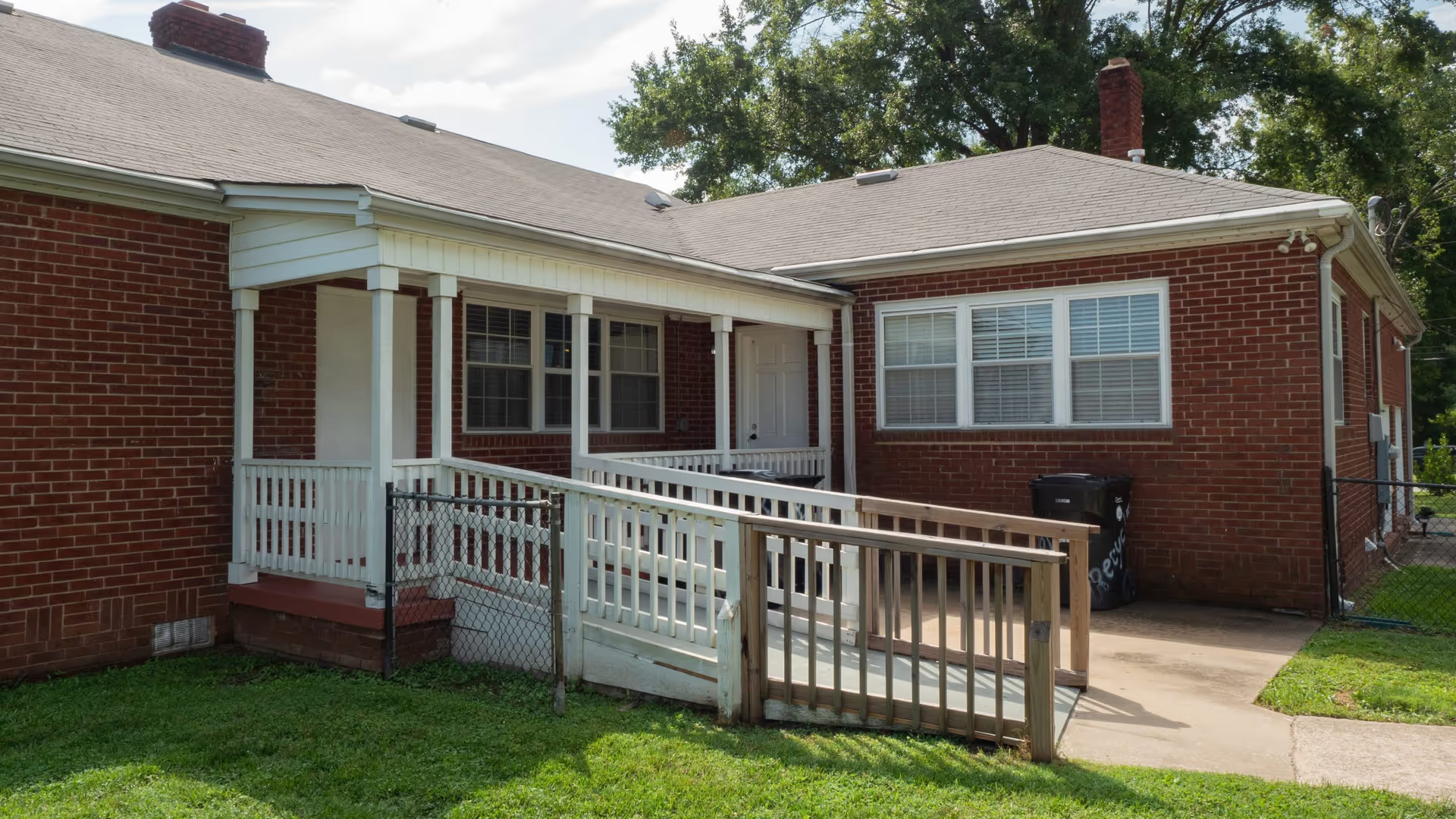
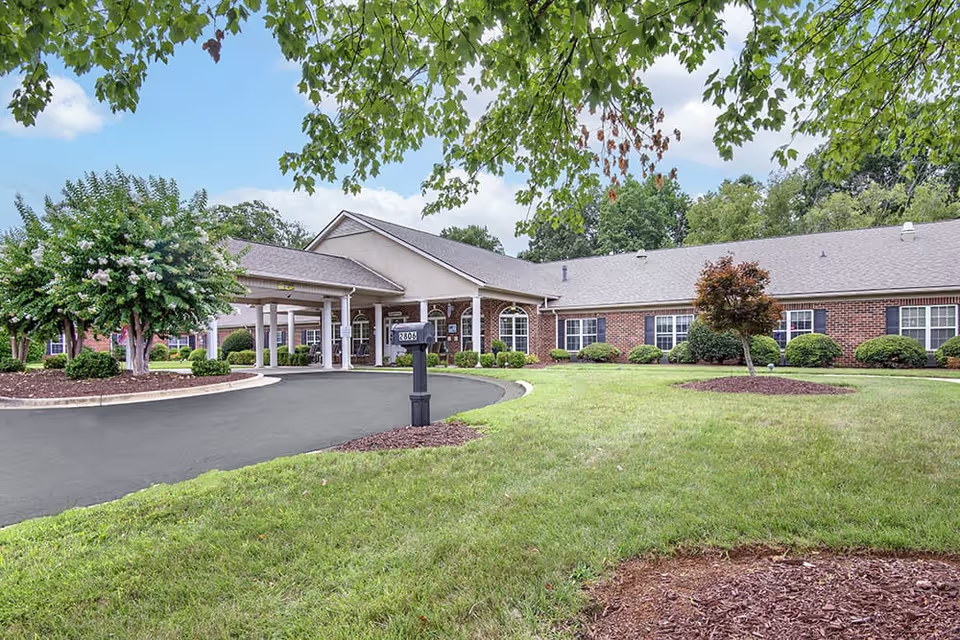
Facility amenities and maintenance are similarly dual-sided. The grounds, garden, and community spaces are frequently noted as pleasant and well maintained, and private apartments are described as comfortable. However, reviewers also report housekeeping inconsistencies, occasional maintenance issues in resident rooms and bathrooms, and pest-control concerns in parts of the building. There are also isolated descriptions of security-process lapses, such as doors left open or delayed emergency responses, that suggest prospective families should confirm current practices.
Management and staff culture vary by account. Several reviewers single out the executive and admissions directors for accessible, supportive leadership and effective move-in advocacy. Others describe unresponsive or defensive management, inconsistent follow-up on complaints, and variability in frontline staff attentiveness (for example, phone use or curt communication). Cost transparency and value are recurring themes—families recommend asking detailed financial and staffing questions during touring.
Bottom line: Summit Place offers many strengths typical of a community-focused assisted-living campus—engaging activities, pleasant amenities, and compassionate caregivers—but it also shows recurring operational weaknesses around clinical staffing, consistency of personal care and housekeeping, medication-management oversight, and management responsiveness. Prospective residents and families should tour in person, observe day and night staffing, request current nursing-staffing patterns and medication protocols, review memory-unit programming, and ask about pest-control and maintenance records to determine whether the community’s strengths align with the level of clinical oversight and day-to-day care they require.