Review content clusters into two clear patterns: many families describe a small, warm, home-like community with highly engaged staff and strong activity programming, while other narratives identify operational weaknesses that affect day-to-day care and family confidence. Strengths most frequently cited relate to staff engagement, memory-care programming, social programming, and the facility’s physical environment. Operational concerns center on staffing levels, cleanliness and personal-care consistency, billing transparency, and medication or incident-handling processes.
Care and staff: Numerous accounts praise individual caregivers and program leaders for personalized attention, kindness, and efforts to involve residents in activities. Memory-care leadership and dedicated coordinators receive repeated positive mention. Conversely, there are persistent comments about understaffing, staff turnover, inconsistent caregiver skill levels, delays in responsiveness, and inconsistent personal-care assistance (including bathing and continence-related delays). Several families raised concerns about medication management and documentation practices. Overall, staffing quality appears uneven—highly positive in some interactions and deficient in others—creating variable care experiences across residents.
Dining: The facility’s dining environment and restaurant-style service receive repeated commendation, and several reviewers described attractive dining rooms and pleasant meal presentations. At the same time, there are recurring complaints about meal variety, portion sizes, temperature, seasoning, and occasional gaps between menu expectations and delivered meals. Dining quality appears inconsistent: some families are very satisfied, while others flag the food program and service continuity as areas for improvement.
Activities and social life: Activity programming is a clear strength. Families note a robust calendar, memory games, outings, exercise classes, themed events, and dedicated spaces (mini-theater, activity rooms). Activity directors and program coordinators are frequently singled out for keeping residents engaged and socially connected. The small community scale supports higher participation and a family-like social atmosphere for many residents.
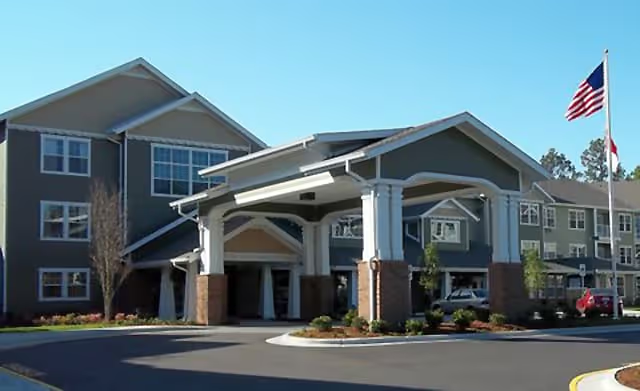
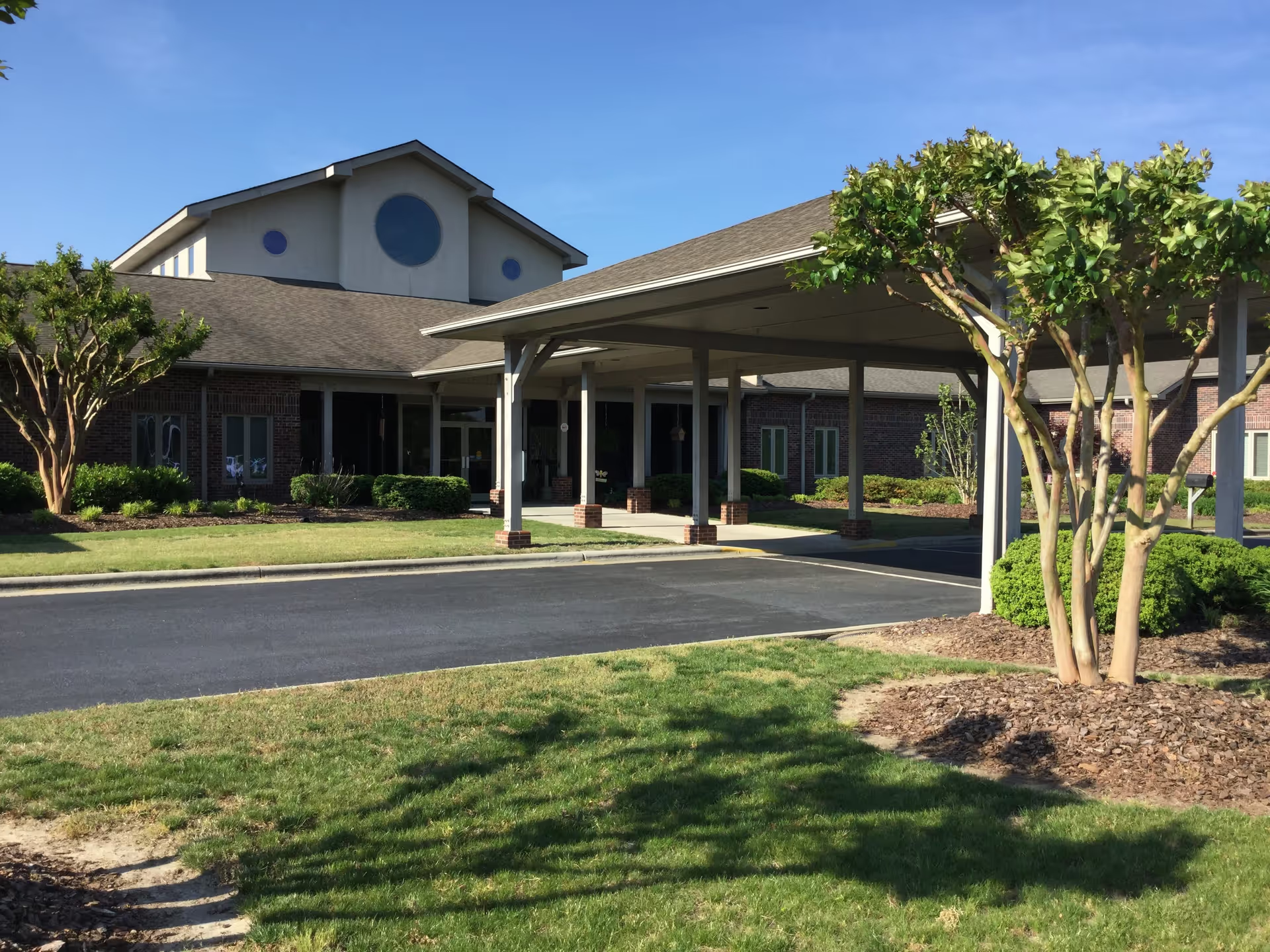
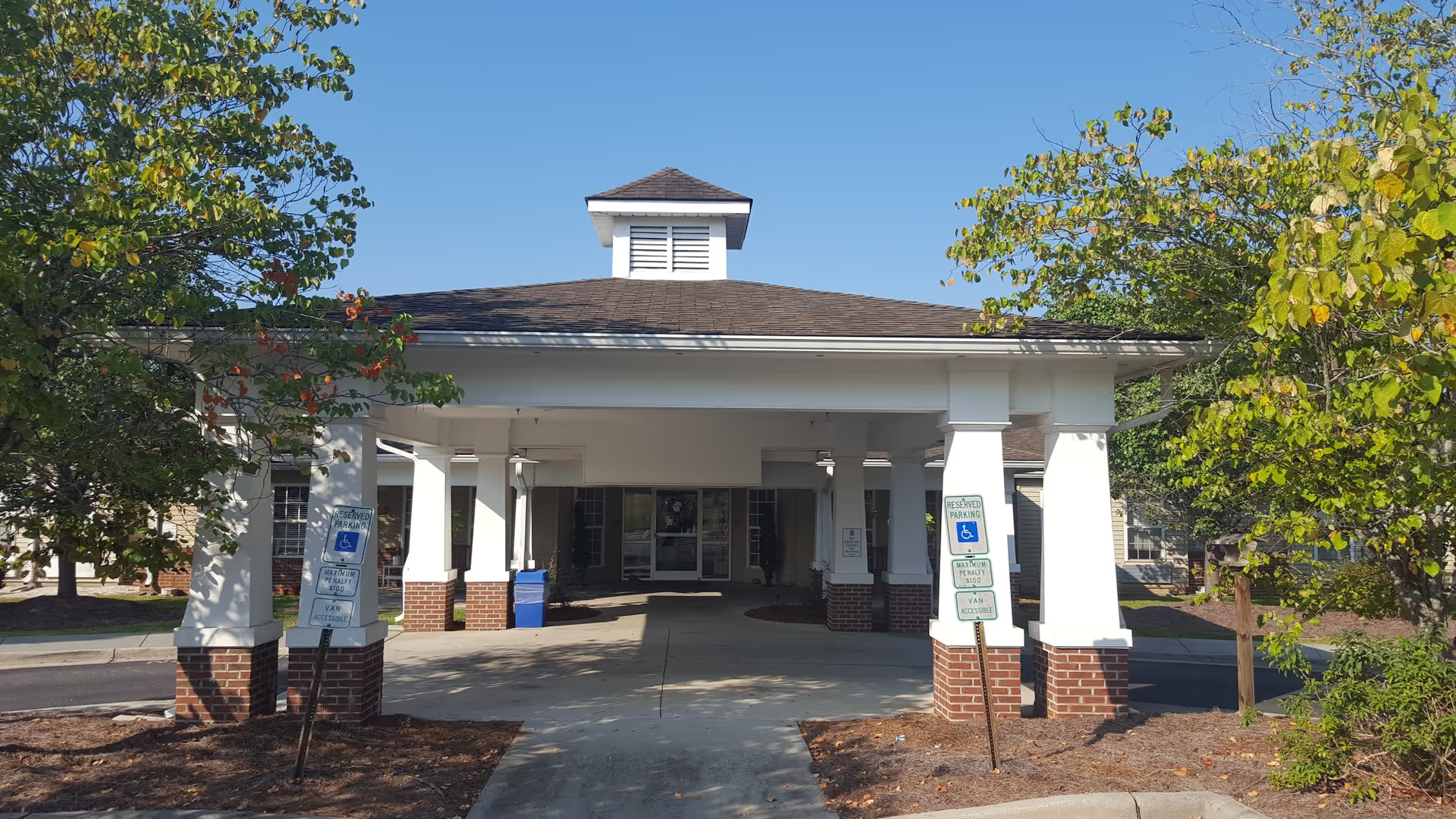
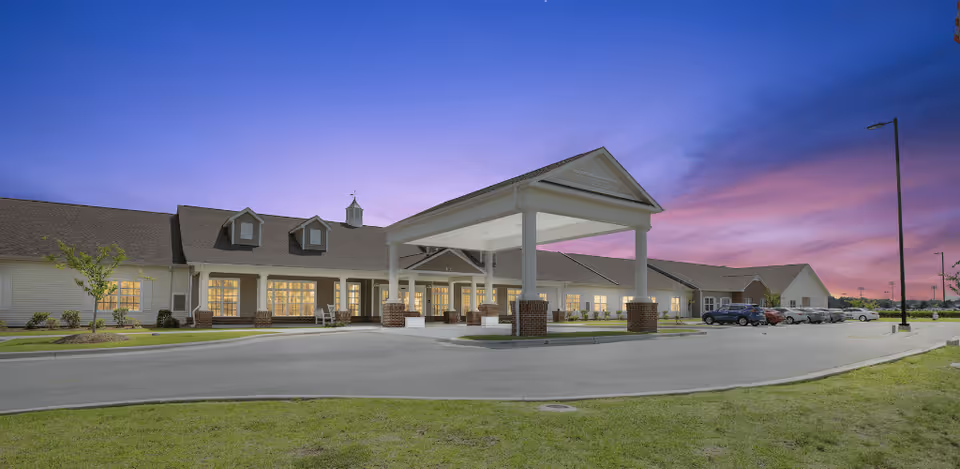
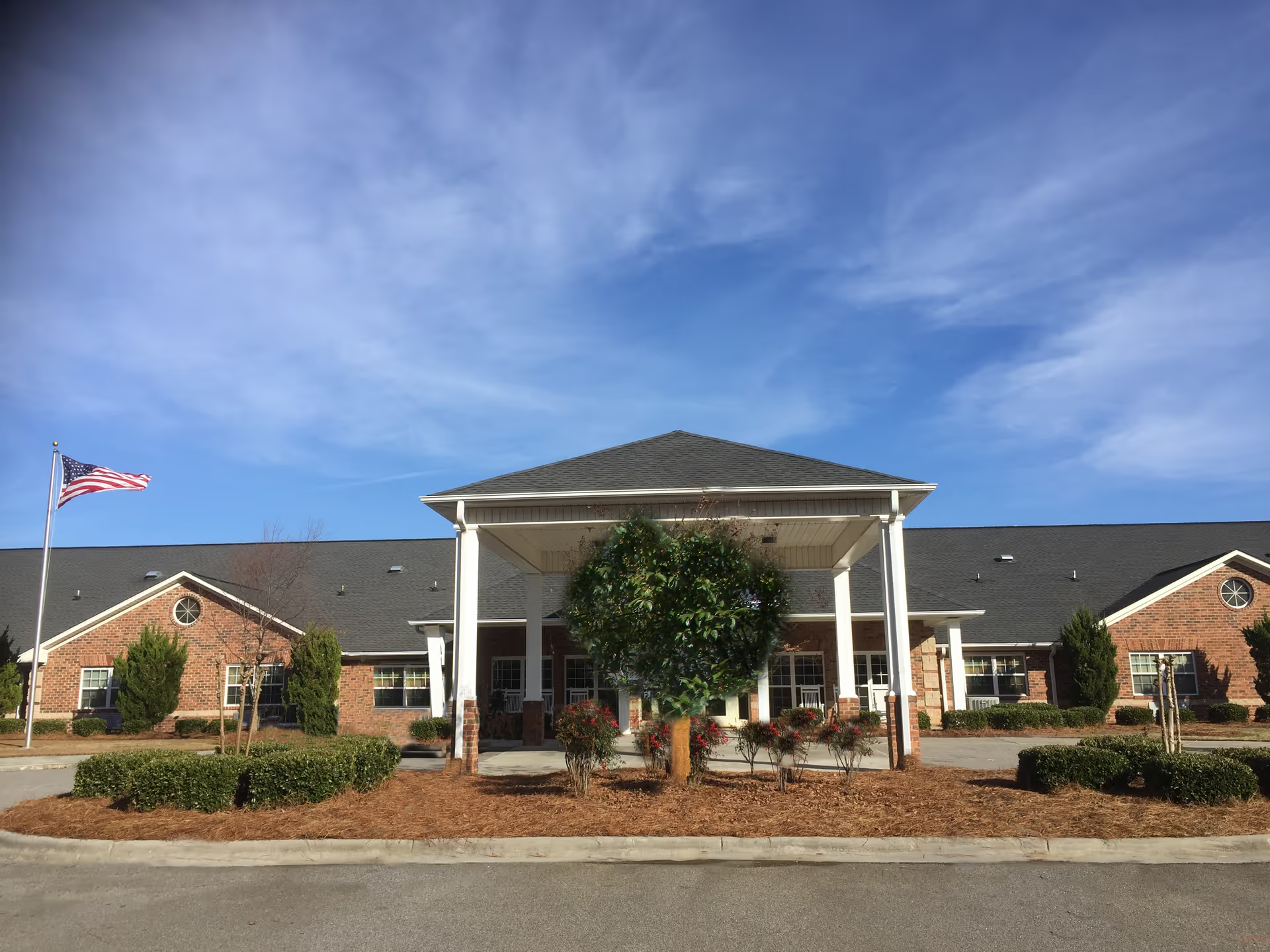
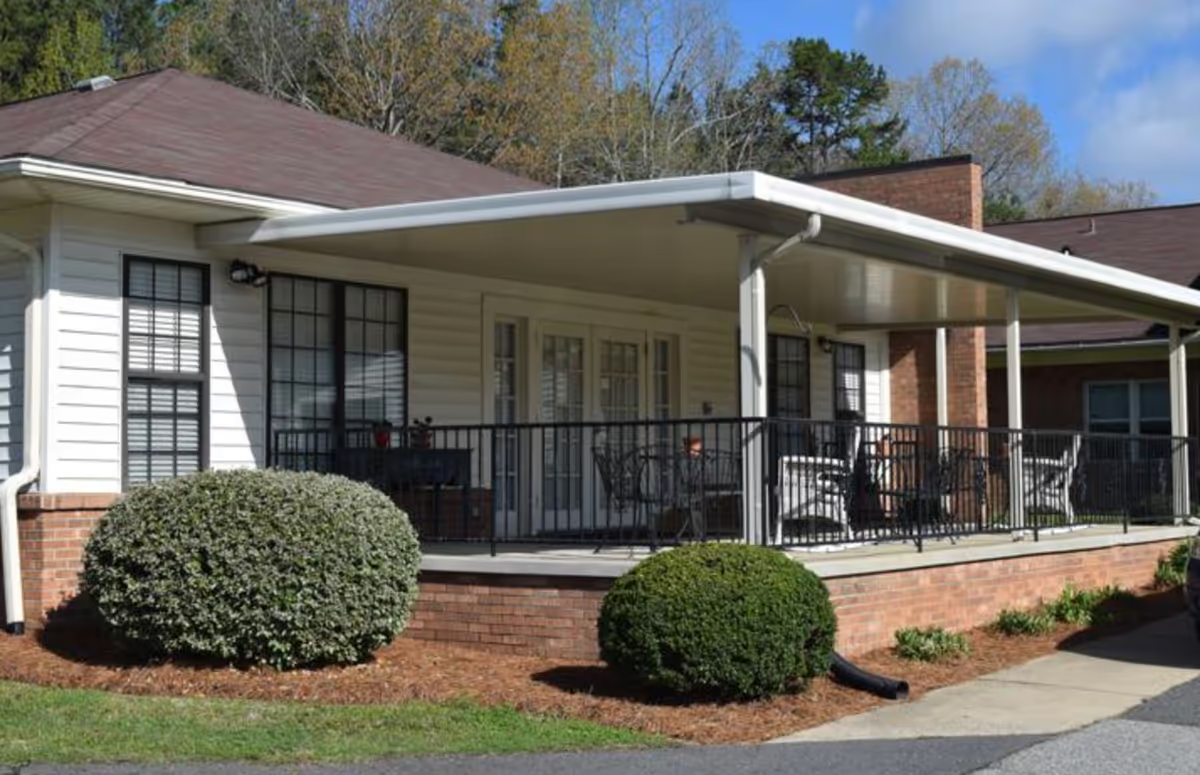
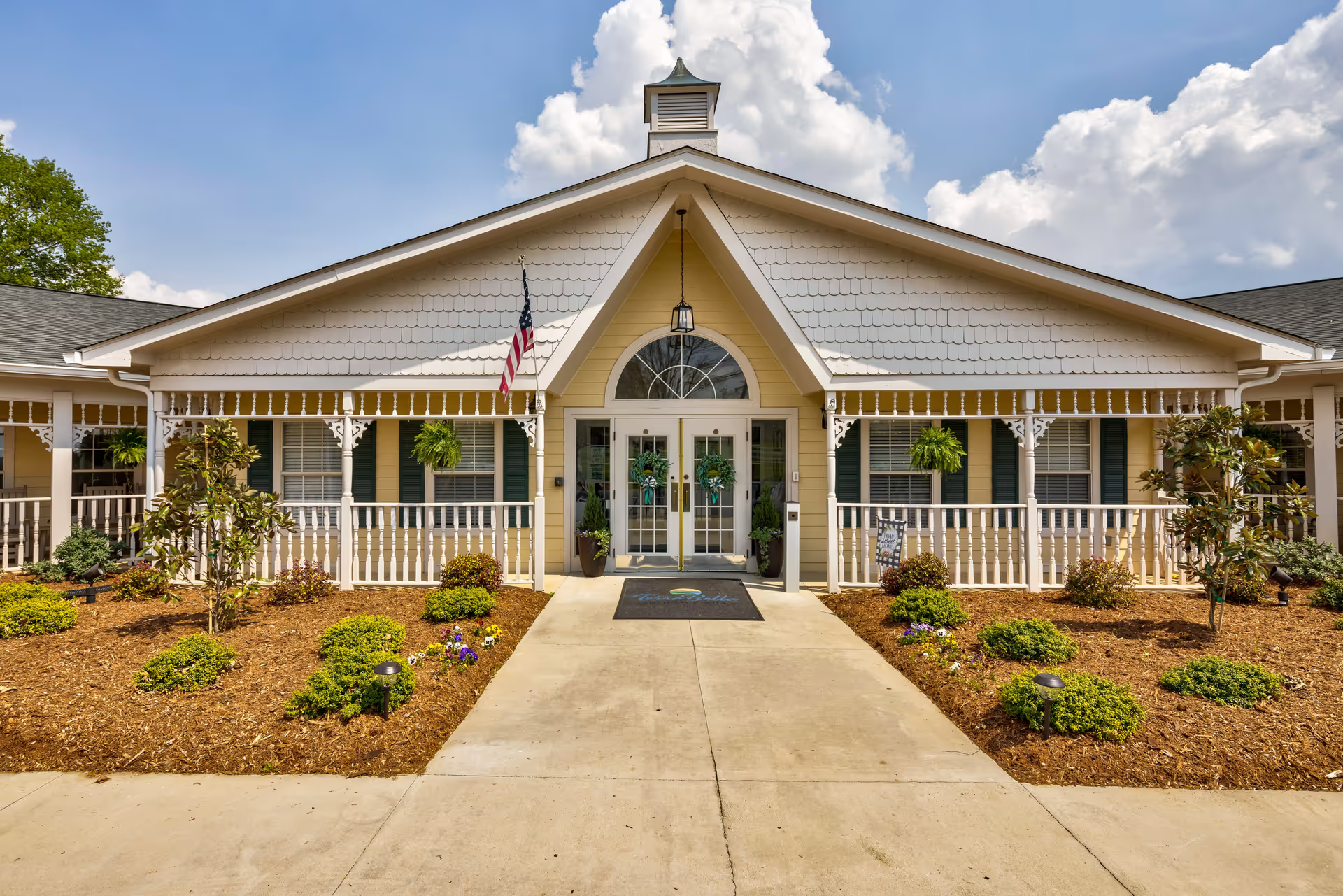
Facilities and amenities: The building layout, screened porches, private courtyard, walking areas, and on-site amenities such as a salon and therapy services are consistently noted as positives. Apartments are described as comfortable and customizable, with options for kitchenettes in some units. At the same time, there are intermittent reports of localized sanitation or odor concerns in certain areas, the need for cosmetic or maintenance updates in some units, and isolated safety practice gaps (for example, fall-prevention equipment or bedside protections). Overall, the campus and grounds are generally well regarded but show variability in unit-level upkeep.
Management and administration: Reviews reflect a mixed picture of leadership and administrative processes. Some families praise responsive directors and admission staff who facilitate moves and follow up on concerns. Others describe inconsistent communication, billing irregularities or unexpected add-on charges, and difficulty obtaining timely responses after hours. There are also mentions of inconsistent infection-control and quarantine handling during recent respiratory events. These administrative inconsistencies contribute substantially to variation in family satisfaction.
Notable patterns and guidance for prospective families: The dominant pattern is polarization—many families report exemplary personal care, engaging programming, and a nurturing community, while others report operational lapses that materially affect daily care. Prospective residents and families should balance observed interpersonal strengths (staff warmth, activity engagement, memory-care leadership, and facility amenities) against operational questions about staffing ratios, hygiene and bathing protocols, medication administration procedures, billing transparency, and documented incident/communication processes. A focused tour and targeted questions on those topics are advisable to assess how the facility’s day-to-day operations align with a particular resident’s needs.