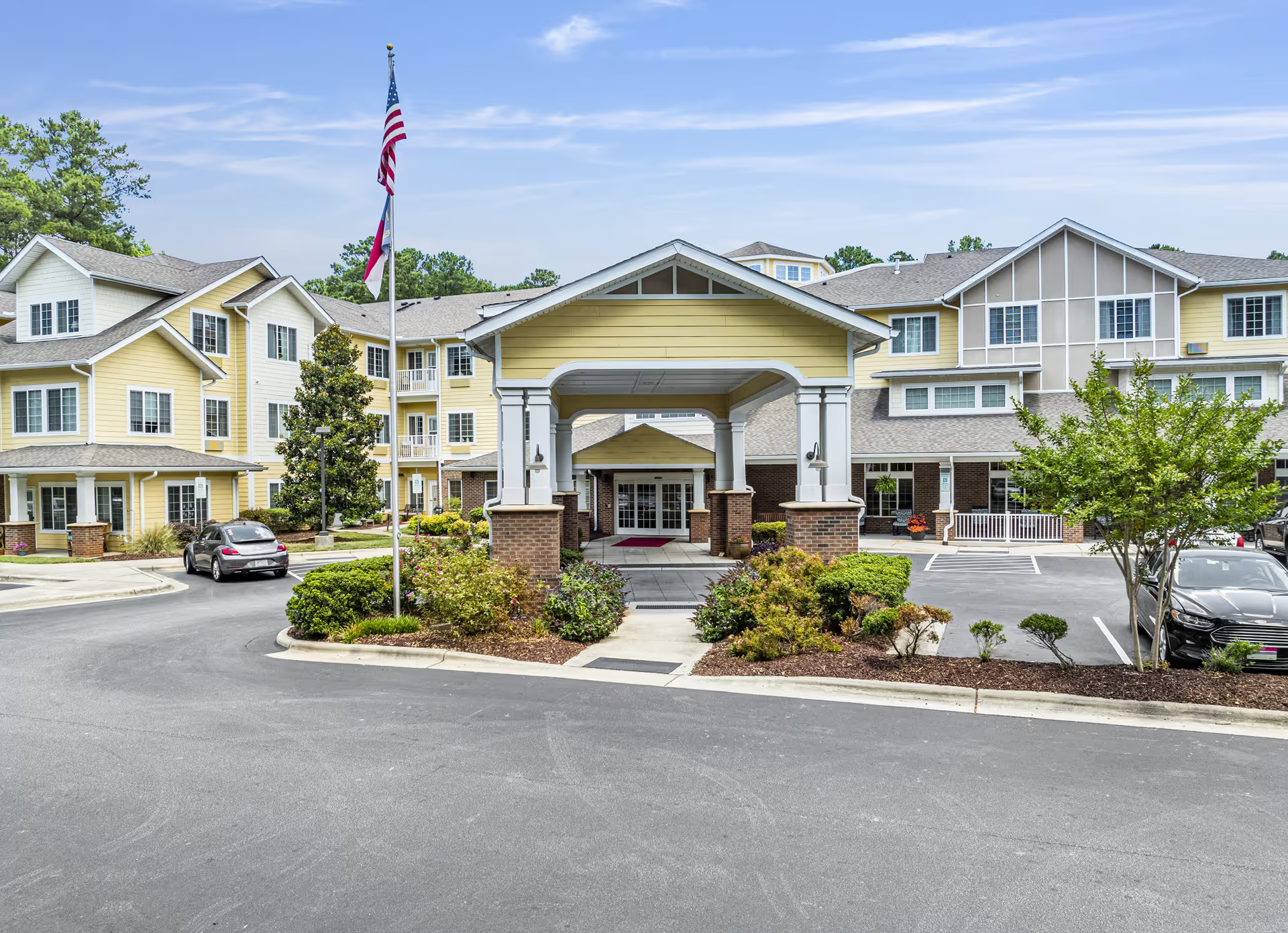
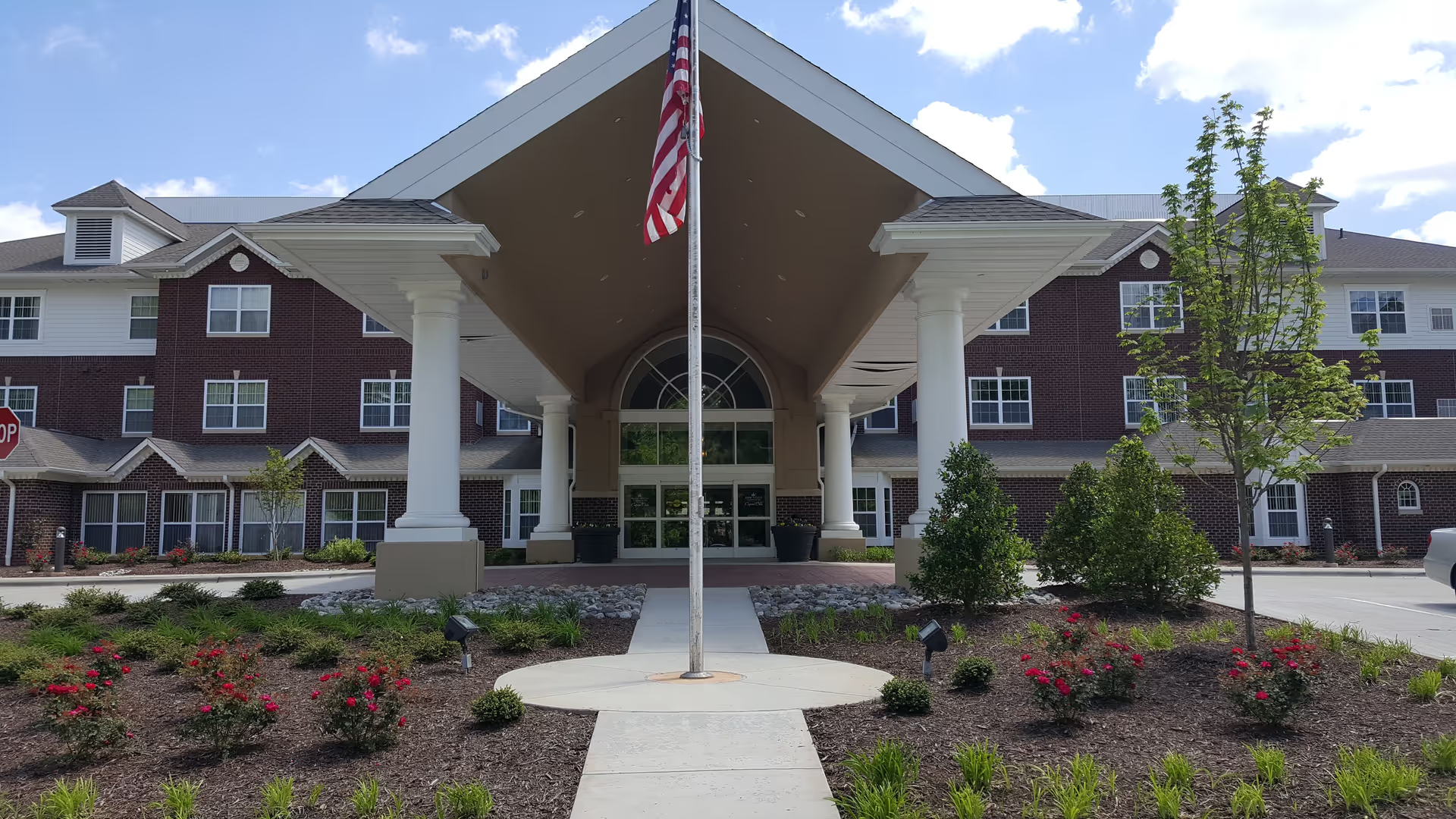
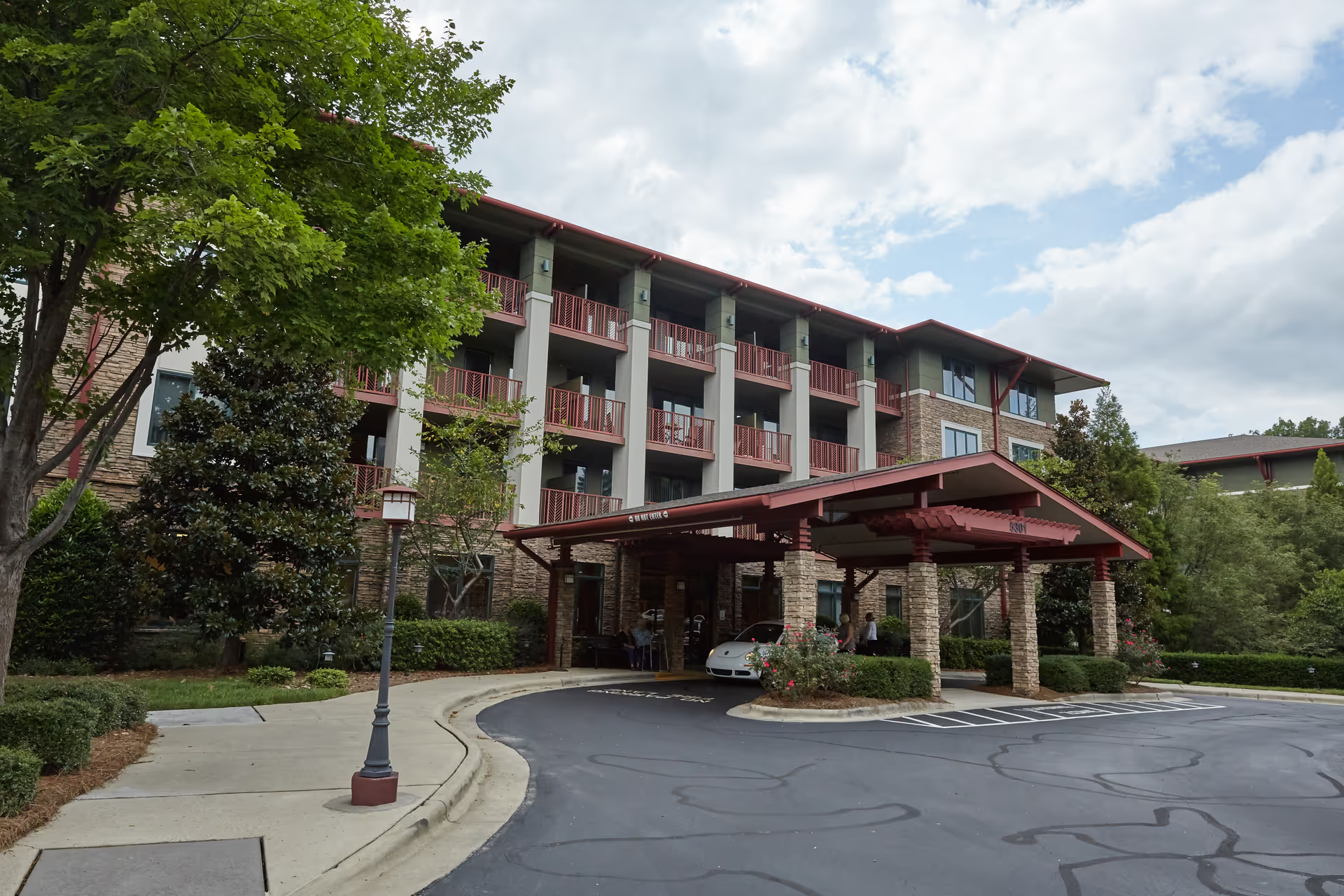
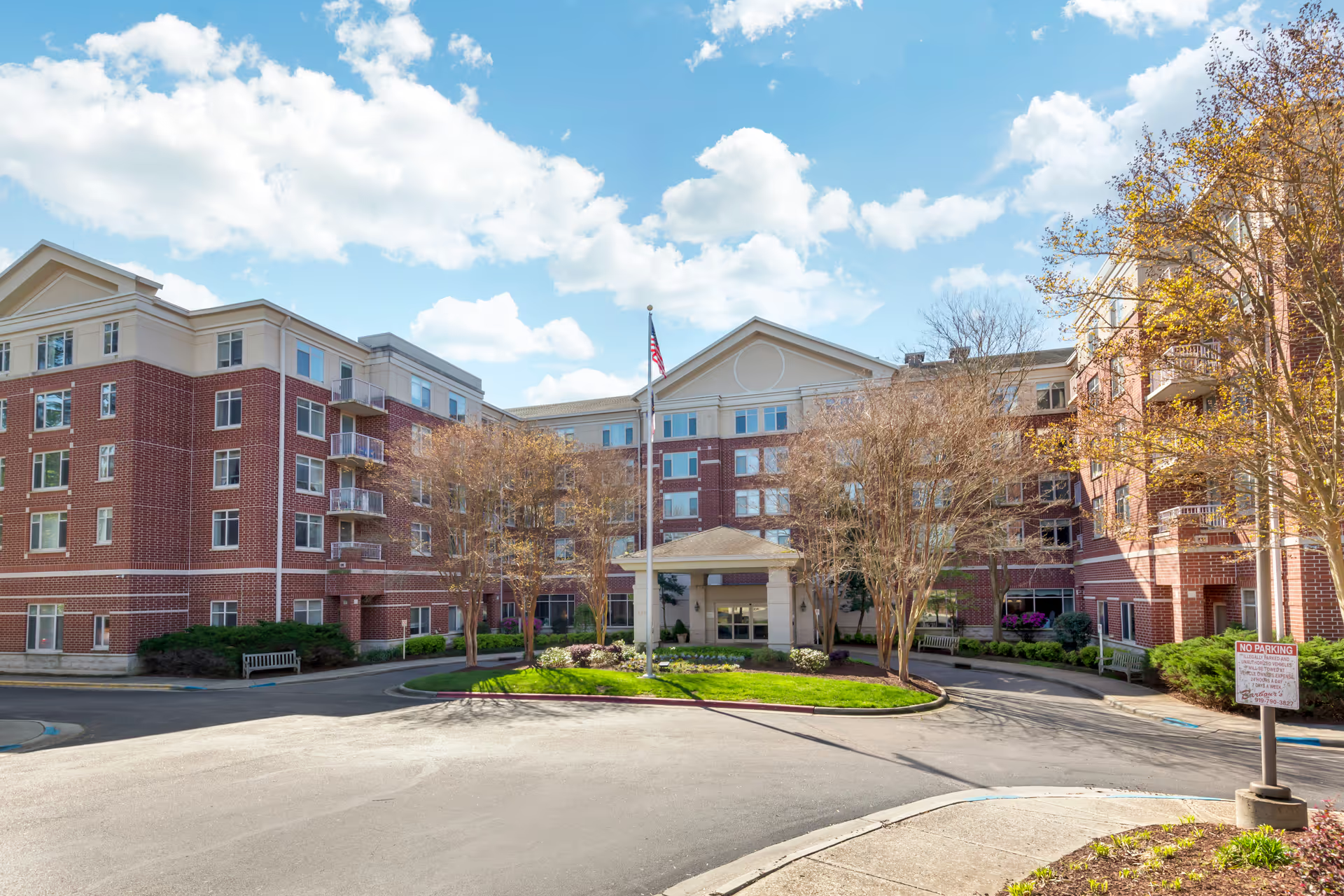
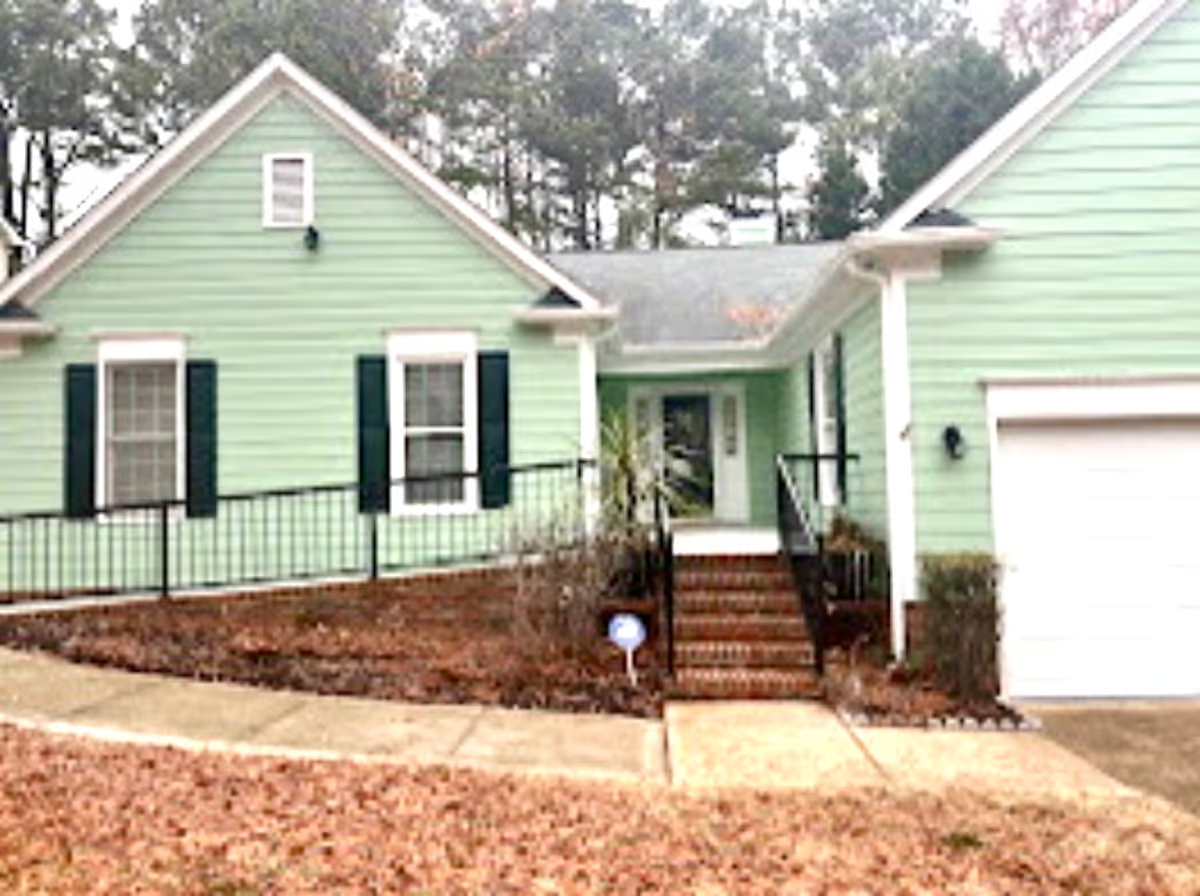
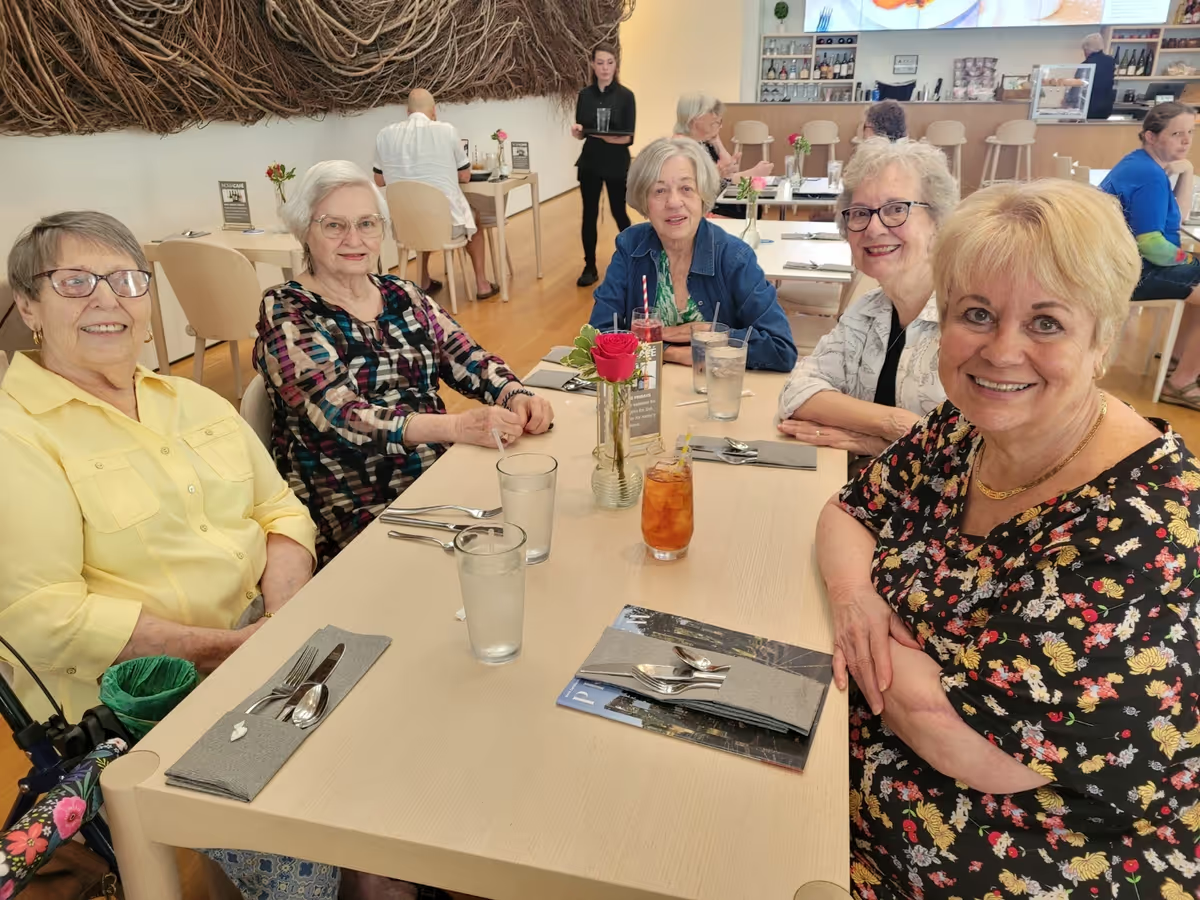
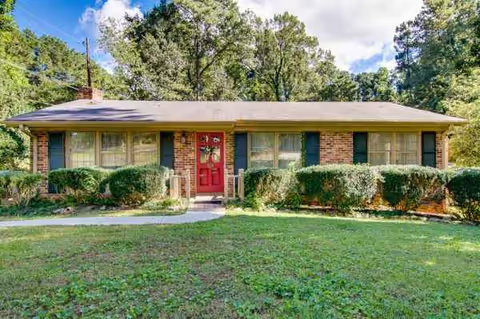
Abbotswood at Stonehenge is consistently described as a well‑maintained, home‑like independent living community with strong emphasis on resident well‑being and social engagement. Reviewers highlight a stable, compassionate staff and proactive management that foster welcoming relationships between residents, families, and caregivers. Cleanliness, tasteful common areas (including a piano and fireplace), and household amenities such as a library and salon contribute to an environment many describe as comfortable and reassuring.
Care quality is portrayed as attentive and family‑oriented for independent and low‑assistance residents. The community offers on‑site therapy, medication support, an on‑site pharmacy, and visiting physicians, with accounts of timely emergency response and monitored transitions to higher levels of care when needed. At the same time, the facility appears oriented primarily toward independent living; reviewers repeatedly indicate that residents with higher acuity needs may outgrow the setting because nursing‑level services are limited. Several comments also point to periodic delays in call response during higher‑demand periods, which suggests staffing and responsiveness can vary with resident acuity.
Dining and programming are frequent strengths: three meals daily, a noted chef, healthy menu options, and frequent social dining arrangements are commonly praised. Activity offerings are broad—art, music, games, trivia, dominoes, religious services, and regular outings and field trips—and many residents report active social lives and opportunities for fellowship. That said, there are occasional references to cafeteria‑style service, limited dining choices at times, small portion sizes, and intermittent gaps in group programming continuity, indicating some variability in day‑to‑day operations.
Facility design and amenities are generally well regarded: comfortable one‑ and two‑bedroom apartments, bright common spaces, downstairs patios, and transportation for appointments. However, operational constraints affect mobility‑impaired residents in parts of the building—narrow bathrooms and constrained wheelchair maneuverability are recurring practical concerns. Some units are described as compact or having dated/sparse finishes, and a few families note a perceived premium in pricing and additional meal‑plan charges that may affect perceived value.
Overall patterns point to a community that delivers a strong independent living experience with attentive, long‑tenured staff, robust social programming, and dependable on‑site clinical resources for low‑to‑moderate needs. Prospective residents and families should weigh the facility’s strengths in hospitality, social engagement, and maintenance against accessibility constraints, the limited scope for high‑acuity nursing care, occasional responsiveness variability, and cost considerations when assessing fit for higher‑need individuals.