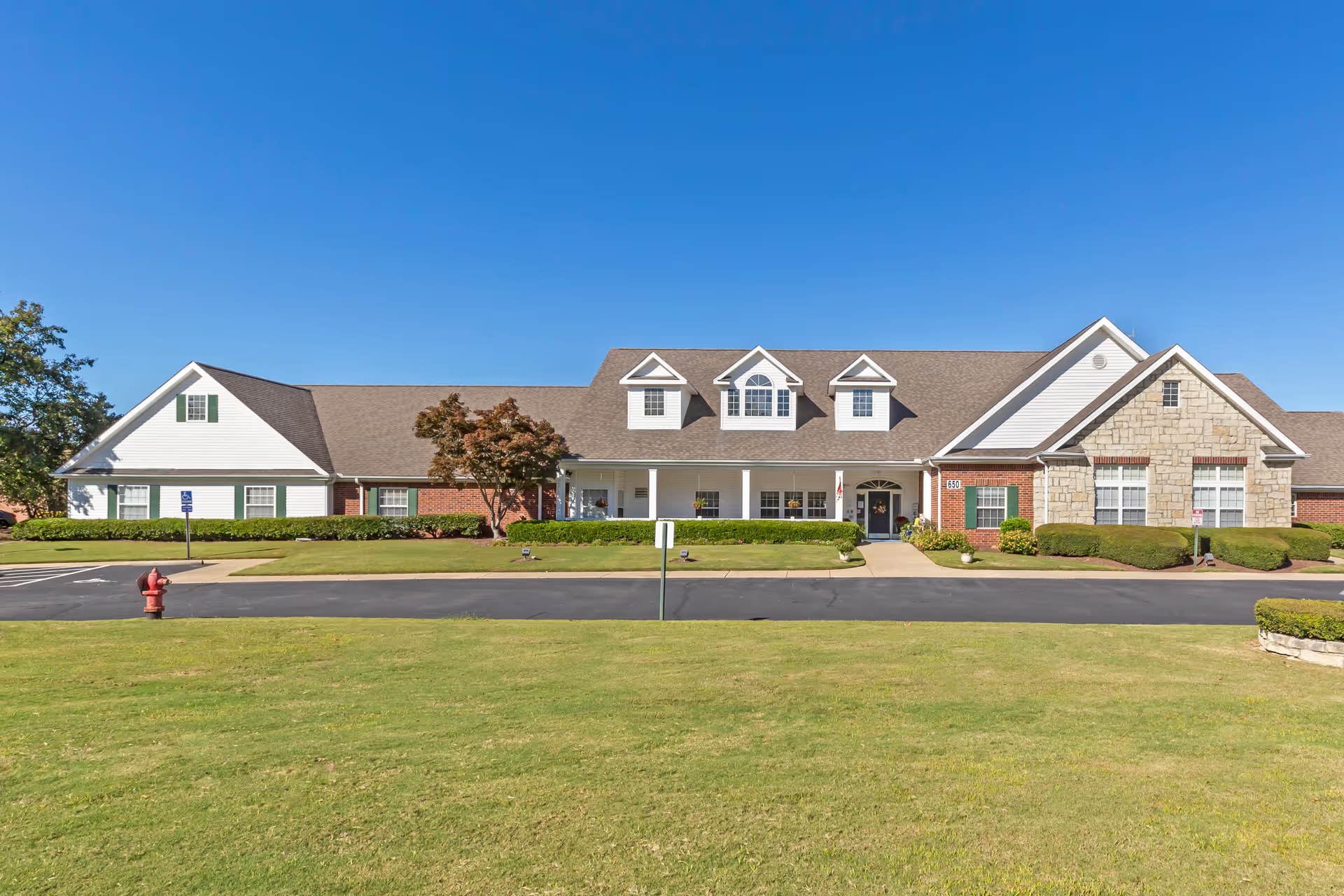
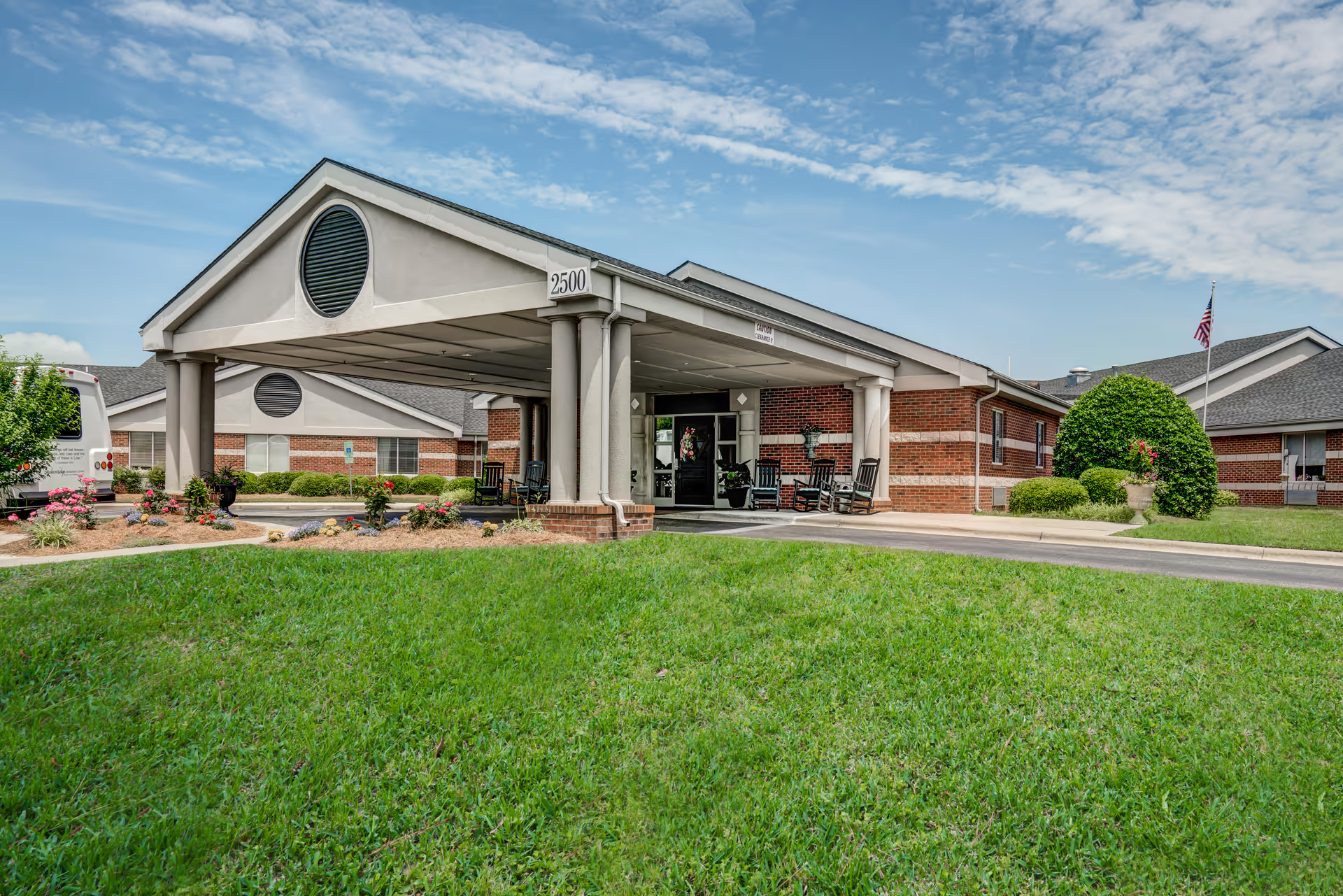
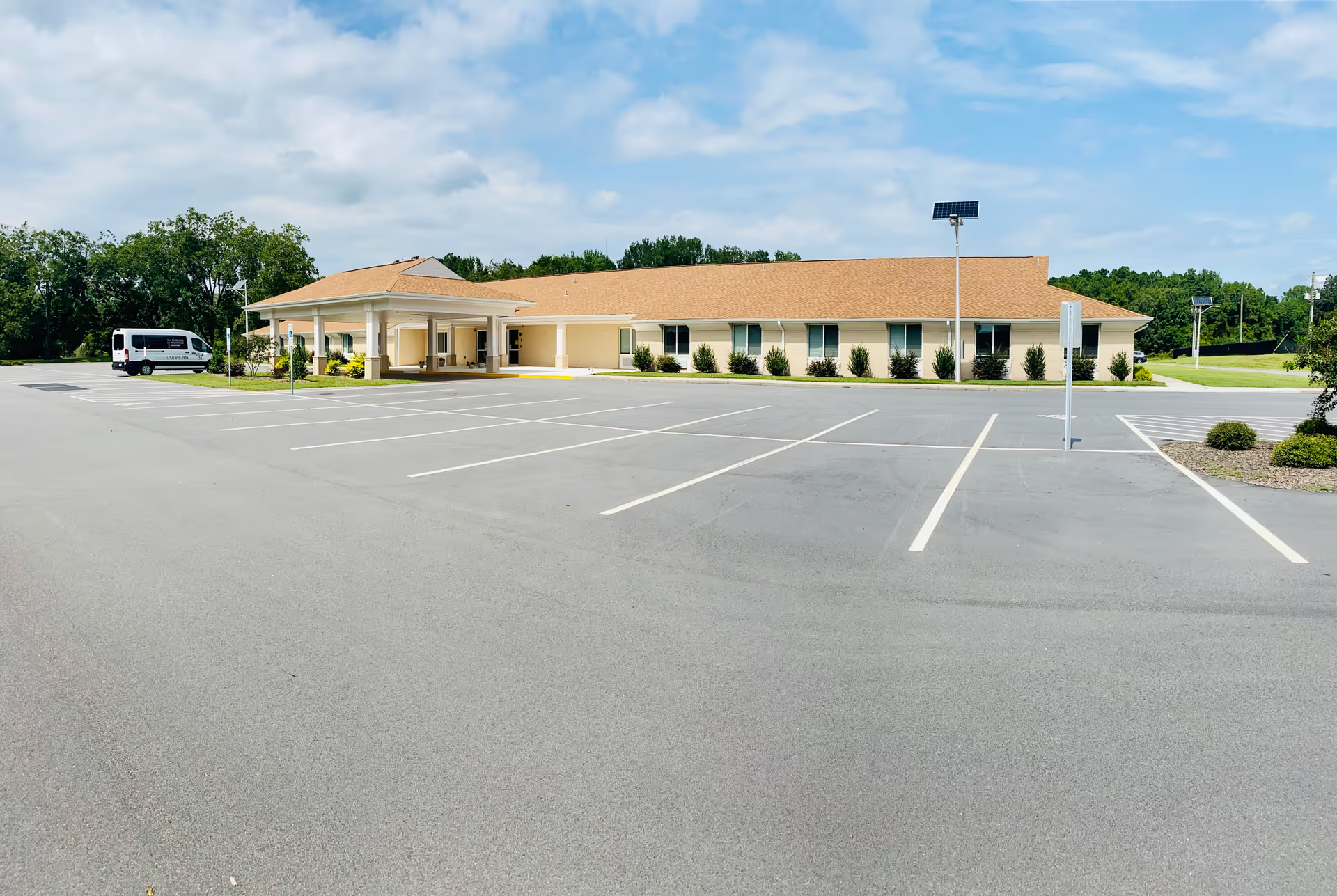
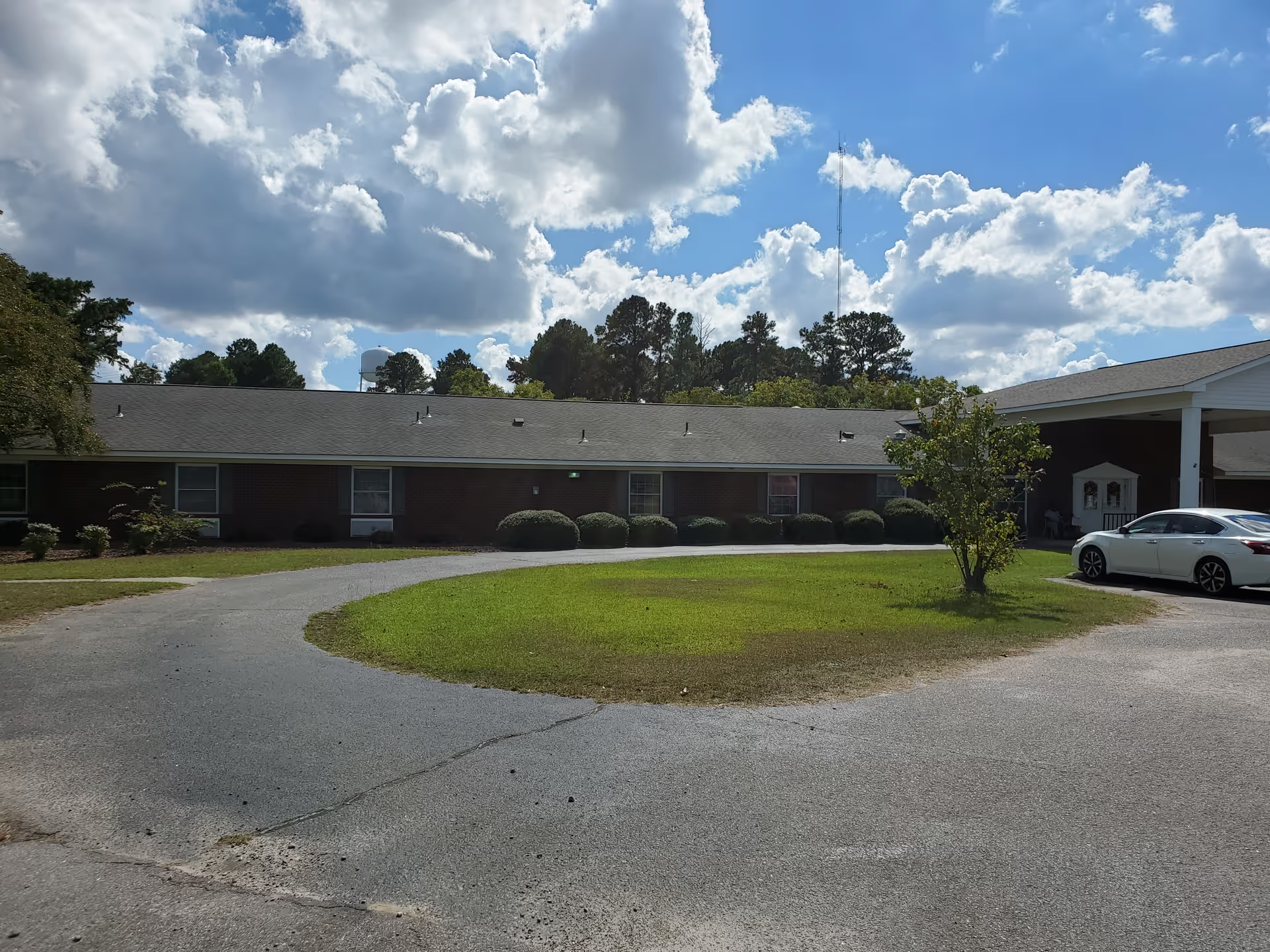
Overall impression: Reviews describe a facility with many clear strengths alongside a set of recurring operational weaknesses. Positive feedback centers on compassionate, attentive caregiving, a welcoming front desk, and an engaged administration; families frequently describe the nursing and therapy teams as professional and respectful. The site is commonly characterized as clean and odor-free, with pleasant common areas, palatable meals, robust rehabilitation services, and an active, creative activities program that includes pet therapy and frequent events. Several reviewers explicitly recommend the facility for short-term rehab and long-term care based on clinical and rehabilitative outcomes.
Care and staff: The dominant theme among positive reviews is consistent praise for frontline staff — nurses, aides, and therapists are described as caring, courteous, and family-oriented. Administration is frequently noted as visible and familiar with residents, which contributes to a reassuring atmosphere for visitors. However, a number of reviews indicate operational variability: staffing levels and shift coverage are cited as contributing to slower responsiveness at times, and there are recurring mentions of lapses in timely attention during nighttime hours. A subset of reviews raises concerns about clinical and medication-administration practices; these items, together with references to state survey activity, suggest that clinical-process reliability may be uneven and merits attention.
Dining and dietary management: Many reviewers compliment the food quality and describe meals as enjoyable. At the same time, there are reports pointing to inconsistent dietary management and isolated food-safety lapses. These contrasting observations indicate that while the dining program produces satisfactory meals for many residents, processes around food handling and dietary oversight may be inconsistent across shifts or units.
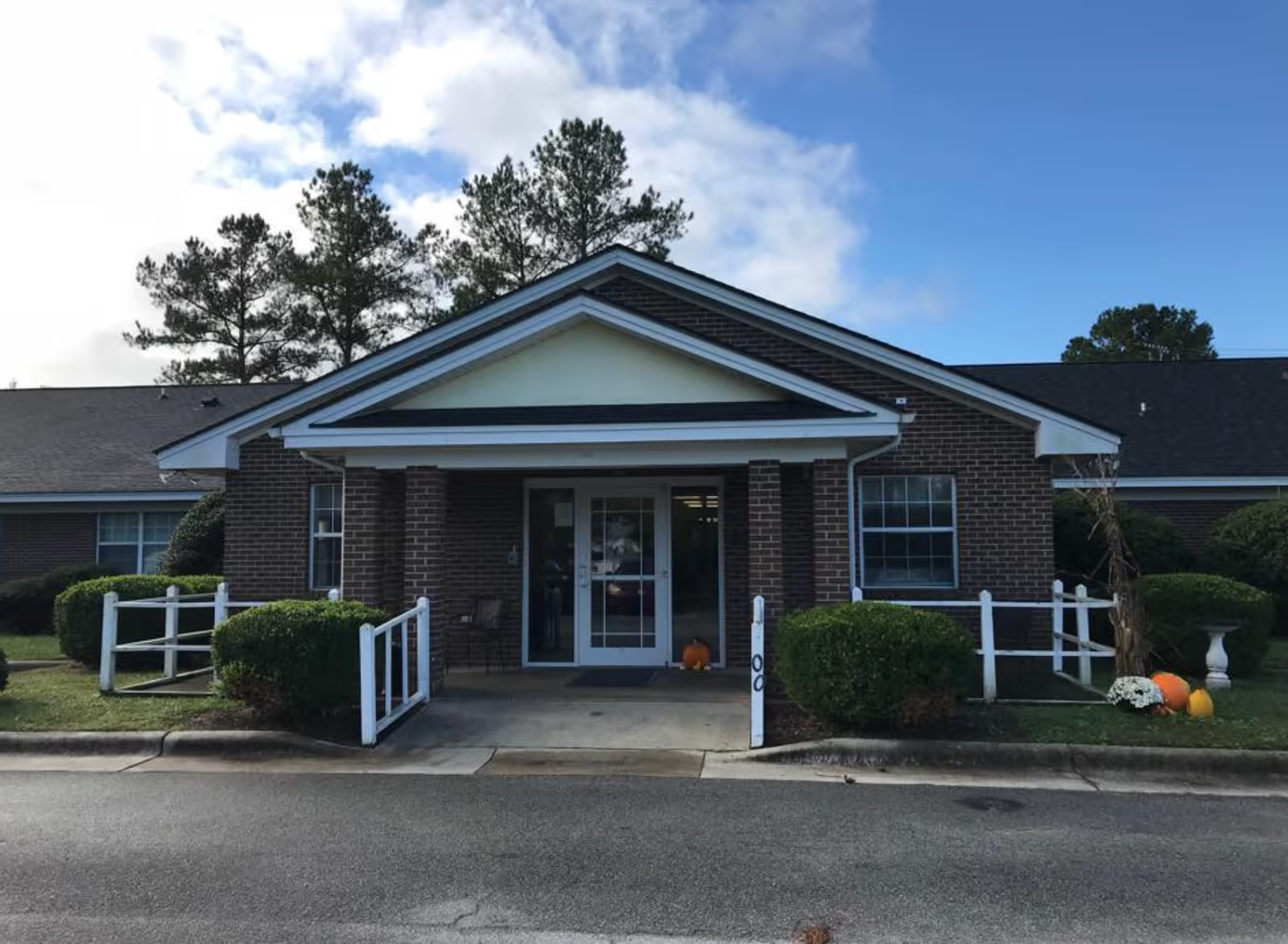
Activities and environment: Recreational programming is a consistent strength. Families describe a creative activities director, frequent events, and an environment that supports resident engagement and family visits. The facility’s interior and common areas are repeatedly described as neat, clean, and welcoming, which aligns with many positive impressions of day-to-day life there.
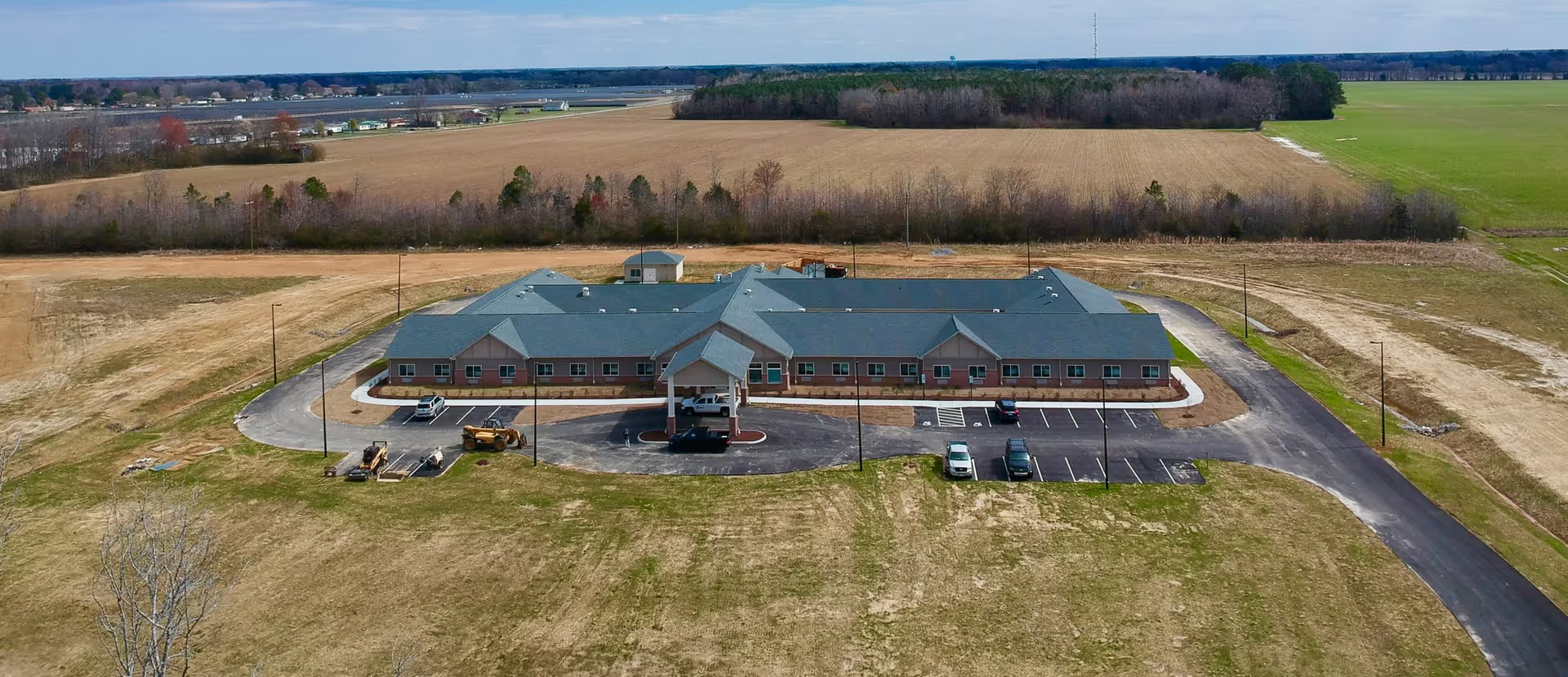
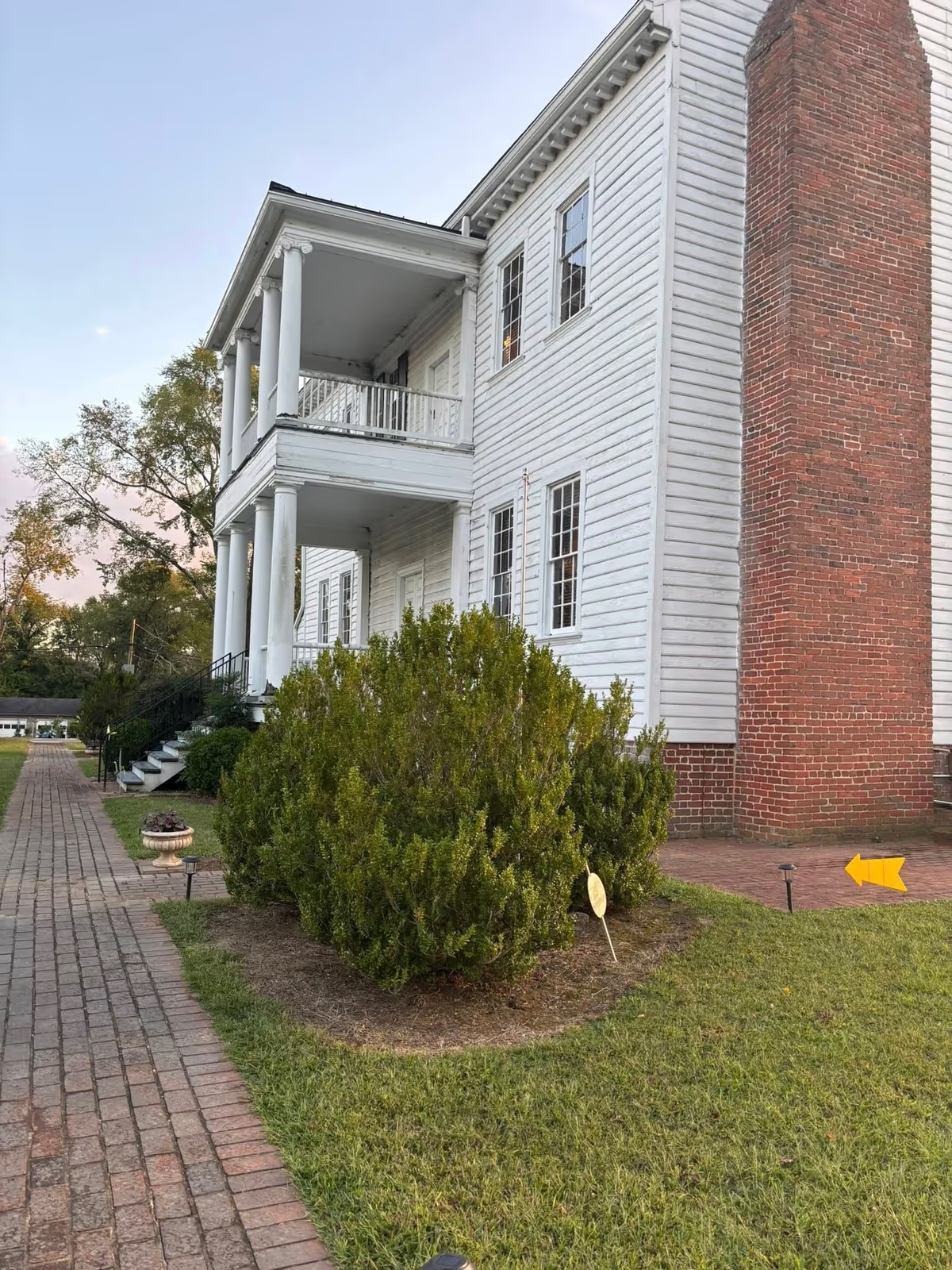
Facilities, property, and maintenance: Most comments about the physical plant are positive, emphasizing cleanliness and pleasant smells. Several reviews note minor maintenance needs (for example, small cabinet or nightstand repairs) and occasional delays in addressing them. There are also multiple accounts of missing personal items and inconsistent return of belongings, which point to weaknesses in personal property management and inventory control that the facility should address.
Management and notable patterns: The overall pattern is one of a facility that often delivers high-quality, compassionate care and strong rehabilitative outcomes, but with uneven operational reliability in several backend functions. Recurrent themes for improvement include more consistent staffing (particularly overnight), clearer and timelier family communication and follow-up, tighter controls around personal property and medication/clinical processes, and strengthened food-safety and housekeeping oversight. A small number of serious concerns — including references to clinical errors, dietary mistakes, regulatory survey issues, and concerns following a resident's death — appear in the record; these items are less frequent but significant and suggest the need for management to prioritize risk mitigation, transparent family communication, and corrective action plans.
Recommendation for families: Prospective residents and families should weigh the facility’s demonstrated strengths in nursing, therapy and activities against the reported variability in operational practices. When considering placement, ask management for recent survey results, their staffing model (especially night coverage), specific protocols for property and medication handling, and examples of corrective actions taken in response to cited concerns. Visiting the unit during different shifts can also help assess consistency in care, cleanliness, and responsiveness.