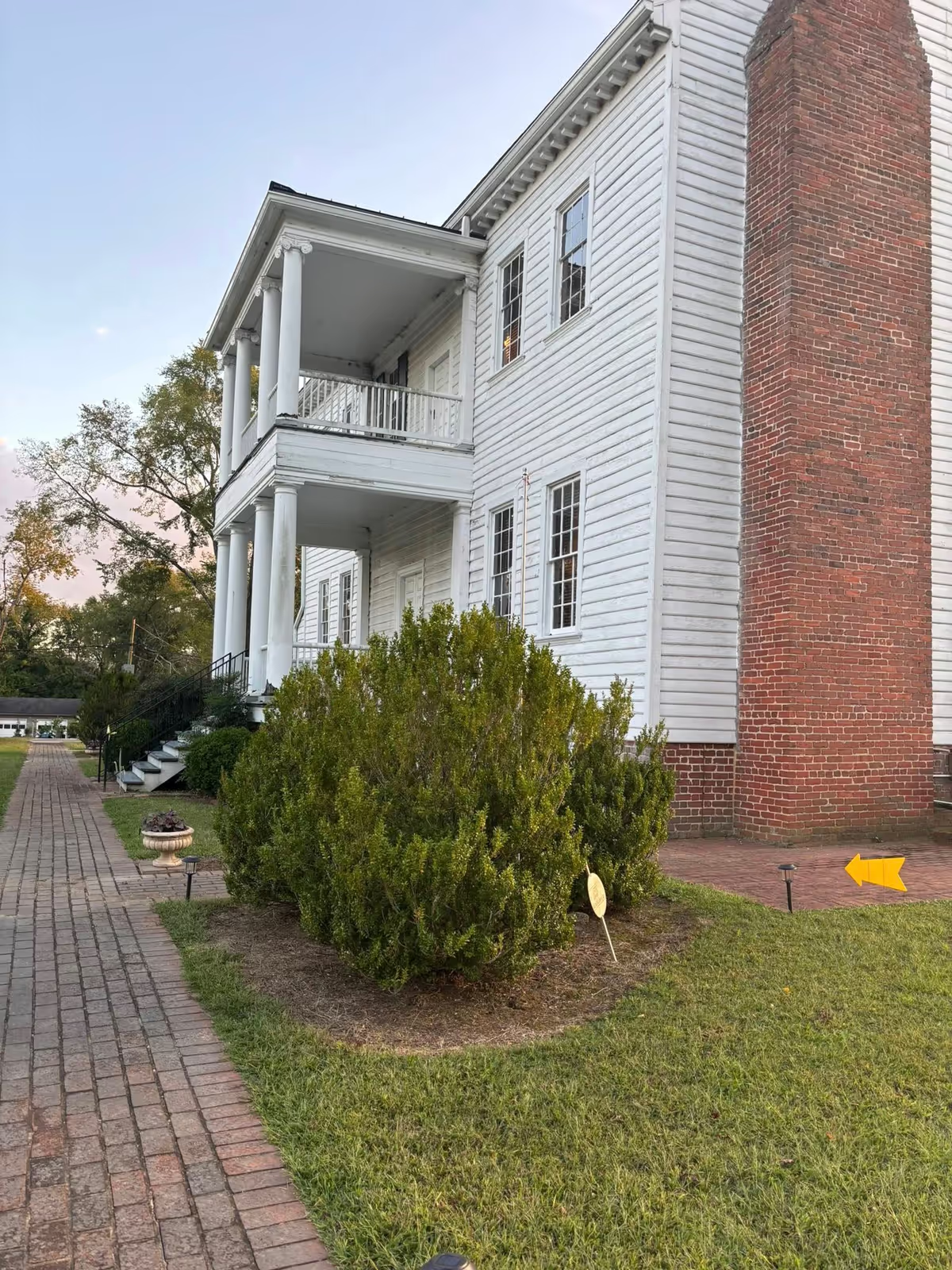
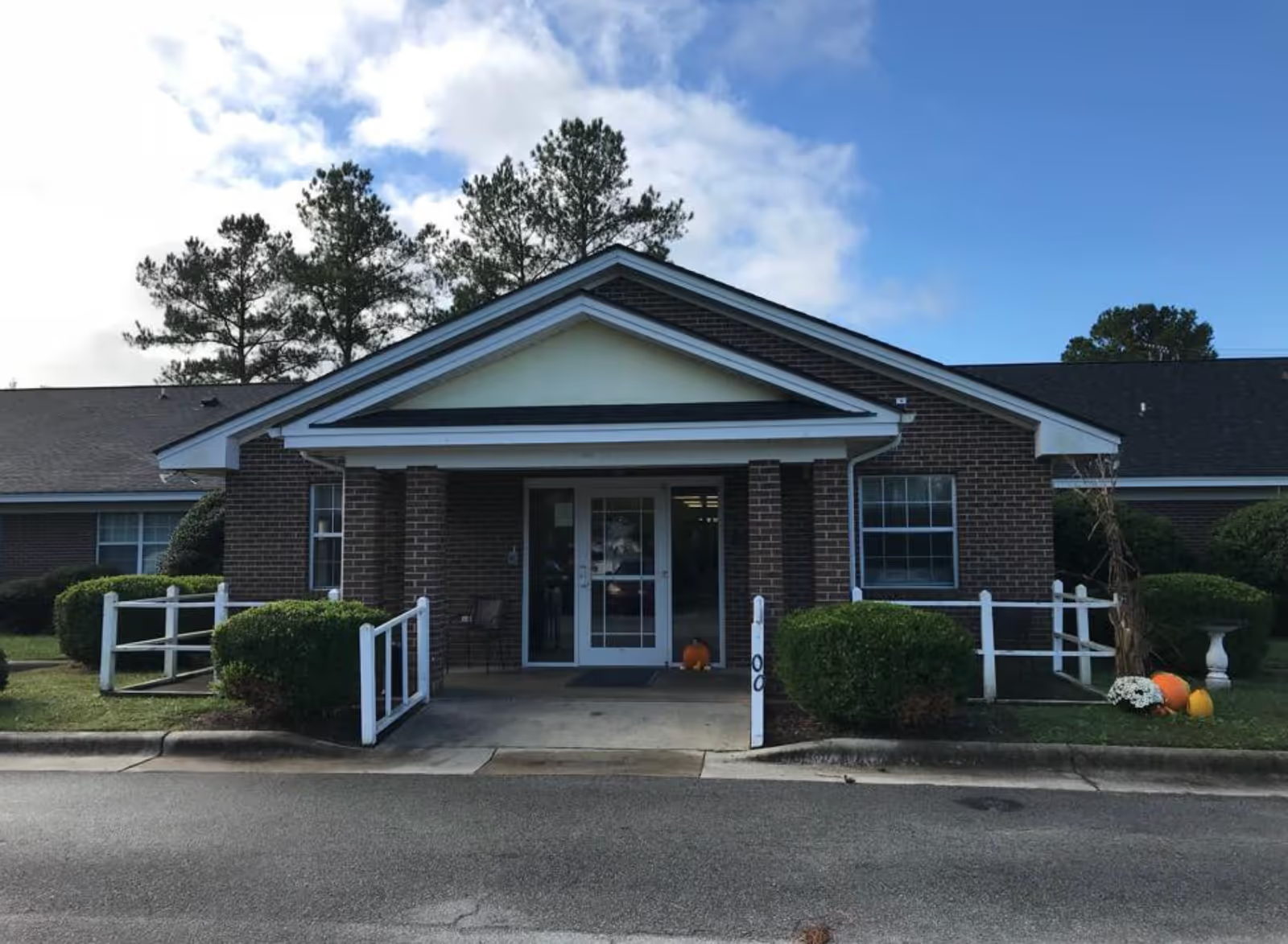
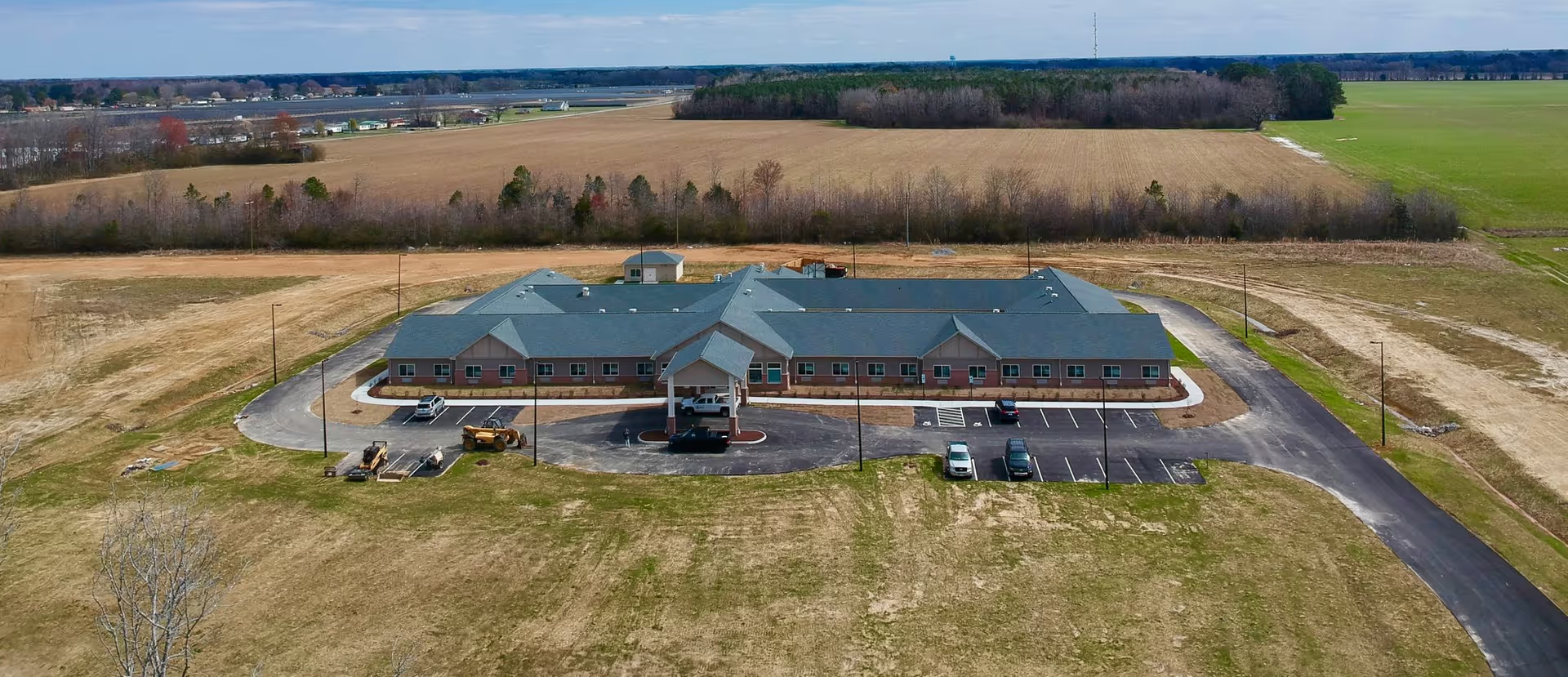
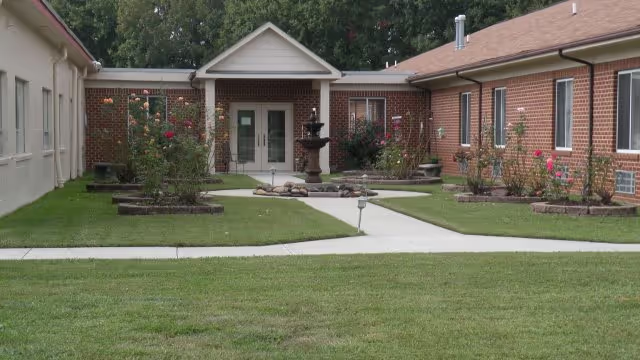
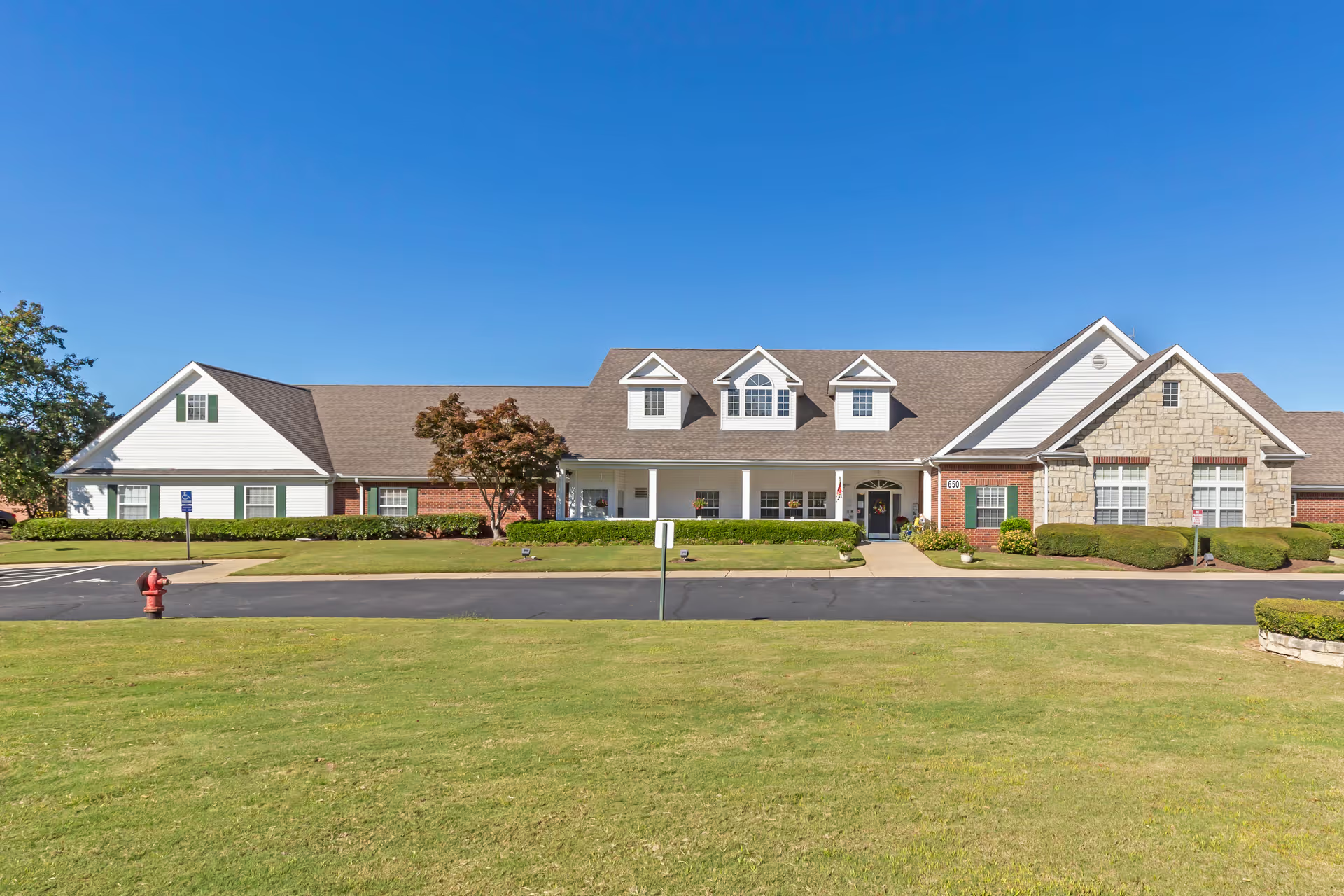
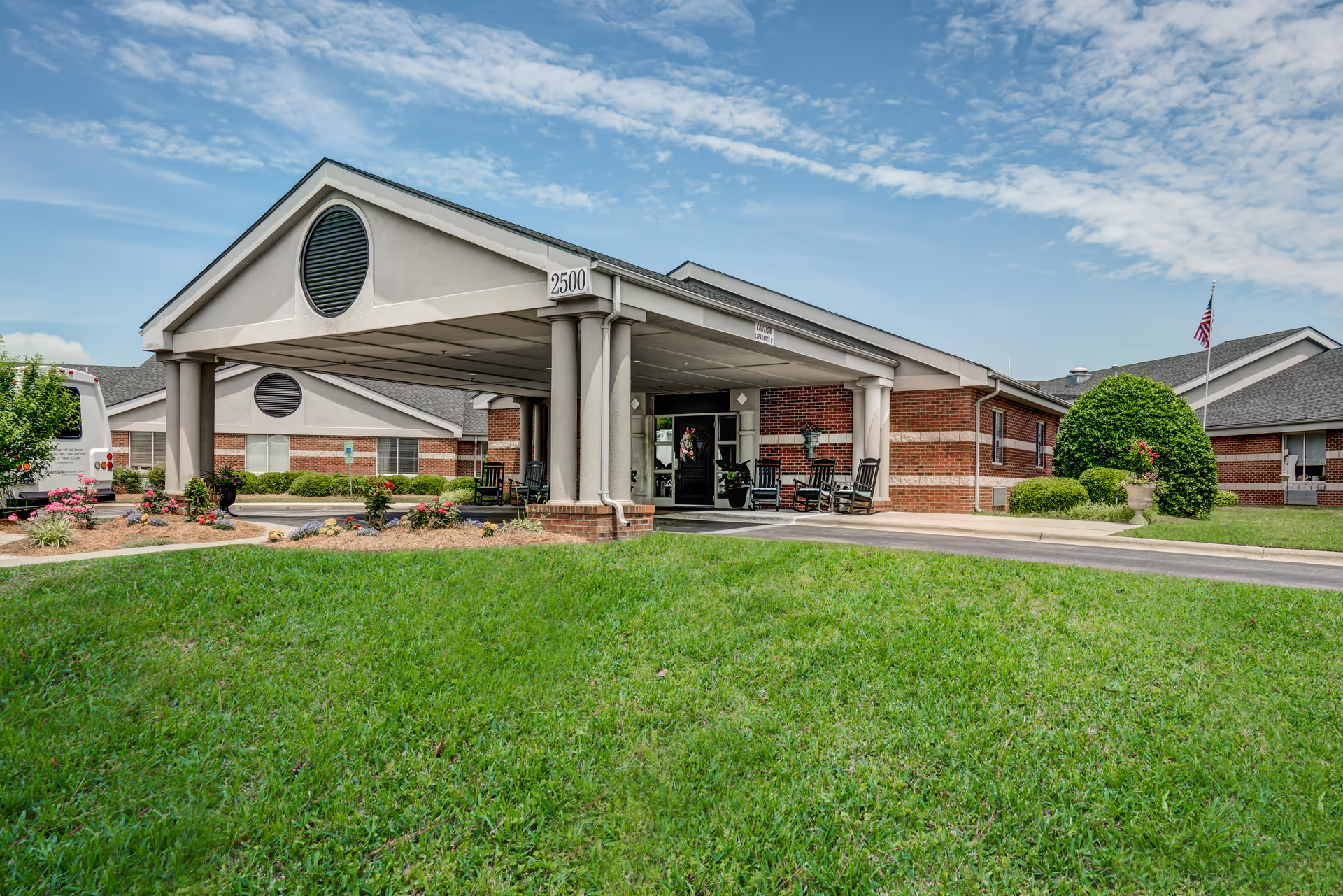
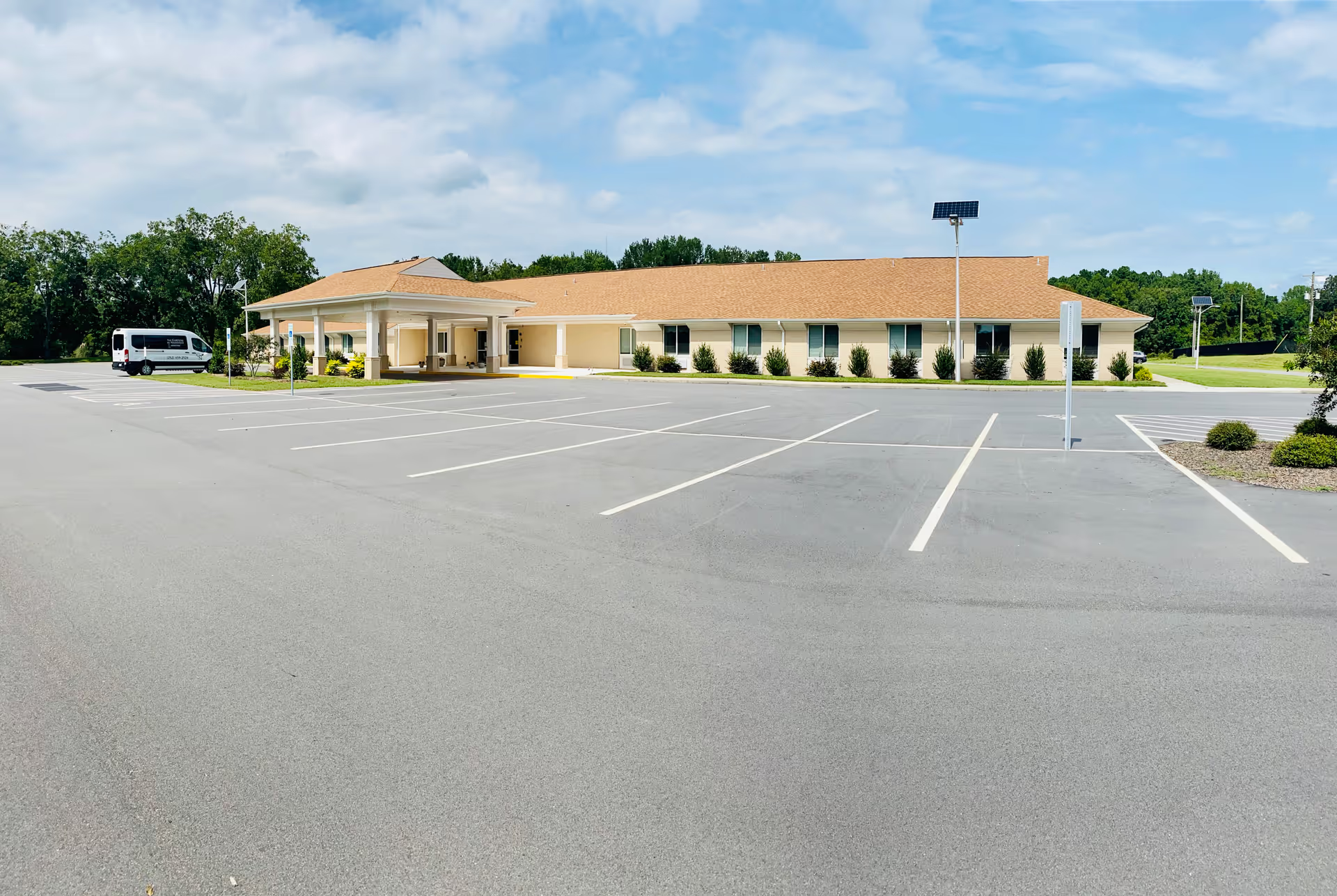
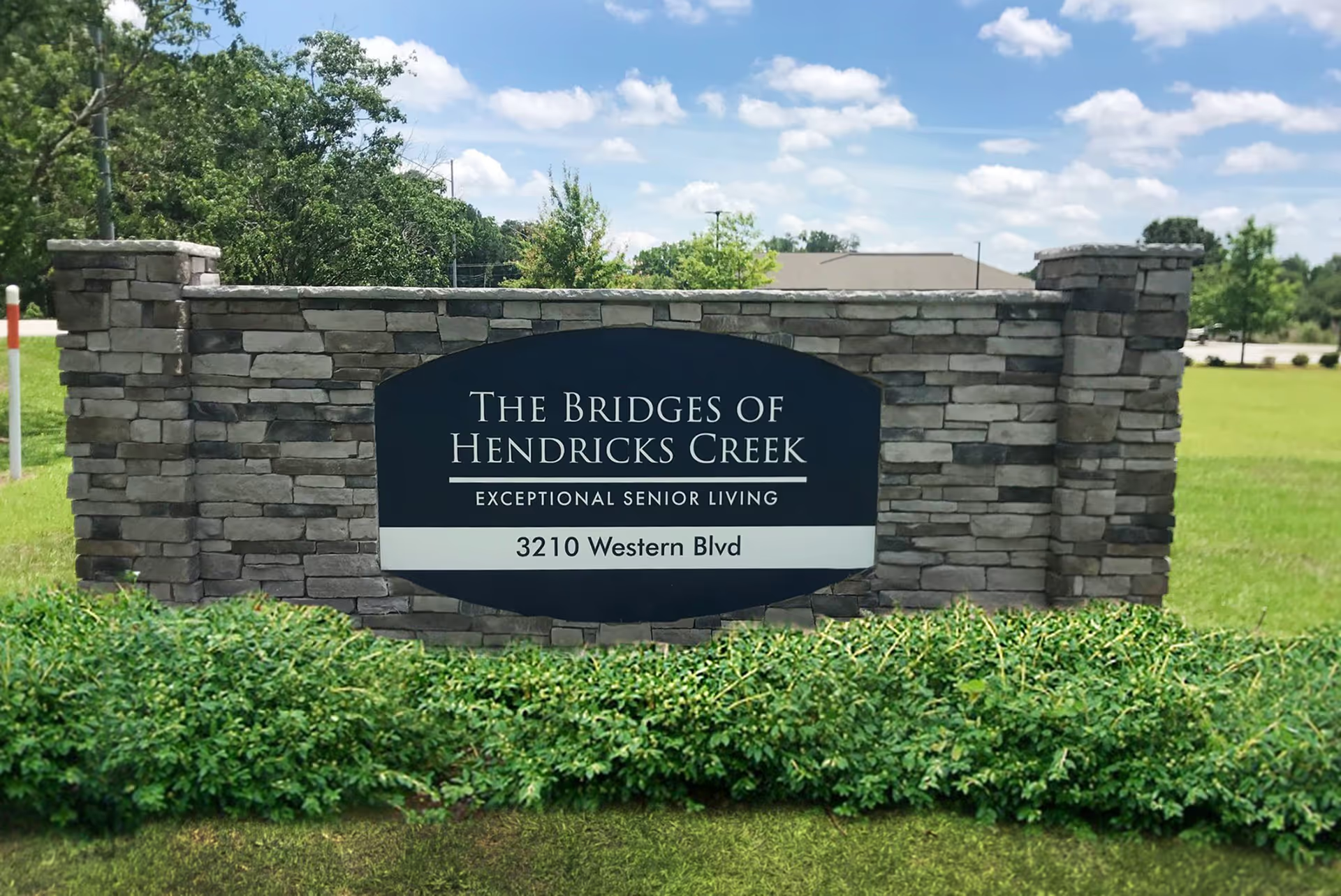
Reviews of the facility show a split picture: many families and patients praise the rehabilitation program, individual caregivers, and activity offerings, while others raise substantive operational concerns. Strengths repeatedly cited include a skilled therapy team and restorative programming that helped several residents regain independence, attentive CNAs and nurses on many shifts, a welcoming and well-decorated interior, and an active activities calendar with engaged leadership. Several reviewers specifically highlighted positive experiences with administration, case coordination, and family communication during admissions and discharges.
Care-quality themes are mixed. Positive accounts emphasize individualized attention, compassionate bedside care, and coordinated therapy. At the same time, reviewers raised concerns about delayed medication administration (including insulin timing and availability), inconsistent clinical monitoring (for example, glucose checks and CPAP use), and lapses in wound and pressure-injury management. These clinical gaps were tied by some families to hospital readmissions and concerns about infection risk, including mentions of sepsis and serious adverse outcomes; such allegations suggest the need for careful clinical oversight and documentation.
Staffing and staff conduct present a clear pattern of variability. Many comments describe staff as compassionate, respectful, and willing to go above and beyond; other comments describe chronic understaffing (notably on nights and weekends), slow responses to call bells and personal-care requests, and concerns about communication tone and bedside manner. This contrast appears linked to shift-to-shift differences and leadership changes. Several reviewers noted improvements under new management but also cited frequent leadership turnover that can contribute to inconsistent staff performance.
Dining and activities are likewise mixed. The activities program receives frequent praise for engagement and social offerings; families note events that boost morale and resident participation. Dining feedback ranges from positive impressions to complaints about cold meals, insufficient hot water for bathing, and inconsistent assistance during mealtimes. These operational issues impact resident comfort and satisfaction even when culinary or activity staff are trying to be responsive.
Facility condition and maintenance comments vary by area. Many reviewers describe clean, attractive, and odor-free common areas and recent updates to décor, while others cite sanitation and pest-control concerns in some units, water leaks, and delayed maintenance (vacuum lines, small rooms, shared bathrooms). These maintenance inconsistencies can affect perceptions of safety and hygiene and may reflect uneven housekeeping or facilities resourcing.
Management and oversight earn mixed evaluations: some families report proactive, personable leadership and accountable staff; others describe gaps in communication, difficulty reaching staff, unclear billing/copay information, and ongoing turnover. A small number of reviews include serious allegations that raise concerns about oversight and quality assurance; these merit targeted follow-up by regulators, families, and the provider.
For prospective residents and their families: the facility demonstrates clear strengths in rehabilitation, individualized therapy, and activities, and many staff members provide high-quality, compassionate care. At the same time, persistent operational issues—particularly staffing variability, medication and clinical-monitoring inconsistencies, wound-care and infection-risk management, and episodic maintenance or sanitation concerns—warrant direct inquiry. When evaluating this facility, families should observe staffing levels on different shifts, ask about medication-administration and wound-care protocols, review infection-prevention practices, sample dining service, and request documentation of management improvements and turnover history to make an informed decision.