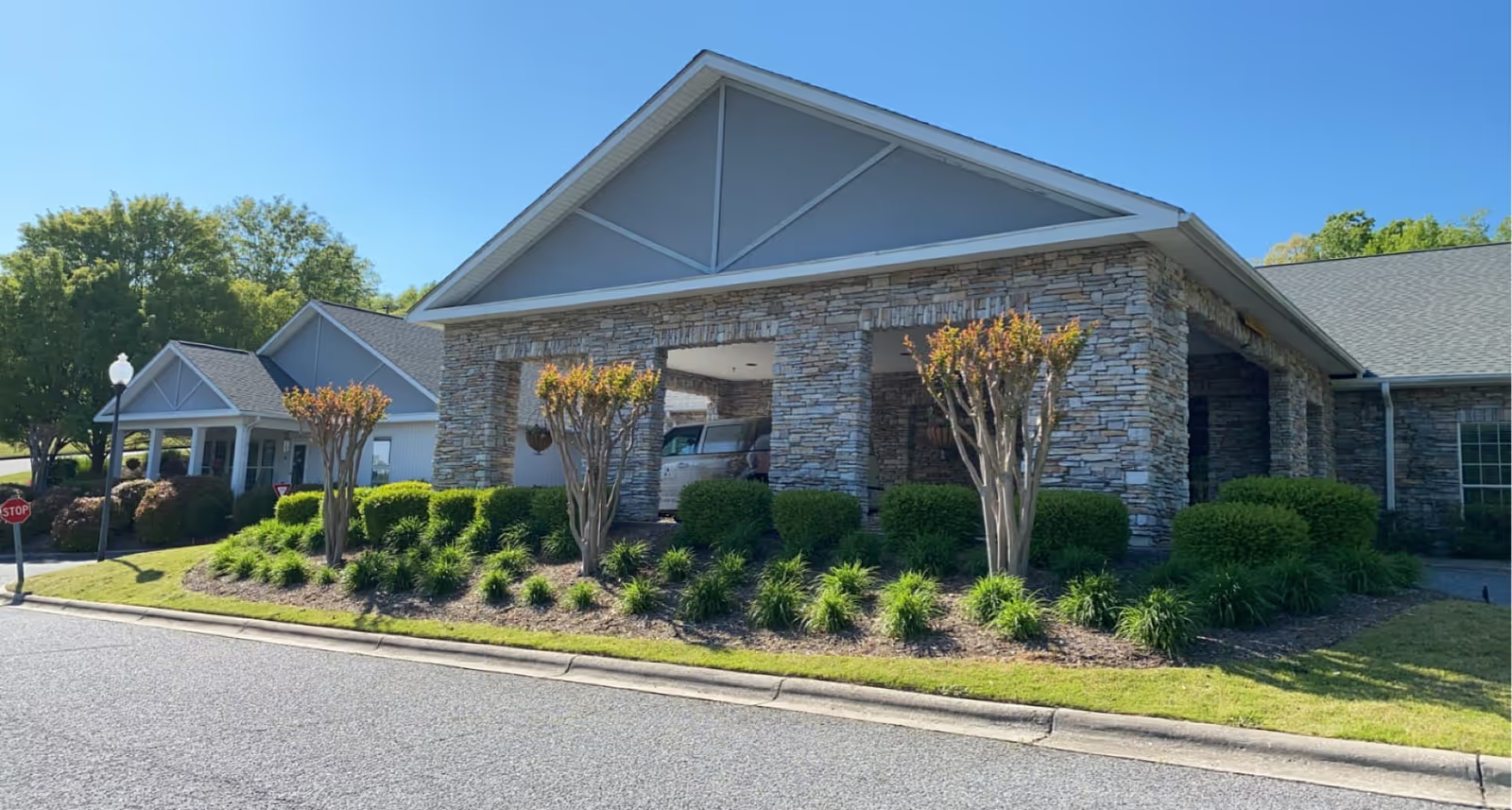
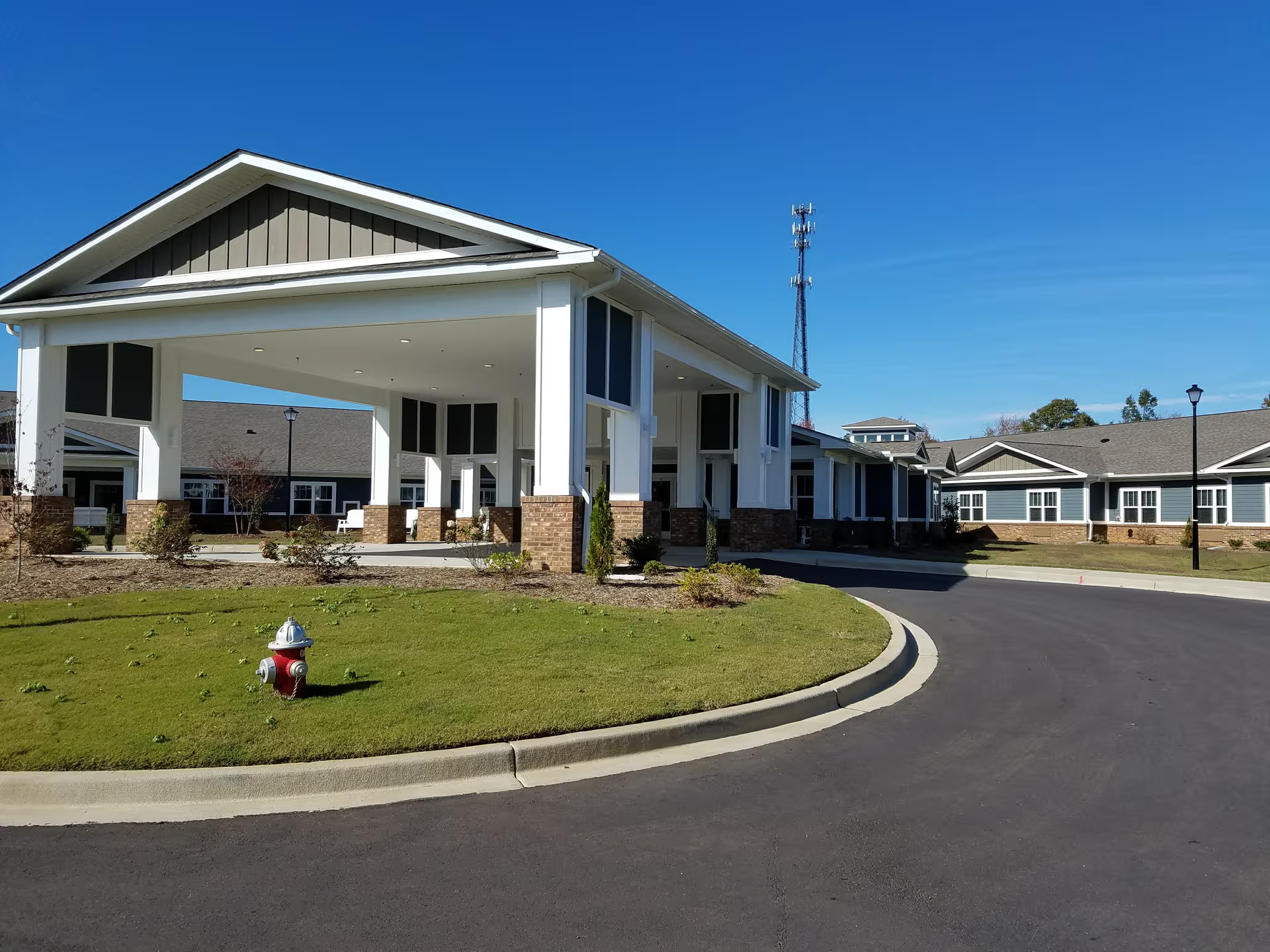
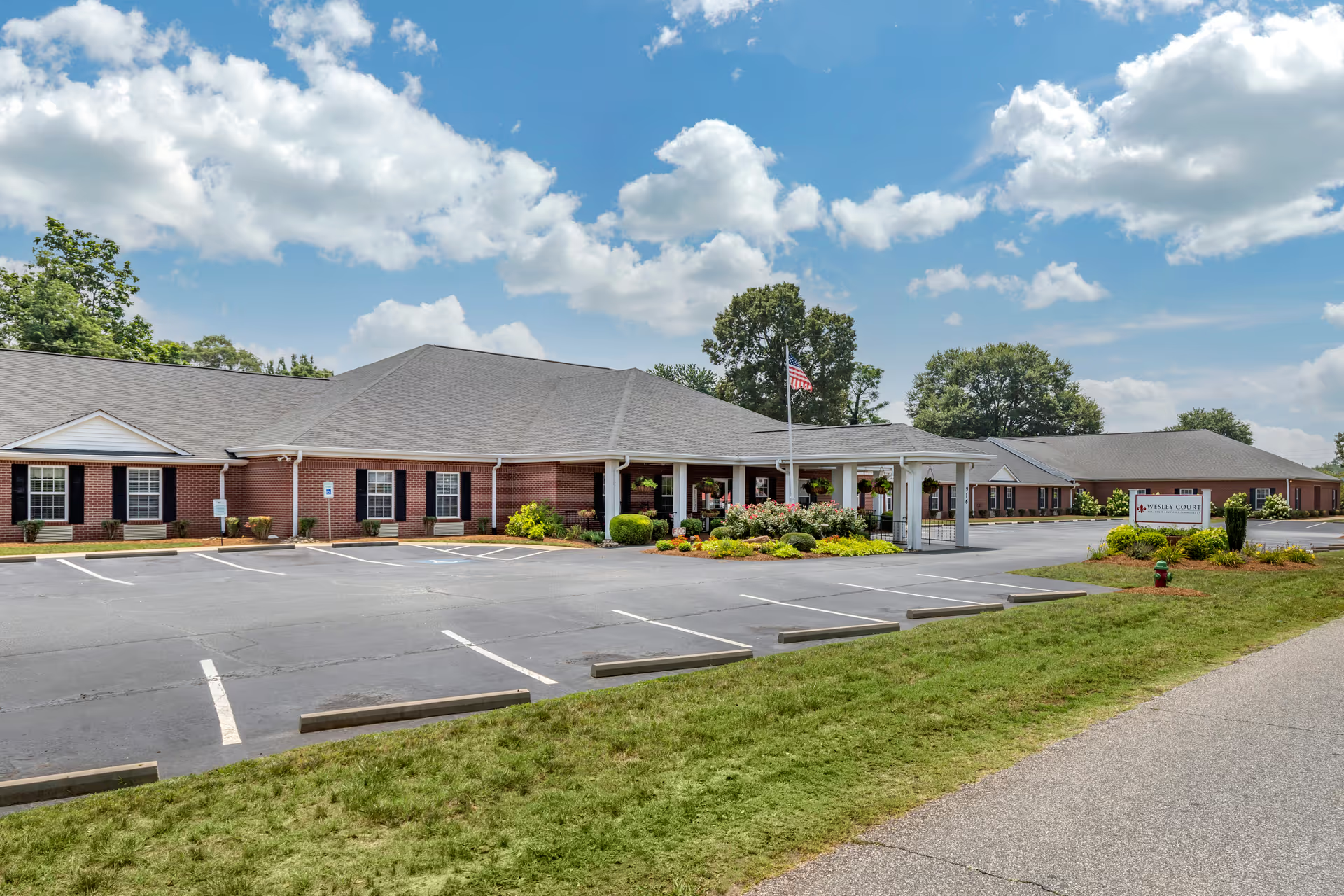
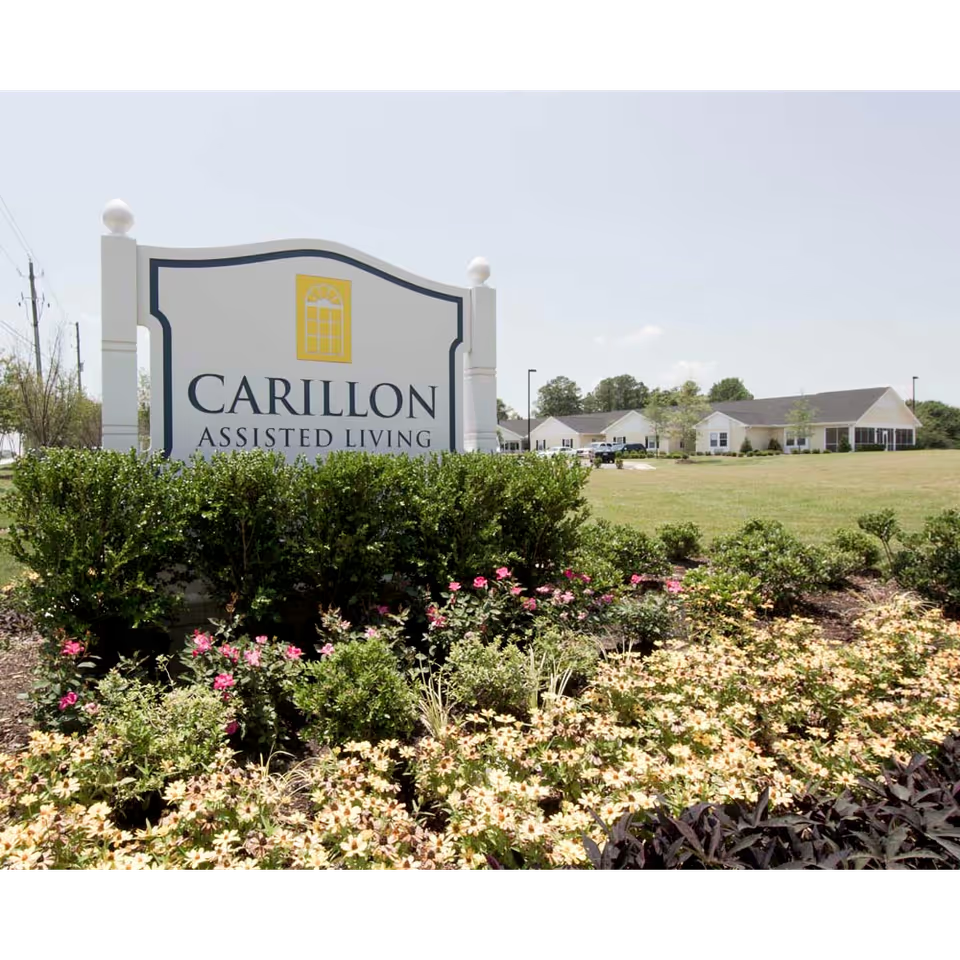
Reviews describe a small, women-only, 20-bed setting that several families characterize as family-oriented and easy to visit. The facility's private, intimate scale and emphasis on privacy are cited as strengths, and the provider has a positive state assessment (4+ stars) that some families reference. Multiple reviewers praise staff rapport with residents and say the atmosphere can feel welcoming and familiar.
At the same time, a set of operational concerns recurs across reviews. Clinical-care gaps are noted, particularly in wound-care and infection prevention practices; reviewers identify situations where skin/wound management and subsequent infection risk appear to have been inadequately handled. Related to clinical care are concerns about staffing responsiveness and timeliness—families describe delays in attention to changing resident needs. Several accounts point to deficiencies in family communication, including delayed or insufficient notifications during critical events and at end of life.
Environmental and facility issues are also present in the feedback. Reviewers raise pest-control program deficiencies and broader cleanliness and sanitation management gaps. These items suggest a need for a more proactive environmental health plan and consistent housekeeping practices. Specific operational safety and infection-control practices may benefit from review and reinforcement.
Management and administrative practices draw mixed commentary. On the positive side, the small scale and staff–resident relationships are strengths. On the concern side, there are serious comments about protection of resident finances and personal effects; language in the reviews includes allegations of financial misconduct, indicating a need for clearer financial-safeguarding policies, secure handling procedures, and transparent accounting practices. Communication protocols and documentation practices also appear inconsistent and would benefit from standardization.
What stands out is a bifurcated pattern: families who experience the facility as warm and accessible, and other accounts describing substantive operational and clinical shortcomings. For prospective residents and families, consider confirming recent state inspection details, asking for written infection-control and pest-management plans, reviewing policies on wound care and emergency family notification, and clarifying financial-safeguarding procedures before placement. Follow-up questions to management about staffing patterns, training for clinical and environmental practices, and examples of recent corrective actions will help clarify whether the facility’s strengths are matched by reliable operational controls.