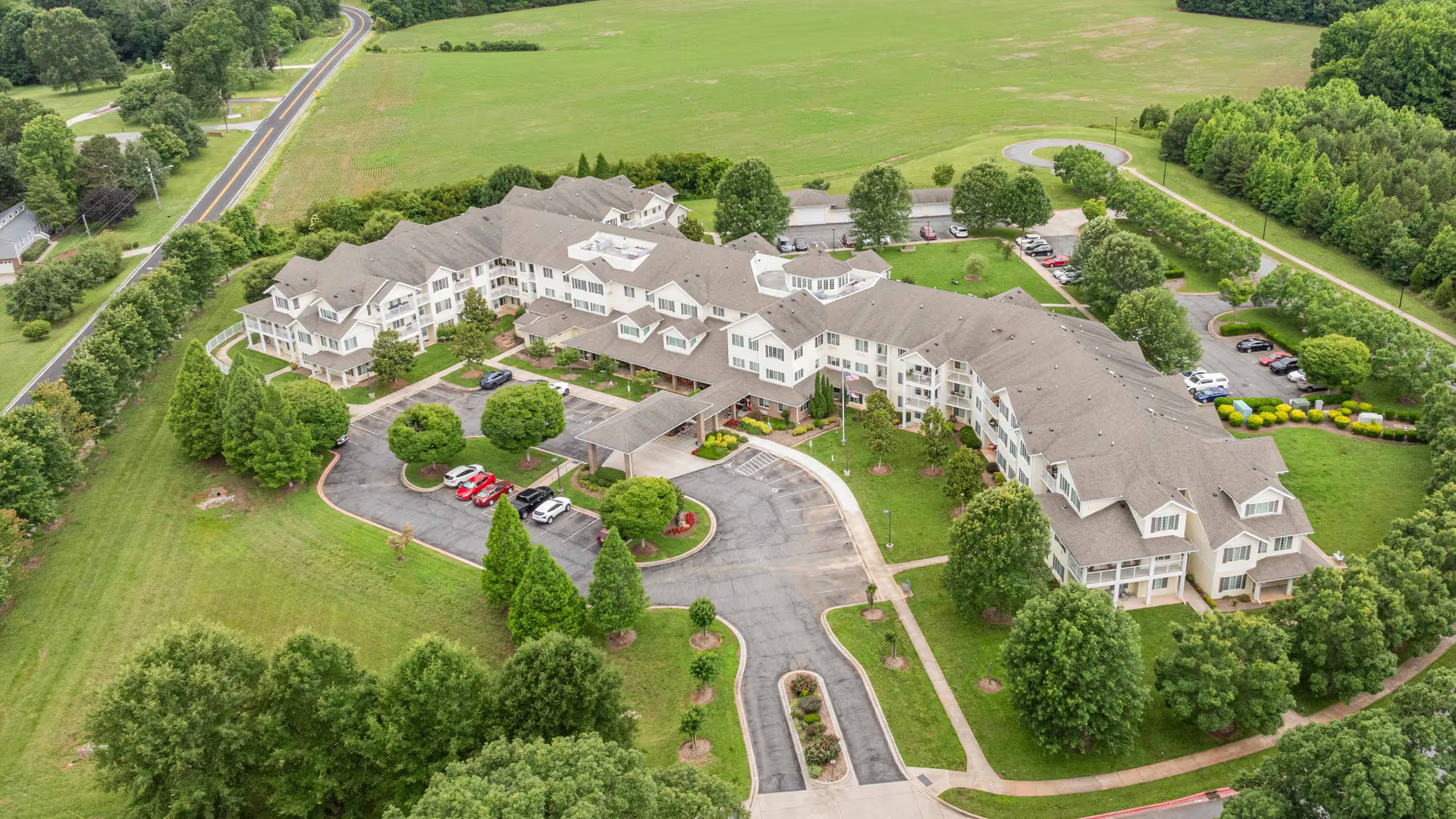
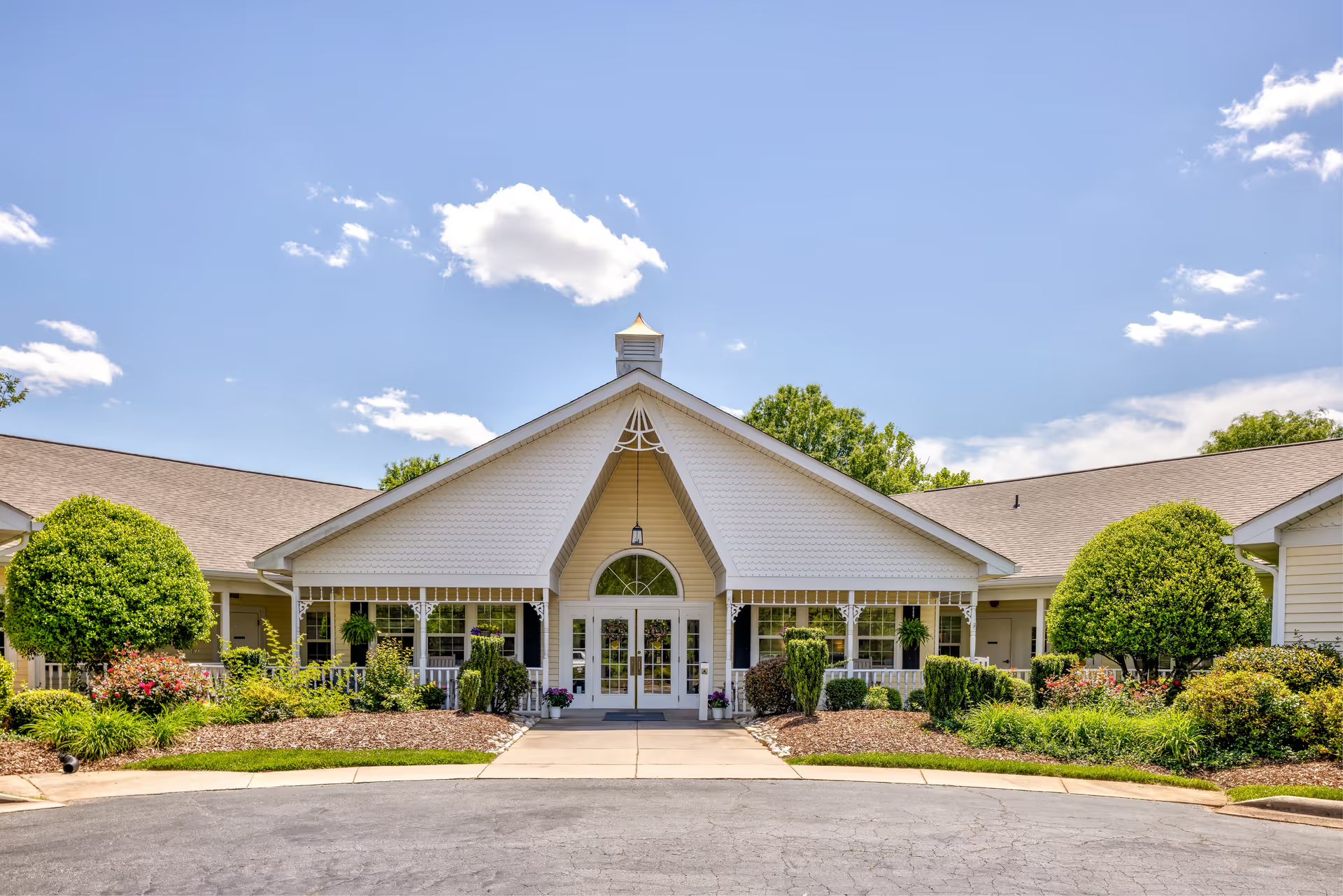
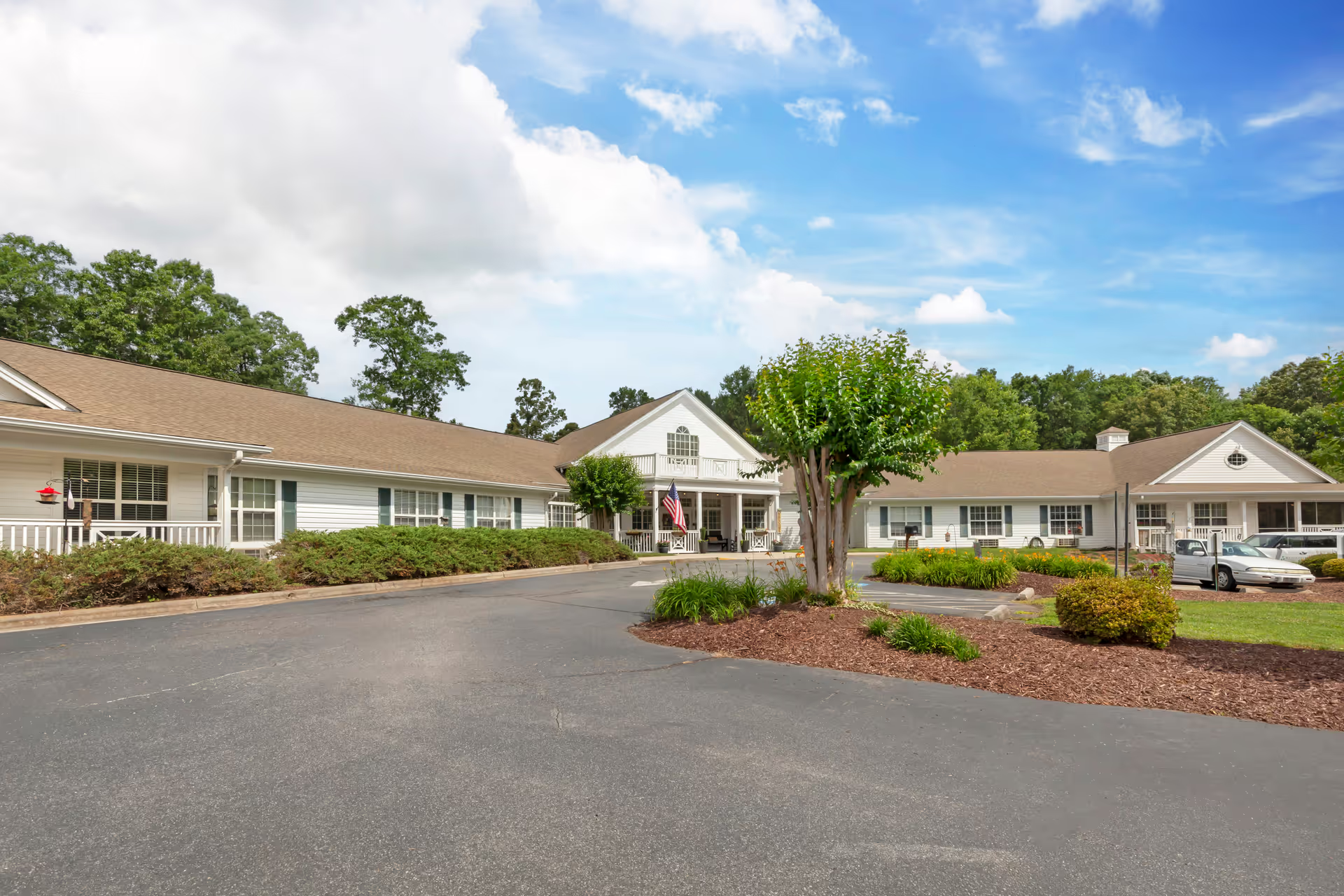
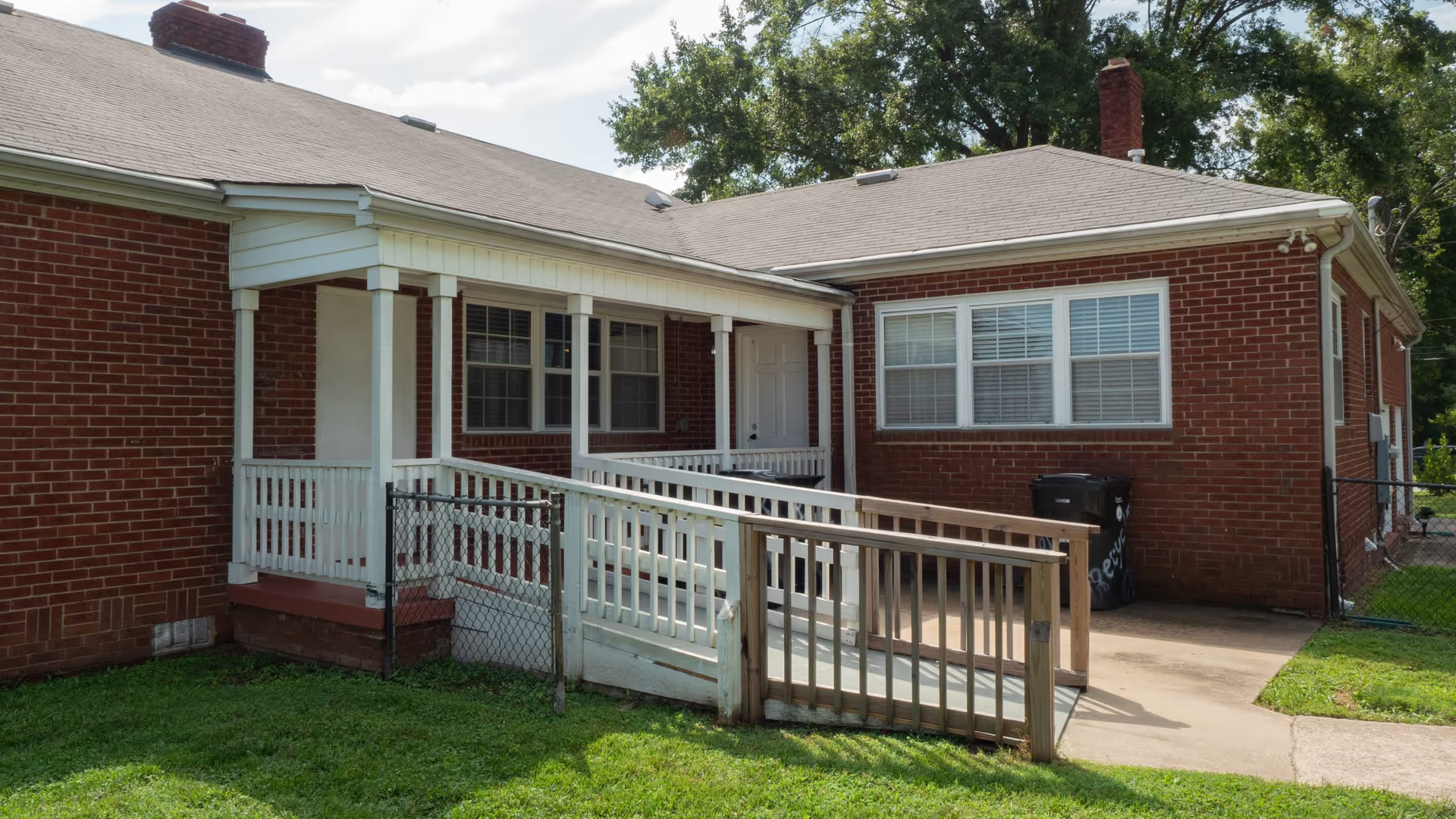
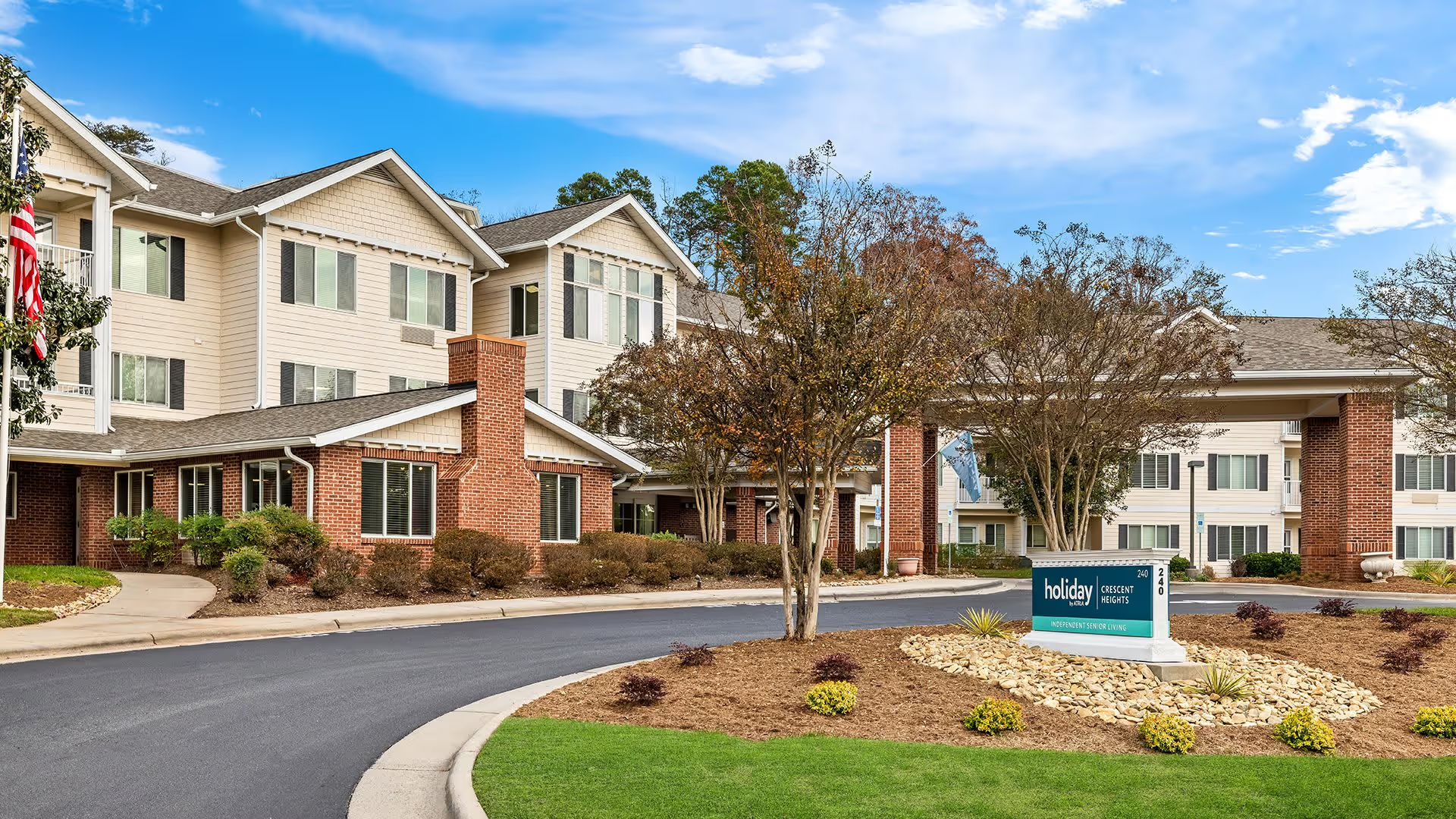
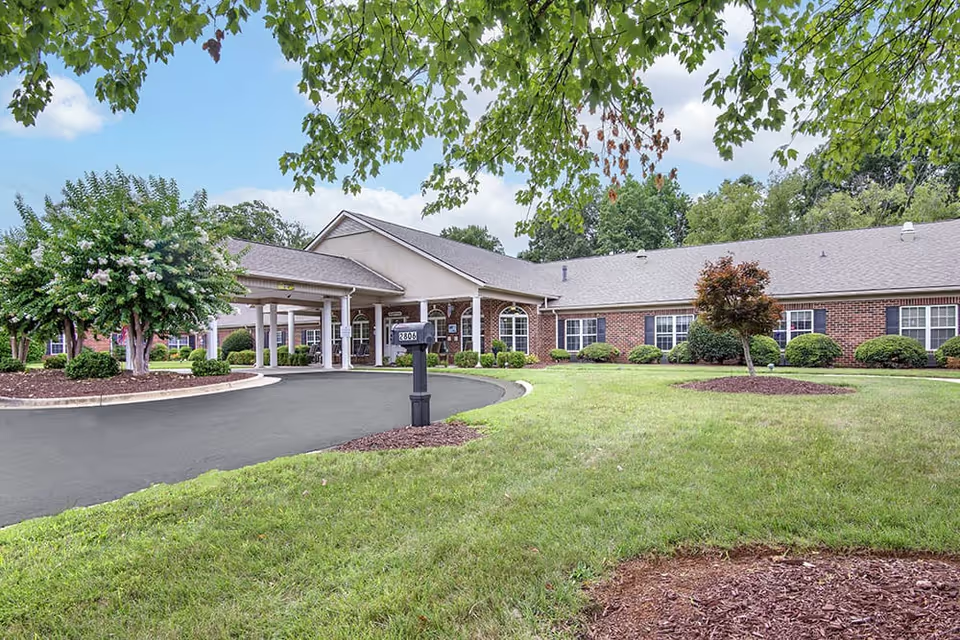
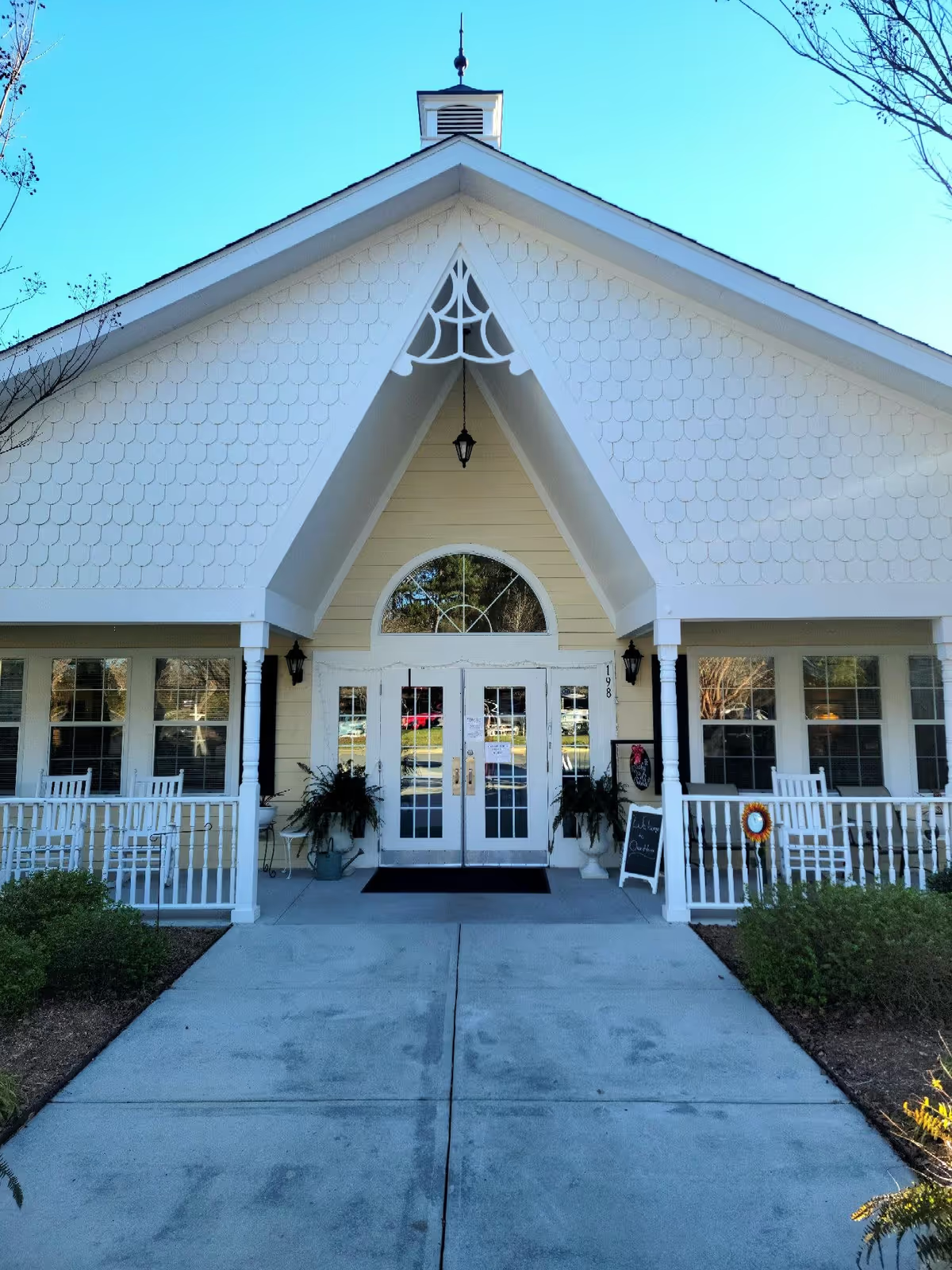
Brookdale Salisbury is consistently described as a clean, modern, and well‑appointed assisted living community with many amenities. Reviewers highlight updated, apartment‑style rooms (often compact), abundant natural light, attractive grounds and seasonal decor, and a variety of communal spaces such as a theater, exercise room, spa area, library, and private dining/party rooms. Maintenance responsiveness and overall building upkeep are frequent positives, contributing to a generally tidy and accessible physical environment.
Staff interactions are one of the community’s strongest themes. Many families and residents characterize the caregiving and activity staff as warm, attentive, and family‑oriented; specific praise is given to employees who facilitate smooth transitions and ongoing engagement. The activity program is broad and active, with exercise classes, games, outings, movies, crafts, and organized social events that support resident interaction and well‑being. On‑site therapy services, regular medication assistance, transportation for appointments, and options for in‑room or shared dining are additional operational strengths that support both short‑term recovery and longer‑term living.
Dining is often described in positive terms—hotel‑style service, flexible meal options, and generally nutritious choices—but reviewers also note occasional variability in meal quality and service execution. Several families praised food tastings and specific menu items; others observed meals that fell short of expectations. Transportation and scheduling are useful services, though some reviews indicate occasional driver communication or scheduling lapses.
Notable operational concerns center on cost, staffing consistency, and management communication. Affordability is a recurring constraint: the community is described as relatively expensive, does not accept Medicaid, and has additional charges (for example, medication administration or laundry) that some families found opaque. Staffing continuity and levels are uneven in places—turnover, third‑shift performance variability, and understaffing were raised as factors that affected care consistency. Relatedly, several accounts describe challenges with administrative coordination and family communication during onboarding or when addressing care changes, which contributes to stress for some families.
Clinical and memory‑care performance shows a mixed picture. While many families report strong clinical attention and positive health outcomes (weight gain, mobility improvements, effective post‑hospital transitions), a subset of families expressed concern about the adequacy of memory‑care supports and day‑to‑day clinical oversight for residents with more advanced cognitive needs. These criticisms often relate back to staffing levels and communication with management rather than facilities or physical resources.
In summary, Brookdale Salisbury appears to offer a well‑maintained, activity‑rich environment with a broadly praised caregiving culture and strong amenities. Prospective residents and families should weigh those strengths against an above‑average cost structure, seek clear, written explanations of all fees, and ask specific questions about staffing patterns and memory‑care protocols (including third‑shift coverage and emergency communication) to ensure the community’s operational practices match their care expectations.