Reviewer feedback for Siler City Center is highly polarized. A substantial portion of families and residents praise individual caregivers, the admissions team, and the recreation and therapy staff; these reviewers describe compassionate, attentive nursing and CNA interactions, helpful front-desk support, an active activities program, and workable rehabilitation services when they are available. Several accounts emphasize smooth transitions at admission, timely communication from specific care teams, and positive experiences with laundry, housekeeping, and transport to medical appointments.
At the same time, recurring operational themes raise concerns. Staffing levels and consistency appear uneven across shifts and units, producing variable day-to-day experiences. Reported operational gaps include delays in responding to call lights and urgent needs, inconsistent medication administration and clinical follow-up, and weaknesses in wound-care and infection-control oversight. Families also described problems with incontinence-care timing and bathing schedules, which reflect broader workflow and staffing challenges rather than isolated incidents.
Dining and rehabilitation services are similarly inconsistent. Some reviewers praised pleasant meals and dedicated dining staff, while others reported poor meal quality, presentation problems, and interruptions in meal-service continuity. Therapy and rehab services are described as effective by some families but as limited or difficult to access by others, suggesting variability in availability and scheduling.
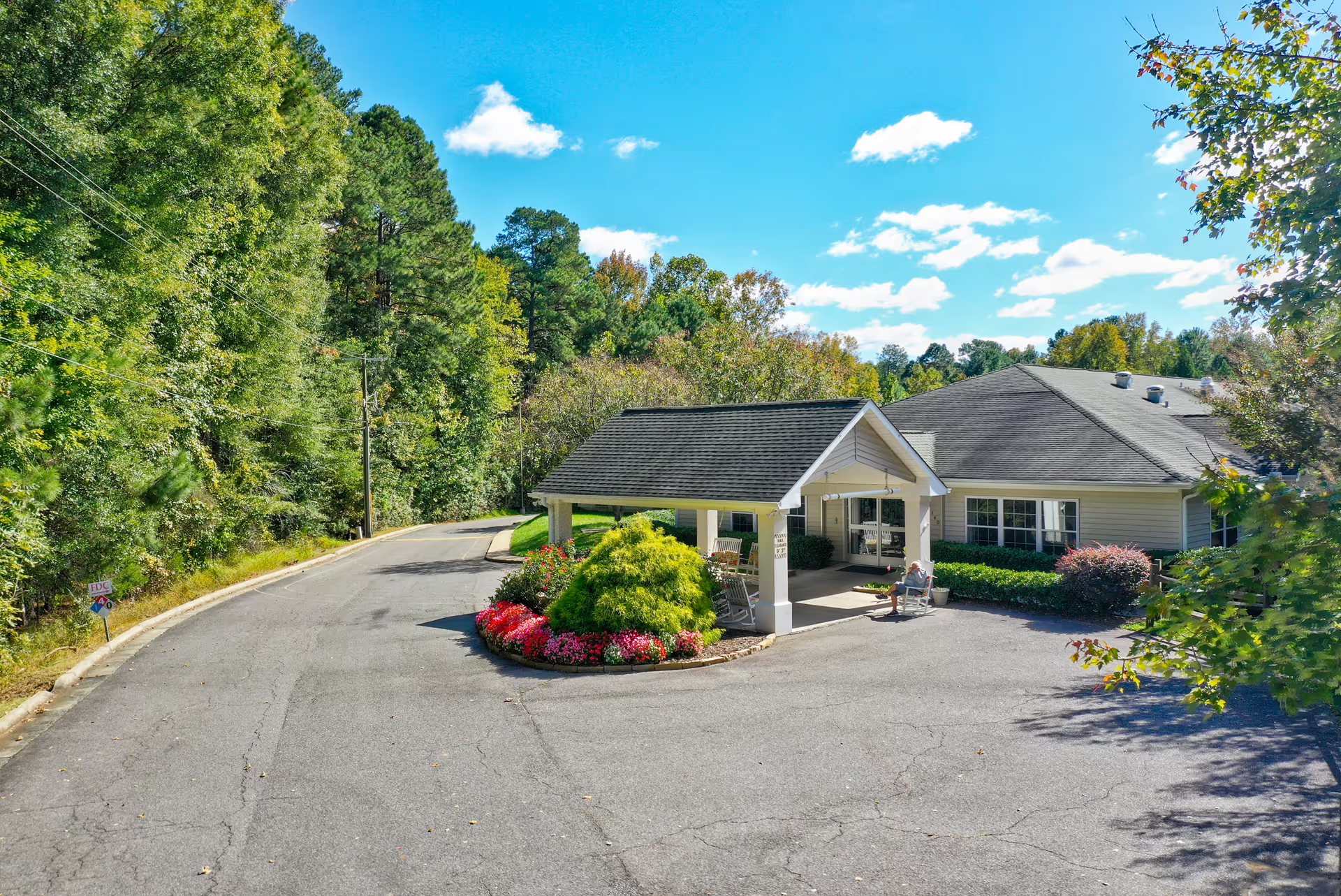
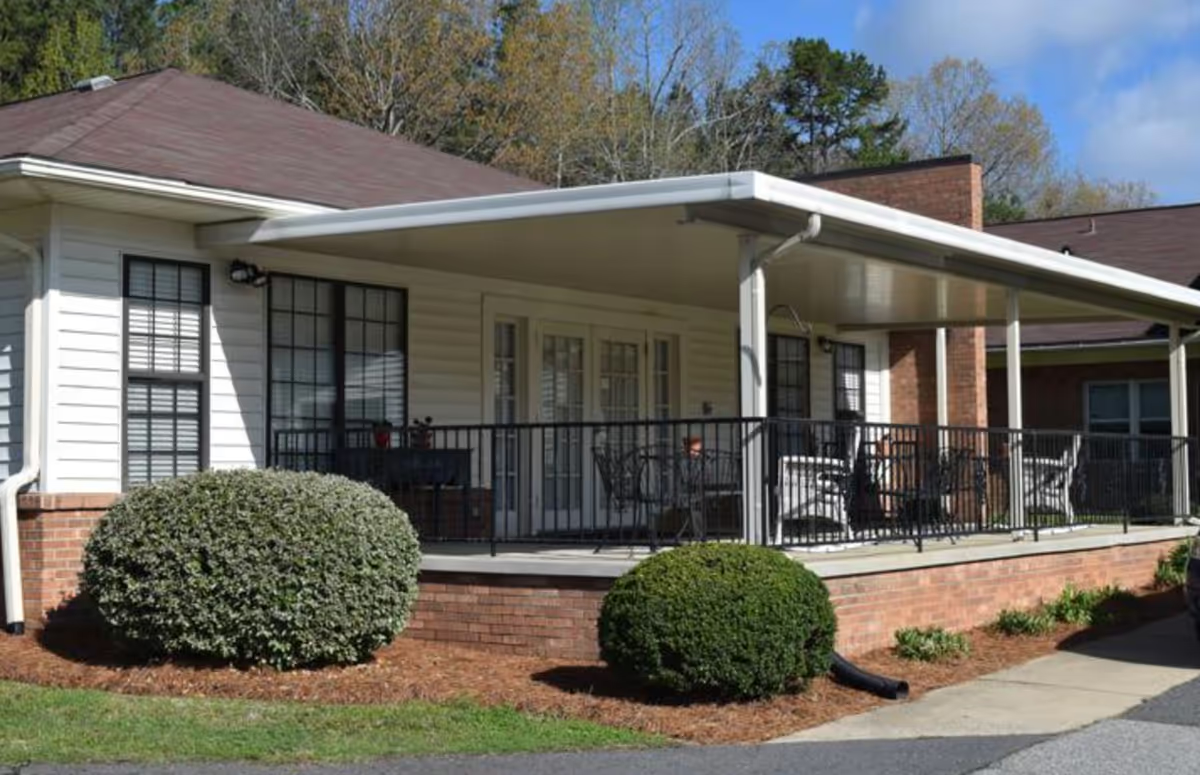
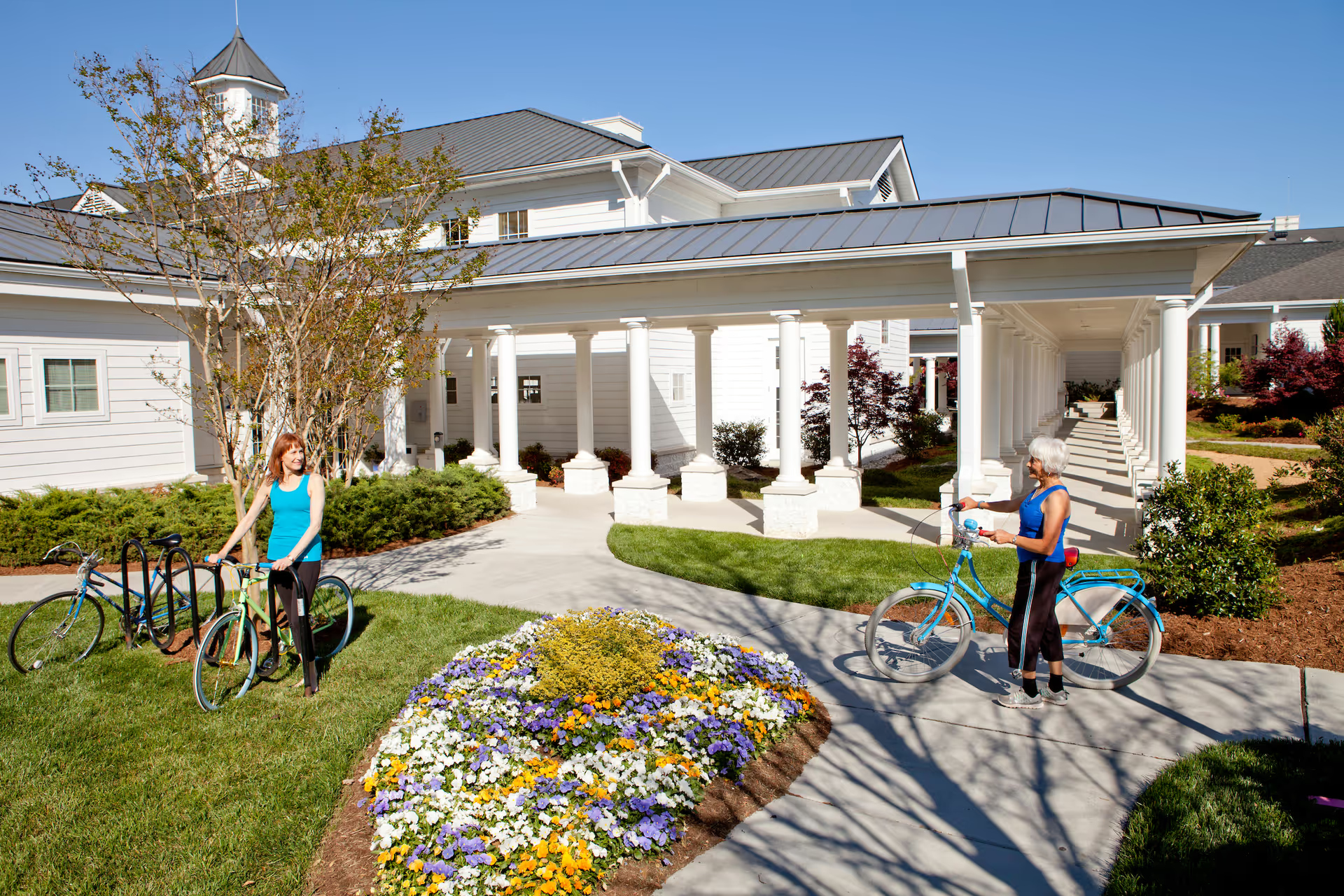
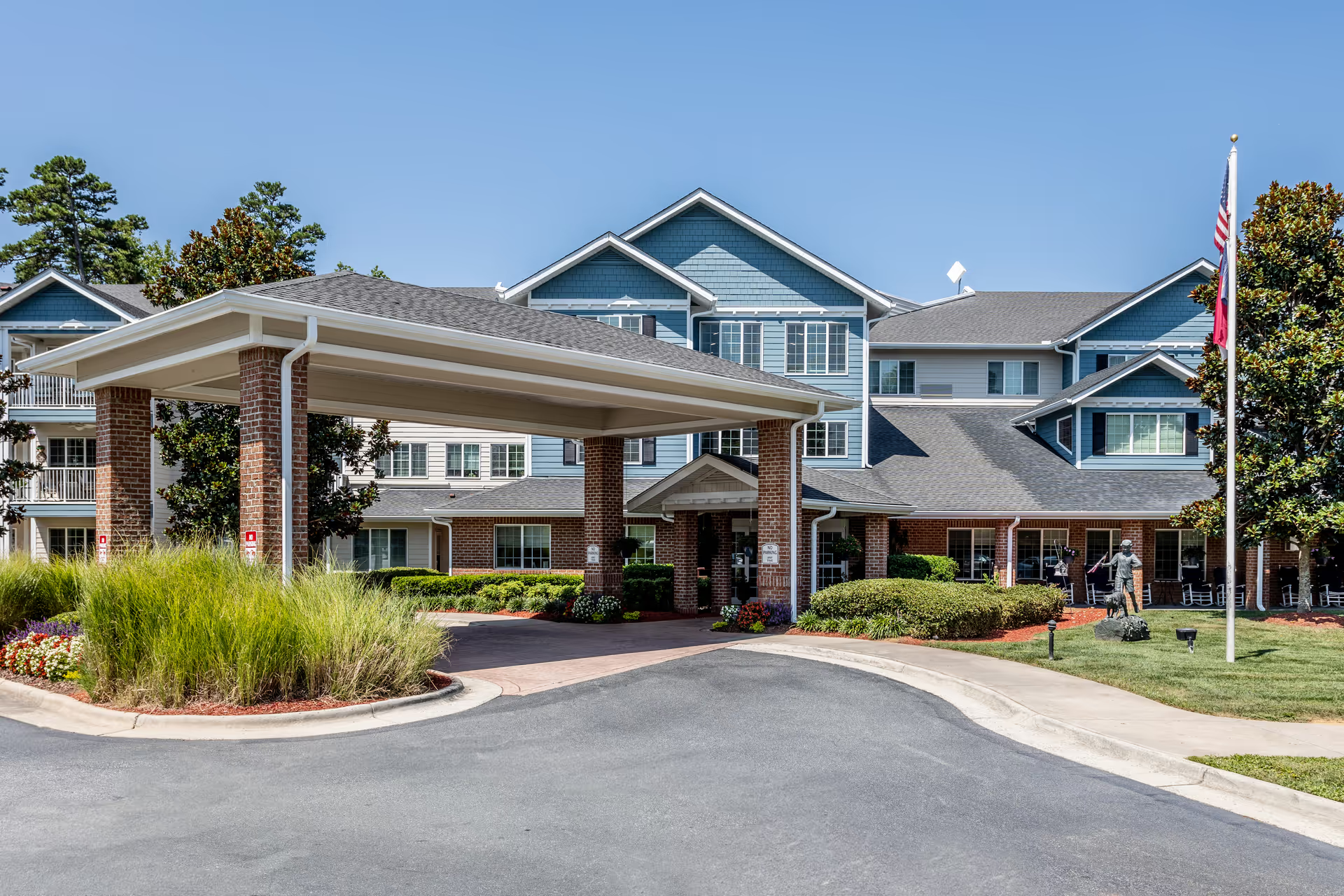
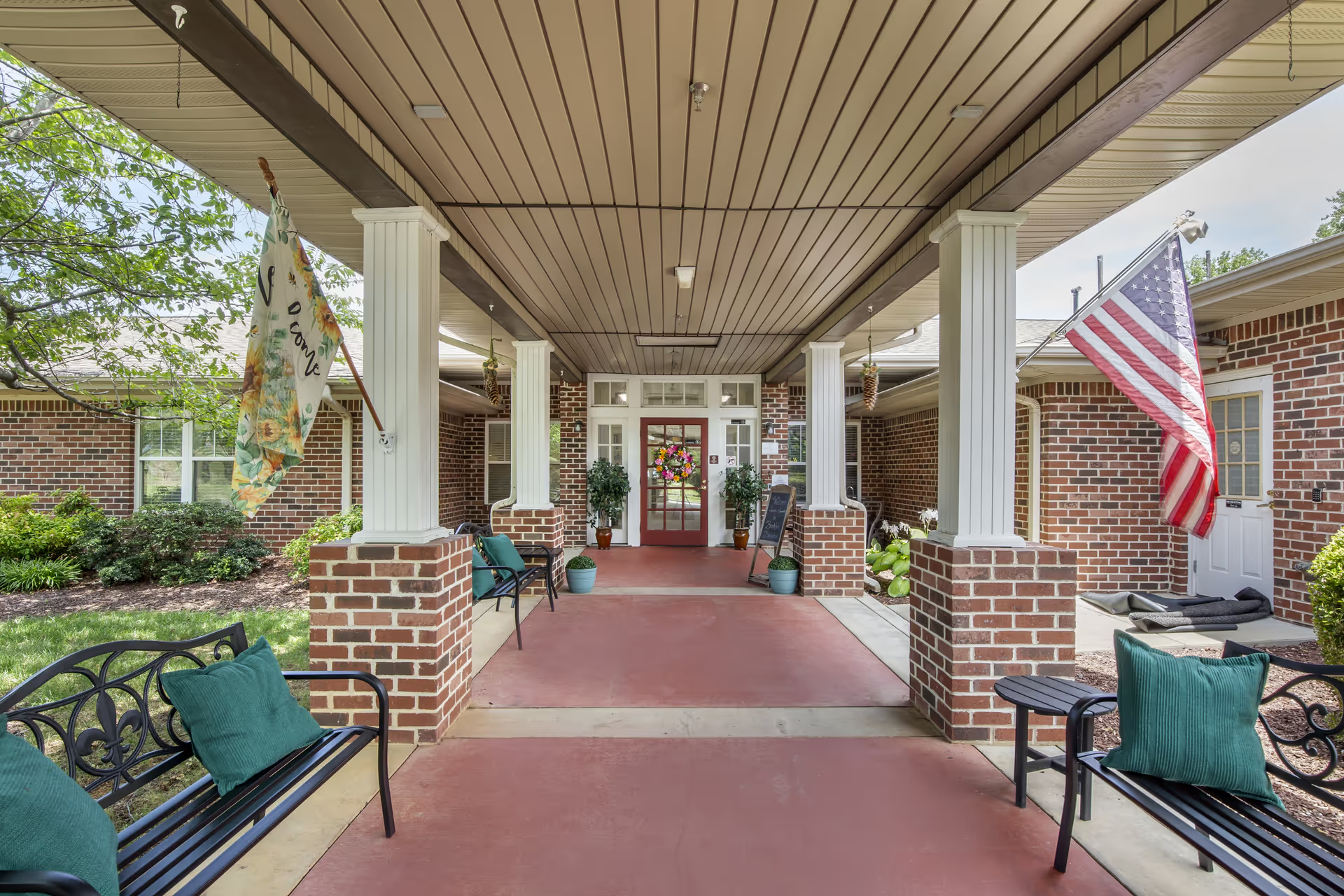
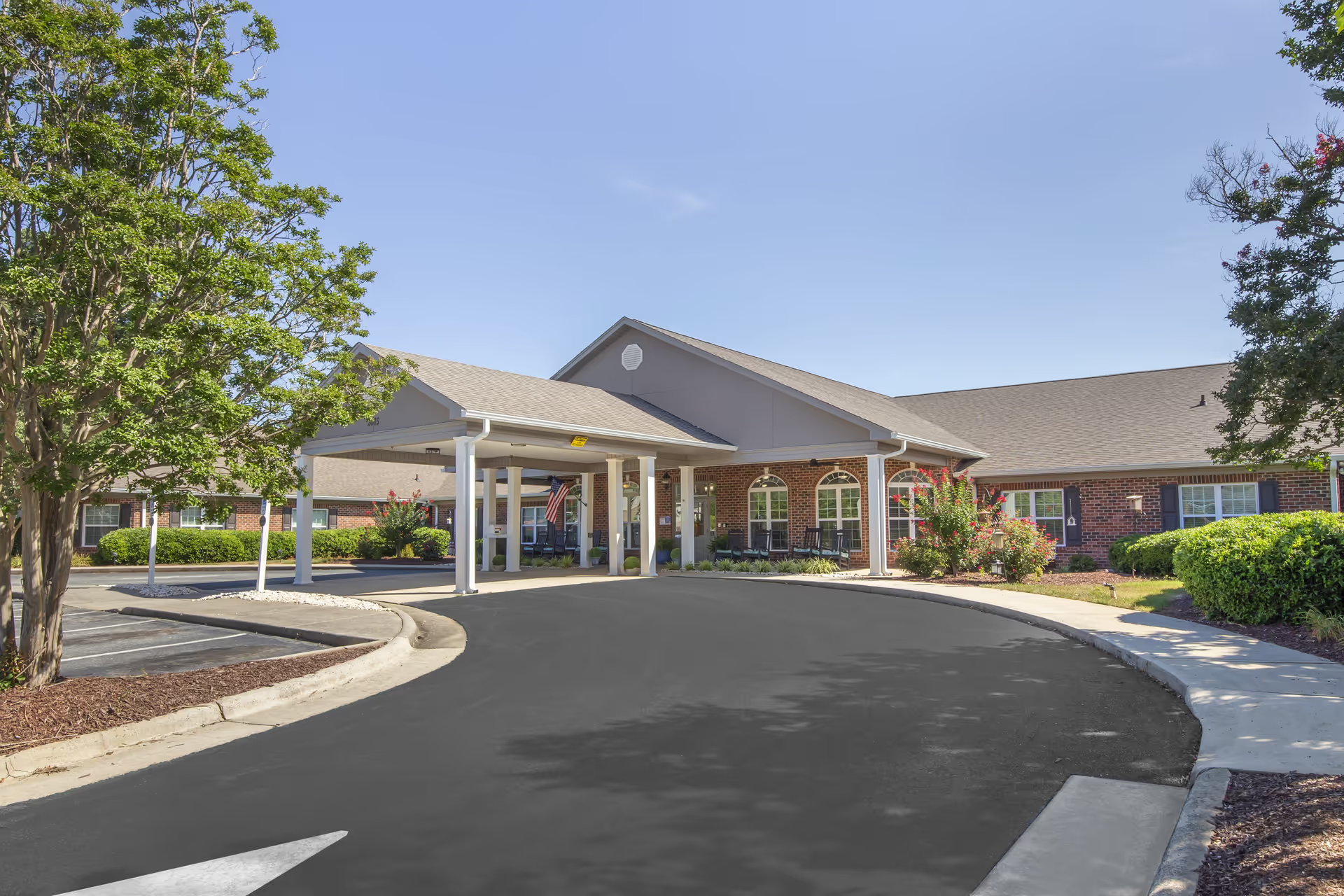
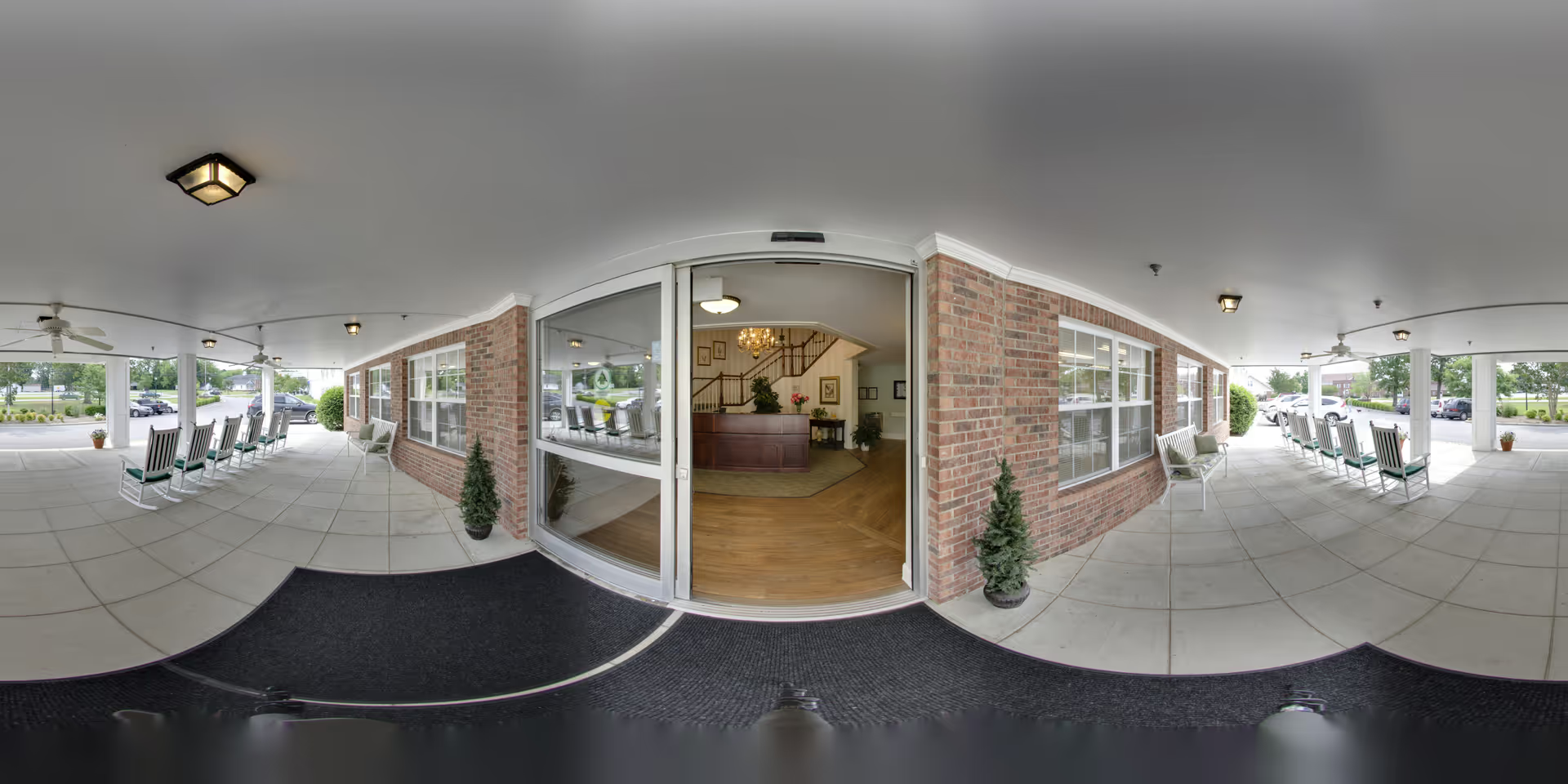
Facility condition and maintenance are mixed. The campus includes appealing outdoor areas and some well-maintained common spaces, yet reviewers documented older furnishings, paint and cosmetic wear, odor concerns in parts of the building, boxes obstructing entrances, and pest-control concerns in some areas. These issues indicate deferred maintenance in sections of the facility rather than uniform conditions throughout.
Management and administrative practices show both strengths and gaps. Admissions, certain office staff, and some managers receive positive comments for clear guidance and empathy. However, other reviewers reported slow or unresponsive administrative communication, unclear handling of resident funds, and perceptions that discharge decisions may be driven by payer considerations. Additionally, a small number of serious individual claims — including infection-related outcomes and concerns following a resident's death — were raised and merit careful review by families and regulators; there are also reports of staff conduct and professionalism issues that affect family trust.
Overall pattern: experiences vary significantly by unit, shift, and individual staff members. The facility demonstrates clear strengths in compassionate caregivers, engaged therapy and activities staff, and supportive admissions; concurrently, it shows operational weaknesses in staffing consistency, clinical oversight, housekeeping/maintenance in older areas, and administrative responsiveness. Prospective residents and families should plan an on-site visit focused on staffing ratios for relevant shifts, infection-control practices, medication-administration protocols, roommate assignment policies, and current housekeeping/maintenance plans to assess whether the facility’s strengths align with their priorities.