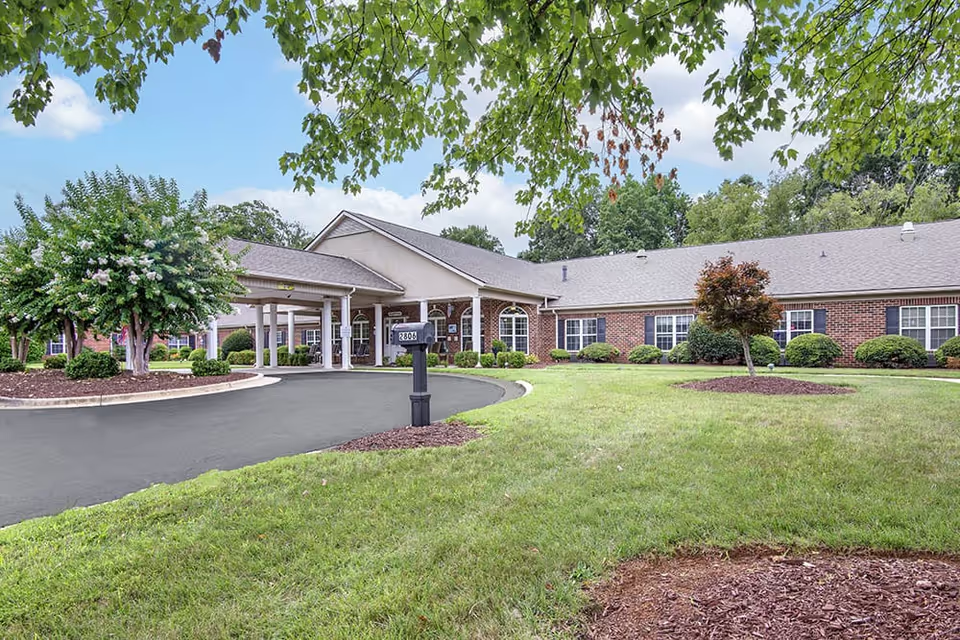
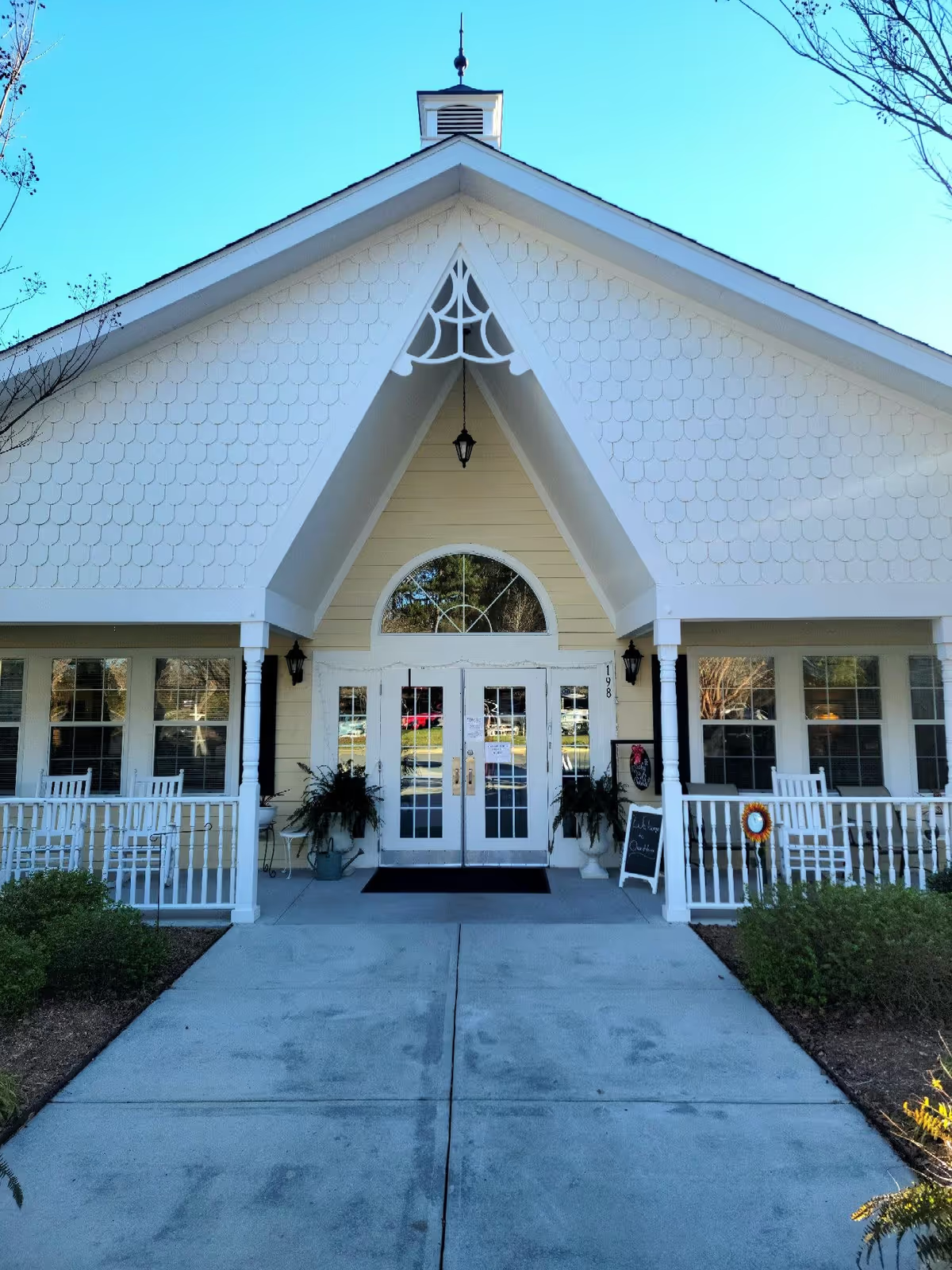
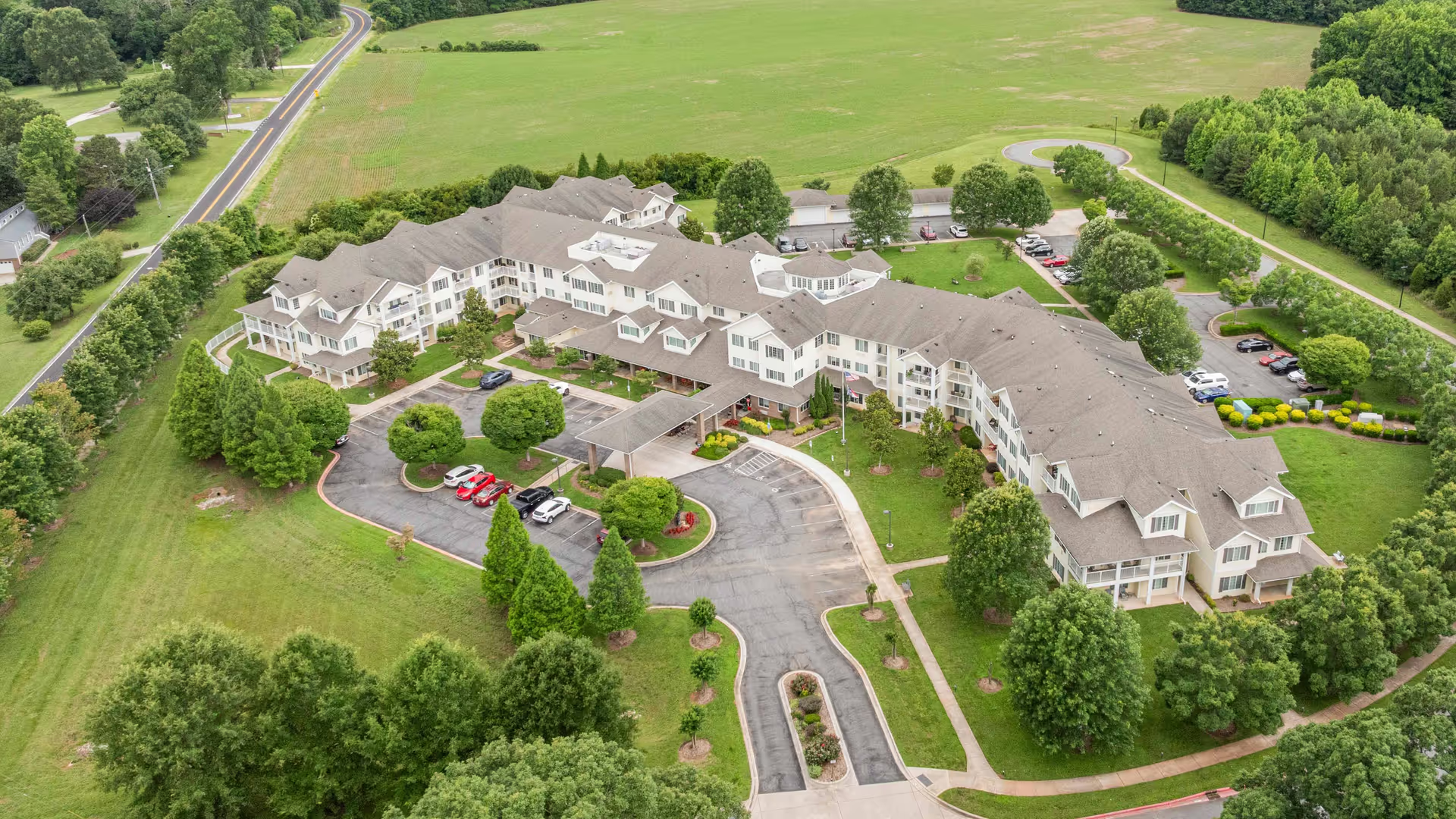
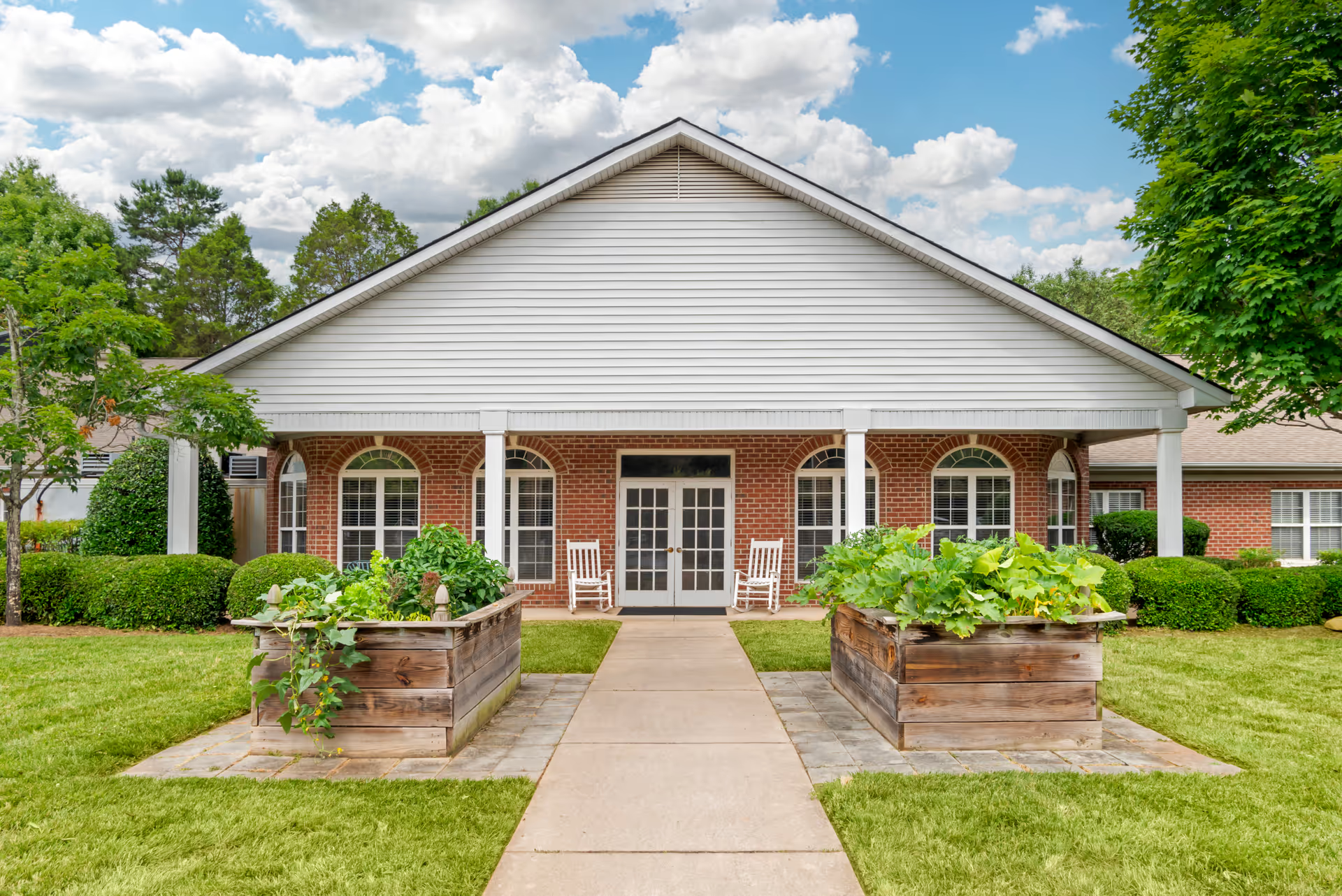
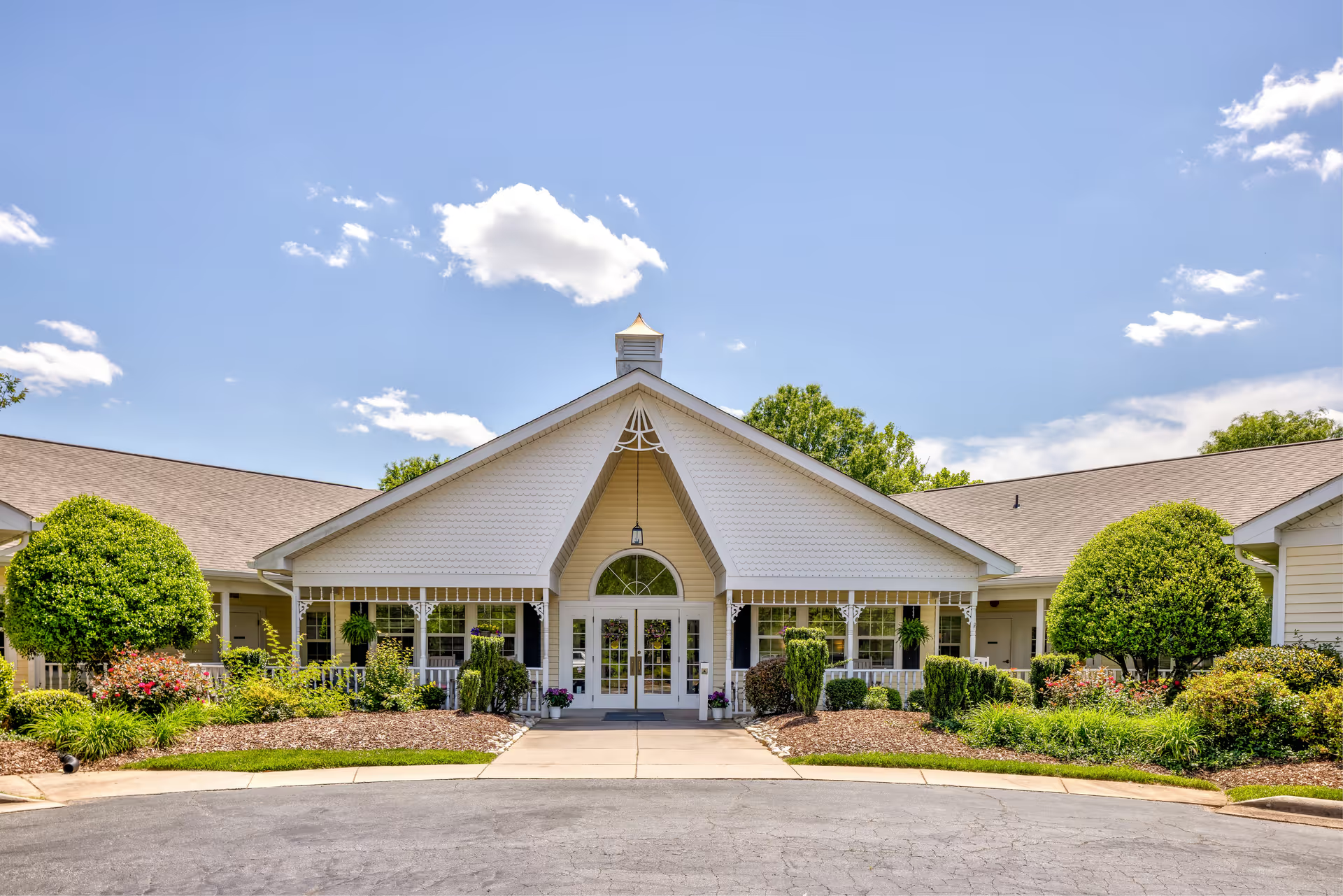
Overall impression: Reviewers describe Brookdale East Broad as a community with a consistently warm, home-like atmosphere and a caregiving staff that many families find compassionate and attentive. The facility is noted for its social programming, holiday and religious services, on-site therapy and salon offerings, and transportation for outings. Dining quality is often highlighted as a strong point, and private-room options and all-inclusive pricing are positive operational features for prospective residents.
Care and staff: Many accounts emphasize staff professionalism, emotional investment in residents, and responsiveness when additional assistance is needed. Staff–resident interactions are frequently characterized as personalized and friendly, and several reviewers described staff who communicate with families and provide updates. At the same time, there are recurring concerns about staffing continuity, scheduling miscommunications, and occasional lapses in responsiveness; families should ask about turnover, staff ratios, and handoff procedures when evaluating placement.
Dining and meal service: Food quality is commonly praised and described as a highlight of the community. However, communal dining operations have been disrupted at times (including infection-control periods), leading to alternative meal-delivery arrangements that some families found unsatisfactory. There are also notes about assistance at mealtime for residents with dexterity issues. Prospective residents should clarify current dining protocols, how communal meals are managed during outbreaks, and what accommodations exist for residents who need help eating.
Activities and social life: The community offers a broad calendar — exercise classes, outings, shopping trips, holiday parties, church services, and other group activities — and many reviewers report active social engagement. Nevertheless, activity participation appears uneven: some residents enjoy a full schedule, while others or those needing higher-level memory support may find fewer tailored options. Memory-care capacity is limited or not available in some cases, which affects suitability for residents with advanced dementia.
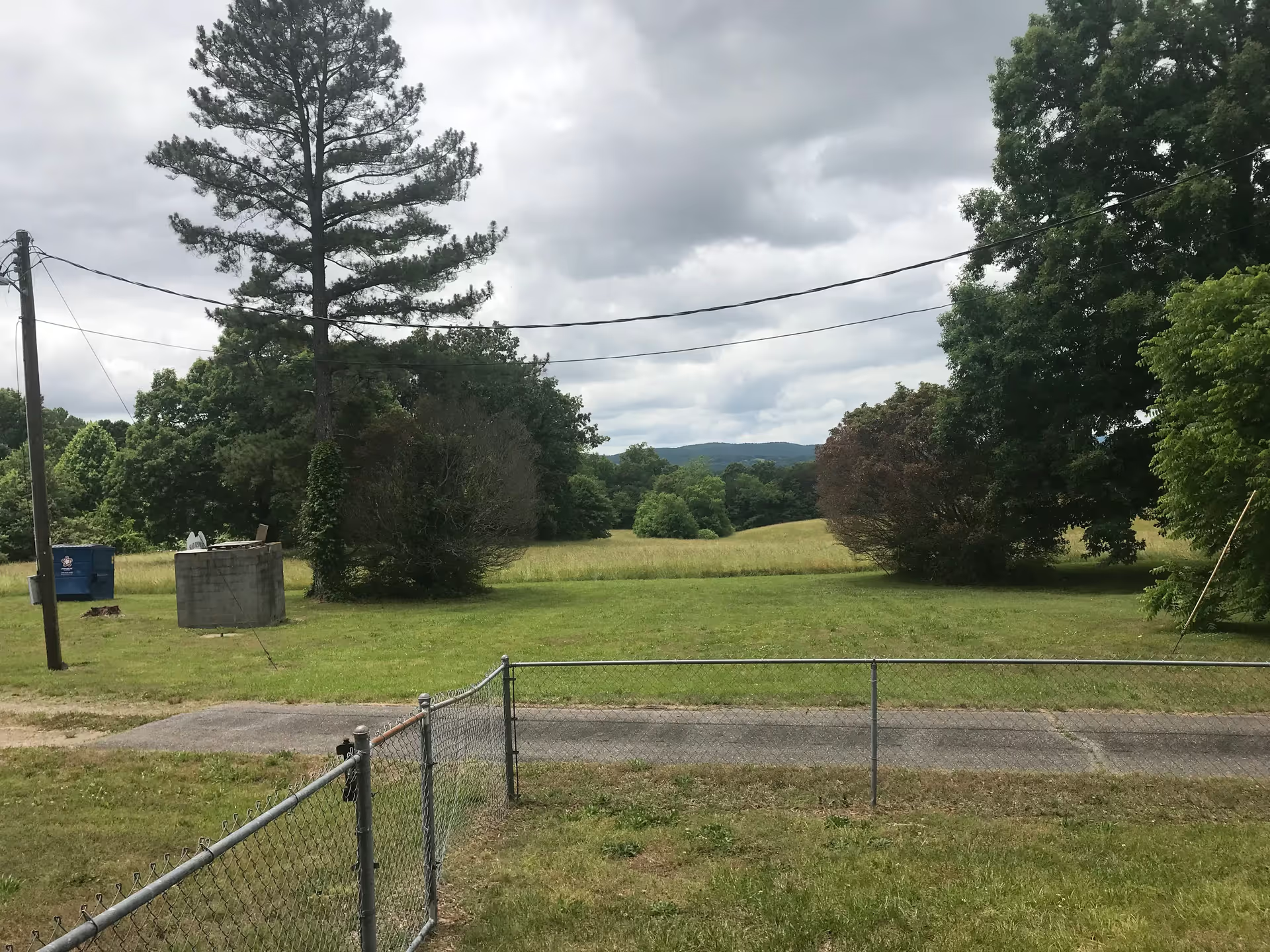
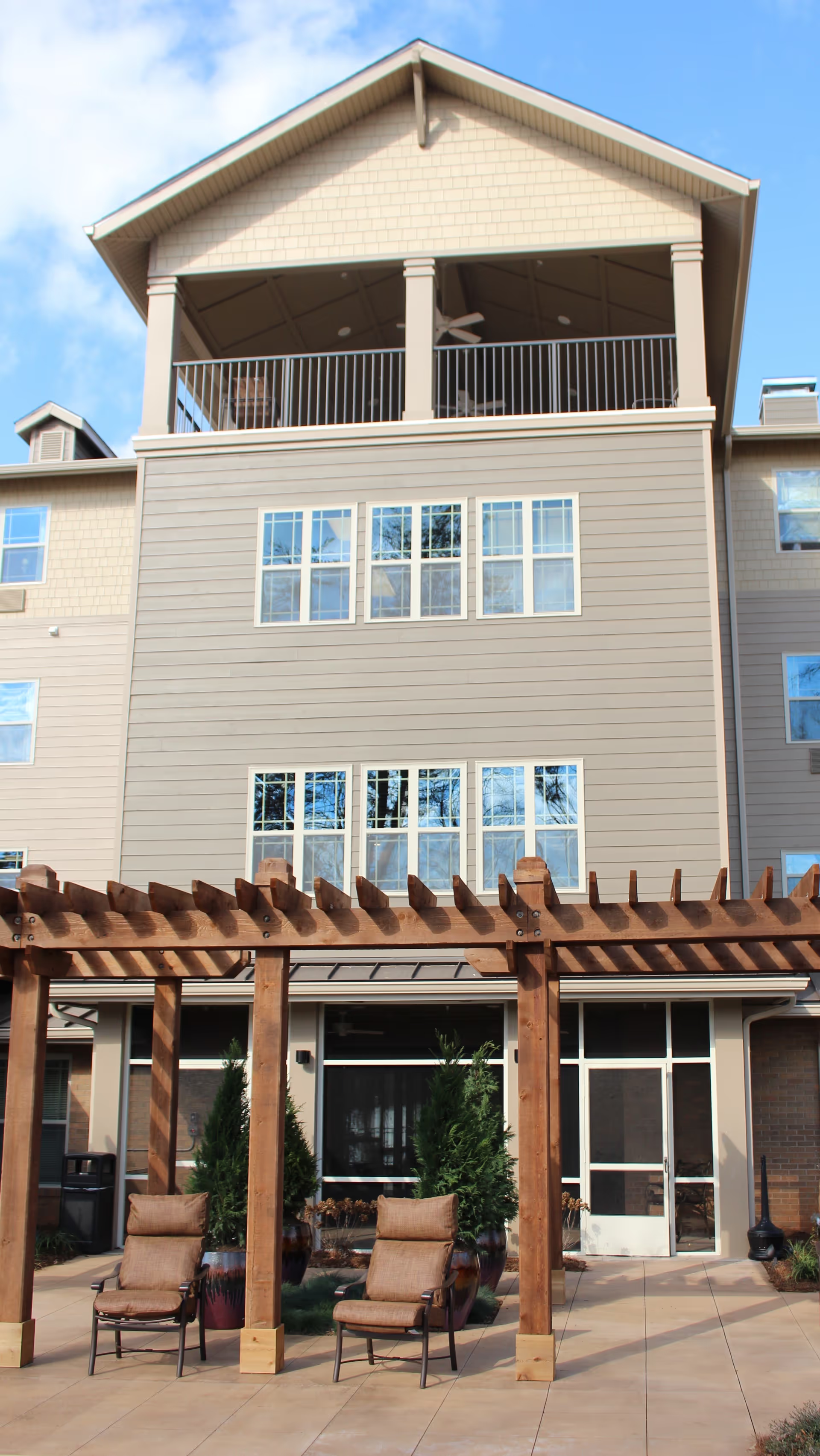
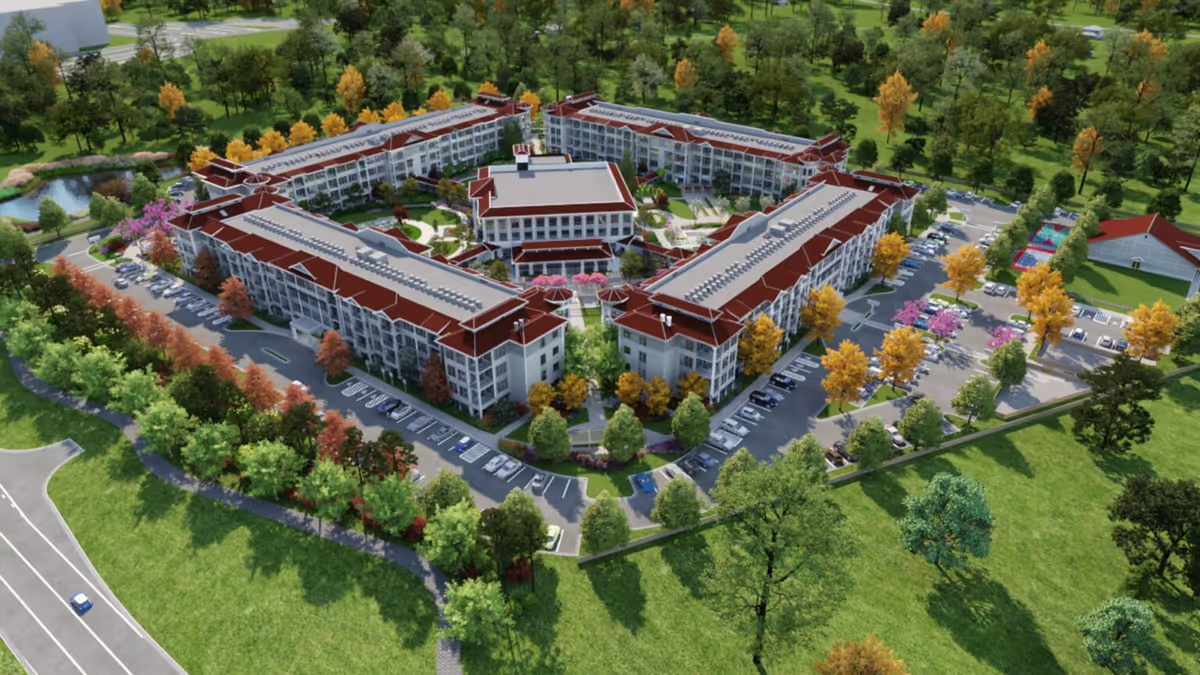
Facilities and housekeeping: Physical spaces receive mixed assessments. Several reviewers praised clean common areas and comfortable sitting spaces, while others noted sanitation concerns, odor issues in hallways, and inconsistent housekeeping inside some rooms (unmade beds, maintenance delays). Apartment sizes vary; some units are described as large and comfortable, but many are noted to have small showers and limited living/closet space. Renovations are underway in parts of the facility, and those projects have led to occasional disruption and areas that require further exterior or interior upkeep.
Management and notable patterns: Communication and transparency from management are experienced variably — some families report clear, helpful interaction and quick problem resolution, while others cite poor communication, incomplete follow-up, and concerns about resident evaluations after hospital discharges. Cost perceptions are mixed: a number of reviewers find the pricing reasonable for the services offered, whereas others identified more economical alternatives elsewhere. Given the mix of strengths and operational gaps, an in-person visit is advisable; ask targeted questions about current staffing levels, dining continuity, memory-care availability, housekeeping protocols, and the timeline and scope of ongoing renovations before making a placement decision.