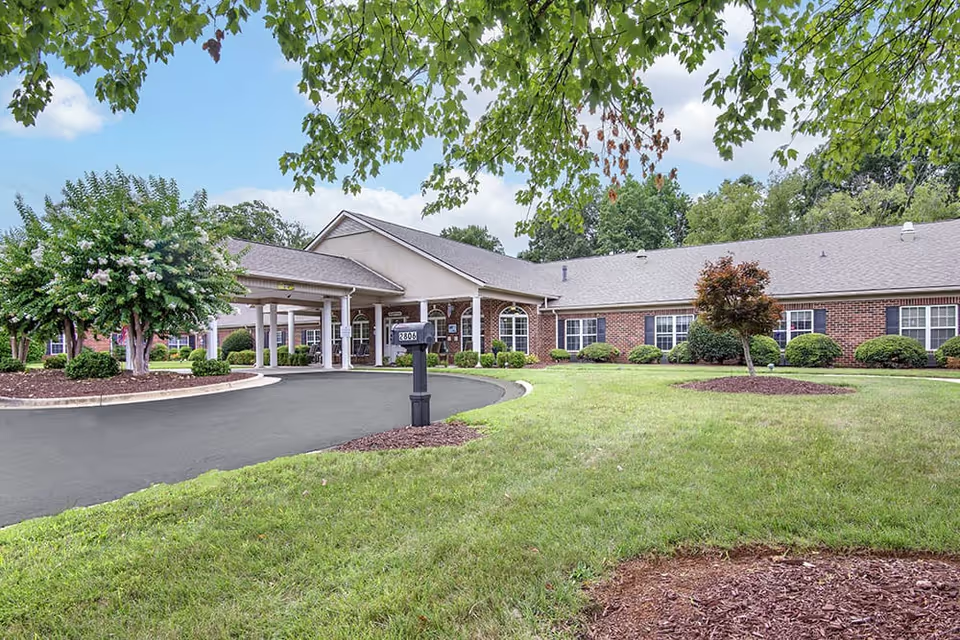
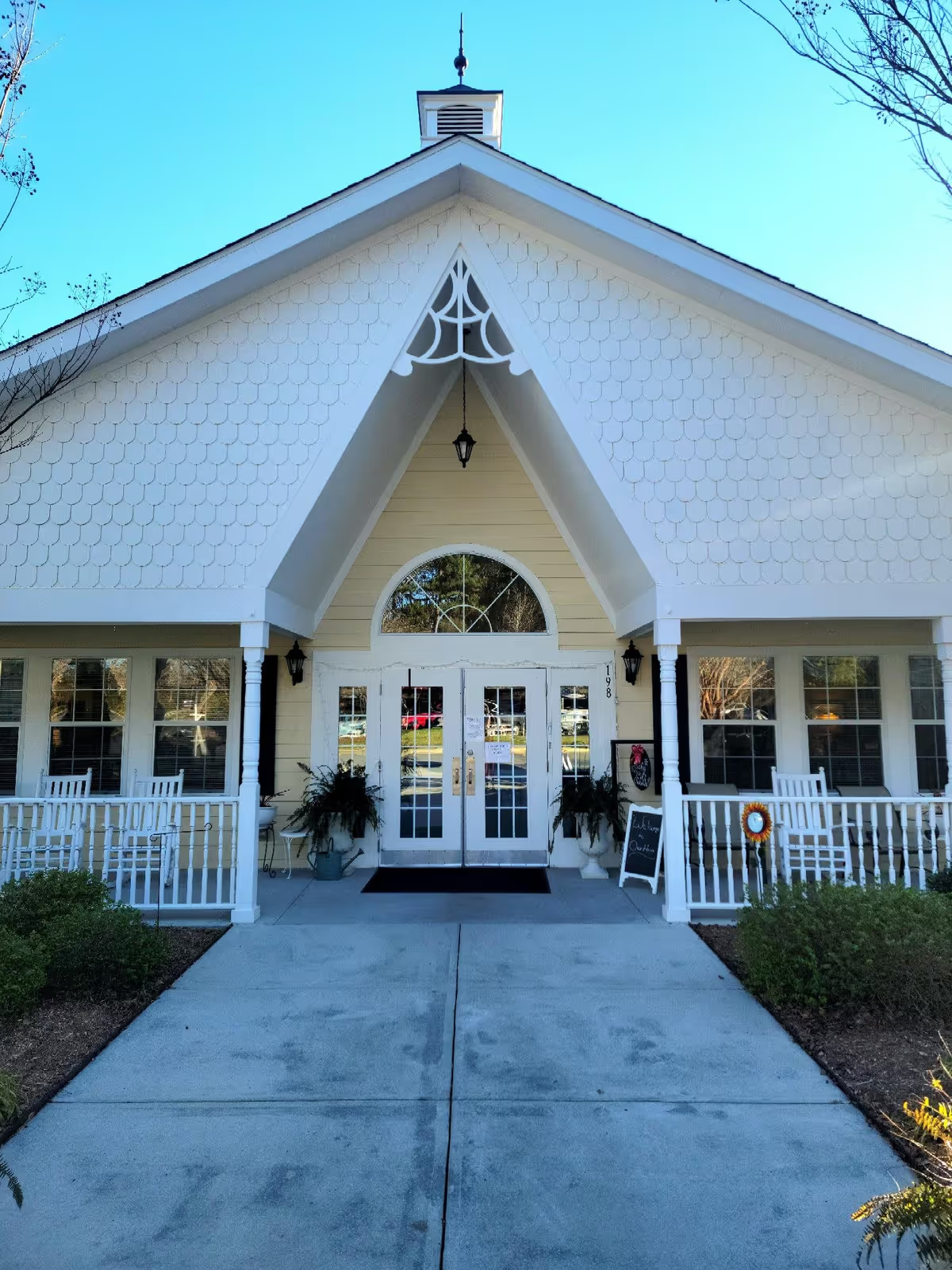
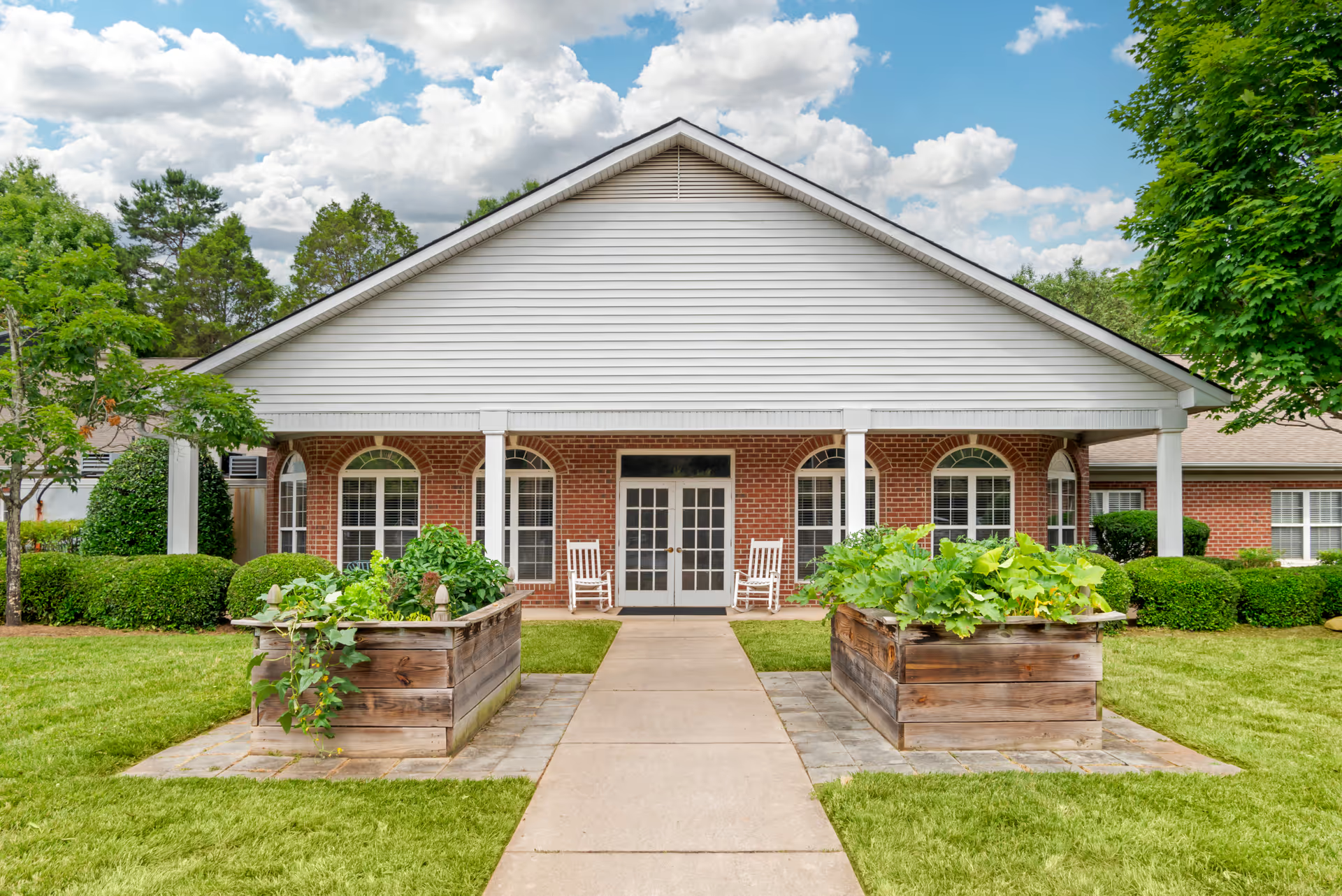
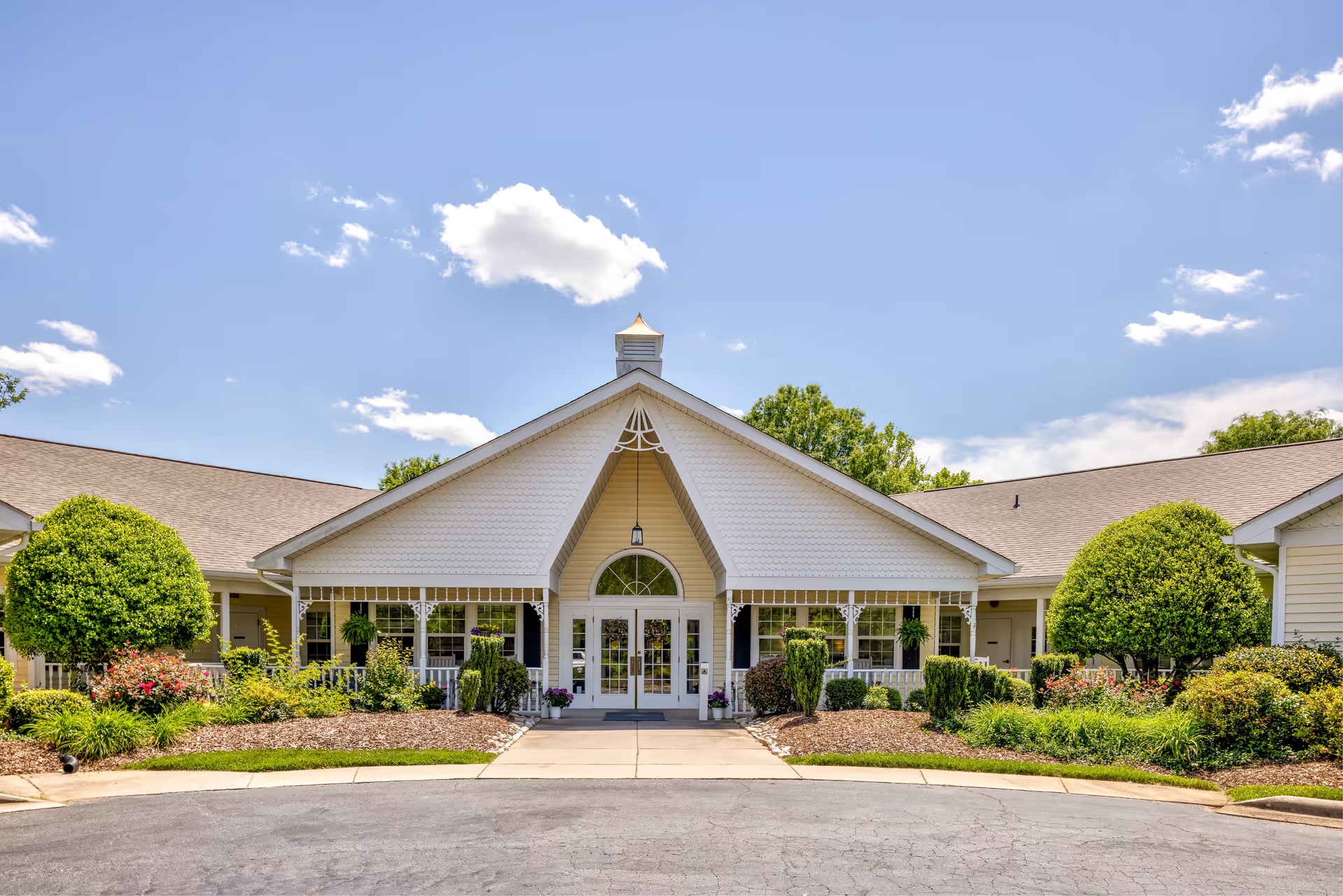
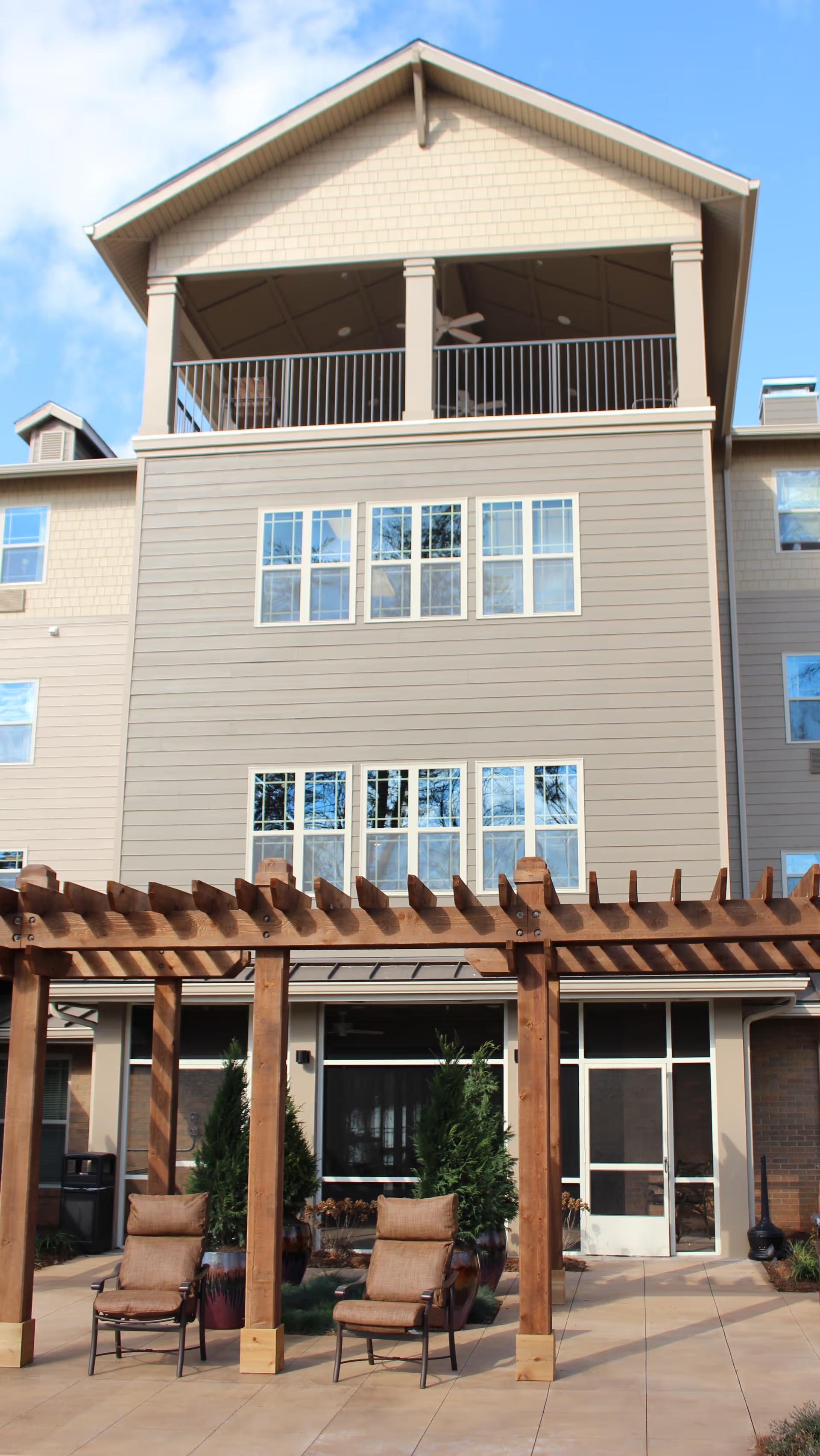
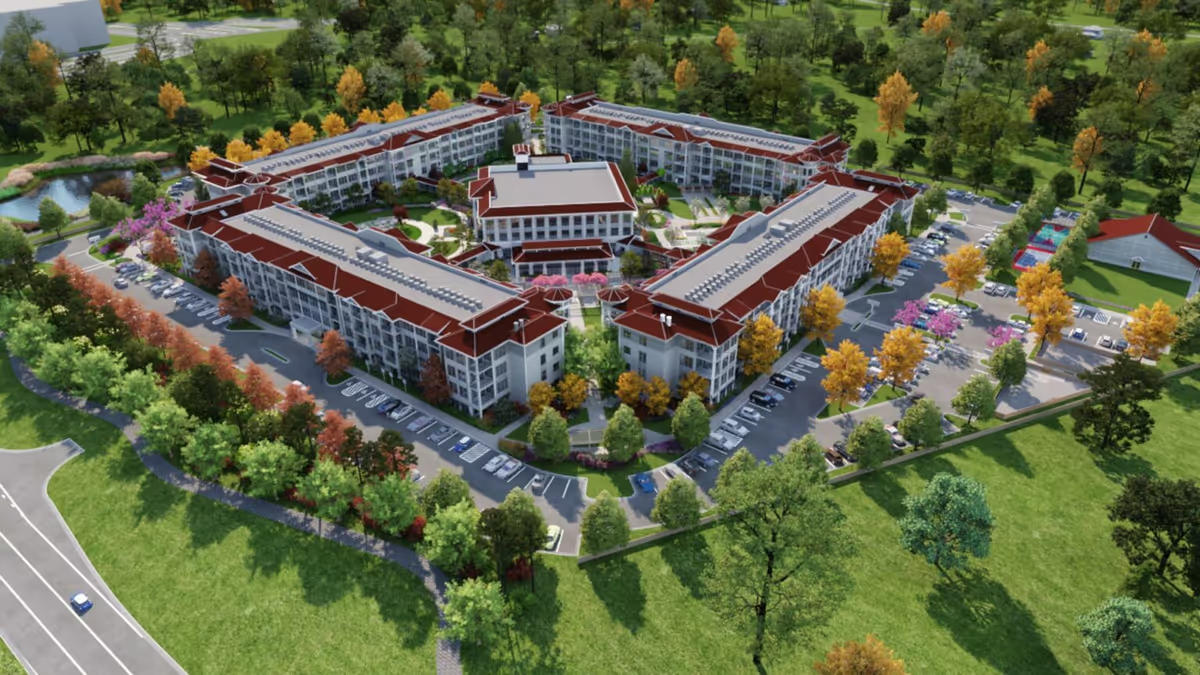
The Gardens of Statesville presents as a well-maintained, welcoming senior community with clear strengths in environment, amenities, and interpersonal care. Many descriptions emphasize a clean facility with spacious, well-decorated rooms, a large lobby and dining area, and attractive interior finishes. Families appreciated the ability to personalize rooms, the presence of a separate memory-care activity area, and rehabilitation/therapy services. Maintenance and housekeeping responsiveness, pet-friendly policies, and opportunities for meal sampling were also commonly noted.
Staffing and hands-on caregiving are a mixed picture. Numerous comments describe compassionate, long-tenured caregivers who foster social engagement and a home-like atmosphere; activity staff and CNAs are frequently characterized as kind, attentive, and proactive in family communication. At the same time, recurring operational issues include inconsistent staffing levels and a low caregiver-to-resident ratio that appear to limit staff–resident interaction at times. These staffing gaps are linked in some accounts to delays in assessments, uneven activity coverage (notably on weekends), and variability in how clinical issues are handled.
Clinical care quality shows both strengths and concerns. On the positive side, therapy services and short-stay/post-discharge follow-up received favorable mention, and many families described staff as respectful and responsive to routine needs. Areas of concern center on pain management and medication responsiveness, including instances where pain-control approaches and escalation processes were perceived as inadequate. Related operational patterns include transfers to emergency services without evident prior physician coordination, limited scheduled transport options to hospitals, and notable out-of-pocket emergency-transport costs. There are also cited delays in clinical assessment and care-plan initiation that have financial and care implications. Serious post-incident communication issues have been raised by families, including concerns following a resident's death; these underscore the importance of clarifying the facility's incident-response and family-notification processes before admission.
Dining and activities are generally positive but uneven. The community offers a varied menu, frequent meal options, and organized sampling events; many residents and families praised social dining spaces and particular menu items. Other comments point to inconsistent food temperature, portion size, and home-style seasoning, suggesting variability in meal-service execution and recent improvement efforts under new management. Activity programming is robust on many days—bingo, crafts, exercise, entertainment, small-group social opportunities, and salon services are frequently mentioned—creating an active social culture. However, some reviews note limited outings, constrained group sizes during infection-control periods, and fewer weekend activities.
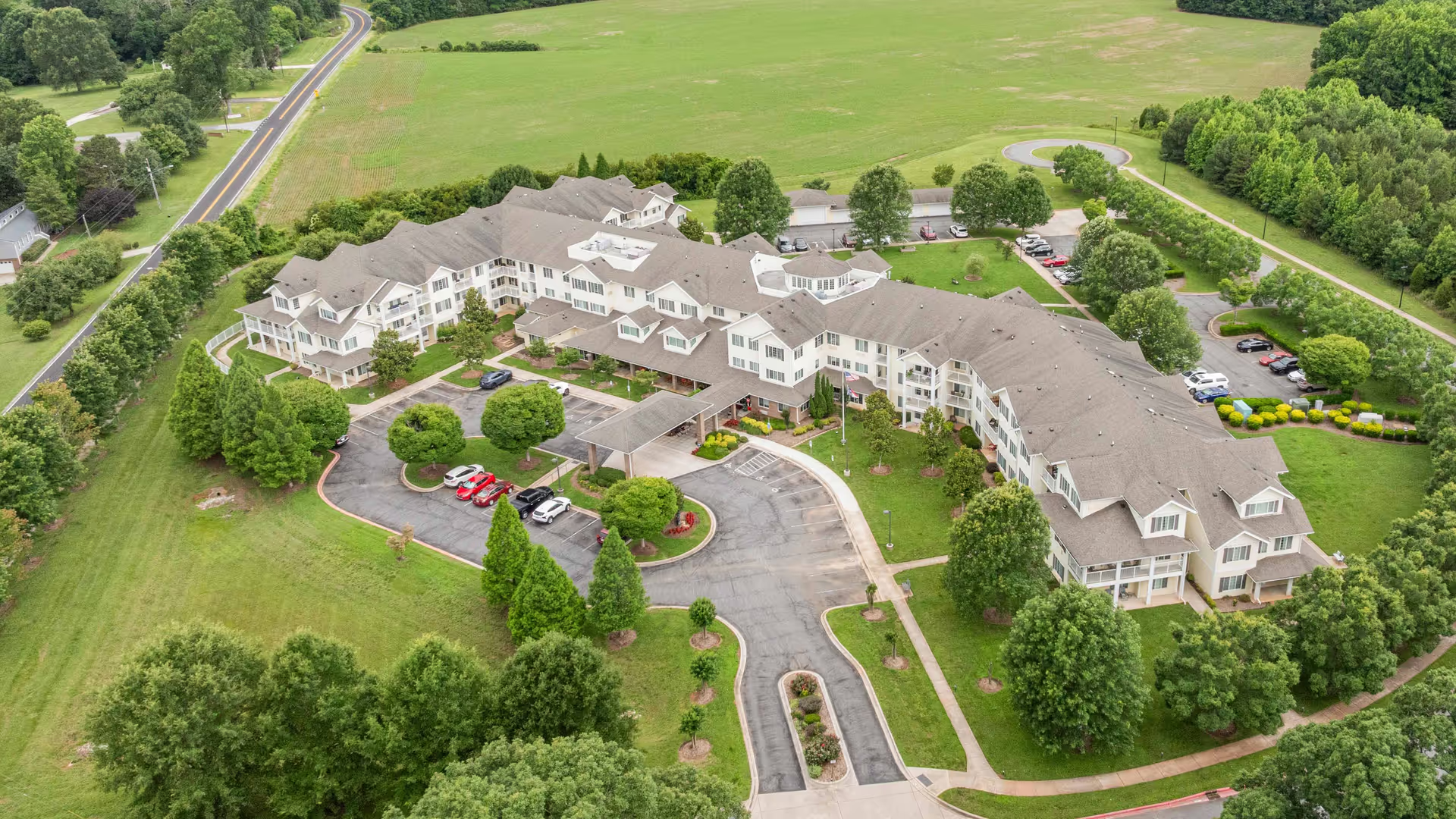
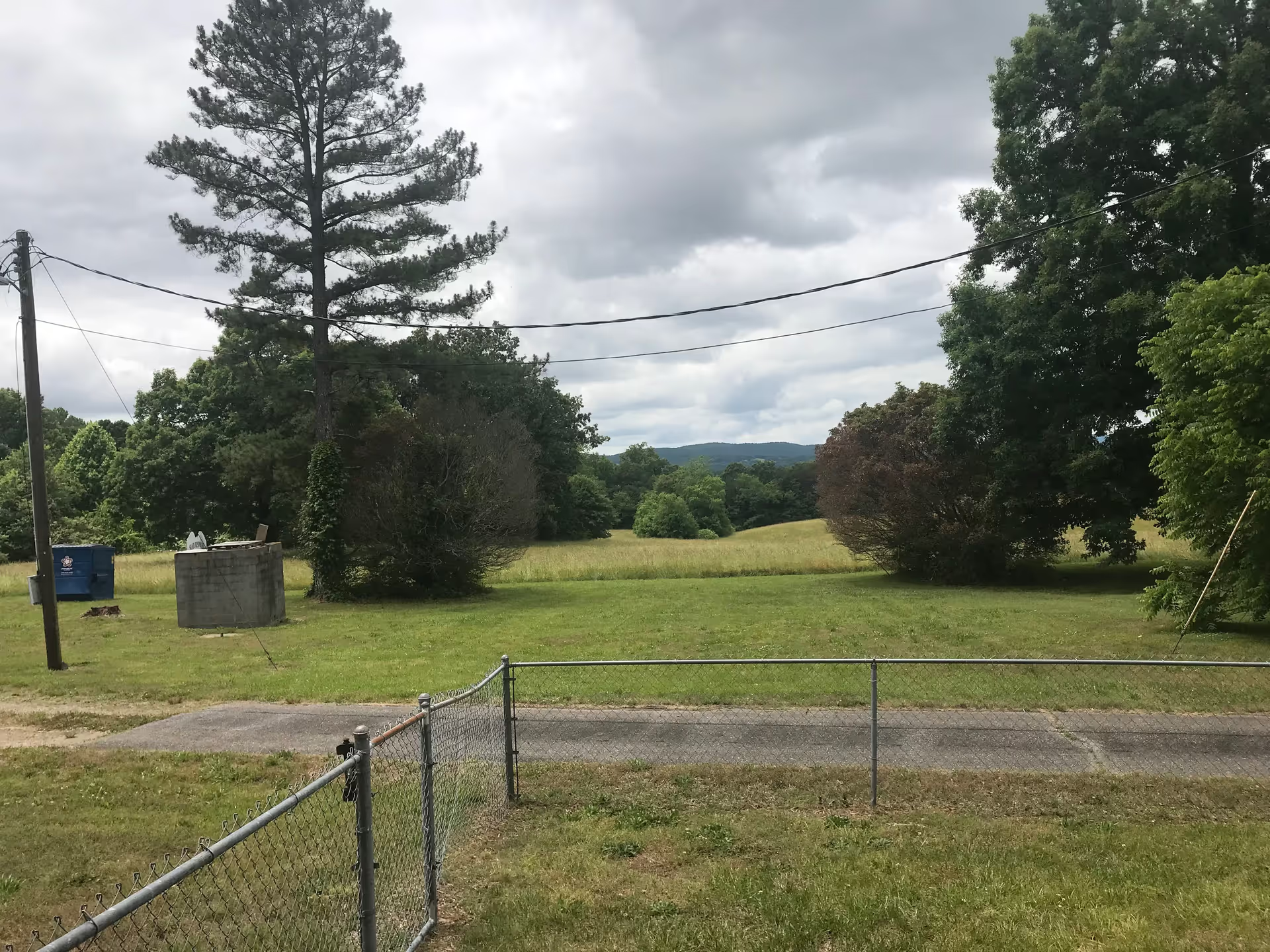
Facility layout and grounds: The interior spaces are commonly described as inviting, with bright common areas, hardwood floors, and a large dining room and entertainment lobby. Some reviewers called the facility state-of-the-art and praised recent updates or renovations; others noted renovation-related constraints, smaller respite rooms, or an unattractive courtyard and limited green-space amenities. Security and front-desk coverage emerged as an operational concern in multiple accounts; prospective residents with cognitive impairment should assess memory-care access-control measures and wander-mitigation strategies specifically.
Management, admissions, and cost considerations vary across accounts. Families described both highly responsive, courteous administrative staff and occasions of difficult access to administration or perceived unprofessional conduct. Pricing was frequently described as high relative to alternatives, with unclear delineation of levels of care and occasional delayed assessments that impacted cost. Transportation limitations (scheduled hospital transport on limited days and potential high ambulance fees) and clarity about emergency transfer policies are practical items to verify during a tour.
Overall, The Gardens of Statesville offers many of the amenities and social qualities sought in senior communities—clean, attractive spaces; engaged staff; and a range of activities—while also exhibiting operational areas that merit careful inquiry. Prospective residents and families should confirm current staffing ratios, clinical escalation protocols (especially for pain management), incident-notification procedures, transportation arrangements and fees, weekend/activity schedules, and the specifics of care-level pricing before making a placement decision. A focused visit that includes the memory-care unit, meal service, and a discussion with clinical leadership will help align expectations with the facility's current practices.