Reviews present a mixed but sharply polarized view of Edgecombe Health Center. Many families describe positive day-to-day experiences: attentive nurses and therapists, a robust rehab program with twice-daily therapy for some patients, a clean and well-maintained facility with private rooms and en-suite bathrooms, satisfactory meals, and an active schedule of activities and entertainment. Several reviewers named individual staff members as particularly effective and compassionate, and noted a warm, residents-first culture among longstanding team members.
Contrasting these positive accounts are a number of serious clinical and operational concerns. Reviewers describe inconsistent responsiveness to call lights and requests for assistance, with particular problems cited overnight. There are multiple indications of variable bedside-care quality across shifts, including delayed assistance with feeding and personal care. Several comments point to significant gaps in clinical oversight related to nutrition and weight monitoring, and to instances that families perceived as inadequate fall-prevention or transfer-safety practices.
Communication and care transitions are recurring themes. Families reported difficulties obtaining timely updates by phone and uneven communication tone from some staff; a subset of reviewers characterized staff interactions as brusque or dismissive. There are also complaints about discharge planning and coordination with home-health services, which families associated with abrupt or poorly managed transitions. Separately, some reviewers alleged deceptive online review practices; this pattern may warrant additional scrutiny when evaluating public ratings.
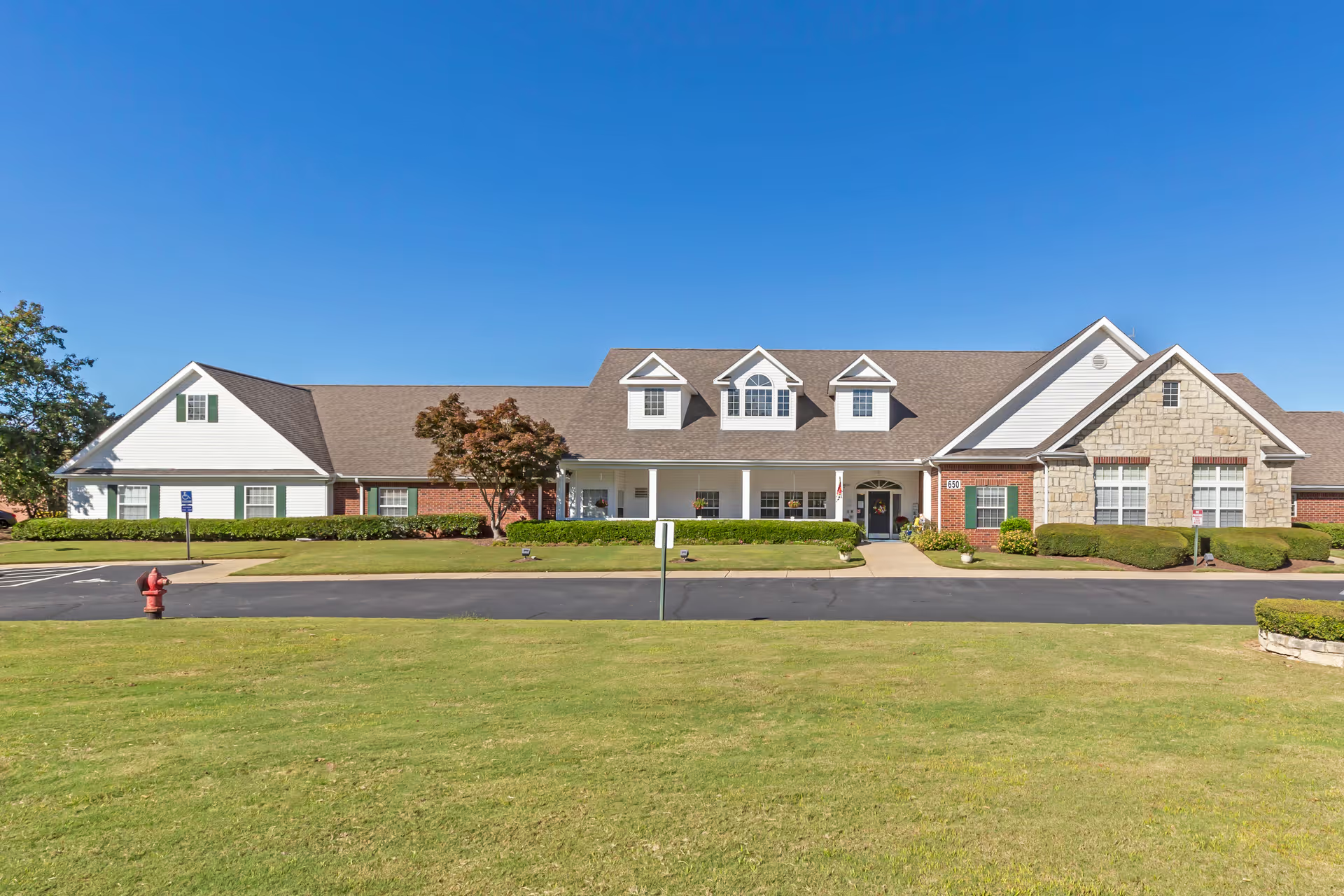
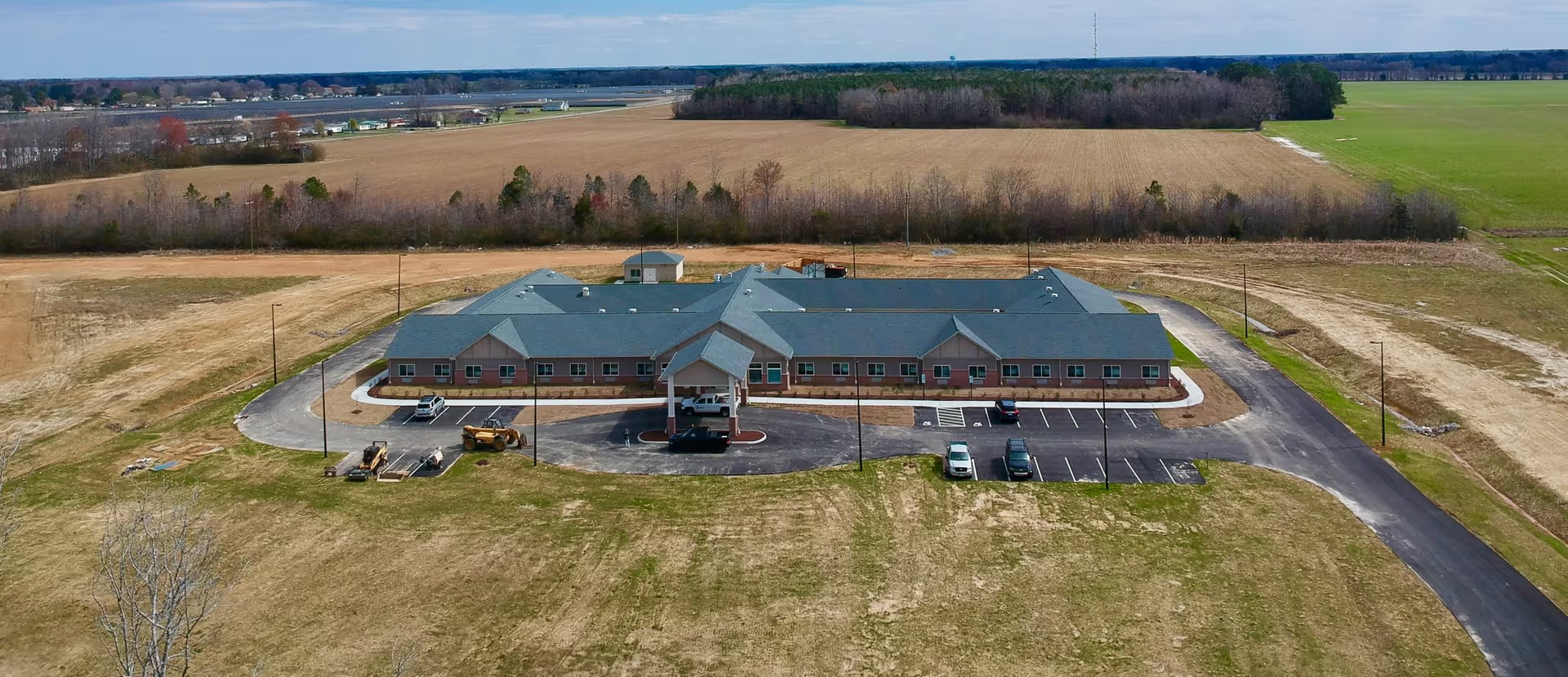
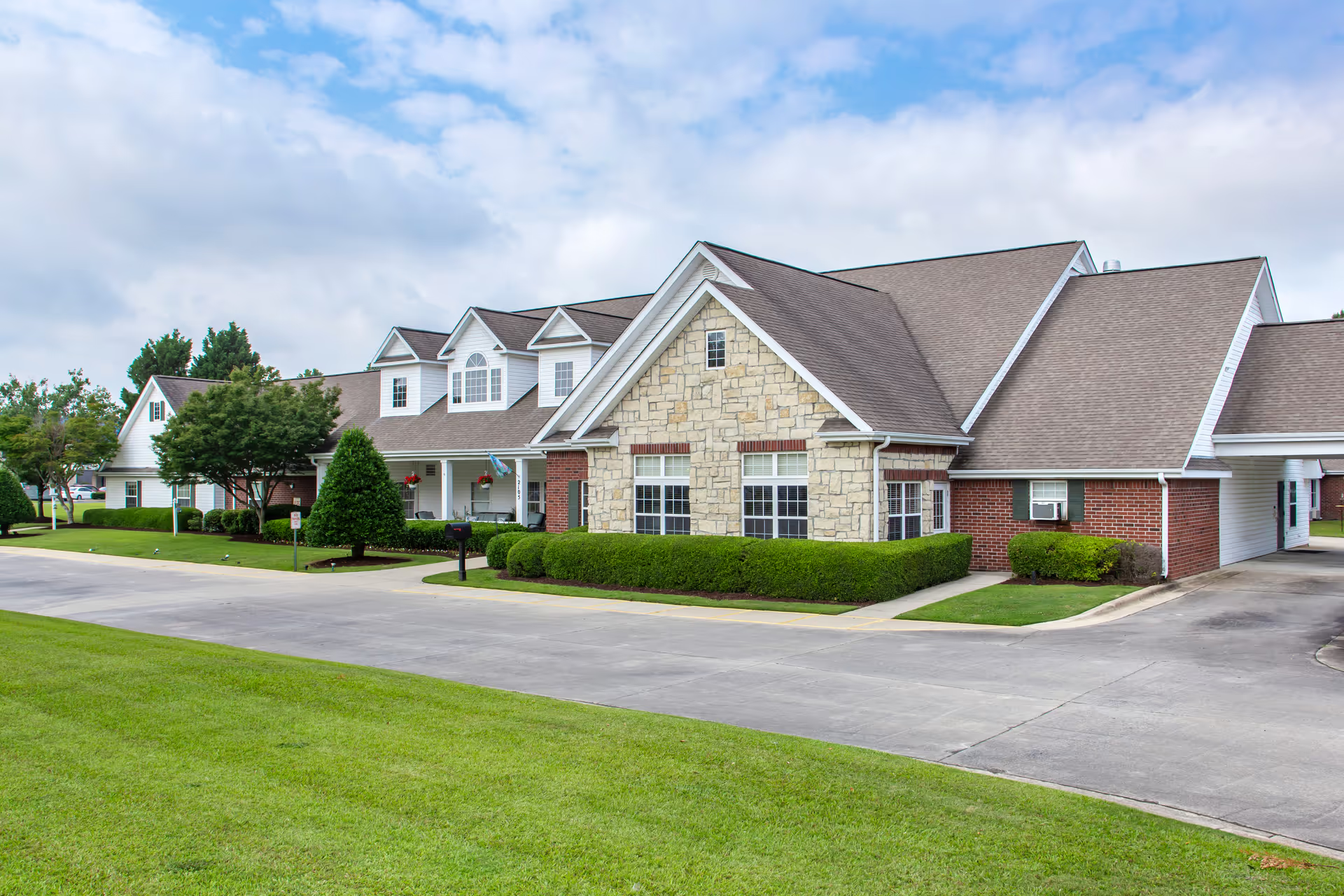
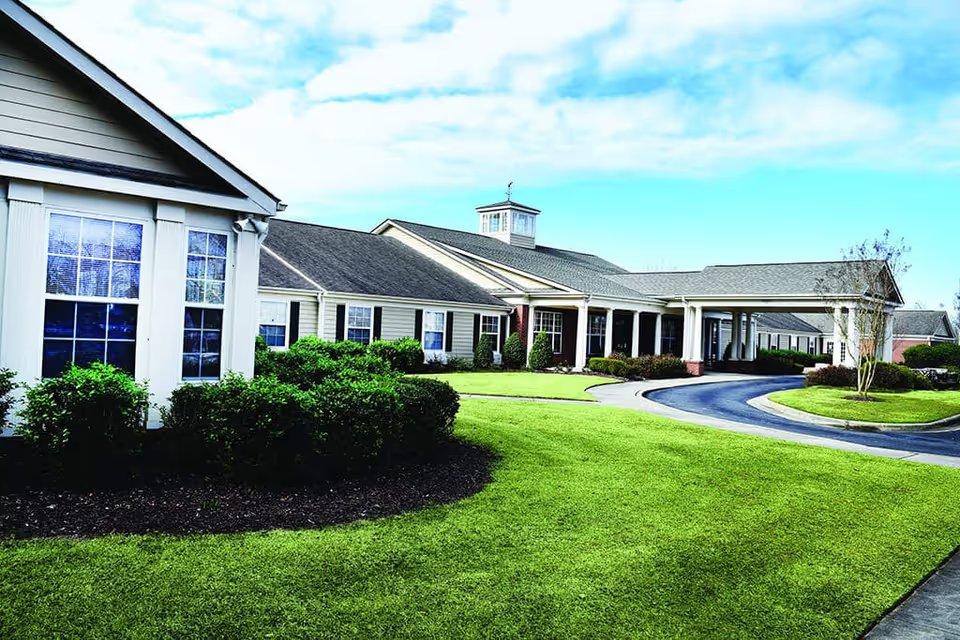
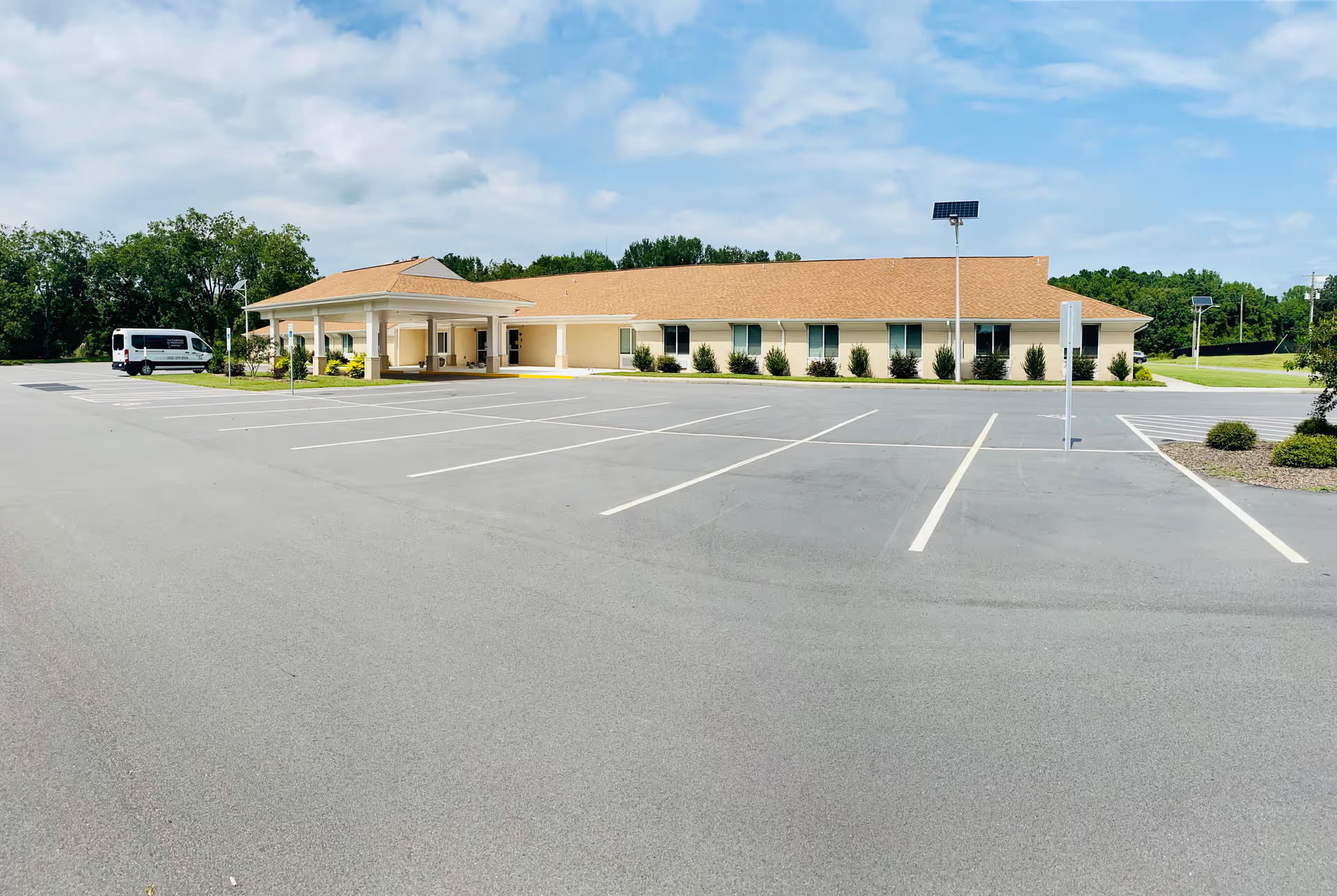
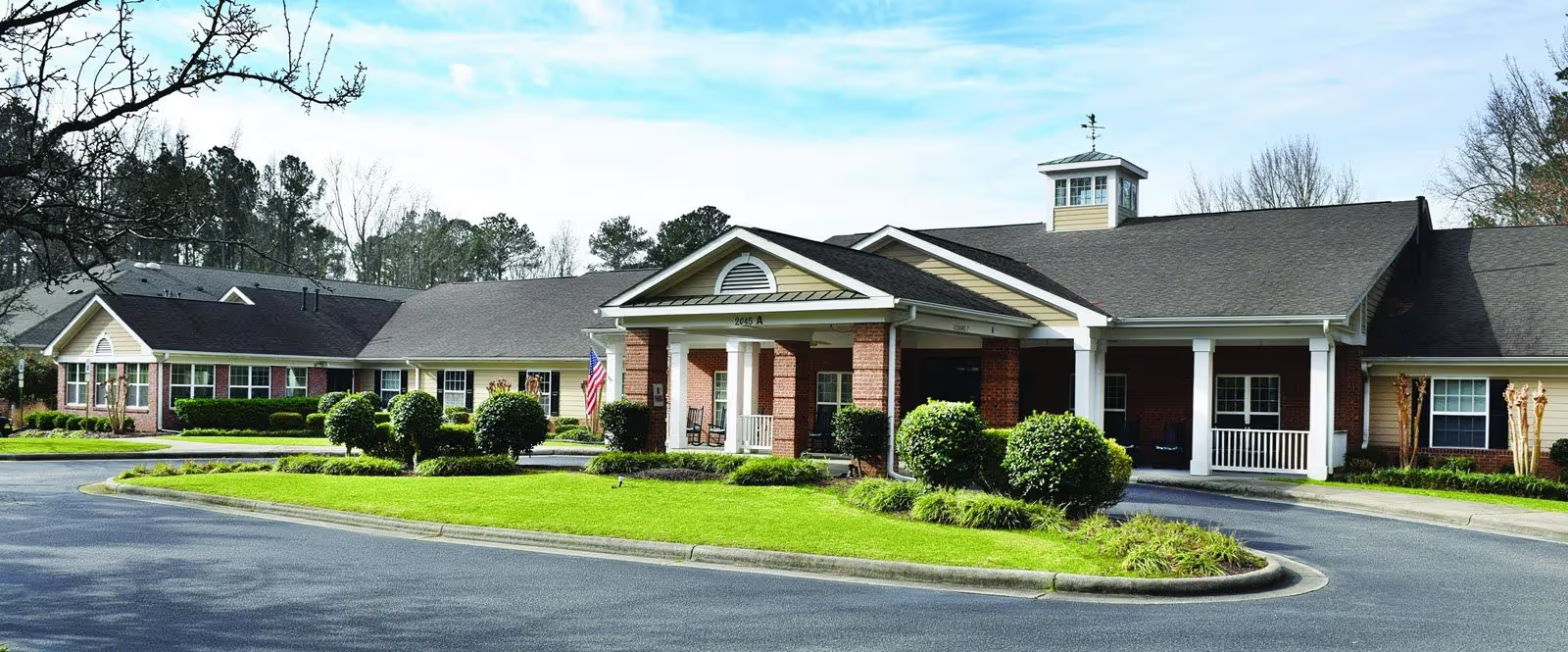
Facilities, dining, and activities receive generally favorable comments: the building is described as clean and pleasant-smelling, with private rooms and a community atmosphere that some families found comforting. Rehabilitation and therapeutic staff are frequently praised for professionalism and effectiveness. Management and leadership receive mixed impressions — praised by families for strong administrators and visible caregiving culture in some cases, but criticized by others for insufficient oversight of clinical consistency and communication processes.
Overall, the pattern is one of pronounced variability: strong, compassionate care and effective rehab for many residents, alongside significant operational weaknesses that have produced severe concerns for other families. Prospective residents and families should consider in-person visits across multiple shifts, ask specific questions about overnight staffing, fall-prevention protocols, nutrition and weight-monitoring procedures, discharge planning, and how the facility handles family communication and complaints. Reviewing recent inspection records and speaking with current families may help clarify whether the strengths or the operational risks are most characteristic of the facility today.