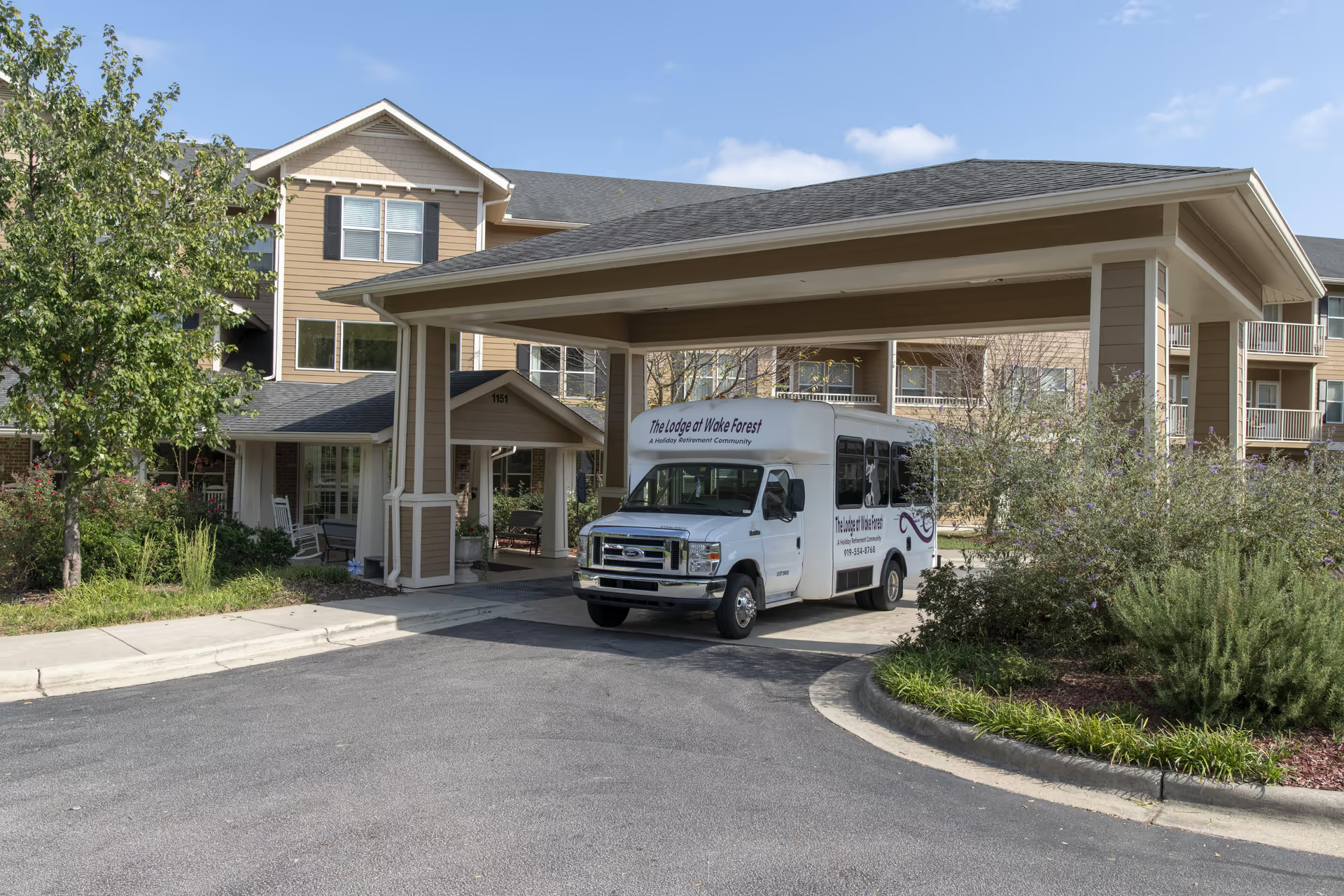
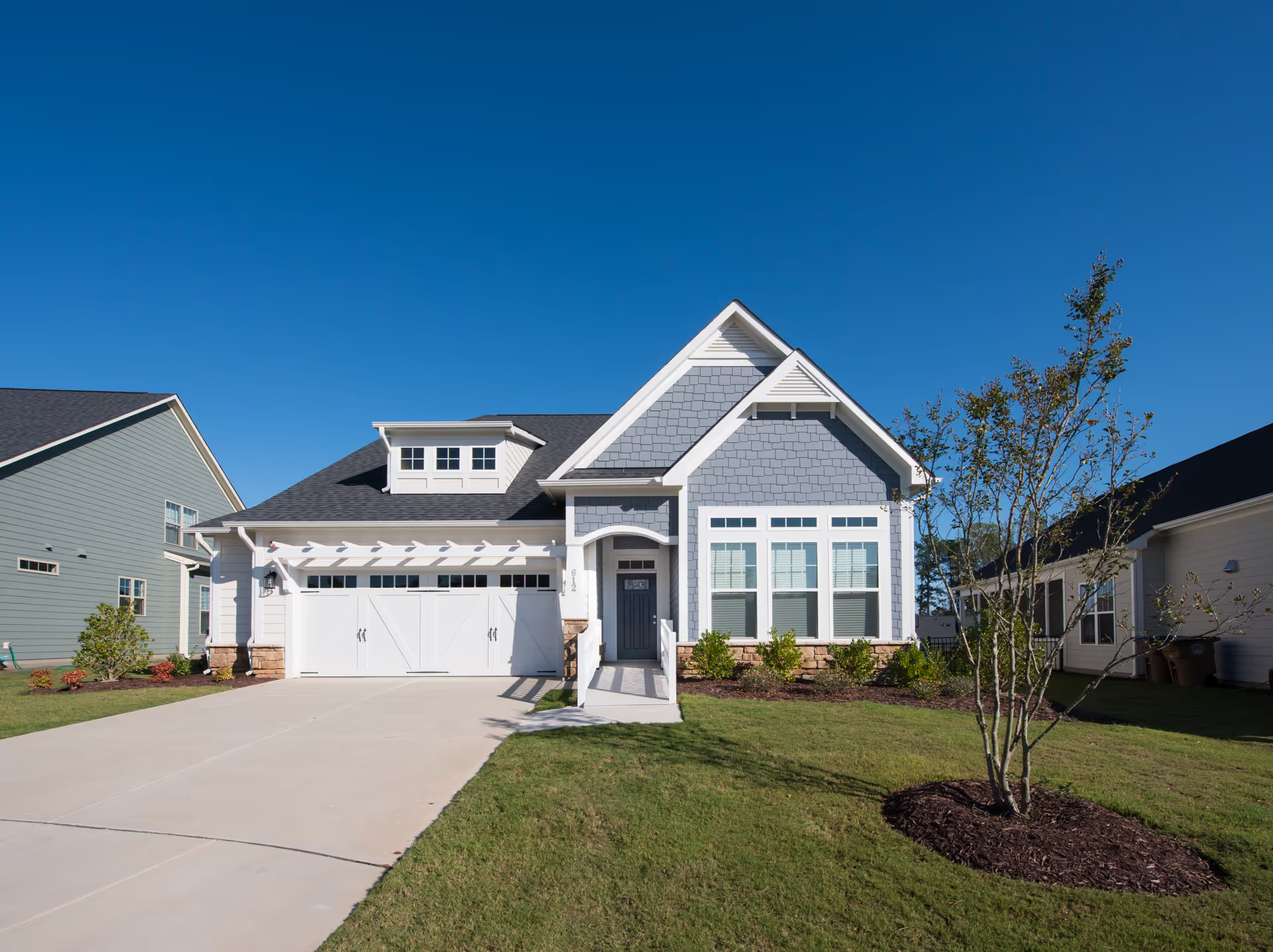
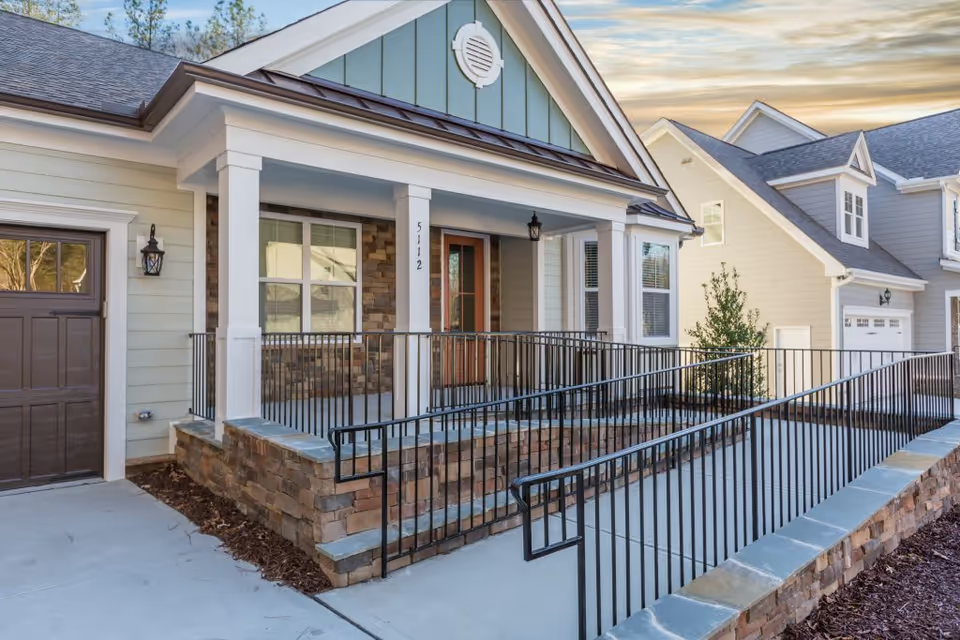
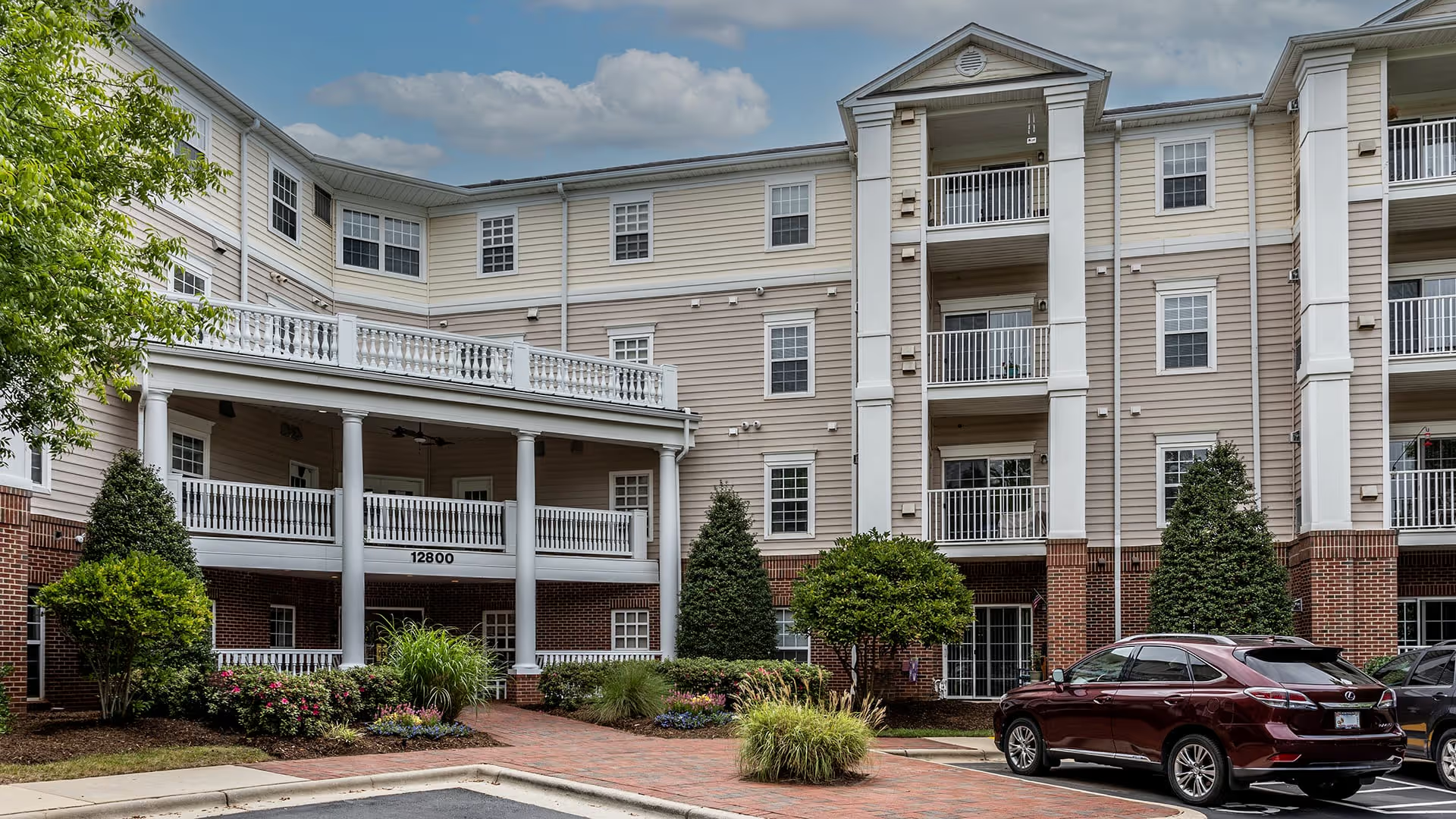
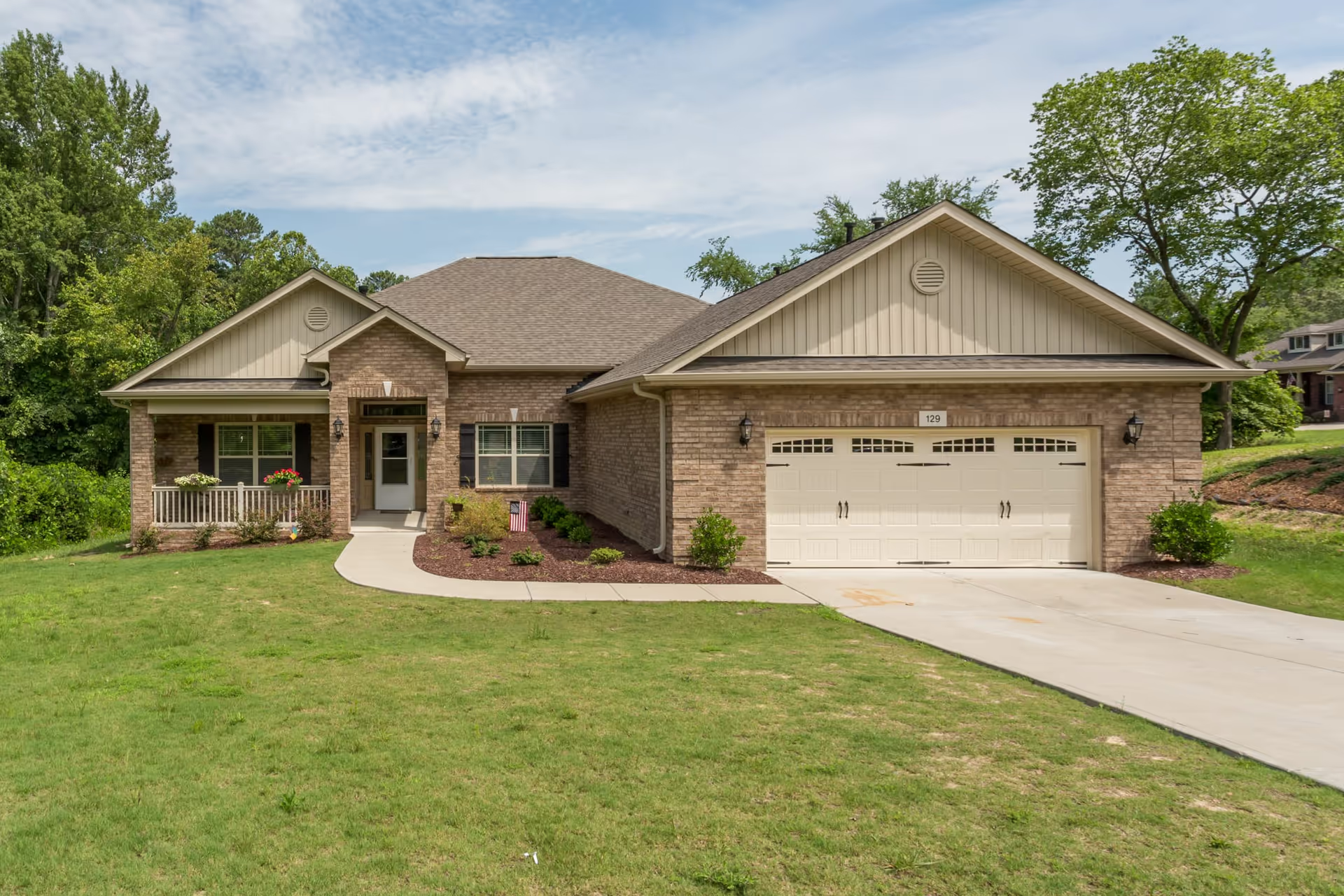
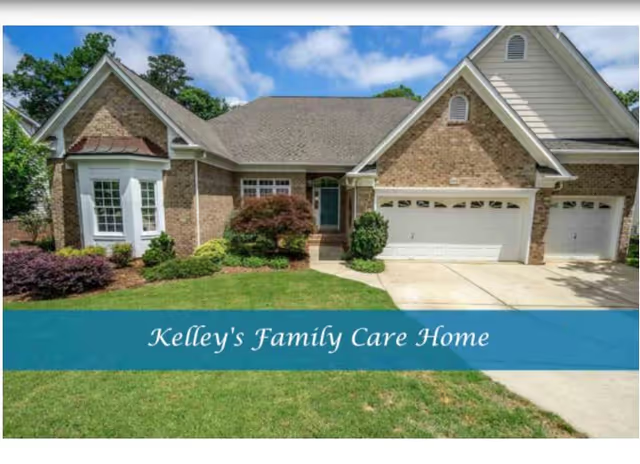
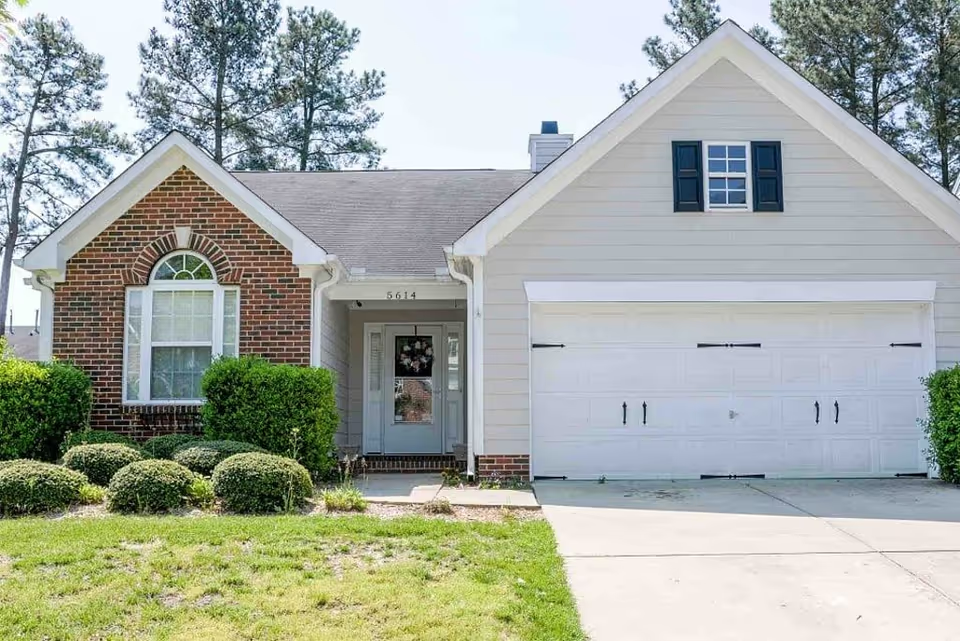
Brookdale Wake Forest is frequently described as a small, home-like assisted living and memory-care community with a strong emphasis on interpersonal care and social engagement. Reviewers consistently praise direct-care staff as compassionate, personable, and engaged; many describe a family-like culture, steady relationship-building with residents, and a dementia-care program that several families characterize as effective. The community's small scale, private apartments with kitchenettes and baths, open floor plans, courtyard and garden spaces, and proximity to local amenities (library, senior center) contribute to a residential, neighborhood feel.
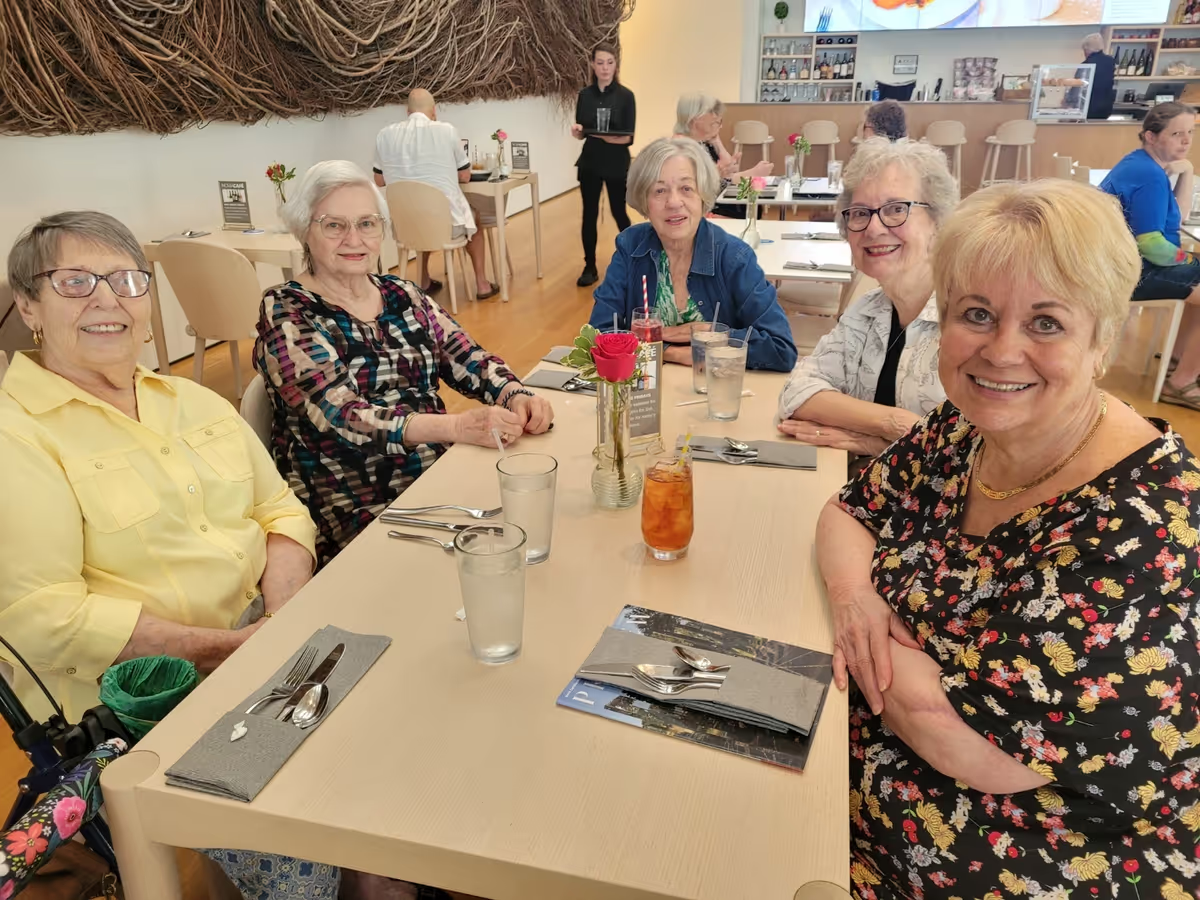
Activity programming and social life are noted strengths: the community offers a broad calendar of events, musical and craft programming, escorted outings, pet therapy, and themed community events. These offerings support resident engagement and are often cited as improving quality of life. Transportation services with escorts are a repeated positive, as is the dining-room presentation and a typical two-meal daily plan with optional breakfasts.
Operationally, several recurring weaknesses emerge. Staffing consistency is a prominent concern — families mention turnover and periods of understaffing that can affect timeliness of personal care and supervision. Communication and administrative responsiveness are uneven: phone calls, billing queries, and family outreach are sometimes delayed or inconsistent. Clinical operational gaps appear in medication-administration practices and med-tech training; a number of families raised concerns about late or inconsistent medication delivery and the need for clearer clinical oversight.
Facility and maintenance issues are mixed. Many reviewers describe clean common areas and responsive maintenance, but others note infrastructure vulnerabilities (plumbing and hot-water interruptions, episodic repairs) and areas in need of cosmetic updating. Housekeeping and laundry processes are described as inconsistent by some families, leading to occasional service lapses. Dining quality is also variable: while menus and presentation are positively viewed in several accounts, others describe a decline in meal variety and a lack of fuller healthy options at times.
Management impressions vary across accounts: some families report visible improvement under new leadership and praise prompt resolution of concerns, while others describe perceived slow administrative follow-through and a transactional approach to billing or placement. Cost is a practical consideration — the community is described as higher-priced relative to alternatives, and Medicaid is not accepted, which may limit long-term affordability for some households.
In sum, Brookdale Wake Forest appears to offer a supportive, socially active, and small-scale living environment with notable strengths in interpersonal care and memory-care programming. Prospective families should weigh those strengths against operational patterns highlighted in reviews — particularly staffing stability, medication-administration oversight, maintenance reliability, and dining consistency — and should ask targeted questions about current staffing levels, clinical oversight, infrastructure upgrades, and how the community handles after-hours clinical needs and family communication before making a placement decision.