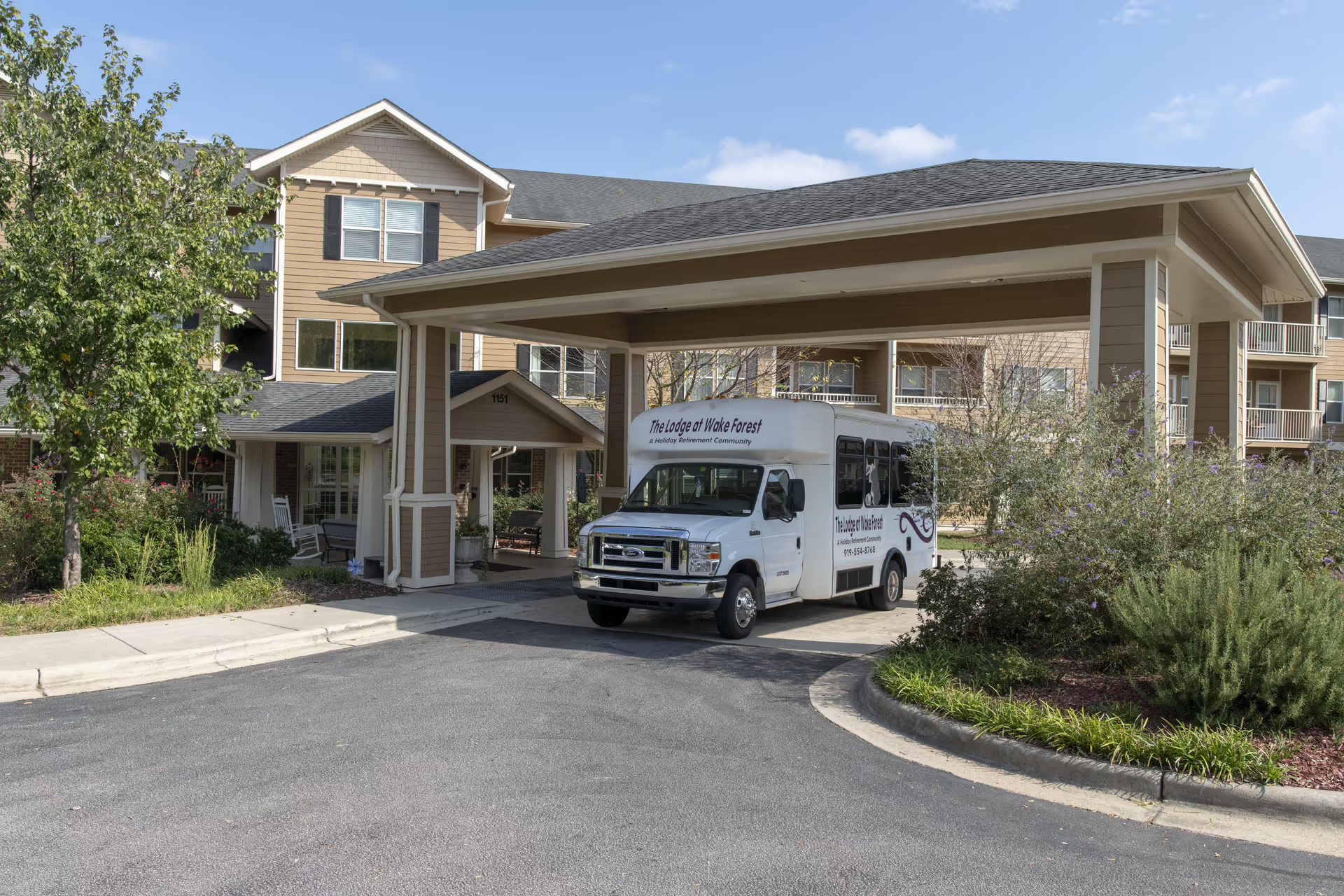
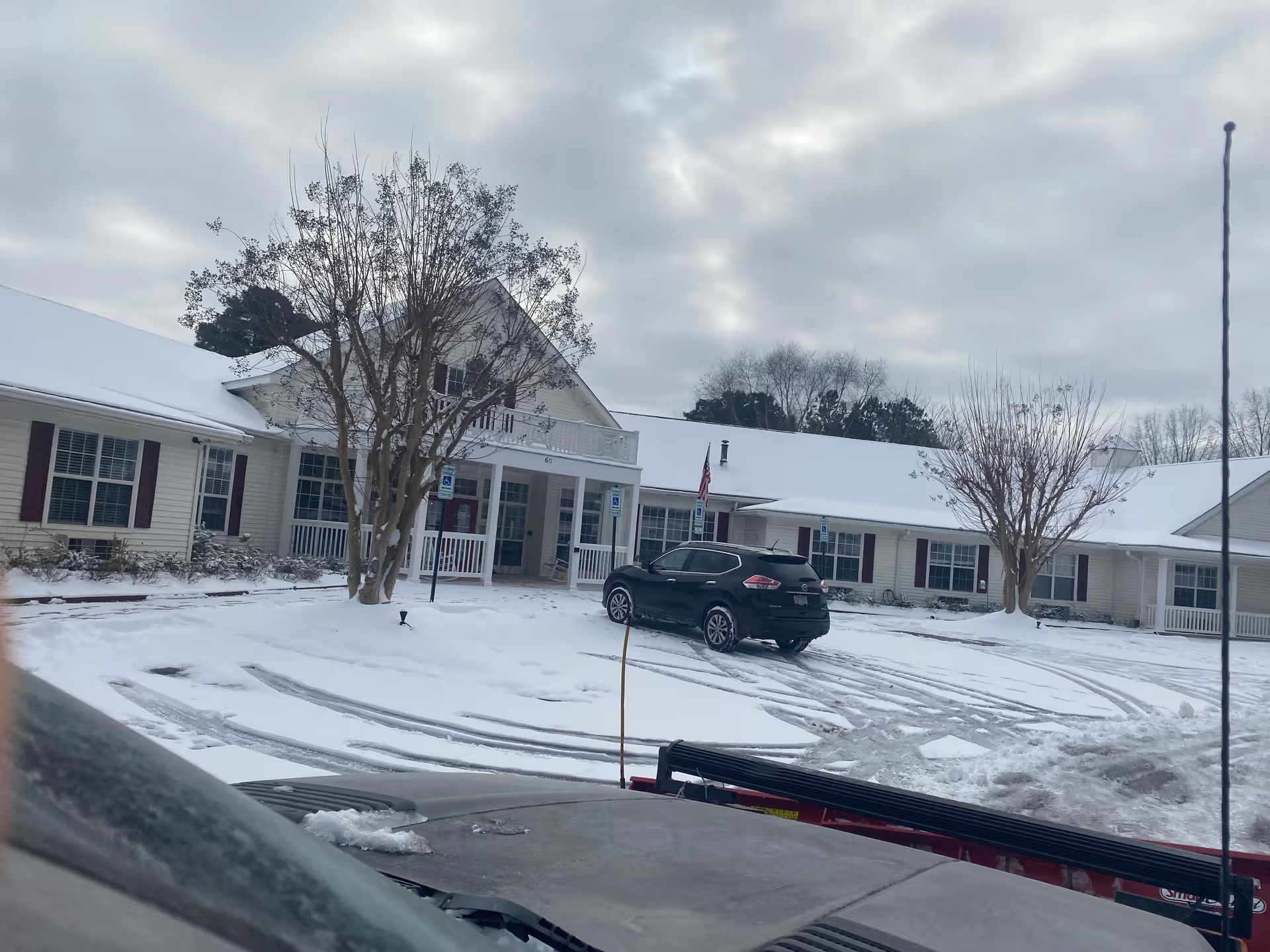
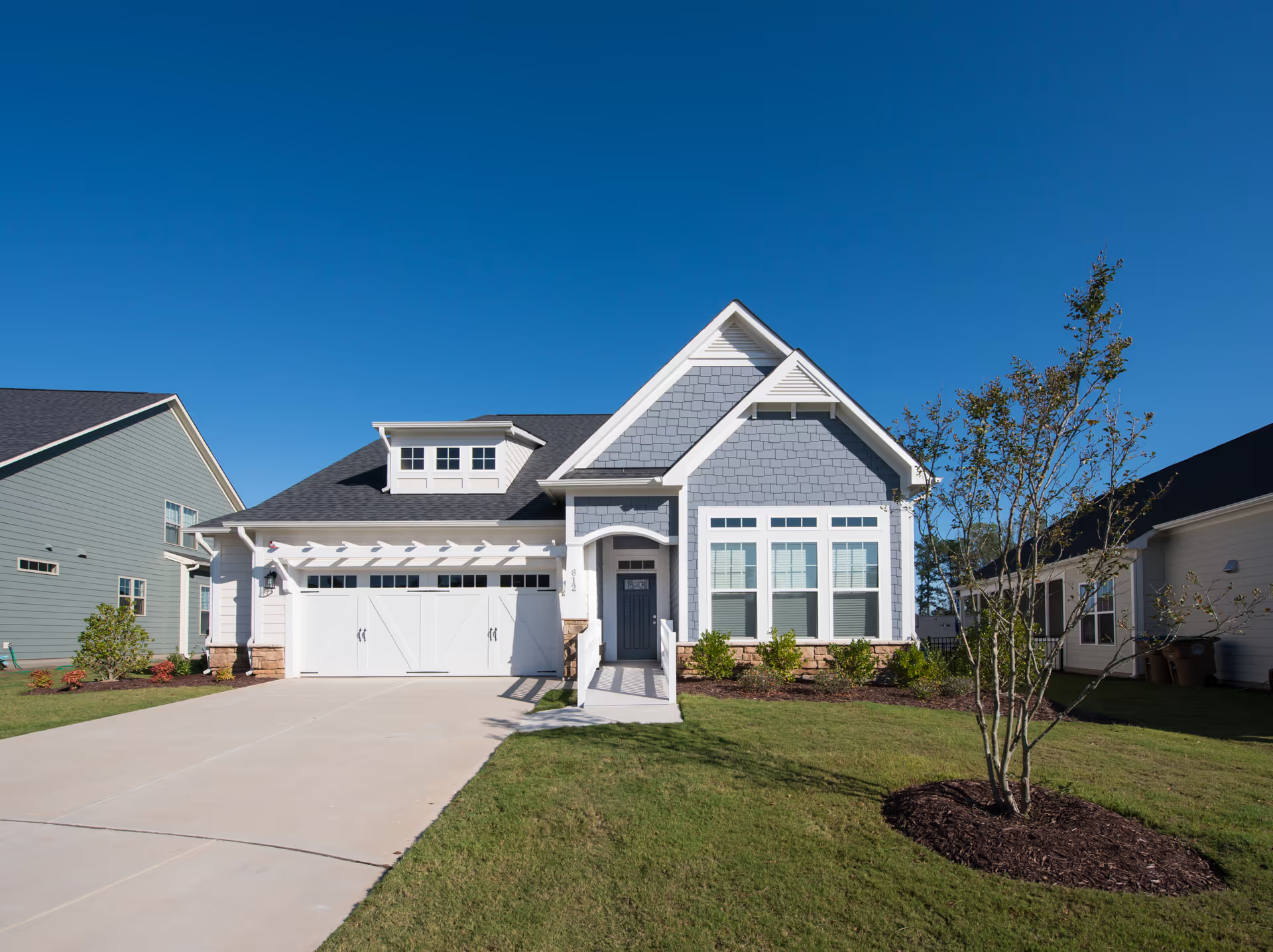
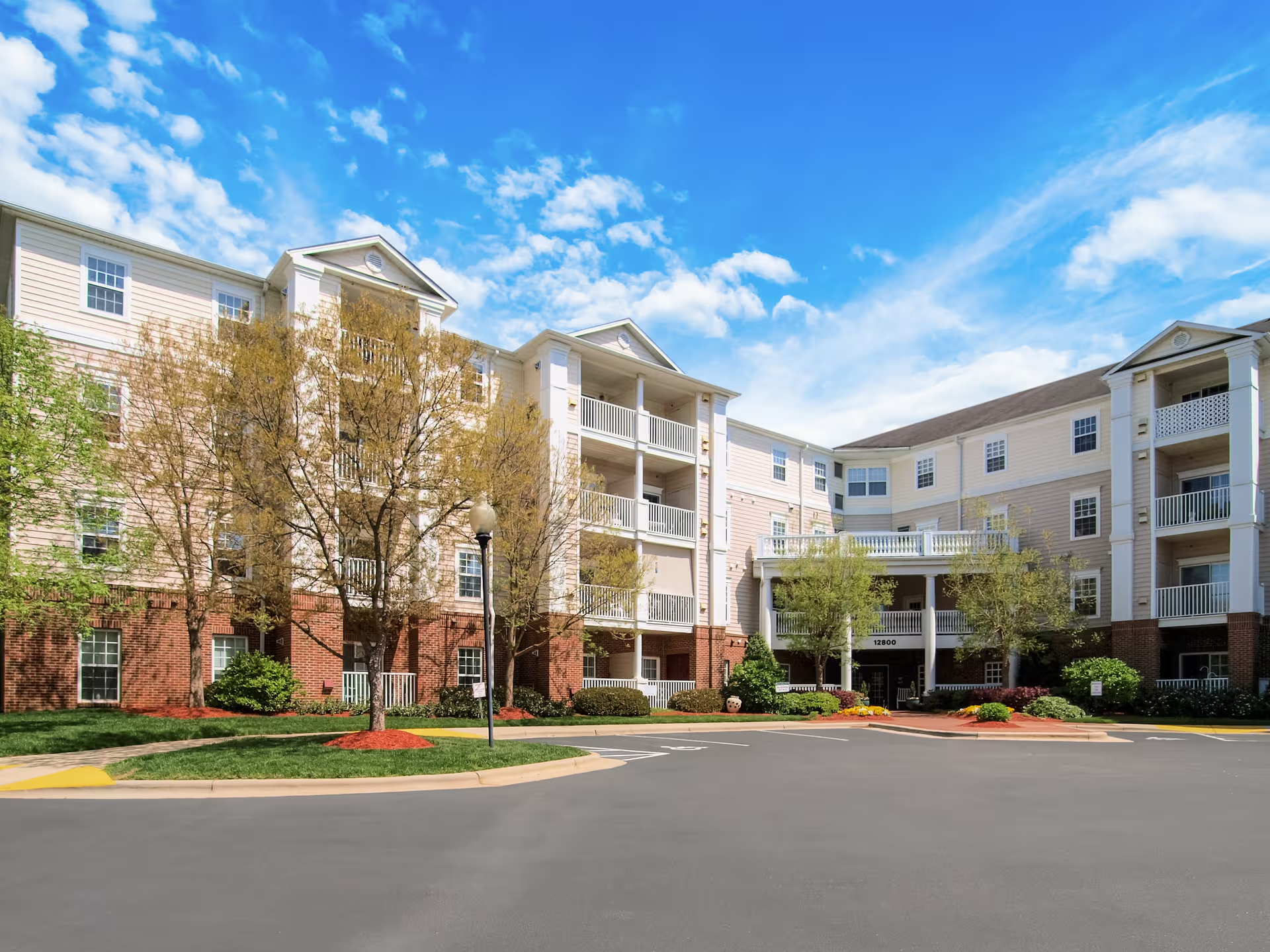
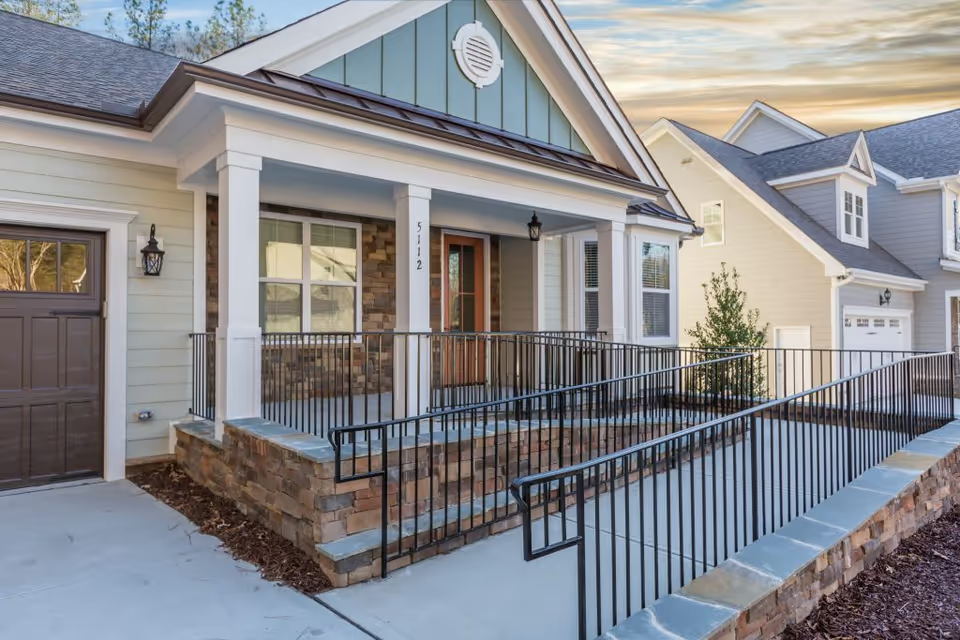
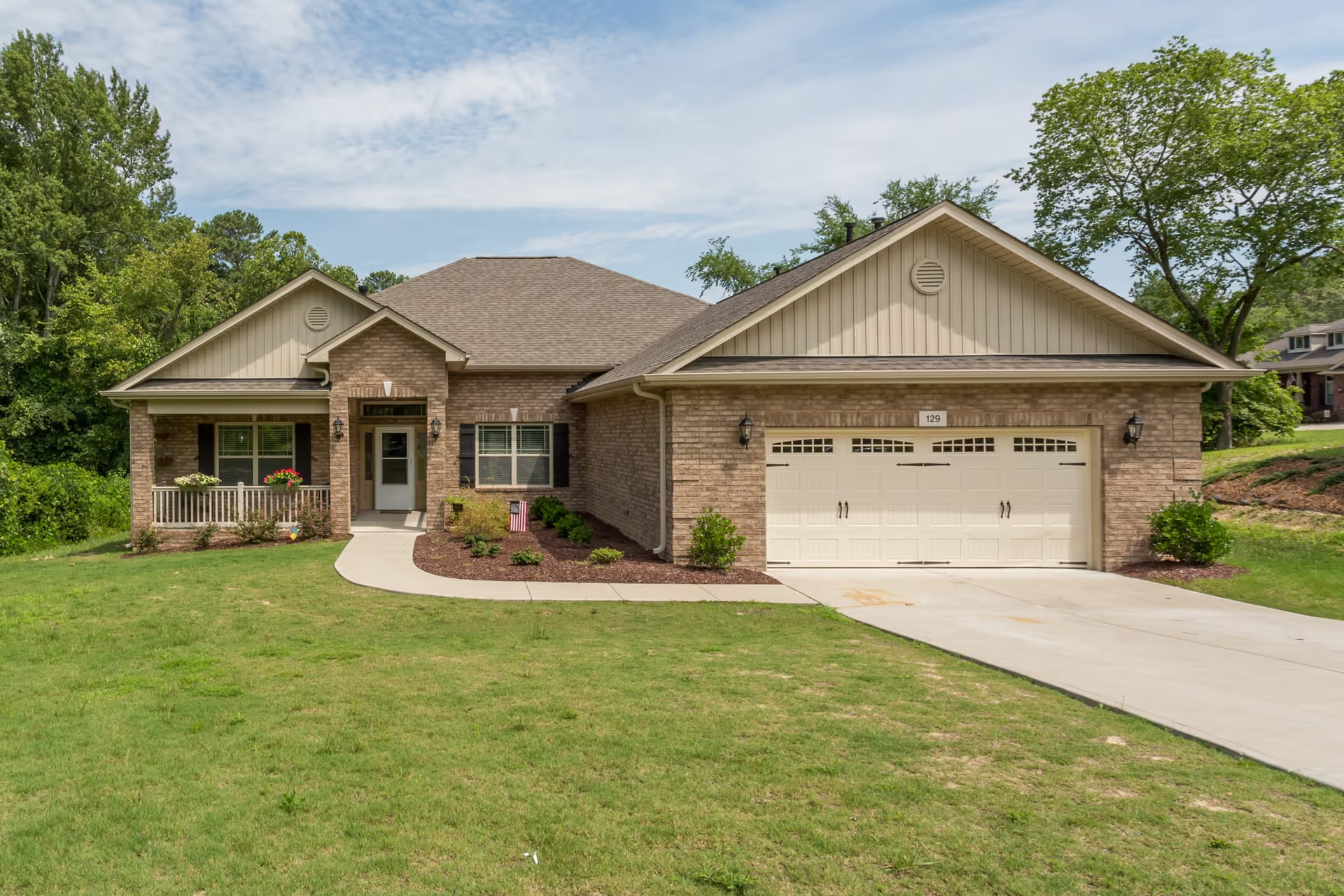
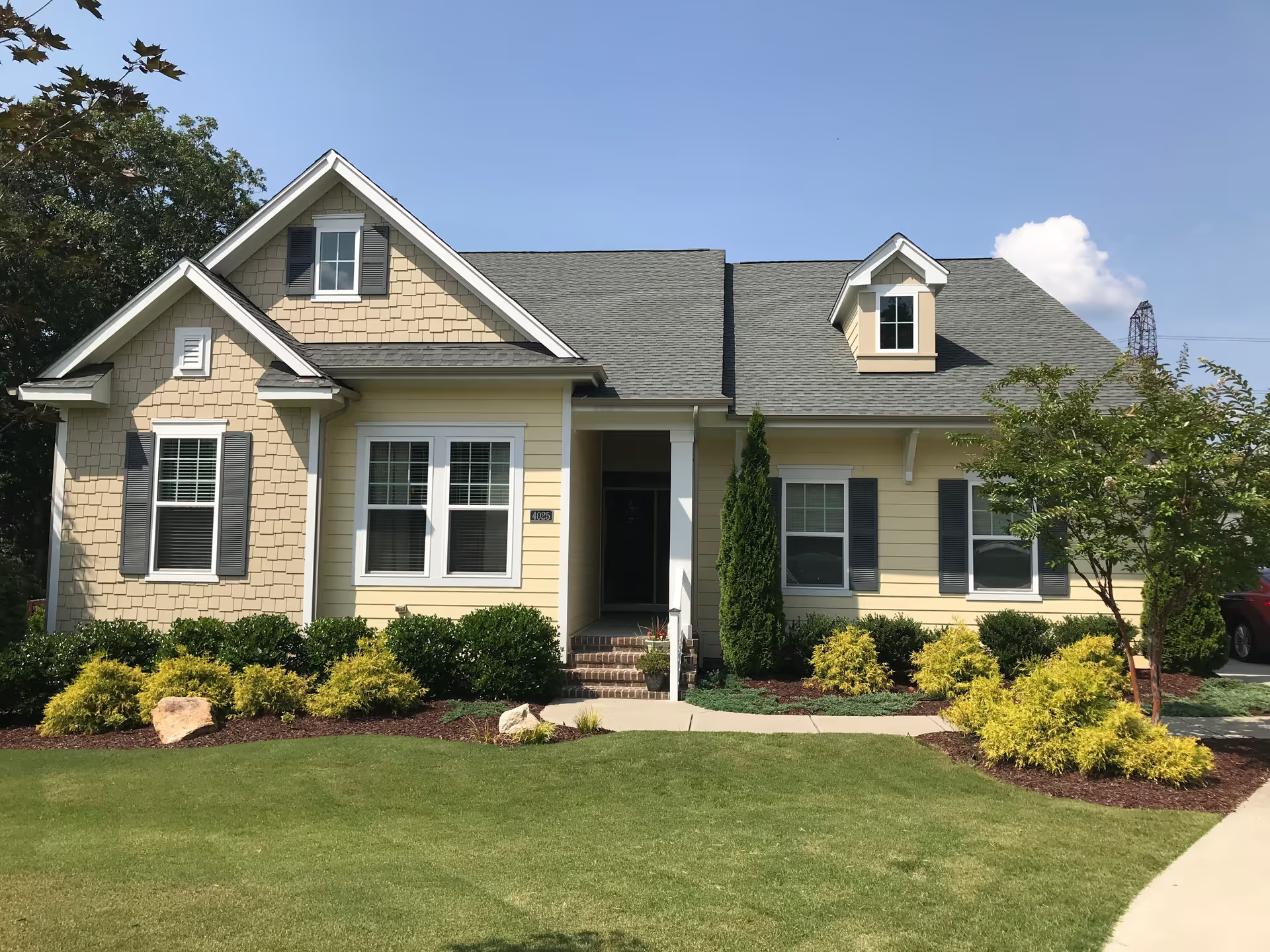
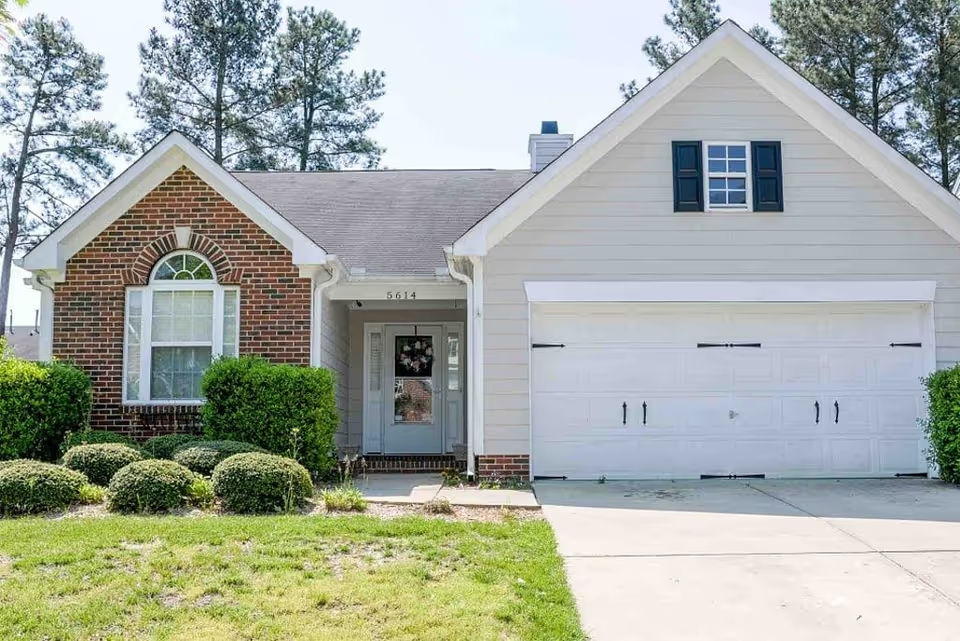
Cadence at Wake Forest receives substantial positive feedback for its interpersonal atmosphere, physical environment, and activity offerings. Reviewers commonly describe staff as friendly, welcoming and engaged; leadership and select managers have been cited as responsive and communicative. The community’s new construction and attractive, well-maintained spaces — including enclosed gardens, multiple activity rooms, salon, and accessible outdoor areas — are frequently noted as strengths, as are a broad menu of activities (arts, music, bingo, outings) and a generally home-style dining program. Families also value practical features such as on-site nursing, tested personal-call systems, concierge services, and an efficient move-in process.
Care and staffing elicit mixed impressions. Many families highlight compassionate, attentive caregivers and an executive director who follows up personally. At the same time, there is a pattern of concerns about inconsistent responsiveness during day-to-day care and variability in clinical coordination and medication oversight. These concerns commonly appear as delays in assistance or uneven follow-through from nursing or supervisory staff, and reviewers advise prospective families to ask specific questions about staffing ratios and clinical protocols.
Dining is characterized both as a strength and a point of variability. Several reviewers praise the meals and note improvements over time, while others describe uneven food quality or occasional late meal service. Observing meal service and reviewing sample menus during a visit is advisable if dining is a priority.
The activity program and communal spaces are a strong selling point for residents who remain in assisted living; multiple reviewers describe an active social environment with scheduled outings, crafts, pool, and group events that support socialization. Memory-care offerings appear more limited by comparison: reviewers indicate fewer activity options in memory care and constrained private-room availability, which may be important for families seeking more privacy or memory-specific programming.
Management and communication show a similar split. Positive accounts highlight engaged administrators who proactively communicate with families and make themselves available. Conversely, other families report challenges reaching staff by phone or email, unclear policy communication, and a perceived gap between sales expectations and day-to-day care realities. Pricing is perceived as high by some reviewers relative to the service level experienced, although acceptance of Medicaid and a relatively short waitlist are noted benefits.
Overall, Cadence at Wake Forest presents as a modern, activity-rich community with many strengths in hospitality, environment, and family-oriented services. Prospective residents and family members should balance those strengths against reported operational variability: verify staffing levels, clarify medication administration and clinical oversight practices, confirm private-room availability for memory care if needed, and observe mealtime and staff–resident interactions during a visit. Direct, specific questions and reference checks will help families determine whether the community’s positive elements are matched consistently to their care expectations.