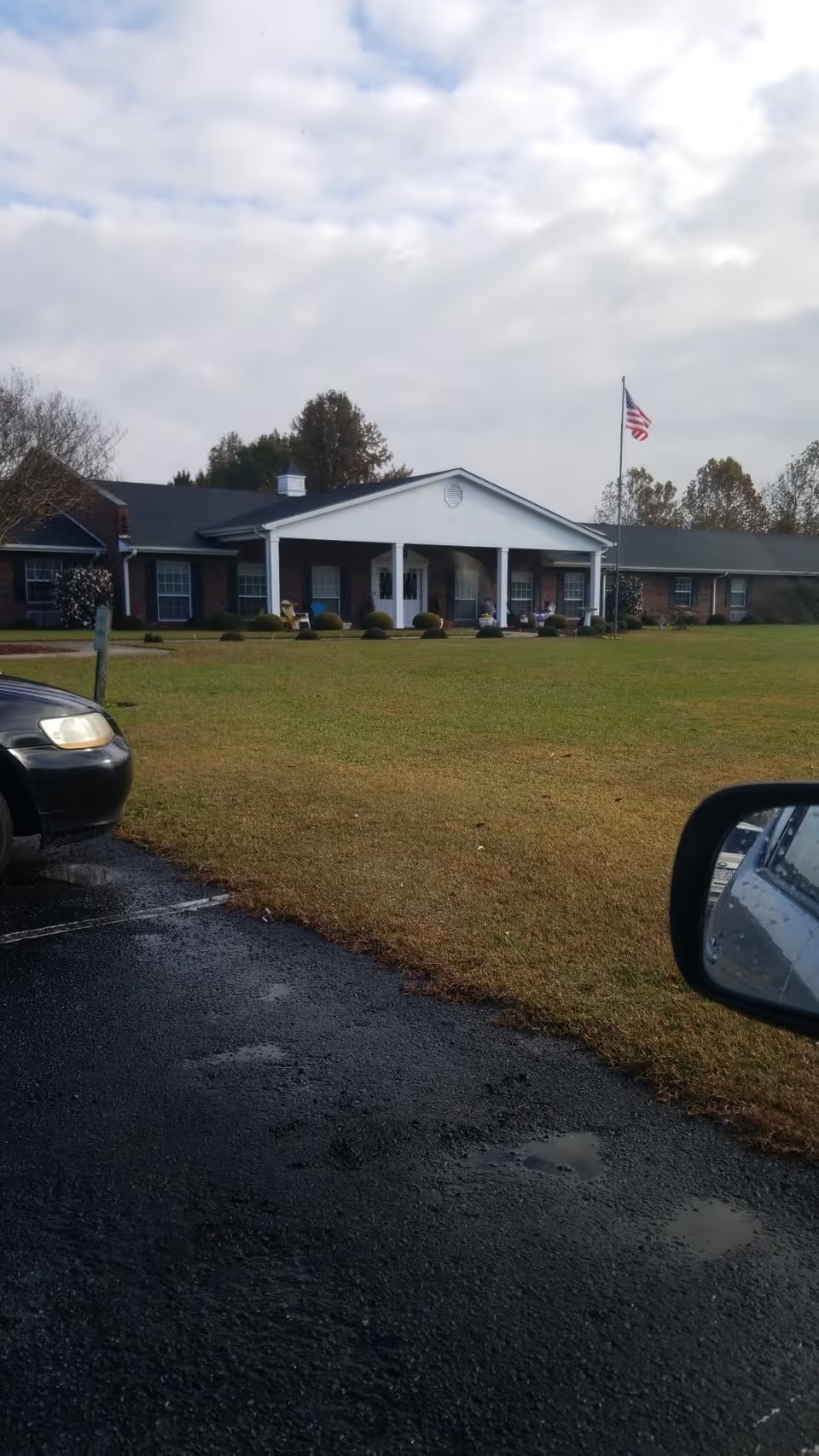
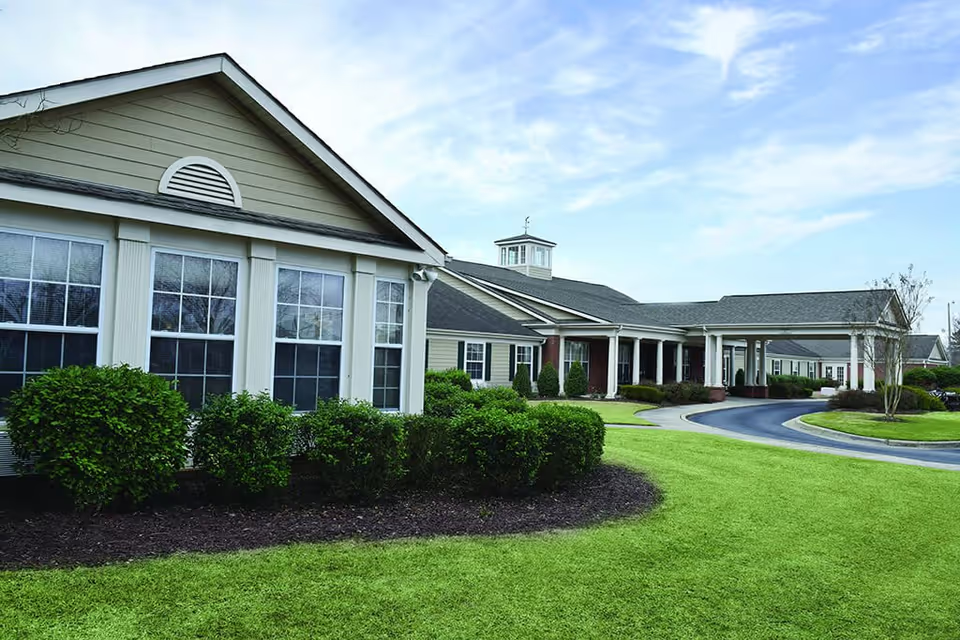
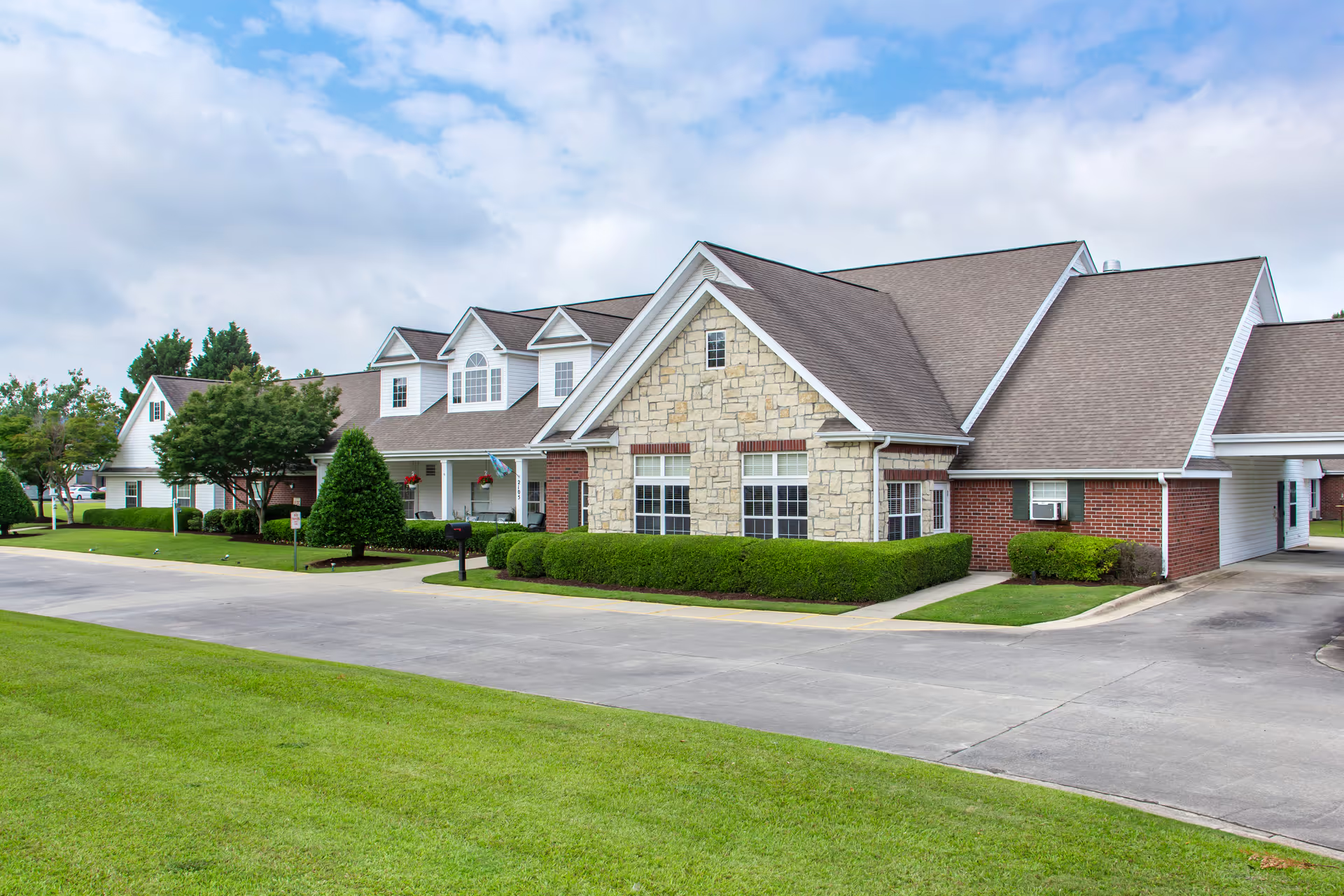
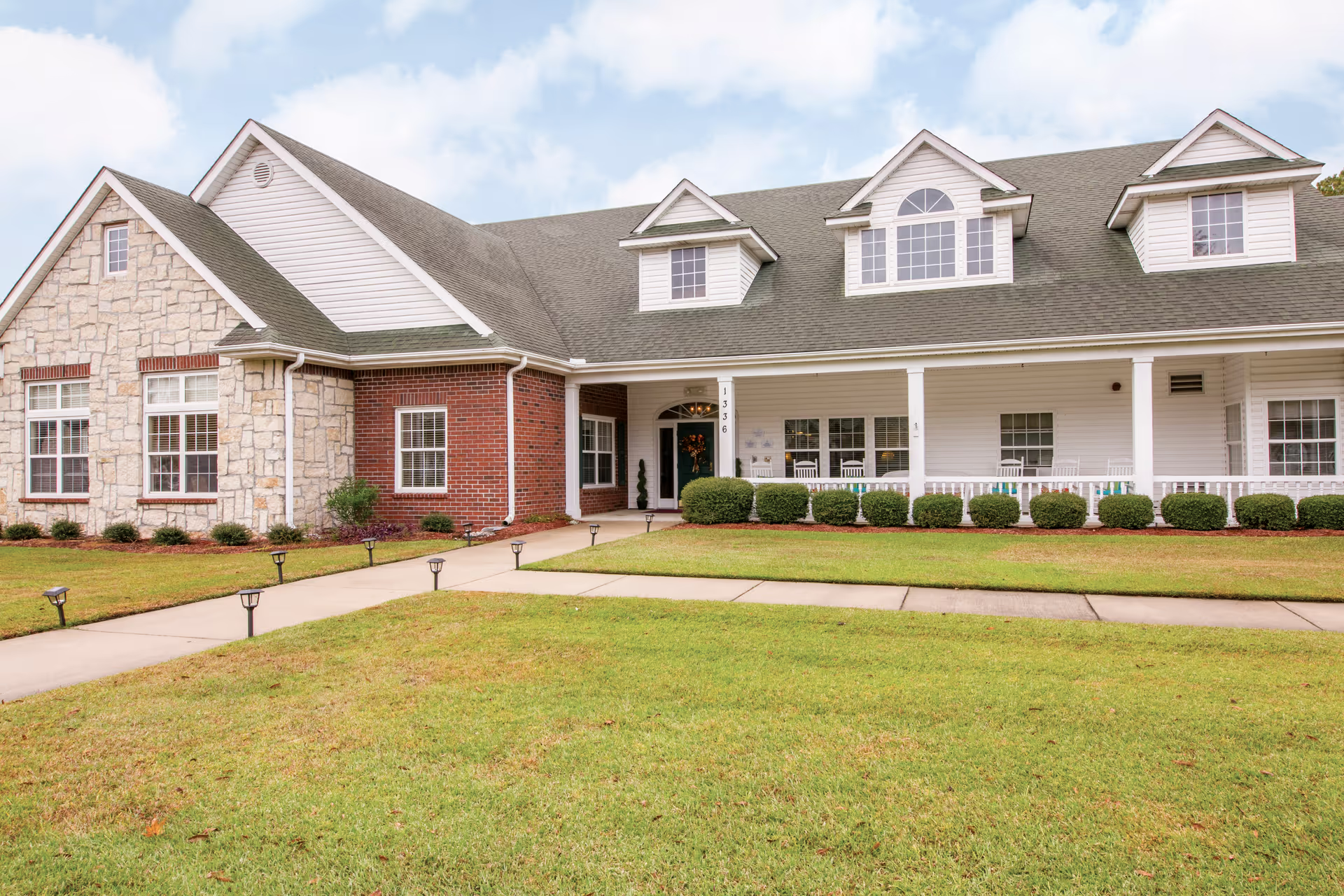
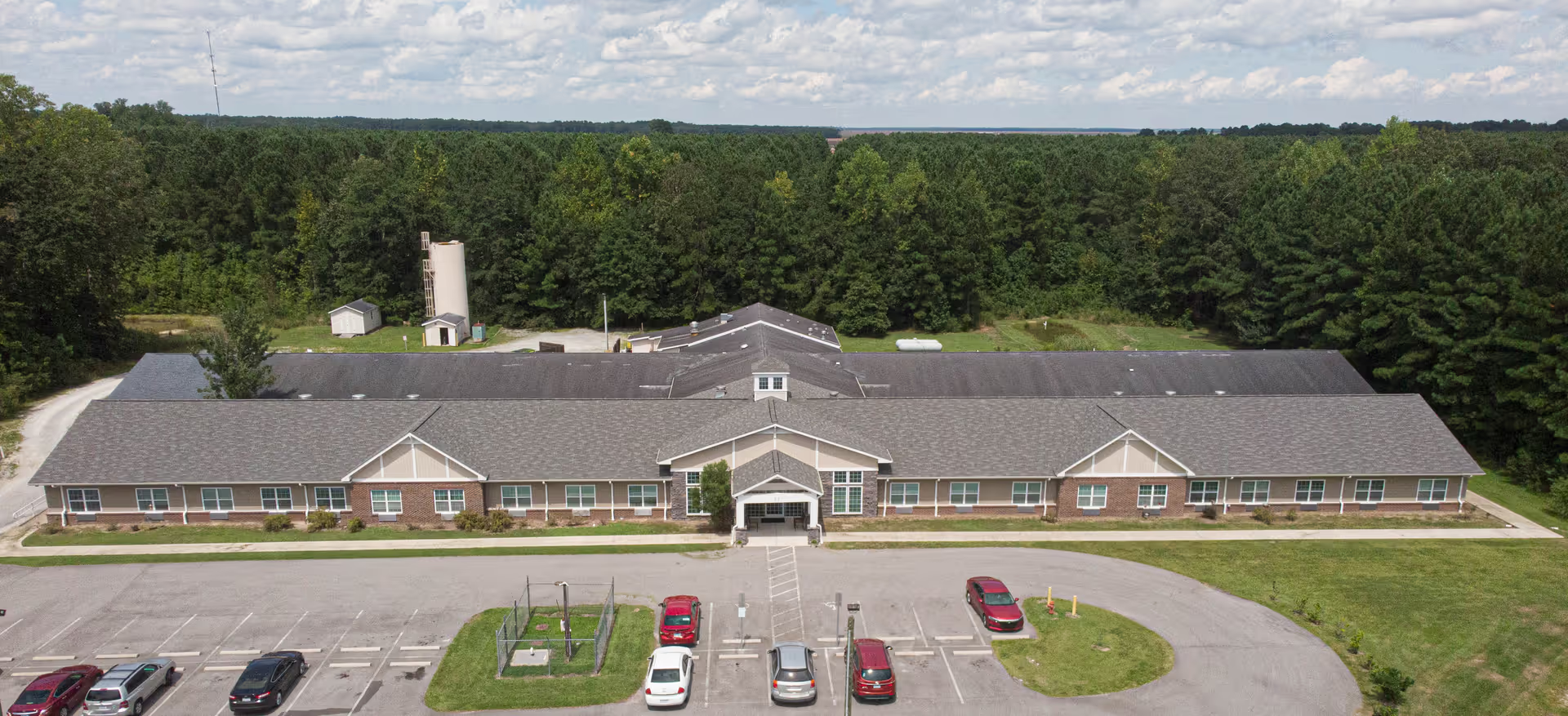
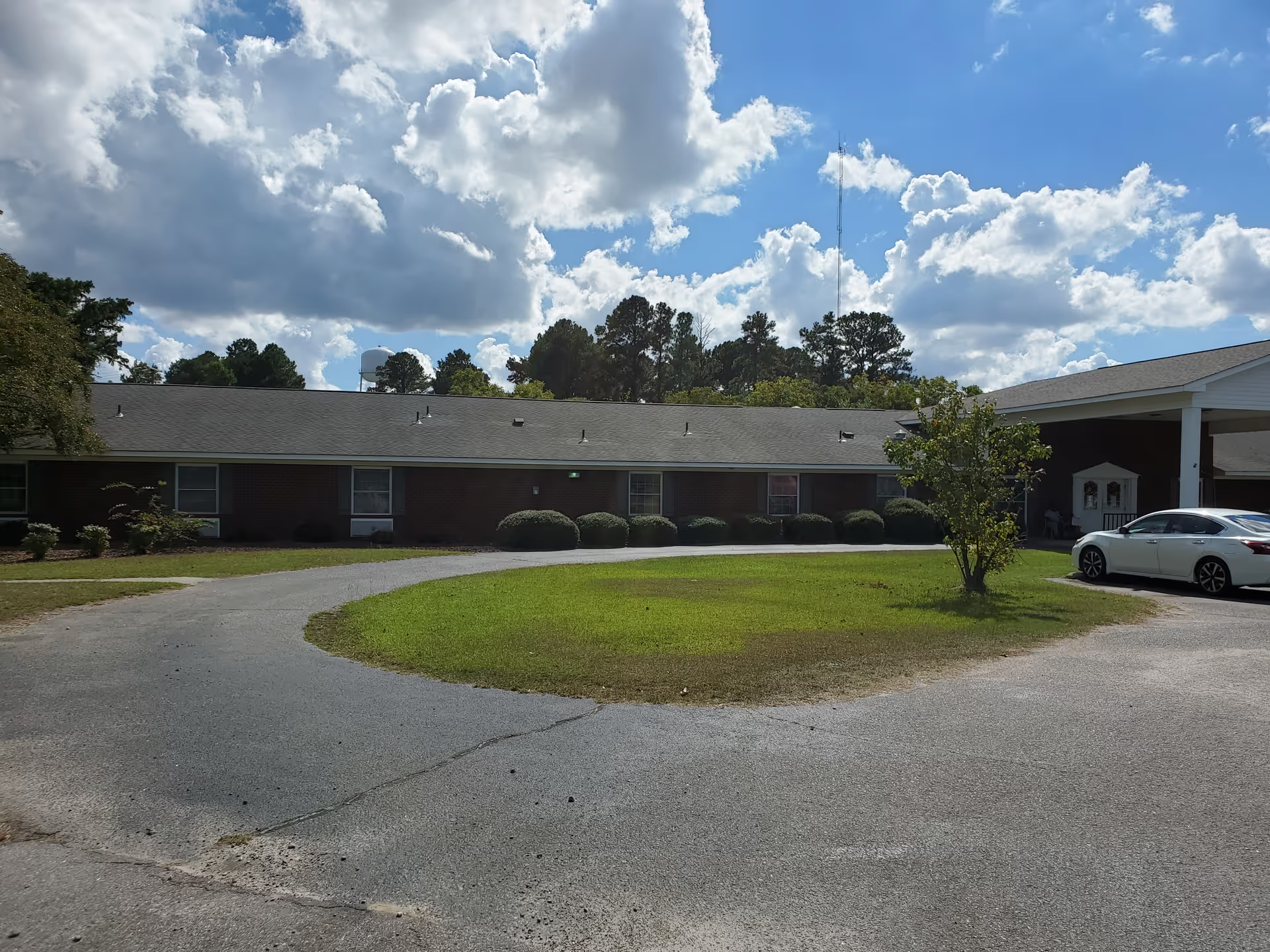
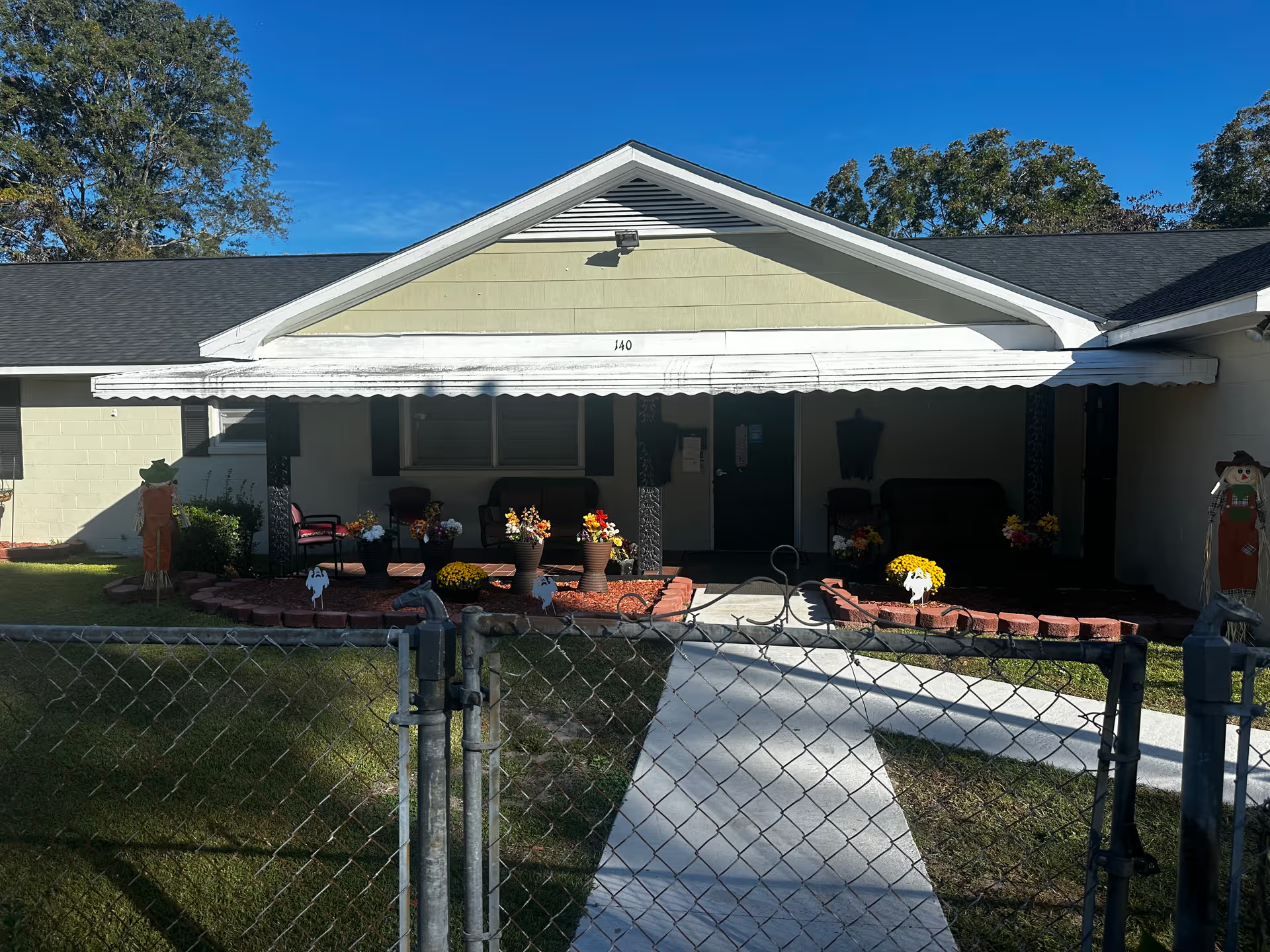
Reviews present a polarized picture of Ridgewood Rehabilitation & Living Center with clear strengths and recurring operational weaknesses. Many visitors and families praise the interpersonal aspects of care: staff are frequently described as friendly, compassionate, and attentive, and admissions/concierge staff receive positive mentions for smooth transitions and regular family communication. Rehabilitation services are a consistent strength — physical and occupational therapy, an on-site gym, and in-room therapy options are singled out as effective and helpful for resident mobility and recovery. The facility’s activity program, including organized bingo and outdoor seating, contributes to a home-like atmosphere appreciated by numerous guests.
At the same time, a substantial subset of accounts raises concerns about clinical consistency and basic operations. Several reviewers describe gaps in clinical-care practices that can affect pressure-injury prevention and timely hydration, and others note missing basic supplies or inconsistent bedside care. Staffing variability is a recurrent theme: while some families report prompt call-bell responses, others report delays and insufficient coverage during certain shifts. These patterns point to uneven staffing levels and inconsistent responsiveness across the facility.
Dining and housekeeping receive mixed feedback. Some visitors praise clean rooms, halls, and dining spaces, but others report sanitation concerns and pest-control problems in specific areas, as well as unreliable laundry handling and missing personal items. Meal quality and dietary accommodation are also uneven: reviewers describe limited menu variety and insufficient diabetic-friendly or individualized meal options. Environmental-safety issues — for example, unsafe items being present or lapses in routine safety checks — were noted and reflect opportunities to tighten hazard controls.
Management and oversight emerge as a key area for improvement. While individual staff and departments (admissions, therapy, volunteers) receive commendation, reviewers point to gaps in leadership follow-through, accountability, and consistent enforcement of housekeeping and clinical standards. The overall pattern suggests that the facility delivers strong interpersonal care and effective rehabilitation for many residents, but that leadership should prioritize staffing stability, housekeeping and pest-control processes, dietary accommodations, and consistent clinical practice to address safety and quality gaps. Prospective residents and families may wish to ask about current staffing ratios, sanitation and pest-control protocols, wound-prevention policies, dietary accommodations, and recent corrective actions when evaluating the facility.