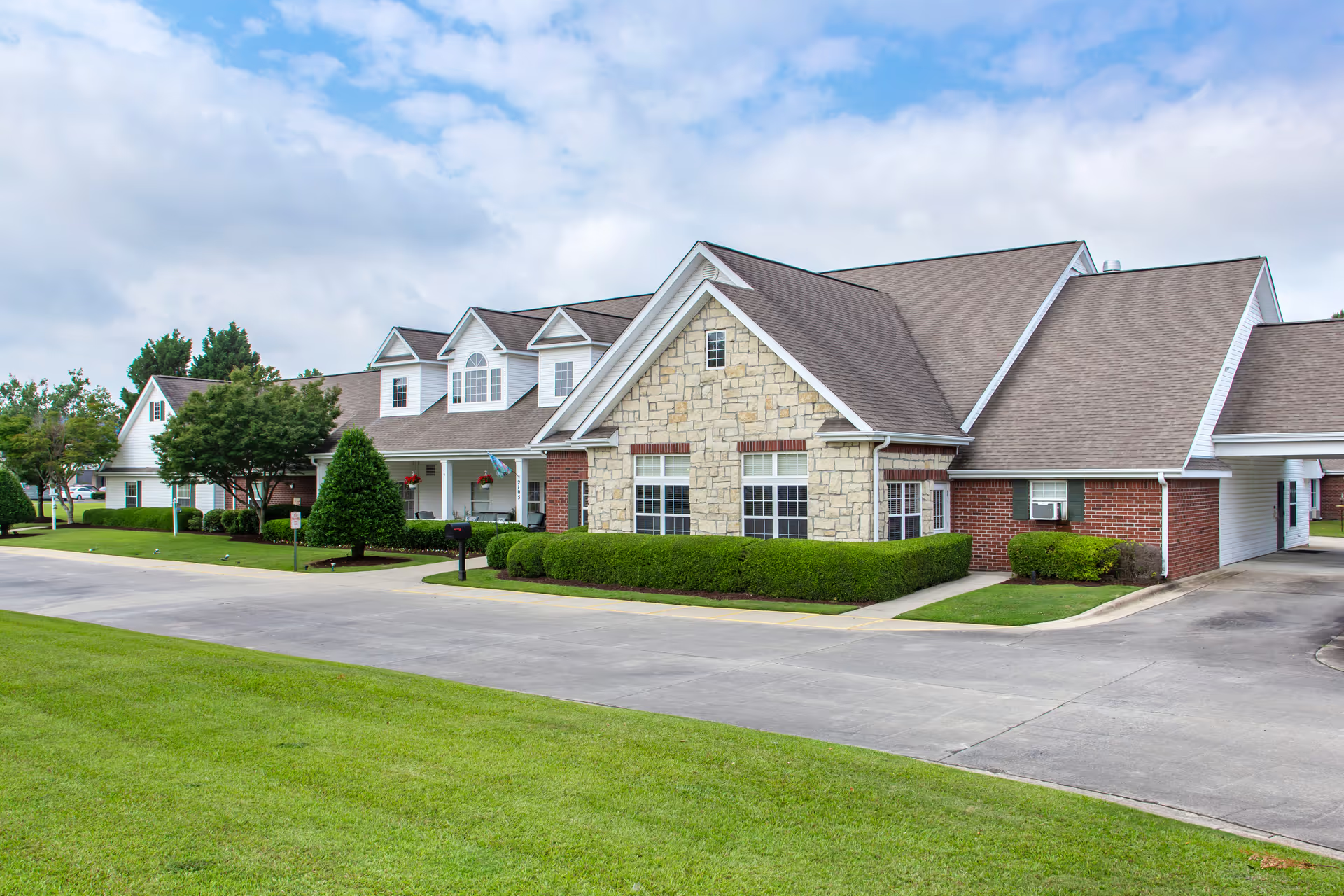
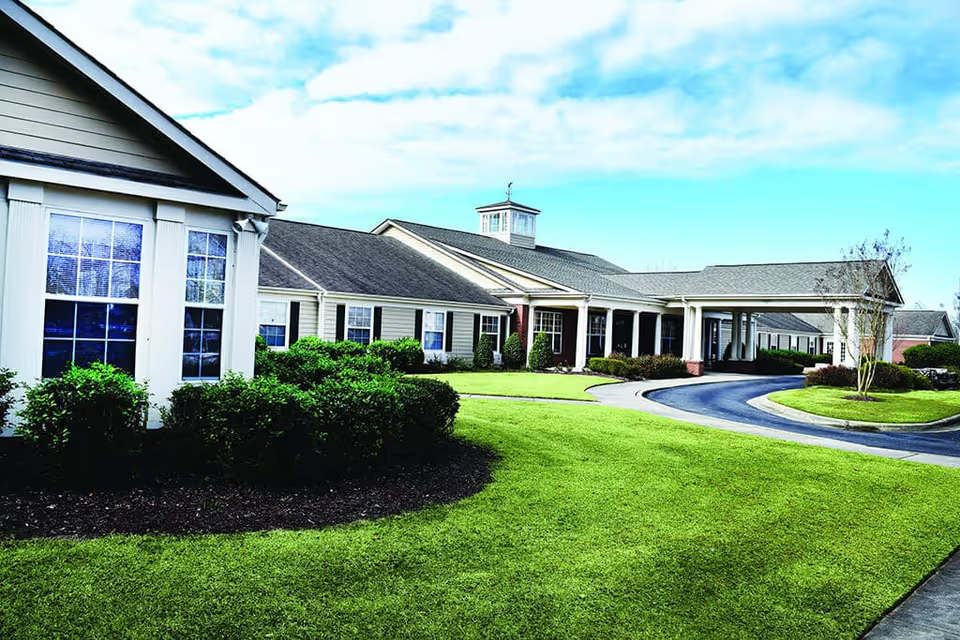
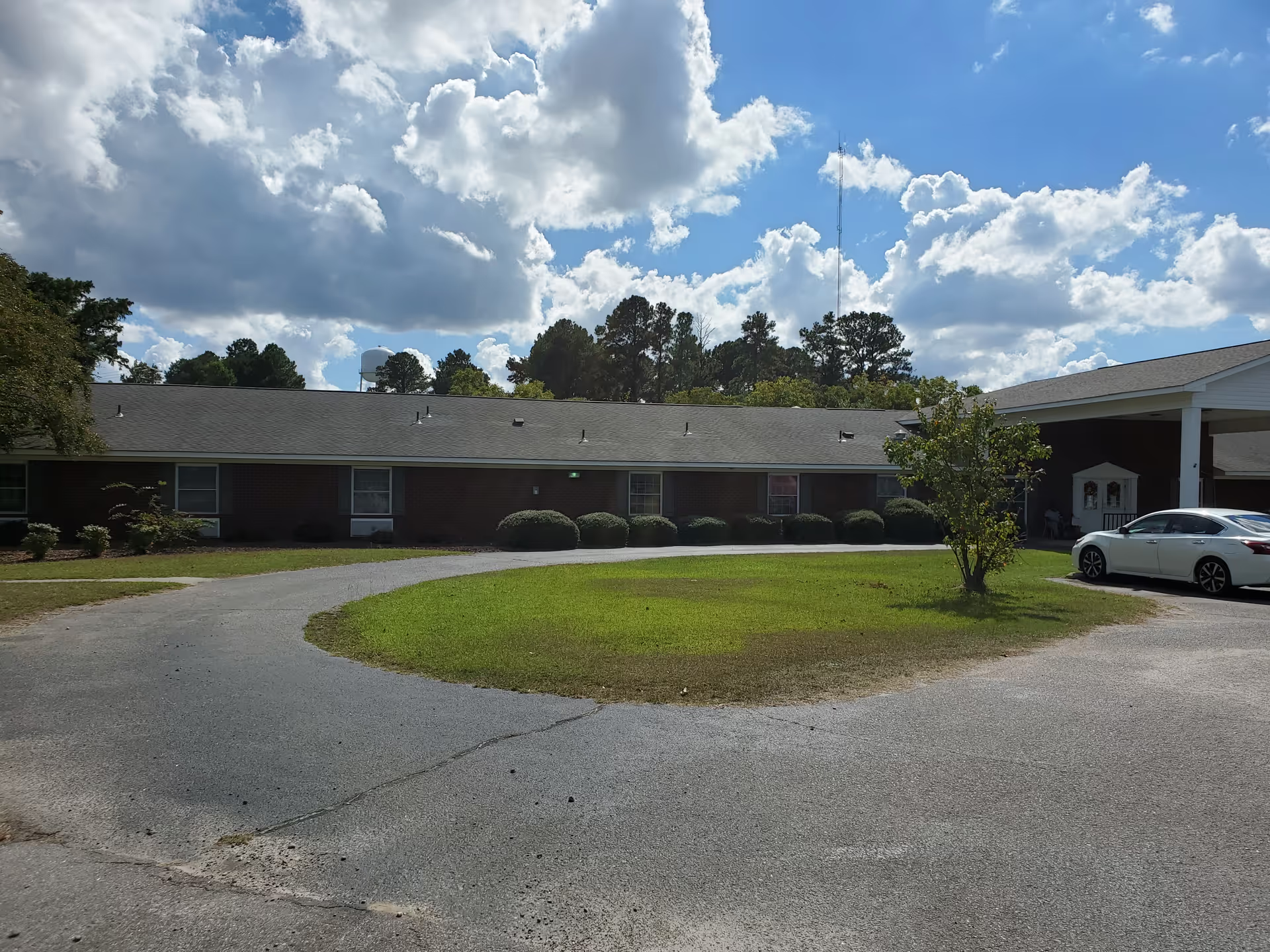
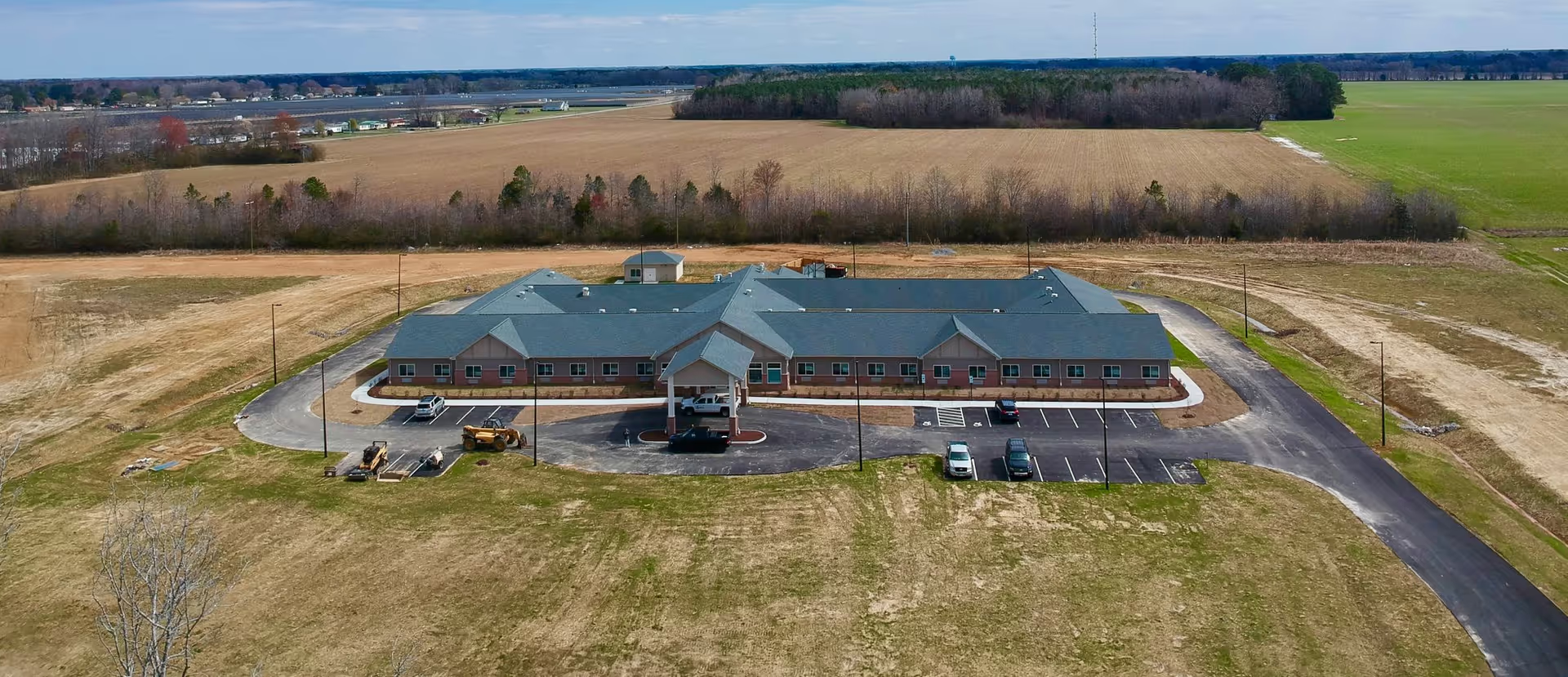
Overall impression: Williamston House elicits mixed feedback. Several accounts praise the leadership and caregiving staff, describing the facility as a supportive place to live and work with leadership that appears engaged. At the same time, reviews identify recurring operational and clinical concerns that create variability in family experience and perceived quality of care.
Care quality: Reviews indicate uneven performance on clinical processes. Positive comments describe attentive and dedicated caregivers; however, other accounts raise concerns about wound/skin-integrity management, dental/injury follow-up, and issues that prompted family worry about end-of-life care. These items point to gaps in clinical monitoring and care-plan execution rather than uniform, facility-wide clinical strength. Prospective families should request current clinical incident logs, infection-control policies, and examples of care-plan protocols to evaluate consistency.
Staff and leadership: Staff are frequently described as compassionate and invested in residents' well-being, and some reviewers specifically praised the director and the care coordinator for engagement and responsiveness. At the same time, reviewers described leadership turnover and a recent management change; while the new management earns positive remarks in some accounts, the history of instability may contribute to inconsistent practices across shifts. Meeting current leadership and nursing staff and asking about turnover, training, and supervision routines is advisable.
Dining and activities: Reviews provided little specific detail about dining quality or the activity program, so no consistent pattern emerges from the available summaries. Families should ask the facility for menus, sample activity calendars, and opportunities to observe or participate in activities before making a placement decision.
Facilities and operations: Operationally, a prominent theme is unreliable communication infrastructure. Multiple accounts note phone system failures, calls disconnecting, and difficulty reaching staff or leadership, which has limited remote oversight by out-of-area family members. These communication gaps amplify family anxiety and complicate care coordination. The physical environment received positive general remarks tied to workplace satisfaction, but concrete facility-condition details were limited in the summaries.
Regulatory and quality patterns: One review references an extensive inspection report and a monetary citation; this indicates there have been documented inspection findings. Taken together with the clinical and communication concerns, the pattern suggests the facility may have unresolved compliance or process weaknesses. Families should review recent state inspection reports, ask what corrective actions were taken, and request documentation of follow-up and ongoing quality monitoring.
Bottom line: Williamston House shows clear strengths in staff engagement and supportive workplace culture, and recent leadership changes have been viewed positively by some. However, recurrent operational problems (notably phone and family-communication reliability), inconsistent clinical practices, and a history of inspection findings suggest variability in resident experience. Prospective residents and families should meet leadership and clinical staff, review recent inspection and quality-improvement documentation, and verify communication/access arrangements before committing.