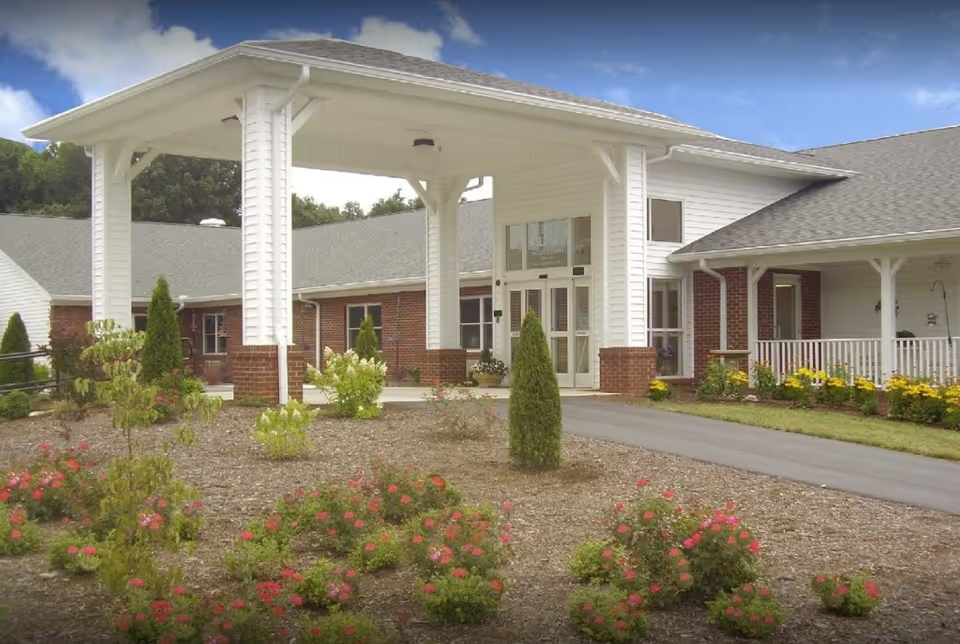
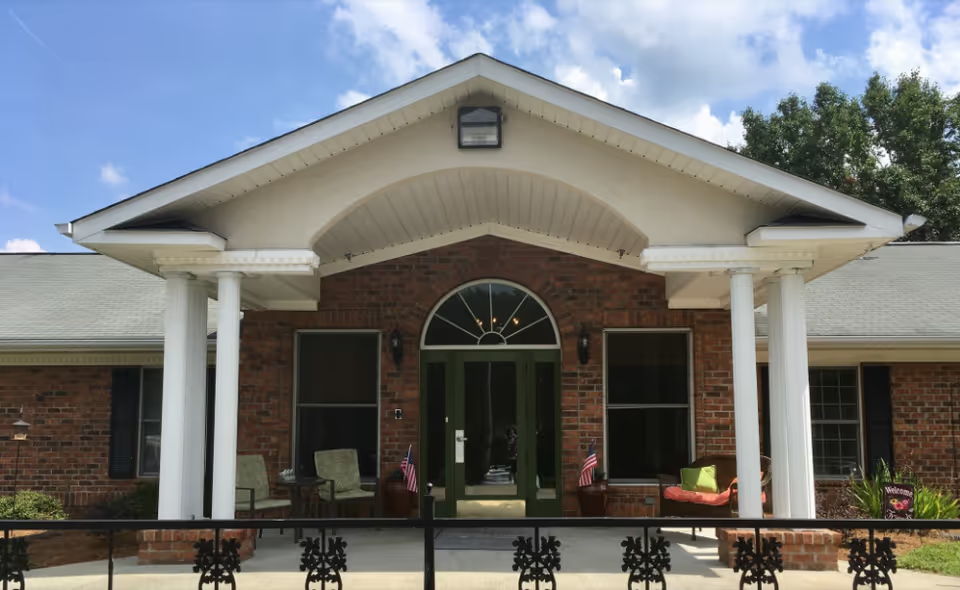
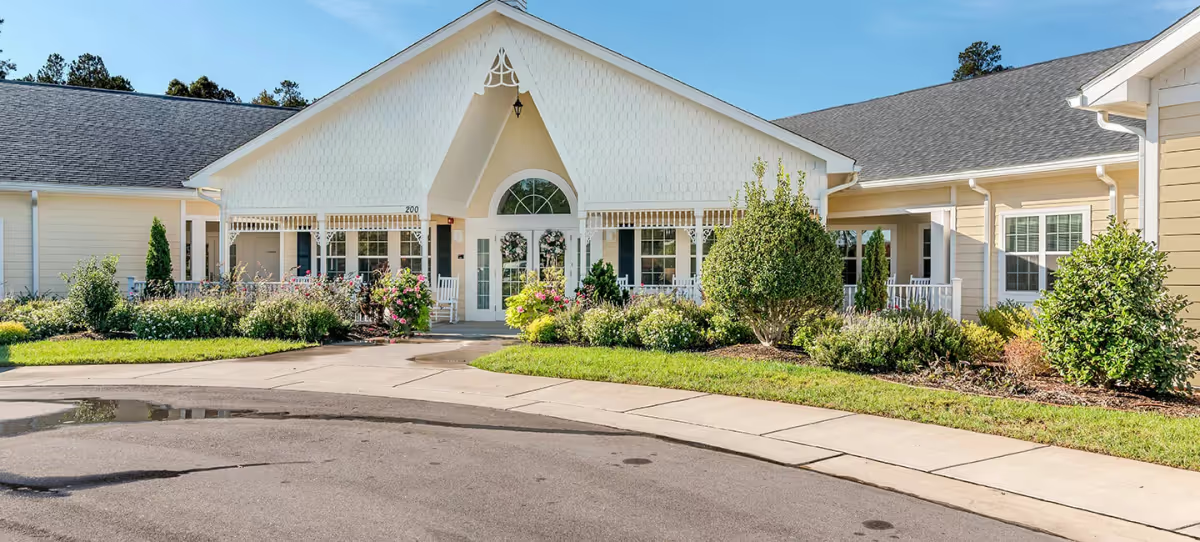
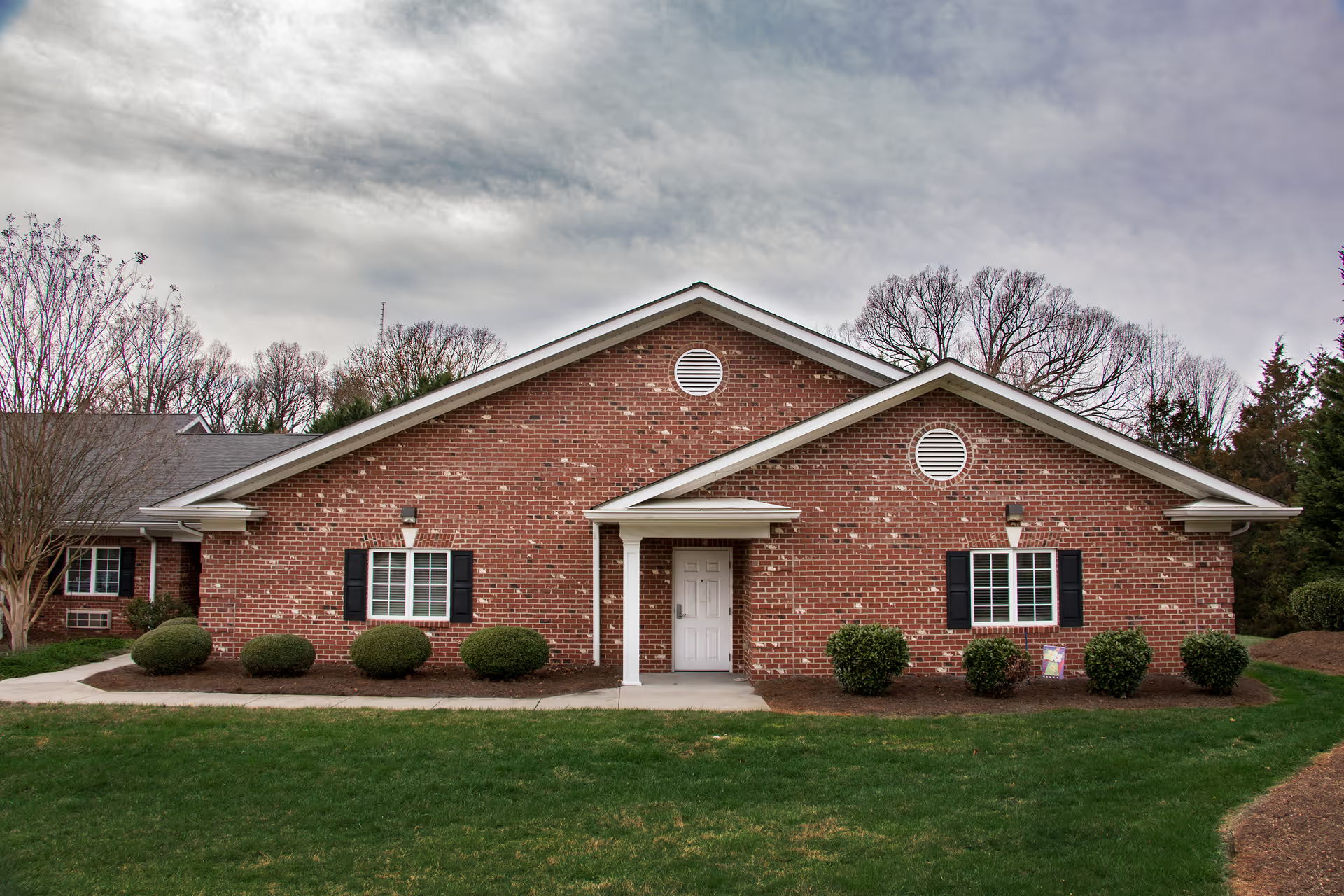
Brighton Gardens of Winston-Salem elicits a mixed but specific pattern of strengths and operational weaknesses. Positively, many families and visitors describe a warm, personable staff culture, robust dementia expertise, and a well-developed activities program that includes music, crafts, outings, and social opportunities. The physical environment is frequently characterized as attractive and apartment-like: roomy studio and suite-style units, private bathrooms, multiple activity rooms, a salon, on-site therapy services, and pet-friendly amenities. Dining is generally seen as a strength for many residents, with restaurant-style service, a varied menu, and flexible dining options.
Care and staffing present a mixed picture. Numerous accounts praise individual caregivers and nursing staff who are attentive, compassionate, and effective at building relationships with residents. At the same time, the prevailing operational concern is inconsistent staffing and high turnover, which reviewers link to slow response times to call buttons, variability in personal-care practices (including bathing and hourly checks), and uneven continuity of care across shifts. Several families highlighted strong daytime coverage contrasted with thinner nighttime staffing, and there are repeated references to long call-response times and delays in attending to resident needs.
Clinical and safety-related patterns warrant careful inquiry. Reviews indicate communication gaps between caregiving staff and clinical nursing teams, occasional inconsistencies in medication timing and documentation, and gaps in incident monitoring and family notification. A subset of reviews described problems with care transitions, transfer paperwork, and physician continuity. While the facility can provide higher-acuity services and hospice transition, prospective families should ask specific questions about medication administration protocols, incident reporting procedures, and physician oversight.
Operational and management themes are also mixed. Several reviewers praised responsive leadership, helpful admissions staff, and tools that keep families informed. Others described inconsistent managerial follow-through, billing and deposit disputes, unexpected fee increases, and confusing add-on charges. There are isolated but significant financial-transaction concerns (waitlist/deposit handling and price changes) that prospective families should clarify in writing prior to commitment.
Cleanliness and environment: most accounts describe well-kept grounds and common areas, regular housekeeping, and a generally pleasant atmosphere; however, there are recurring sanitation and odor concerns on specific units and during resident transitions, as well as reports of laundry or housekeeping lapses. Memory-care spaces are often described as smaller than the assisted-living apartments and some residents experienced multiple room moves, which can affect stability for people with cognitive impairment.
Activities and social engagement are frequently cited as strengths, but availability appears to vary by unit, time, and during infection-control periods. Transportation and outing programs exist and are appreciated, though reviewers mention occasional unreliability. The facility’s pet program, salon, therapy services, and family-communication tools are positive differentiators for many families.
Bottom line: Brighton Gardens of Winston-Salem offers many amenities and a person-centered style of care in an attractive physical setting, with particular strengths in dementia-focused programming, activities, and dining. However, consistent delivery of that care is uneven according to reviews: understaffing, staff turnover, communication breakdowns between clinical and caregiving teams, cleanliness lapses in parts of the building, and billing/transparency issues were recurring concerns. For families considering placement, recommended topics to explore on a tour or prior to move-in include current staffing ratios (day and night), call-response metrics, medication administration and documentation practices, incident-reporting policies, room-change protocols for memory care, housekeeping schedules, and a clear, written description of fees and deposit policies.