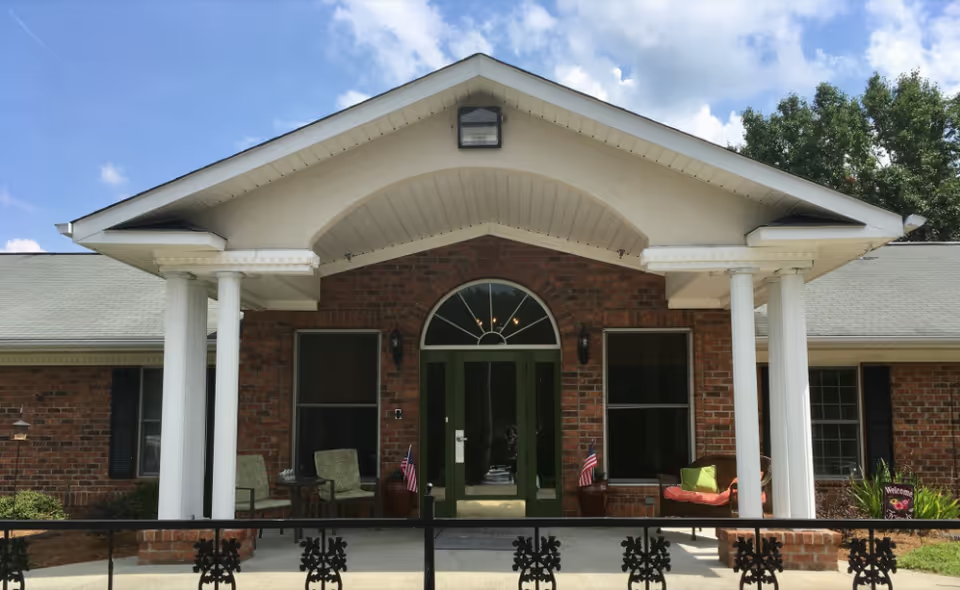
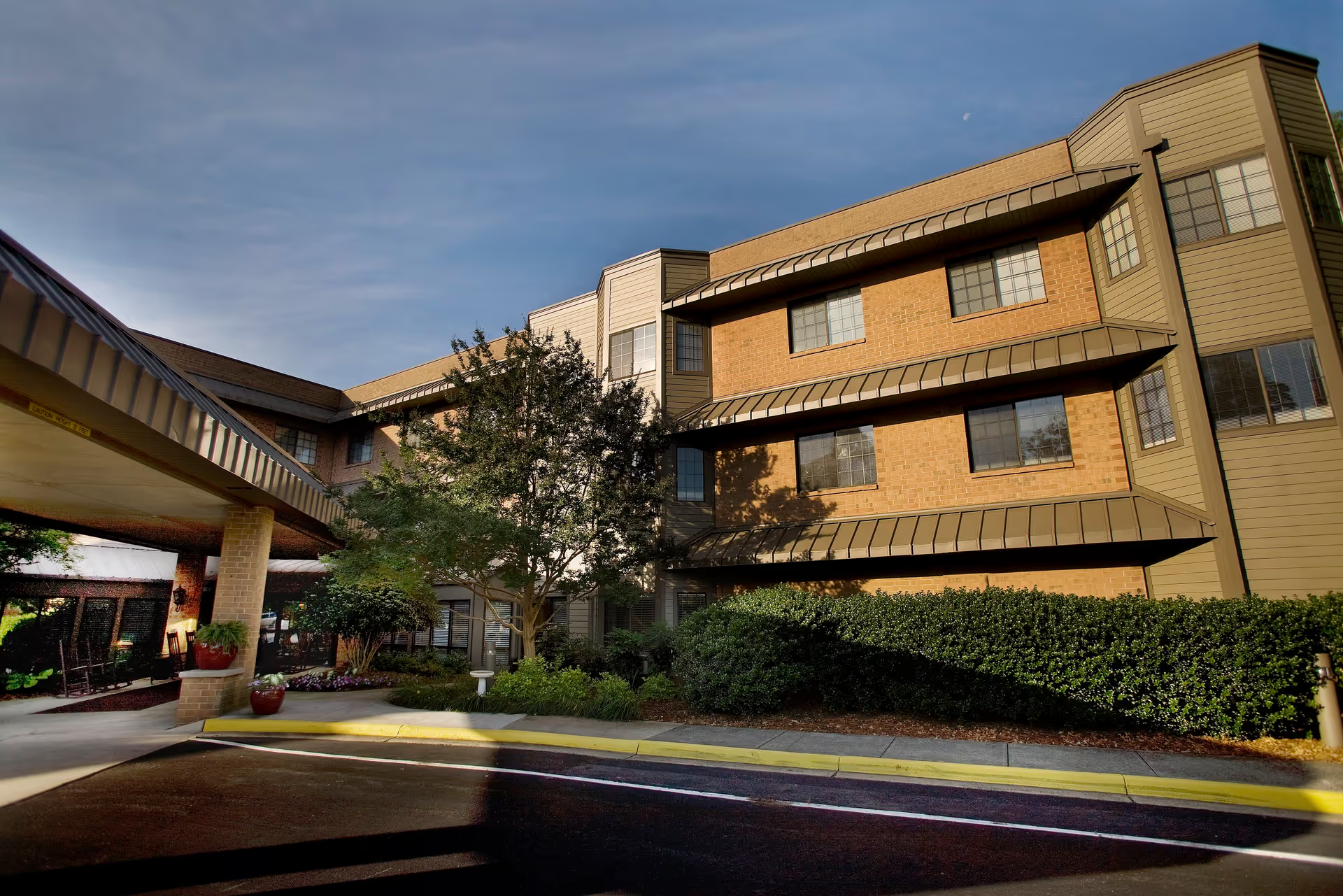
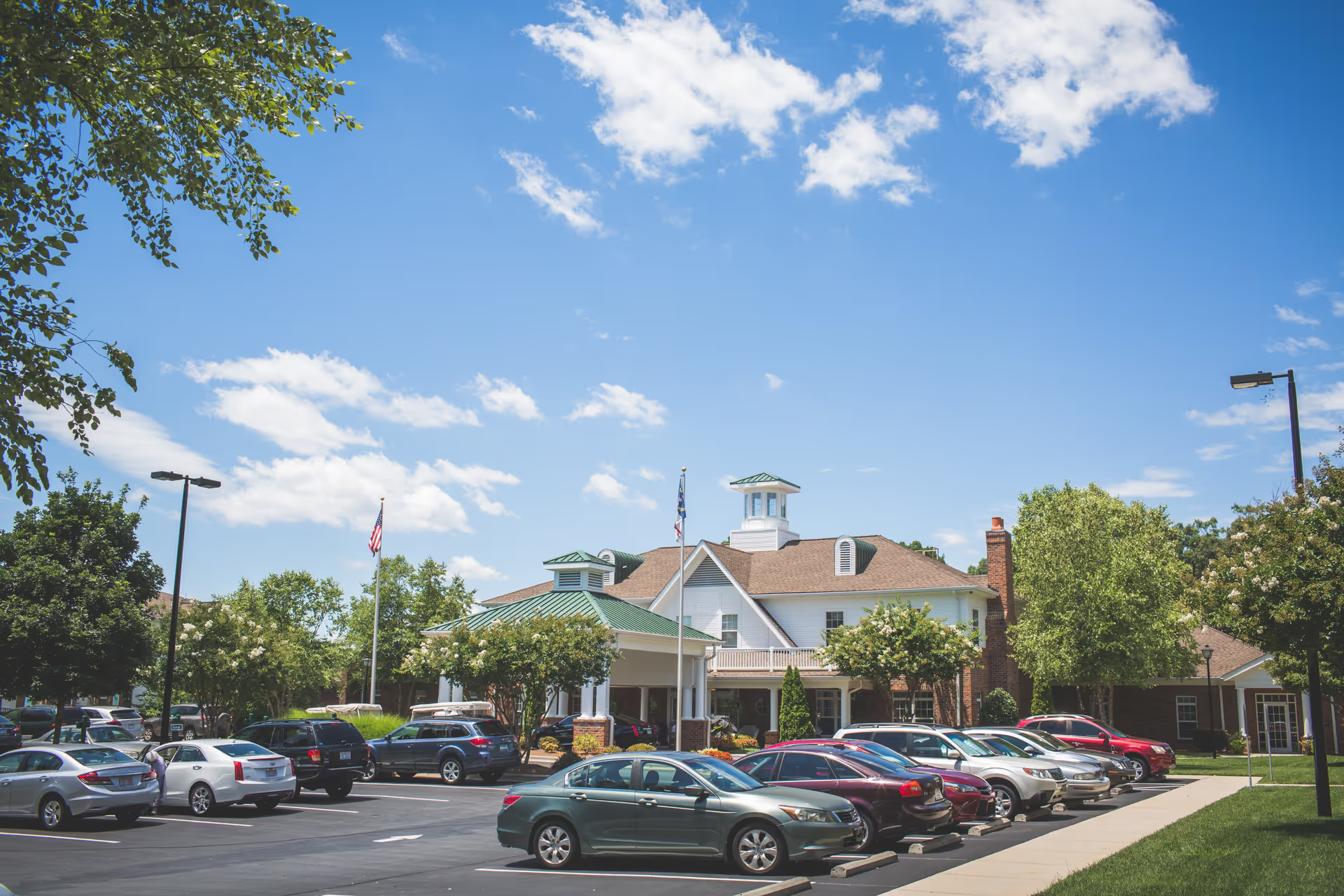
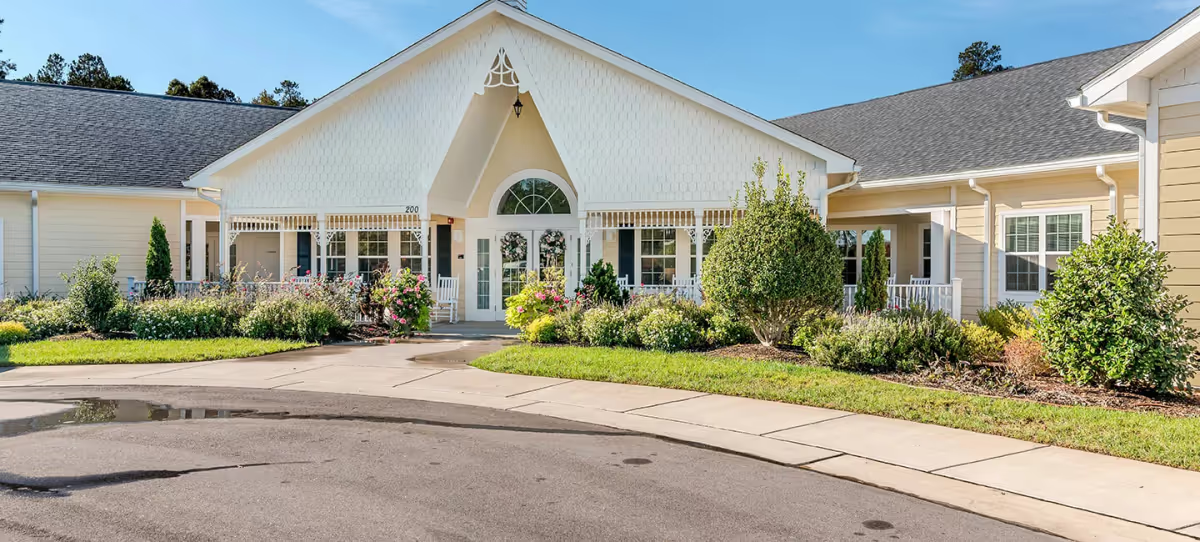
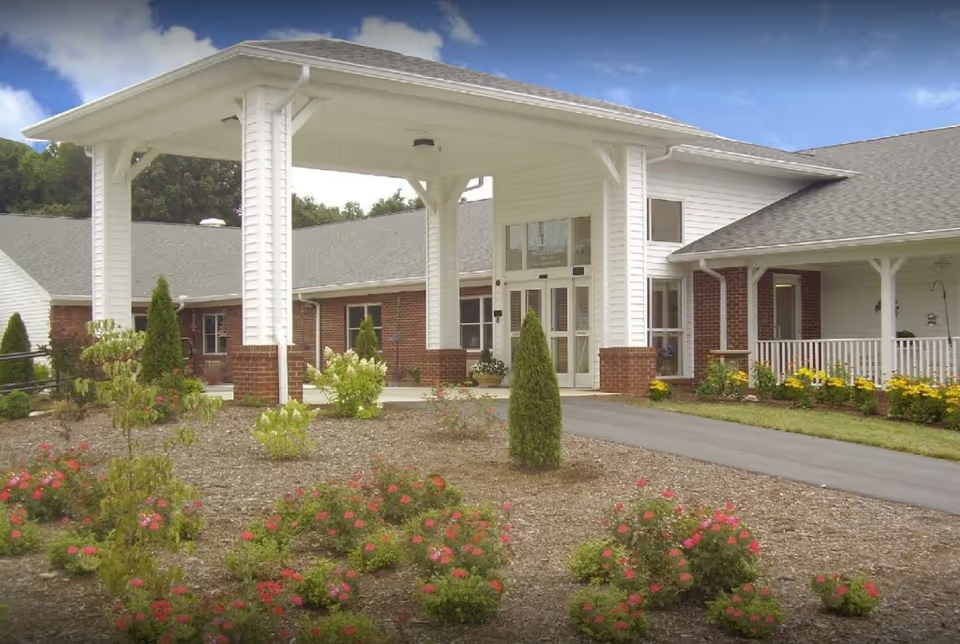
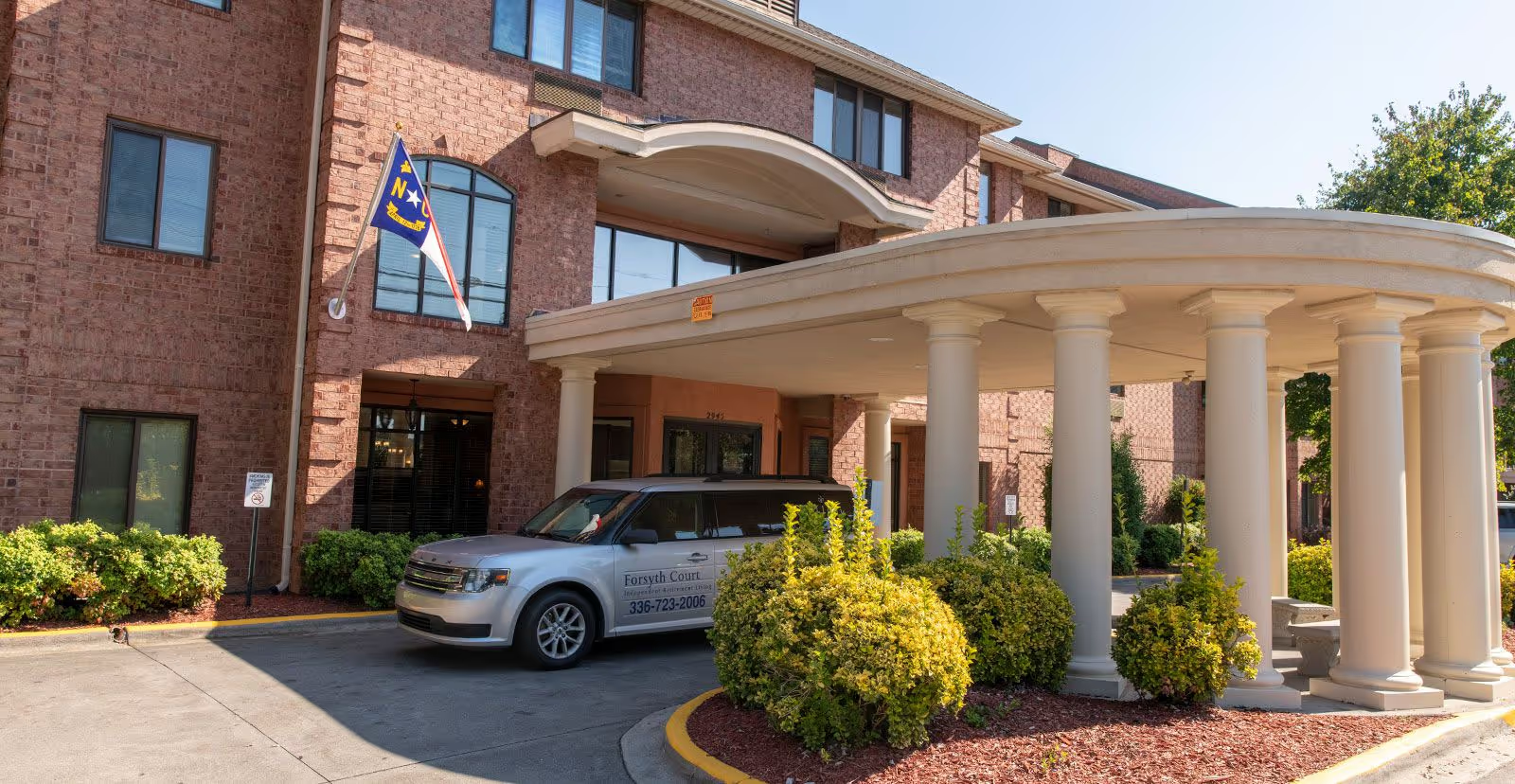
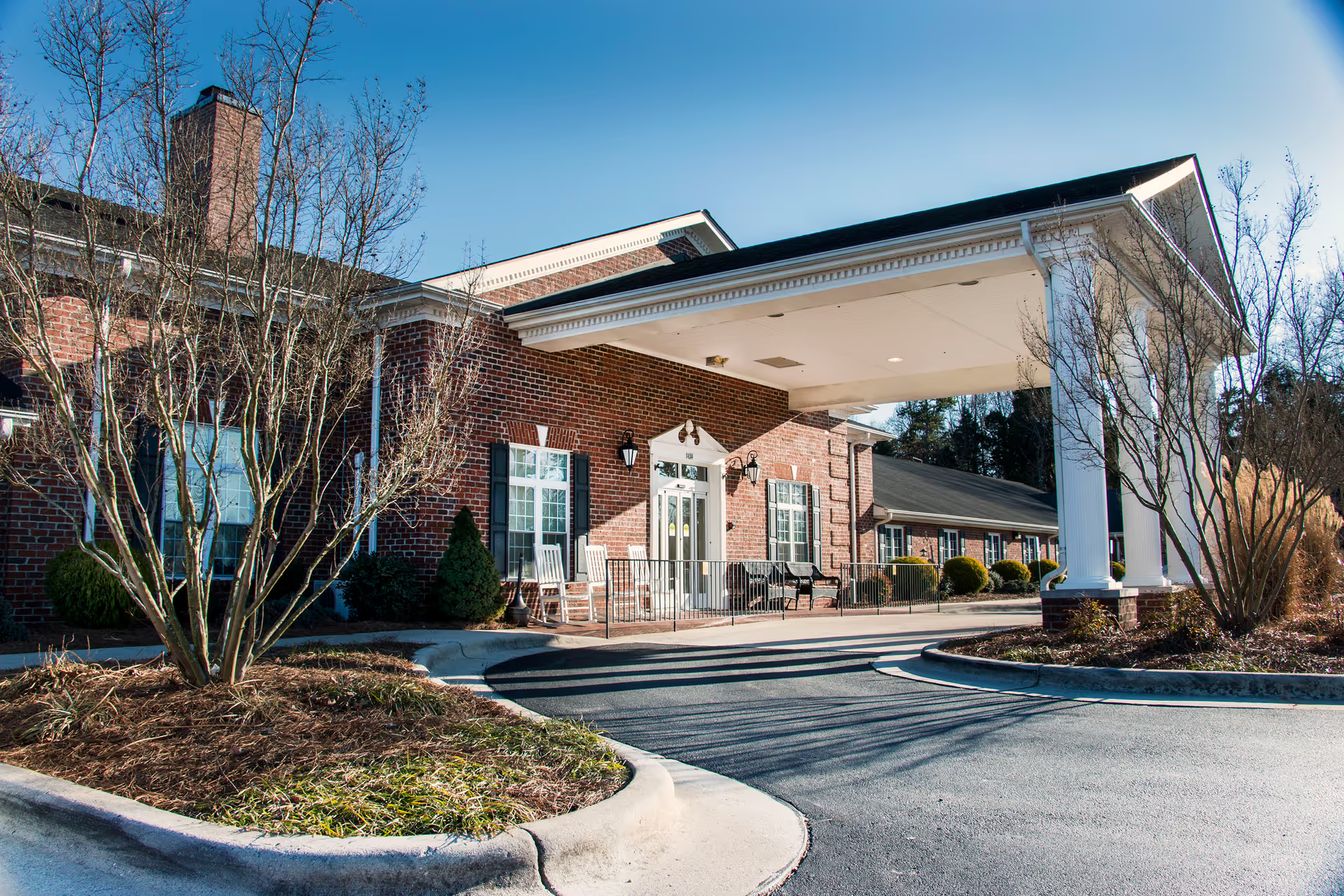
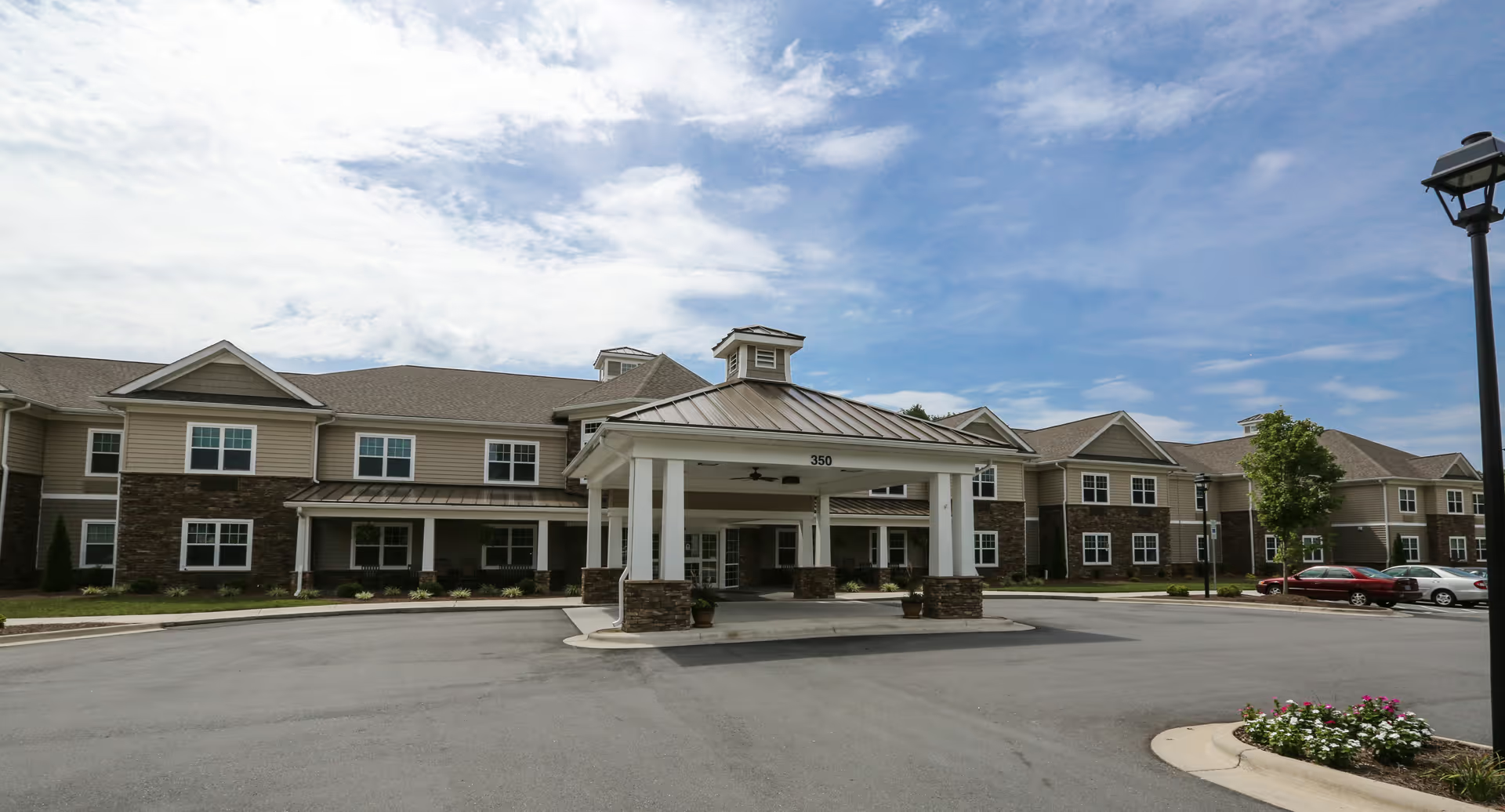
Overall impression: Brookdale Winston-Salem presents a mixed but discernible pattern. The community is repeatedly described as small, home-like, and physically well maintained — with remodeled interiors, pleasant grounds, and comfortable communal spaces. Many families and residents praise direct-care staff for warmth, familiarity, and individualized attention; activity offerings are varied and memory-care–oriented, and dining is often characterized as tasty and well prepared. The presence of visiting physicians or on-site clinical staff and a strong social calendar (music, bingo, art, outings) are cited as important strengths that fit residents who require standard assisted-living or memory-care supports.
Care quality and clinical oversight: Positive accounts highlight staff who know residents and provide hands-on assistance; however, a substantive countervailing theme concerns inconsistent clinical assessment, follow-up, and escalation. Several families described situations that required hospital transfer or additional medical care soon after admission. These narratives point to gaps in how early clinical changes are recognized and communicated. Medication-administration practices and the delineation of med-tech responsibilities were also described as variable; prospective families should clarify medication protocols and on-site clinical coverage during a tour.
Staffing, morale and operations: Staffing is described in two competing ways — many reviewers note compassionate, attentive caregivers and adequate help at mealtimes, while others cite frequent turnover, scheduling gaps, and instances of understaffing. Low compensation and morale are raised as contributing factors to inconsistent staffing assignments and limited continuity of caregivers. These operational factors appear tied to variability in responsiveness and daily-routine reliability.
Daily care, hygiene and housekeeping: The facility’s activity and dining programs are often seen as strengths, but multiple accounts indicate operational weaknesses around hygiene and housekeeping consistency. Concerns include inconsistent bathing schedules, delays in assistance with toileting/incontinence care, and variable cleaning standards for resident rooms and shared bathrooms. These describe systemic lapses in routine personal-care and environmental maintenance rather than isolated aesthetic issues.
Dining and hydration: Dining is frequently described positively in terms of menu quality and meal preparation. At the same time, there are recurrent concerns about meal timing, beverage availability, and assistance with hydration. Families should ask about meal-service schedules, drinking-water access between meals, and staff support for residents who require feeding or frequent hydration.
Activities and social environment: The community offers a robust set of activities for a small facility — memory-focused programming, music, multiple activity rooms, and outings are commonly cited. These programs contribute to the home-like atmosphere and social engagement. Some reviewers wanted more individualized or externally located activities; clarify availability of off-site trips and transportation options if that is important.
Management, communication and policies: Communication and family notification practices are uneven. Several accounts describe poor follow-up after admission, long response times at the entry door, and lapses in informing families about incidents. There are also mentions of a complex fee structure with additional charges for higher-risk residents and concerns about property management (missing clothing) and privacy policy enforcement (unauthorized photos). There are even isolated, serious allegations about illicit staff behavior; such claims should prompt prospective families to inquire about background-check policies, incident reporting, and regulatory history.
Suitability and recommendations: The facility appears to be a good fit for residents who need standard assisted-living or lower-acuity memory care and who will benefit from a small, social setting with engaged staff and varied activities. For residents with complex medical needs, high fall risk, frequent behavioral challenges, or advanced dementia requiring 24-hour clinical oversight, reviewers suggest the community may be less well equipped. During a tour families should request specifics on staffing ratios, bathing and toileting schedules, incident reporting protocols, medication-management procedures, fee schedules, and examples of how the facility handles clinical changes or emergency transfers.
Bottom line: Brookdale Winston-Salem offers many attributes that families value — caring direct-care staff, pleasant facilities, and an active program of social and memory-focused activities — but the community shows recurring operational weaknesses around clinical responsiveness, consistency of personal-care and housekeeping, staffing stability, and administrative communication. Thorough, specific questions at tour and contract review, plus ongoing monitoring after move-in, will help families assess whether the community’s strengths align with a particular resident’s care needs.