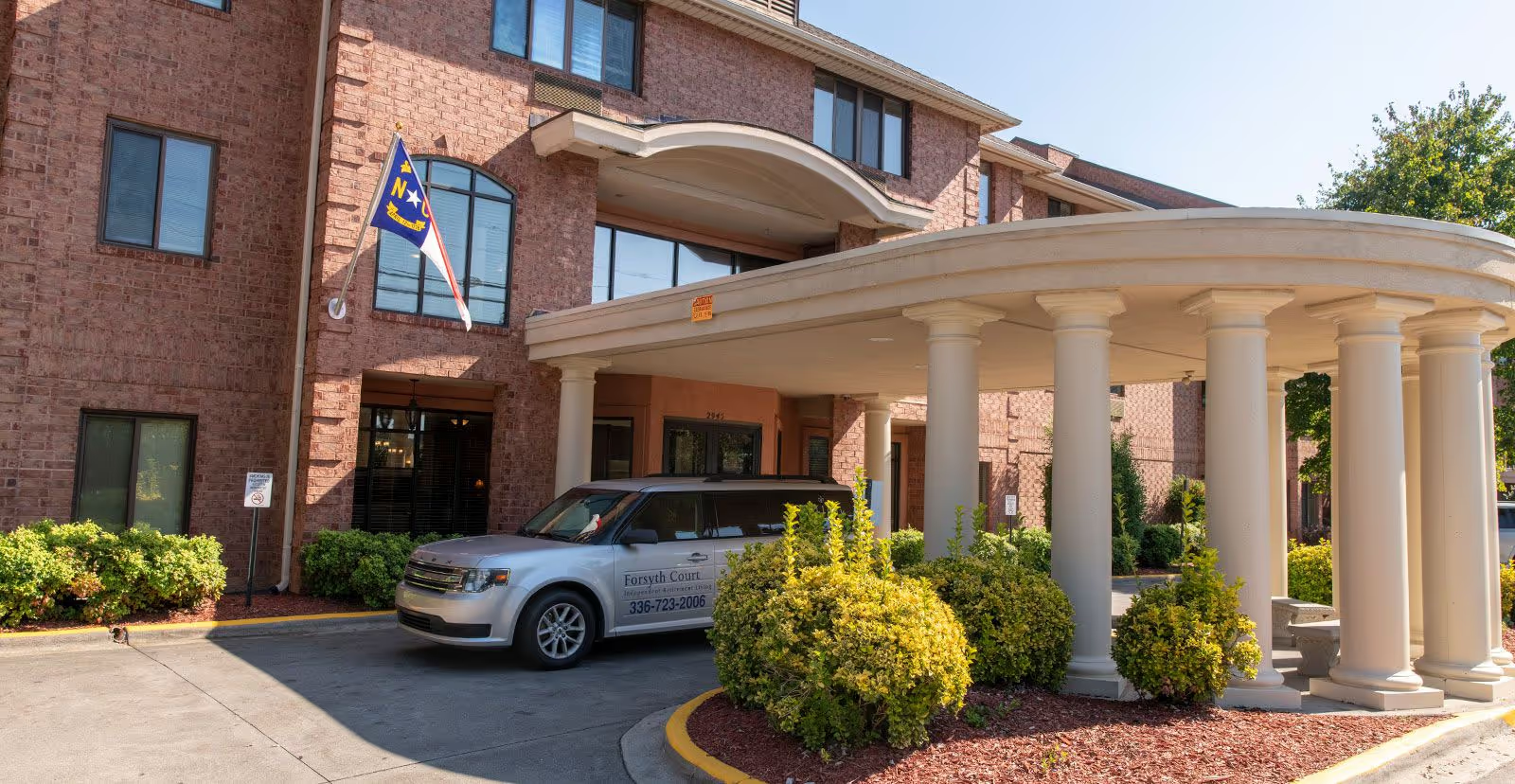
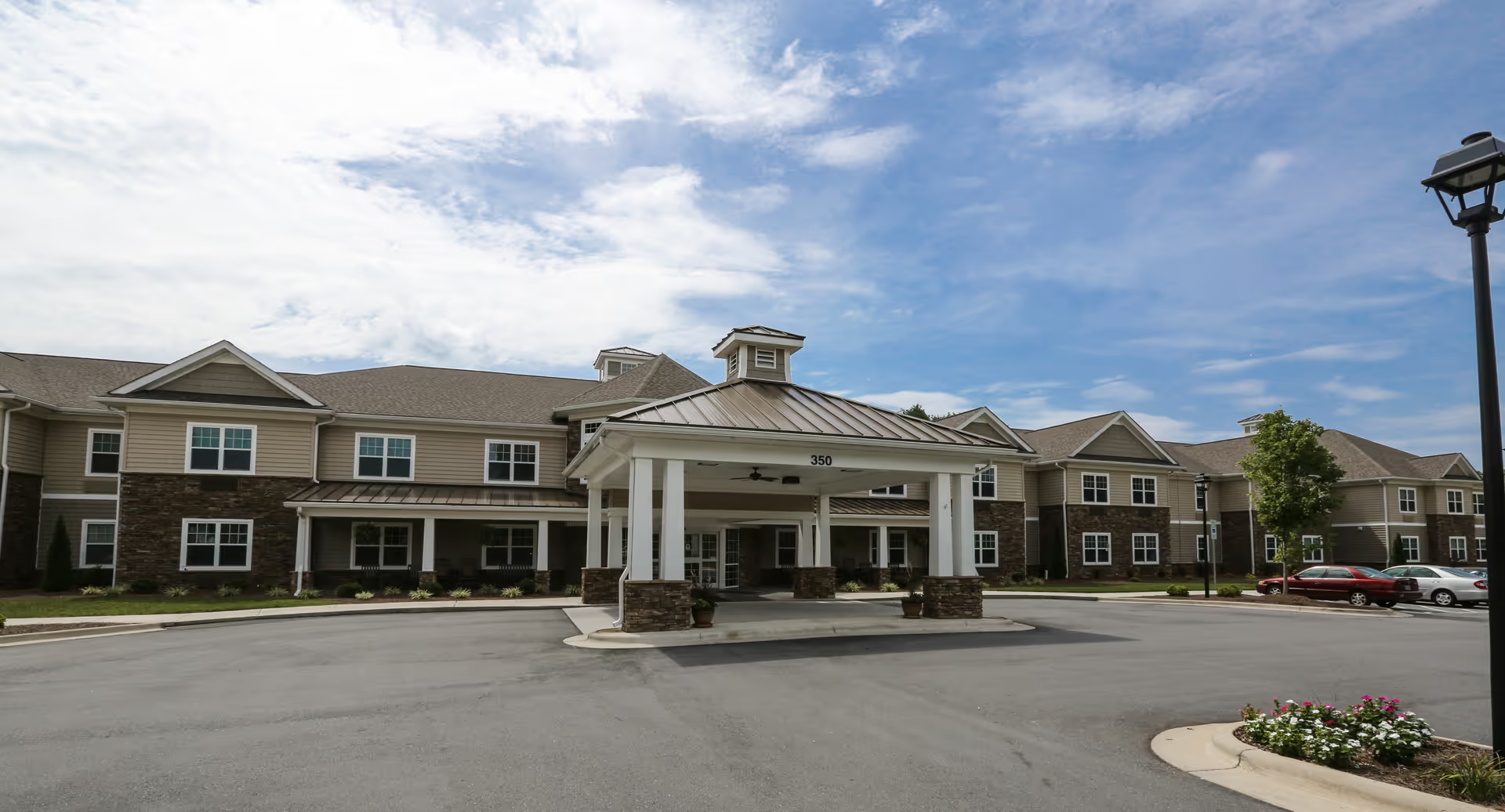
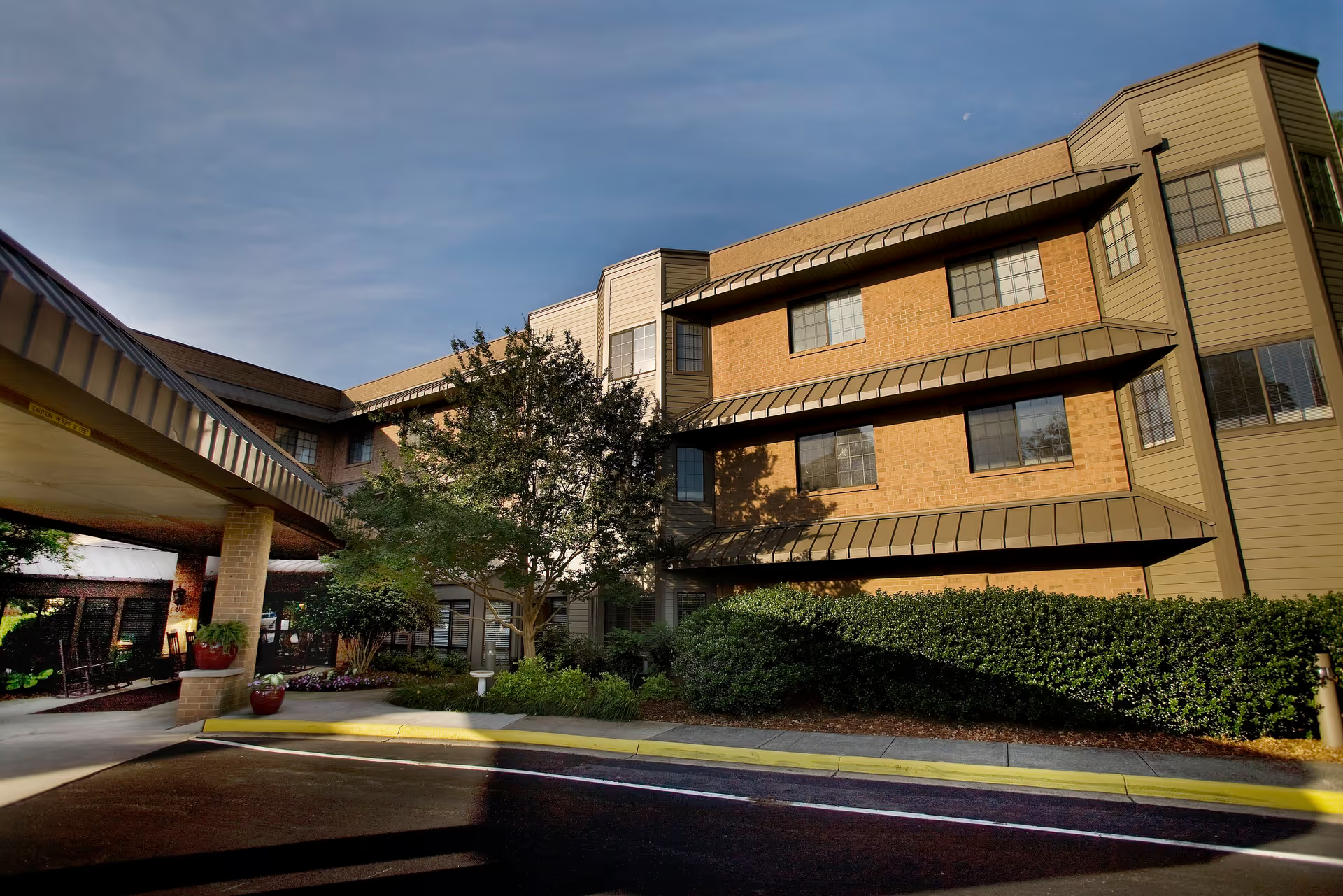
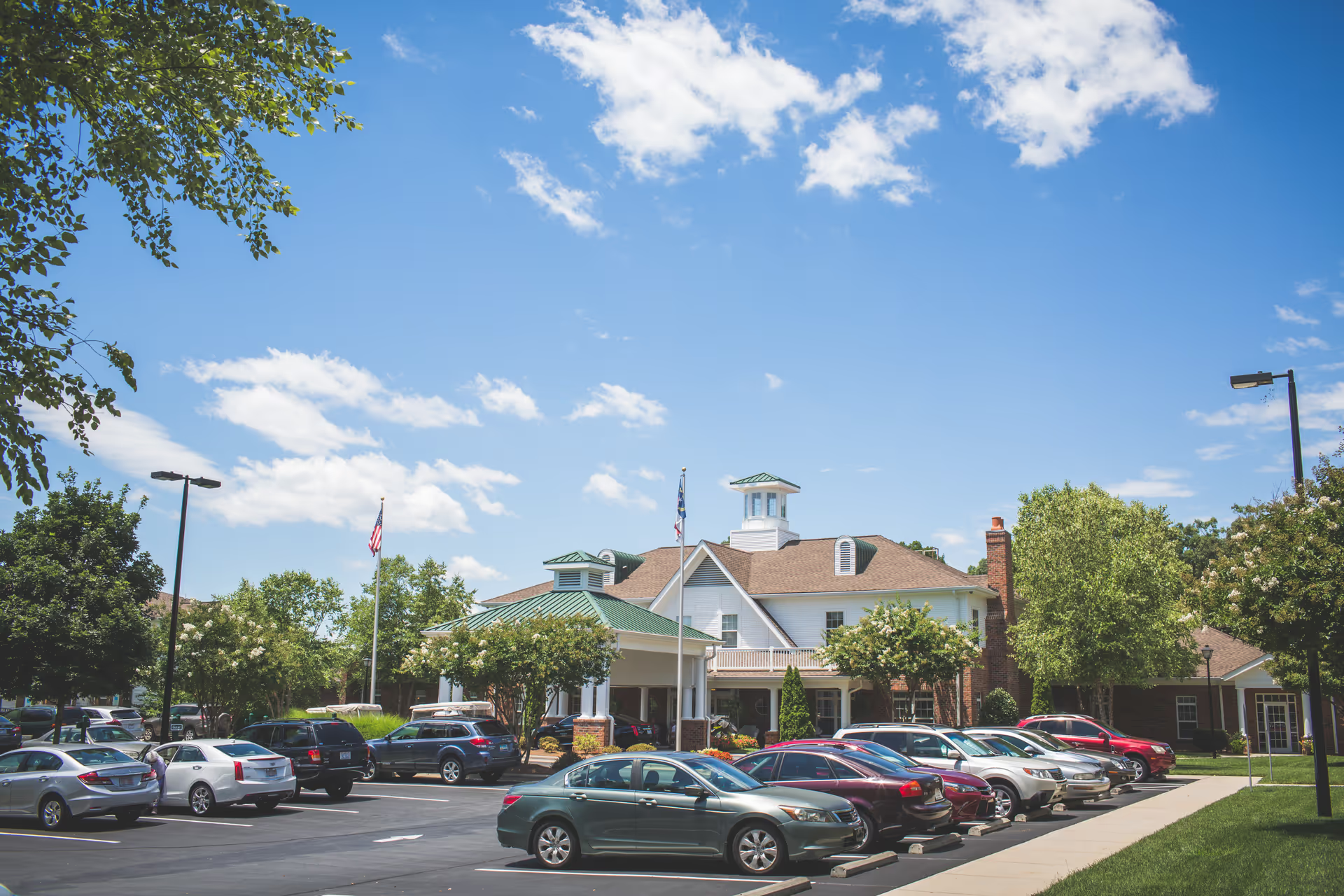
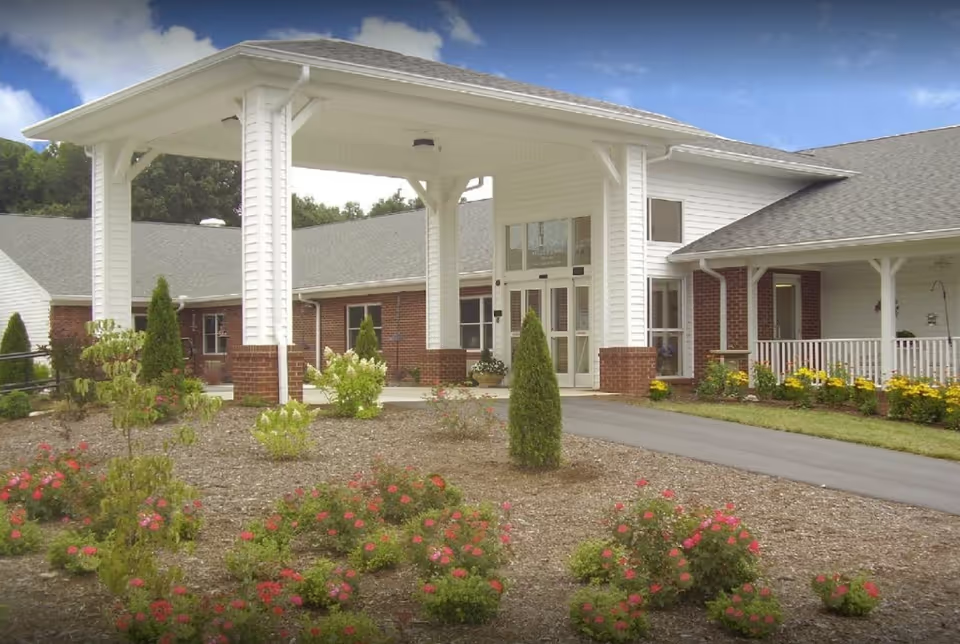
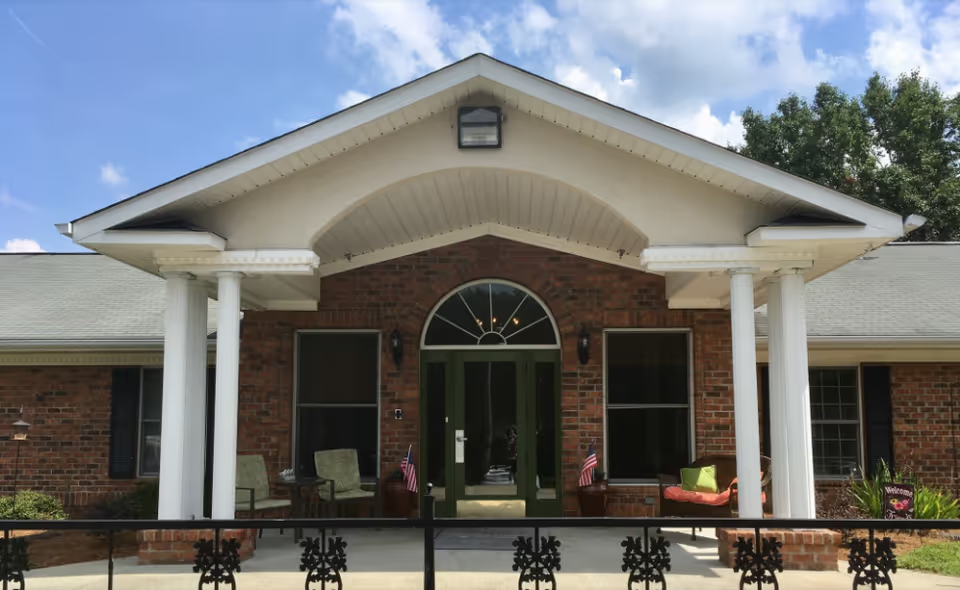
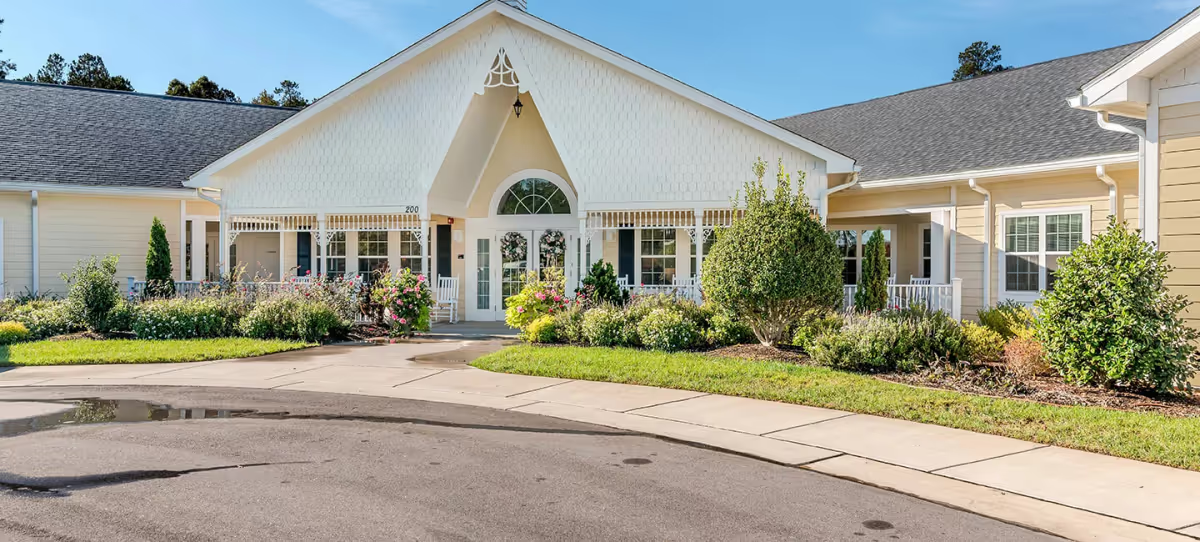
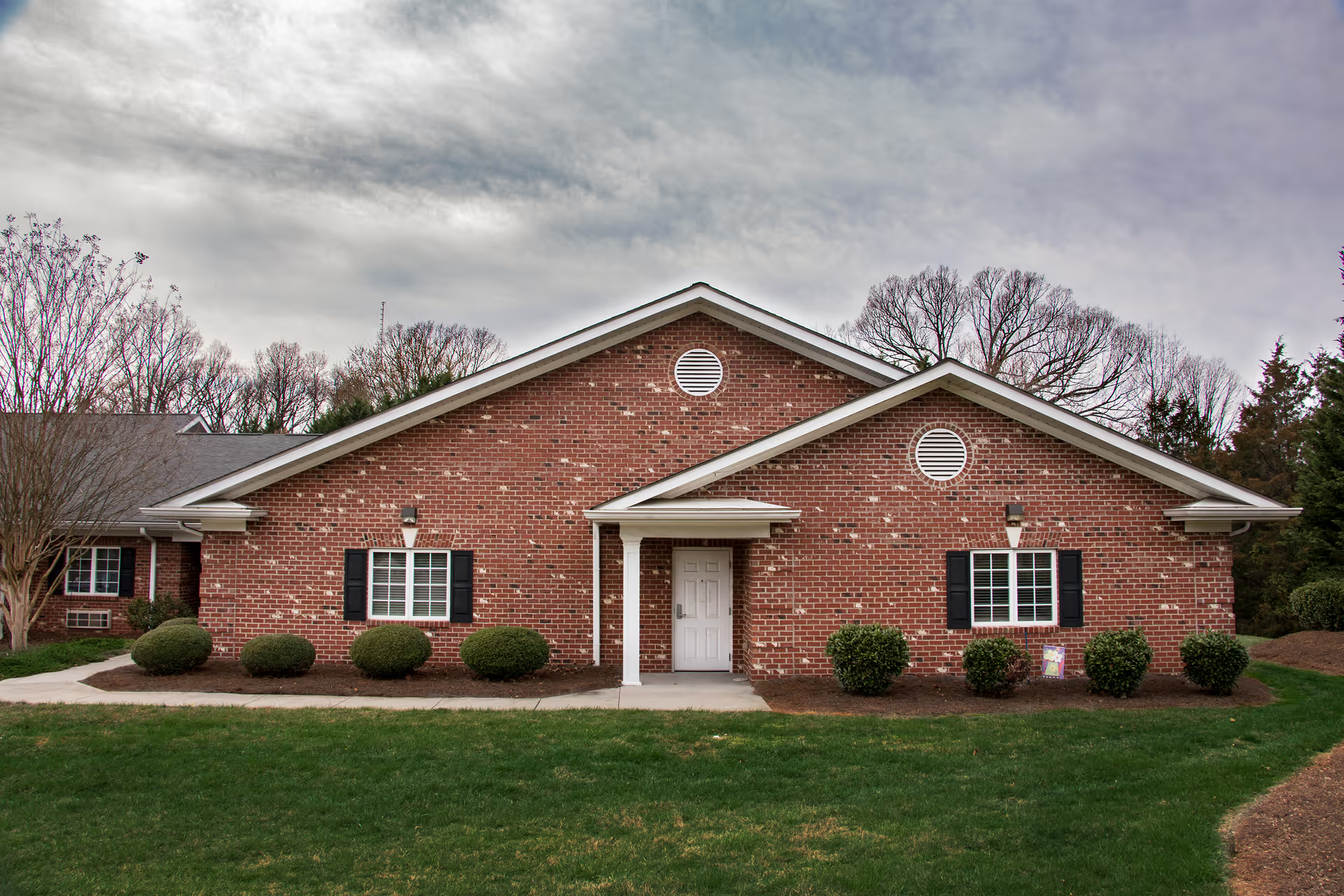
Brookridge Life Plan Community elicits strongly mixed impressions: many reviewers describe a well-appointed, park-like campus with a variety of housing options and active social programming, while others raise operational and clinical concerns that affect trust and perceived safety. The community’s physical setting, housing variety (garden homes, duplexes, private rooms, condos), and on-site amenities (pool, fitness, therapy rooms) are consistently praised. Dining receives frequent positive mention for variety and quality, and maintenance and housekeeping are often described as prompt and effective.
Care quality and staffing are the most polarized areas. Numerous accounts highlight compassionate, attentive caregivers, continuity of care in long-term and memory-care units, and a high caregiver-to-resident ratio in some small units; memory care in particular is described by some as a ‘‘little gem’’ with personalized activities and an enclosed garden. At the same time, reviewers describe inconsistent nursing performance, understaffing at times (especially nights), limited therapy-hour availability for some residents, and lapses in medication or pain-management continuity. These patterns suggest variability in clinical staffing and shift coverage that can produce markedly different experiences depending on unit and timing.
Dining and activities are strong selling points for many residents: multiple dining venues, pleasant wait staff, and an active calendar with on- and off-campus trips are cited repeatedly. Activity staff receive praise for creativity and engagement. Spiritual life and religious identity are areas of mixed feedback: some residents value the community’s faith-linked positioning, while others perceive restrictions or a lack of consistent, sponsored spiritual programming. Prospective residents who prioritize explicit, organized faith-based activities should clarify program expectations during touring and admissions.
Facility maintenance and physical plant condition are generally favorable: reviewers describe attractive landscaping, forested settings, private patios, and well-maintained public spaces. However, a subset of reviews raises pest-control and other sanitation concerns in certain areas, which indicates an operational issue that management should address proactively. Renovations and ongoing construction were mentioned in a few accounts; these appear to be managed but may affect some residents temporarily.
Management, business practices, and communication are recurring themes of concern. Several reviewers mention inconsistent or unprofessional communication from upper management, problems with admissions or Medicaid-related handling, billing disputes, and occasional lack of responsiveness to family inquiries. These are operational patterns that can affect trust and the overall resident experience. Pricing is frequently described as premium; while many feel the cost is justified by setting and services, others cite insufficient transparency about fees and policies.
In summary, Brookridge offers a well-appointed campus, varied housing, robust social programming, and many examples of attentive, personalized caregiving—particularly in small or long-term care settings. At the same time, there are documented operational weaknesses: inconsistent clinical staffing and therapy availability, communication and billing process gaps, management responsiveness questions, and localized pest-control and sanitation concerns. Prospective residents and families should tour specific units at different times of day, ask for written details on staffing ratios, therapy schedules, medication management protocols, spiritual programming, and fee transparency, and request recent inspection or pest-control records to make an informed decision.