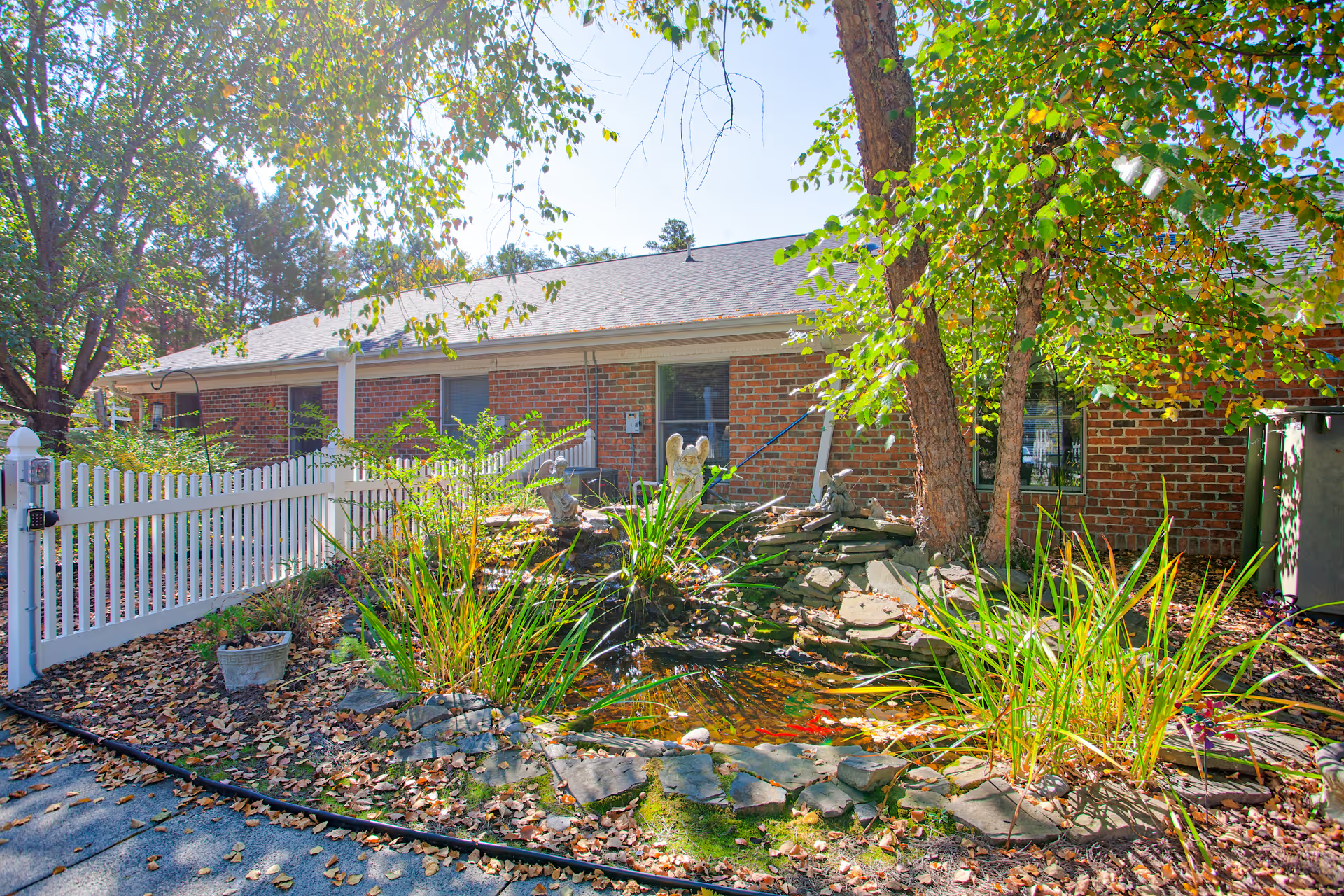
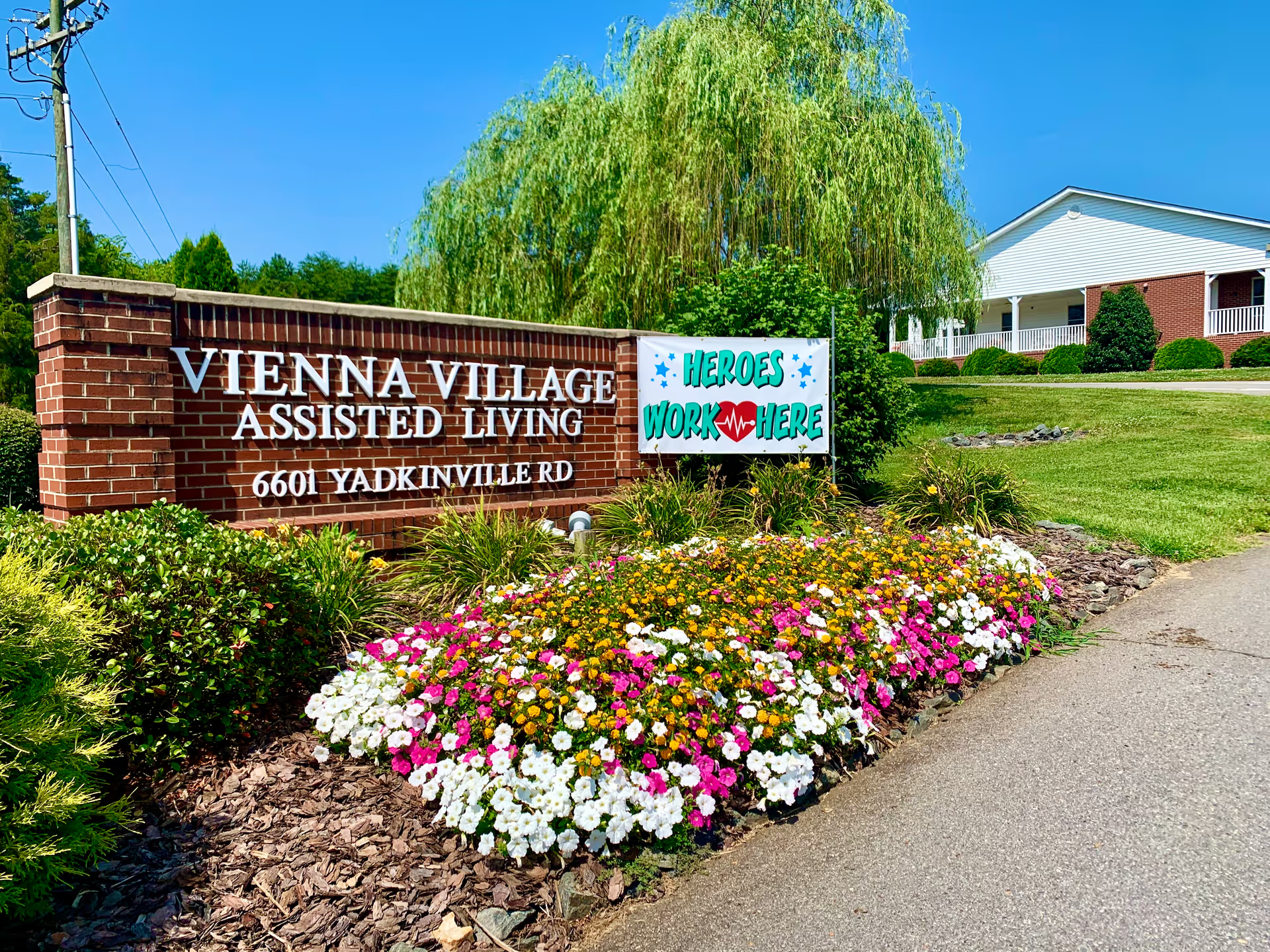
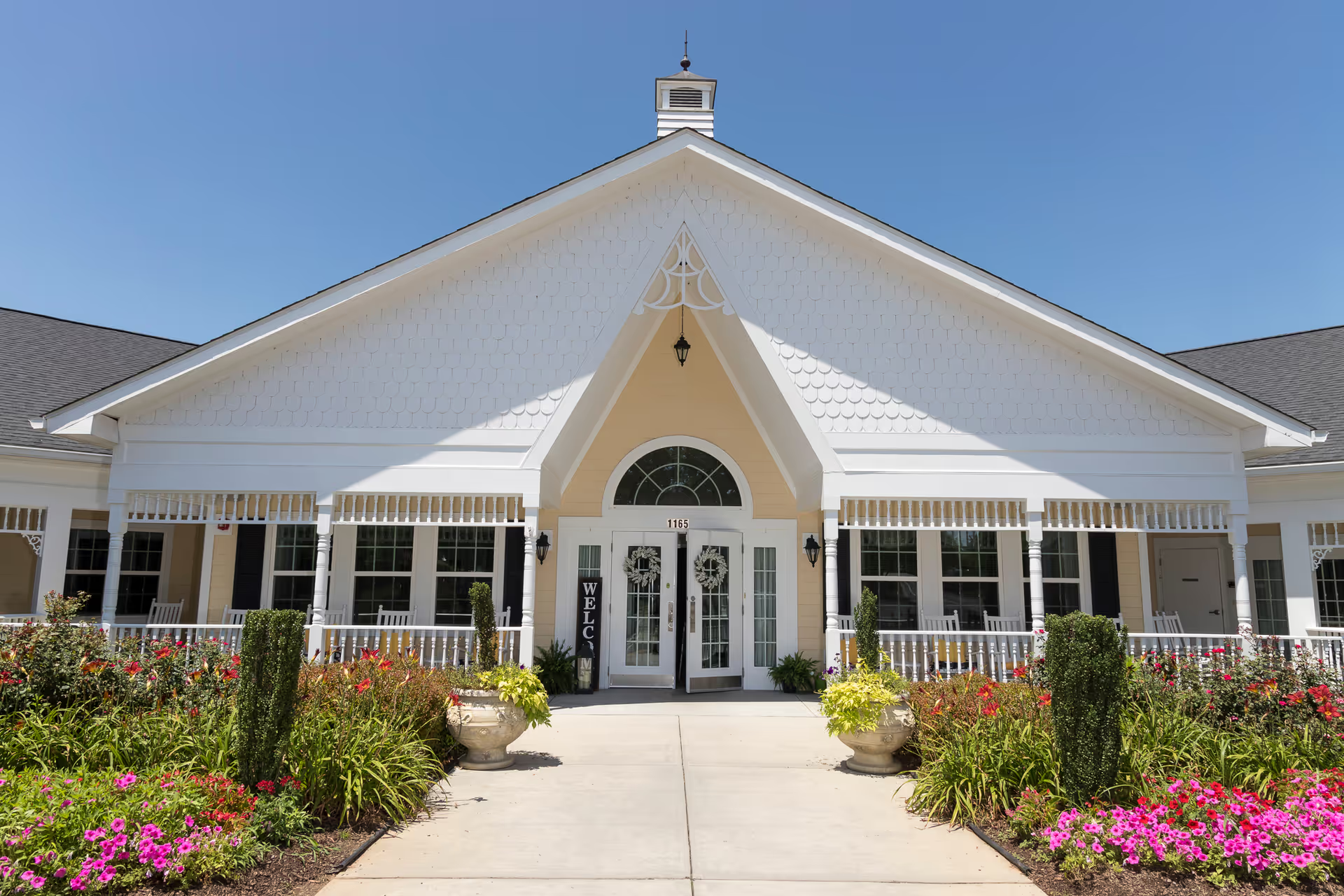
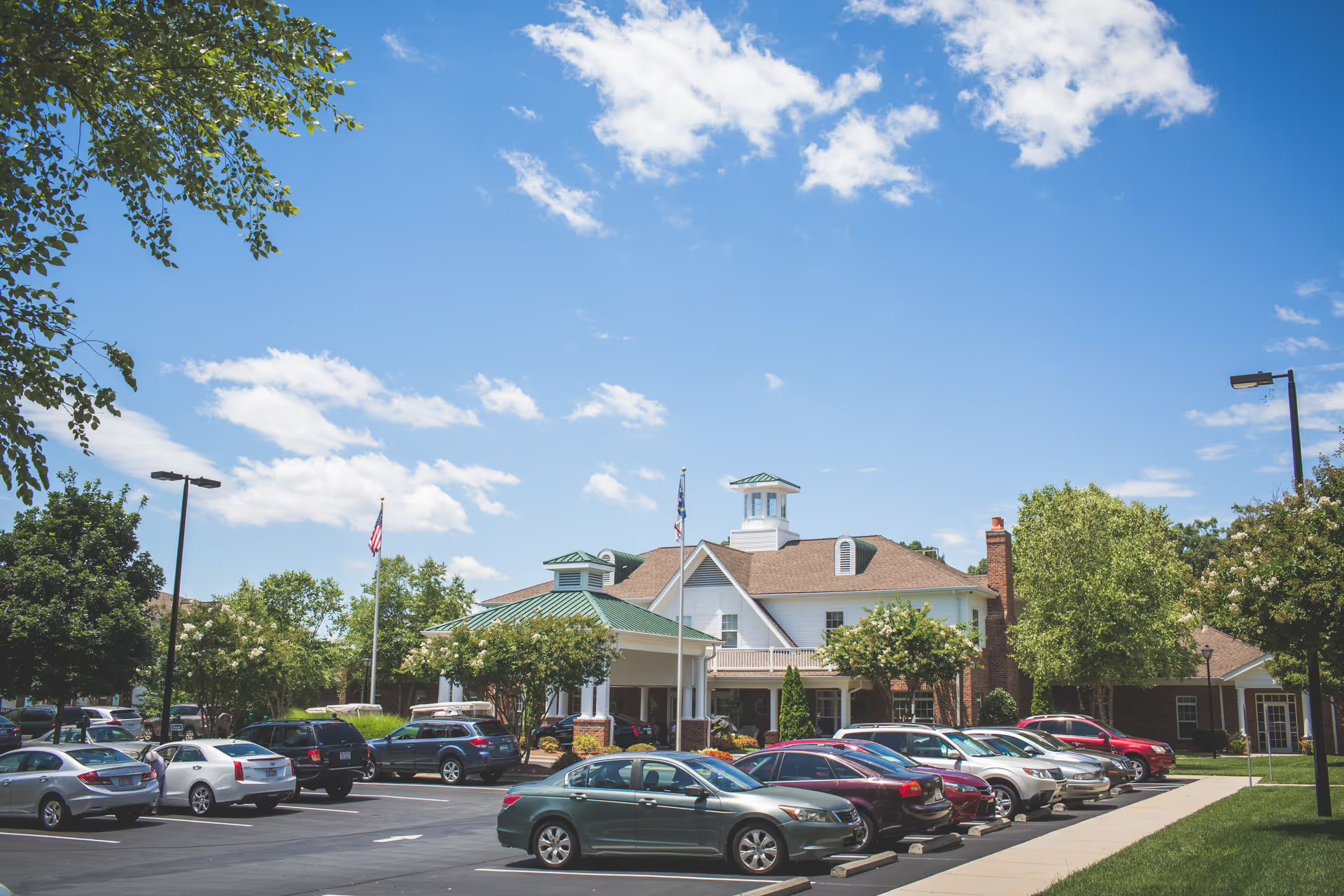
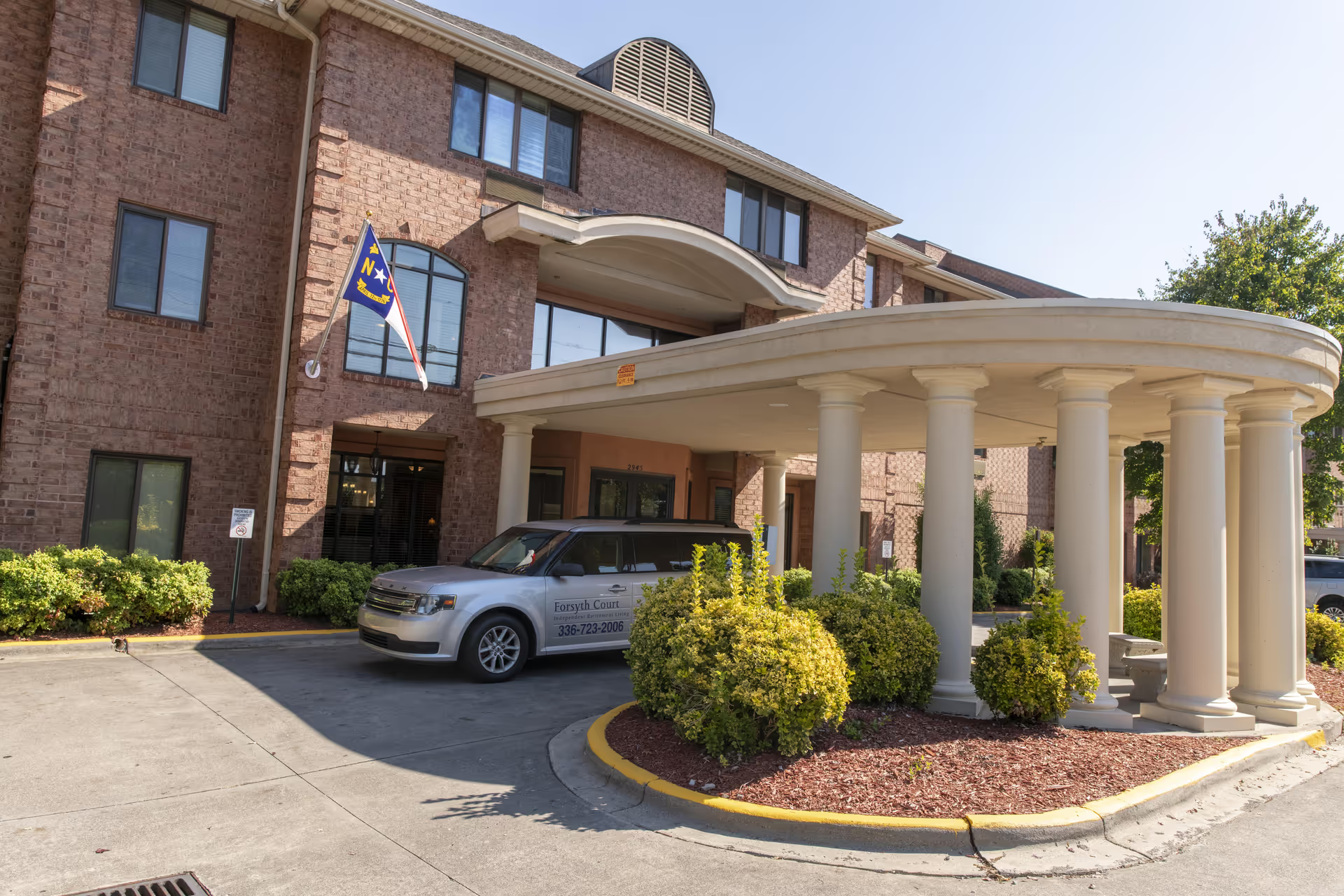
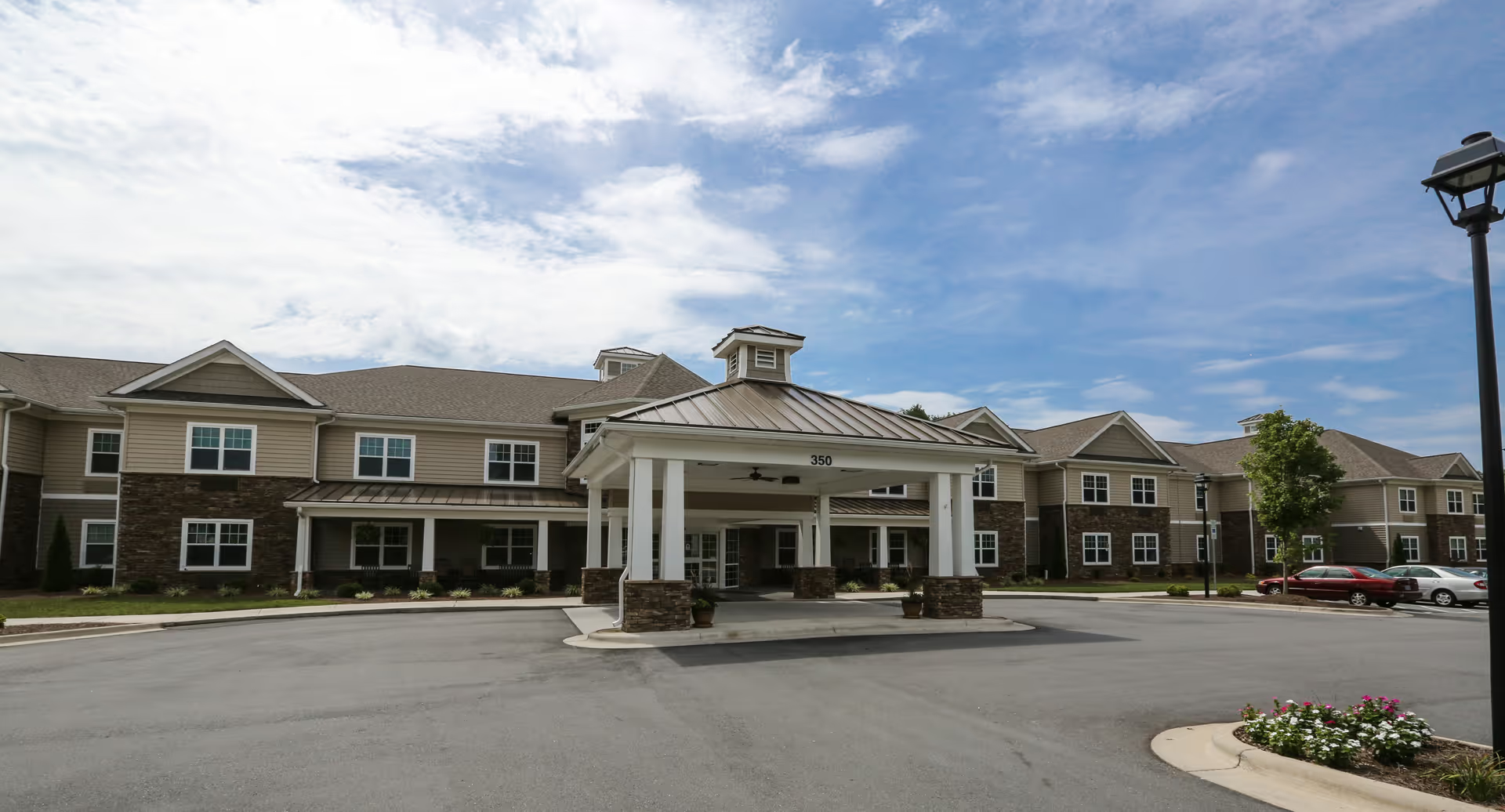
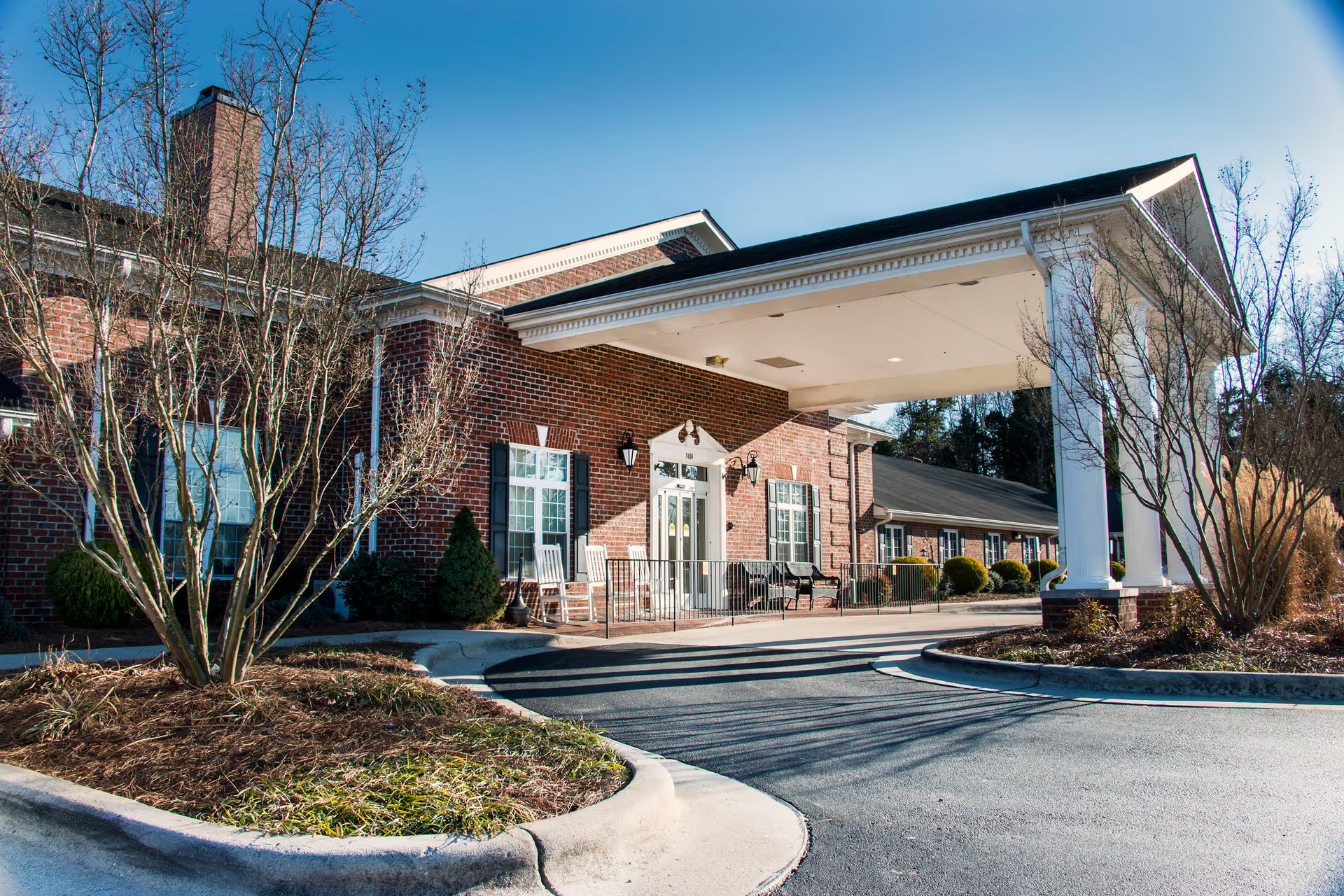
Harmony at Brookberry Farm presents as a modern, well-appointed senior living community with many physical strengths. The building, common areas and apartment layouts are consistently described as new, clean and well maintained. Units with full kitchens, in‑unit washer/dryer options, and a range of amenity spaces (theater, fitness room, libraries, bistro, courtyard and multiple dining areas) support a resort‑style independent living experience. The Memory Care area is repeatedly noted for contemporary design and social dining spaces.
Care and staffing feedback is mixed. Numerous comments highlight kind, attentive caregivers, professional nursing leadership and individual staff members who provide strong, family‑oriented support. At the same time, there is a persistent pattern of staffing instability and high turnover that reviewers link to service variability. Operational consequences include delayed assistance at times, inconsistent medication and clinical‑care processes, and gaps in communicating clinical incidents to family members. Several accounts raise concerns about emergency‑response reliability and follow‑through with personal alert systems; these are described as operational weaknesses rather than isolated praise‑worthy acts.
Dining and housekeeping opinions are likewise variable. Positive impressions emphasize restaurant‑style dining, accomplished chefs and a varied special‑event menu. However, there are recurring concerns about inconsistent food quality, menu restrictions, the limited number of included meal services (notably references to one included meal per day or pay‑per‑meal models), and occasional late or cold in‑room service. Housekeeping and laundry processes have been flagged for occasional errors and irregular schedules, which contributes to perceptions of inconsistent day‑to‑day support.
Activities and resident life reflect a functioning program with typical offerings—bingo, outings, exercise, music and bus trips—plus special events and family meal opportunities. Several reviewers find the calendar engaging, while others feel programming skews toward less active, older residents or that engagement is limited by a low resident census. Transportation services exist for shopping and medical appointments but are described as limited in frequency, which can affect families who require more regular access to off‑site care.
Management and administrative practices show mixed signals. Some reviewers praise effective, transparent leadership, improved communication and a responsive administrative team. Others describe administrative turnover, outreach and billing issues, and even serious consumer concerns about sales and billing practices; these latter issues have been characterized as allegations and warrant direct verification with the provider. There are also mentions of regulatory and sanitation concerns in isolated reports, suggesting the need to review recent inspection results and corrective actions prior to placement.
Overall, the facility appears well suited to independent residents seeking newer accommodations and robust amenities. Prospective residents and families should assess operational reliability for higher‑acuity needs: verify staffing ratios and turnover trends, confirm emergency‑response protocols and Life Alert integration, review the included meal plan and menu flexibility, and examine recent regulatory inspection history. An in‑person visit that includes discussions with clinical leadership and a review of written contract and billing practices is advisable to ensure expectations for care continuity and administrative transparency are met.