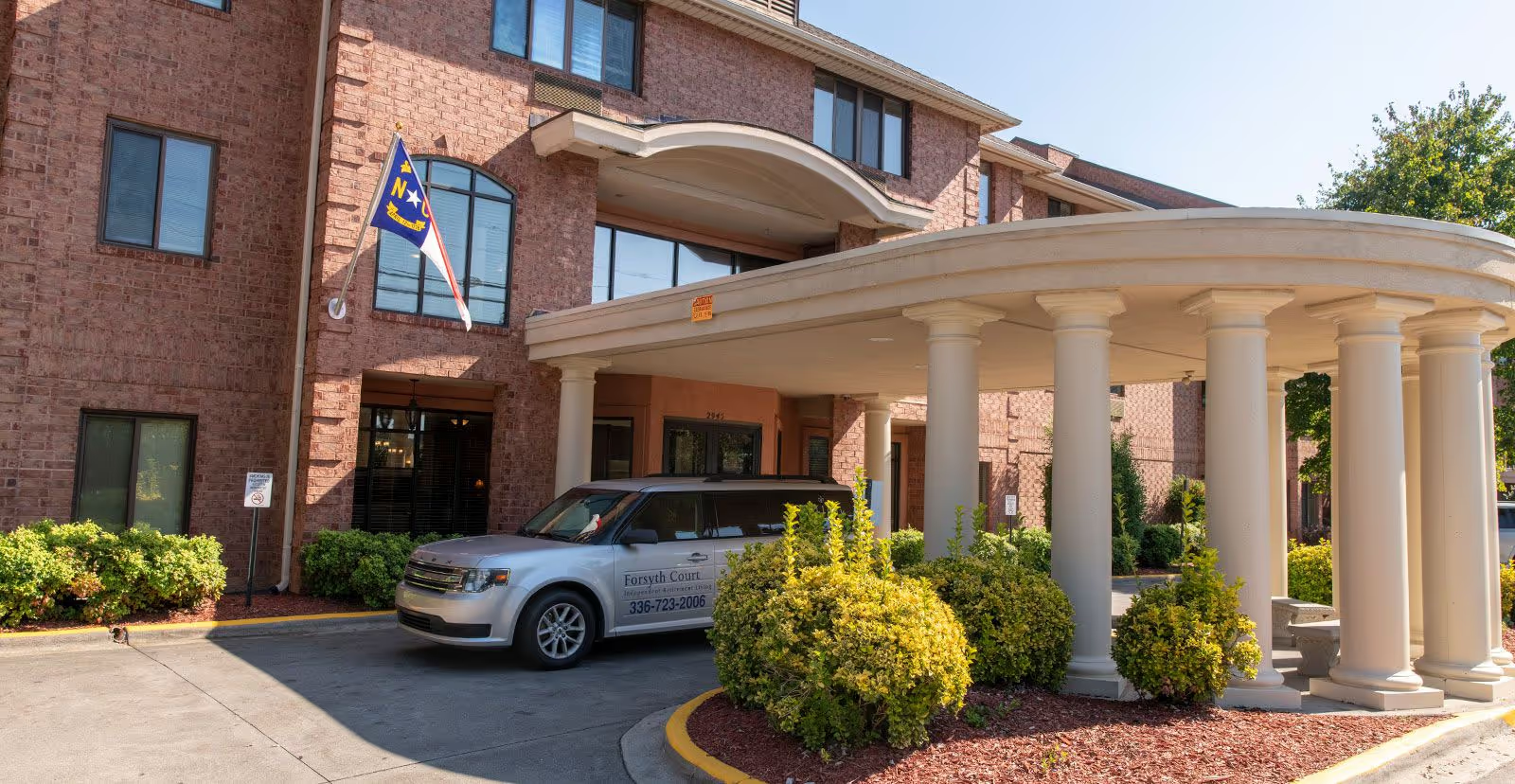
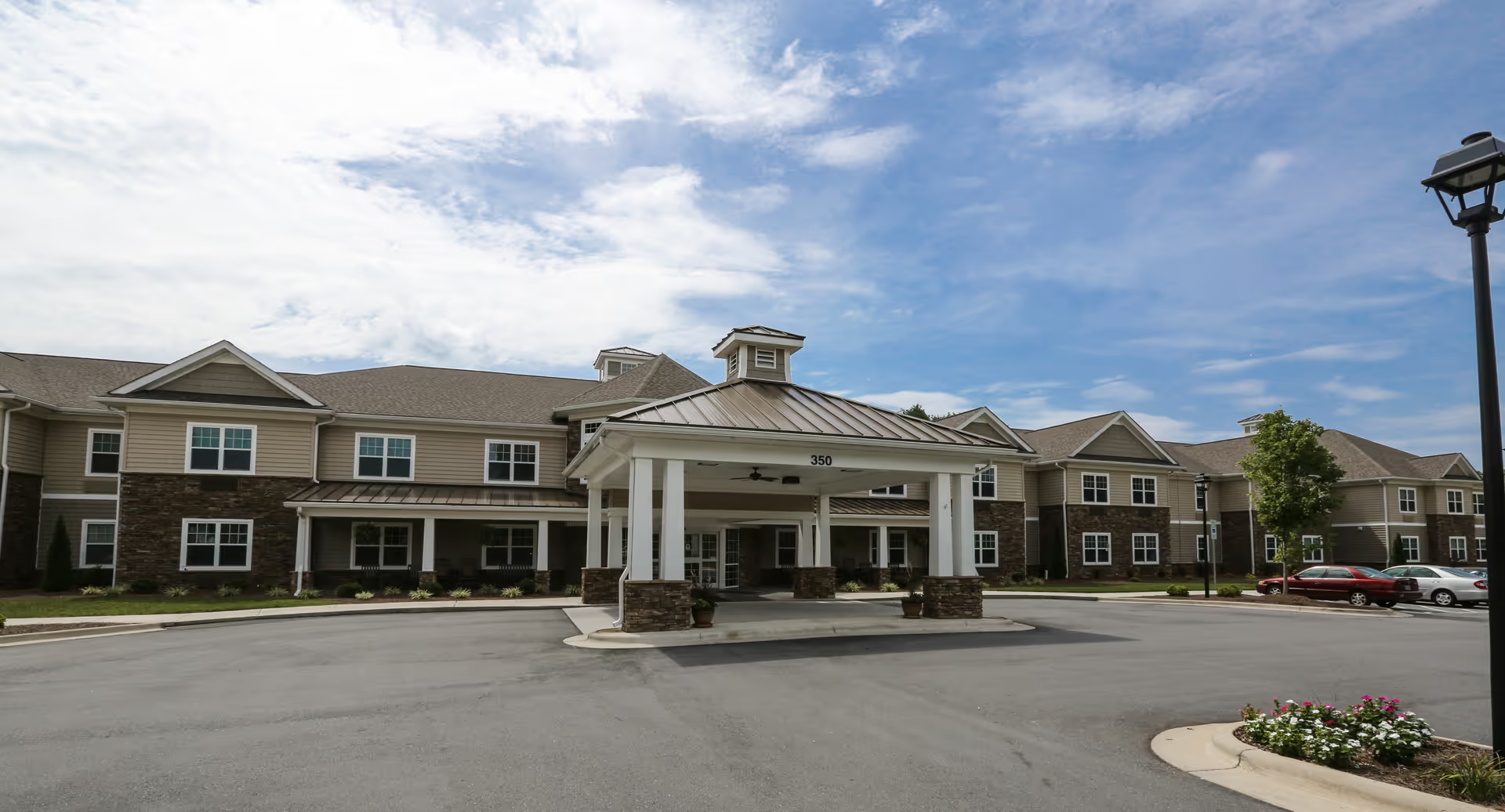
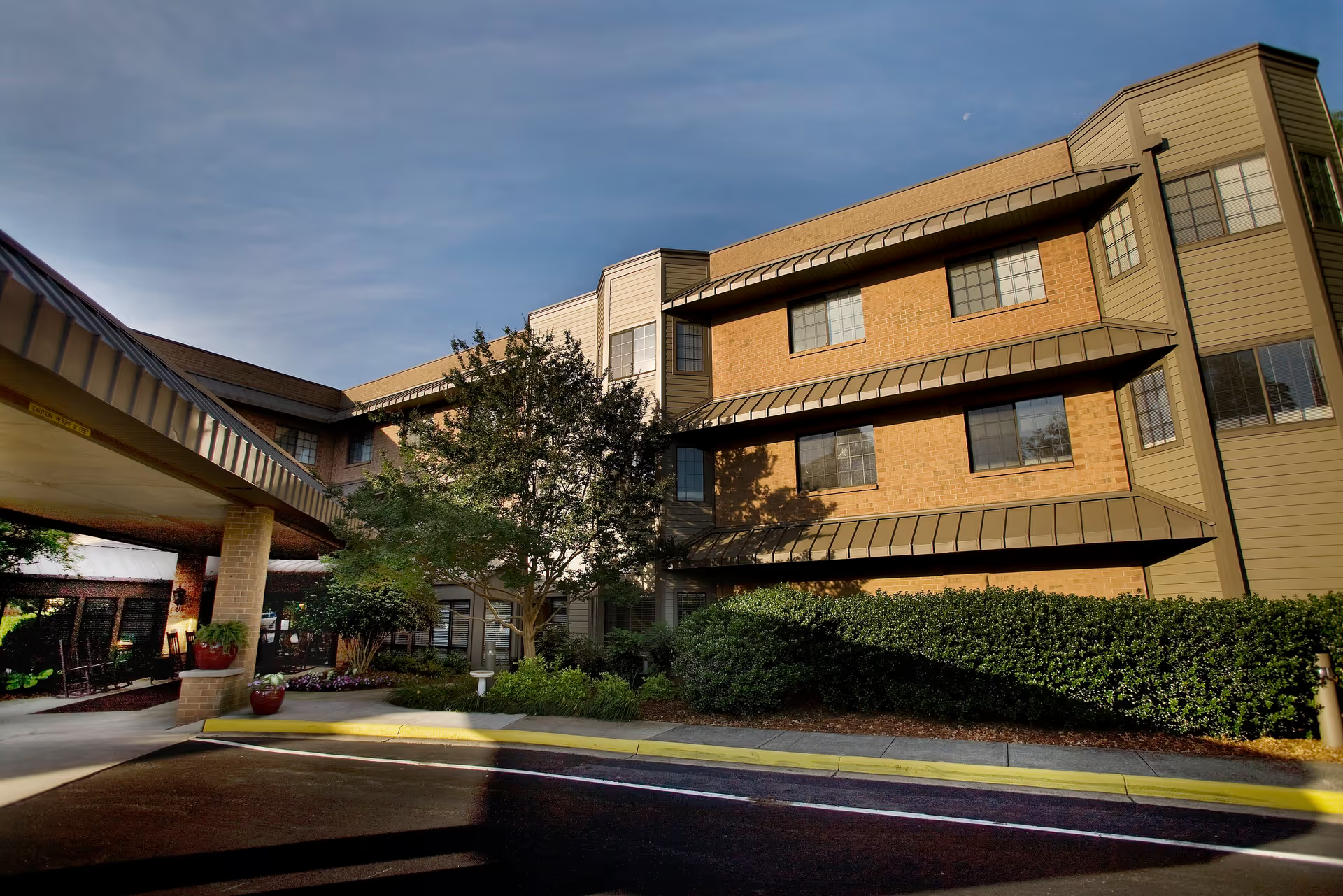
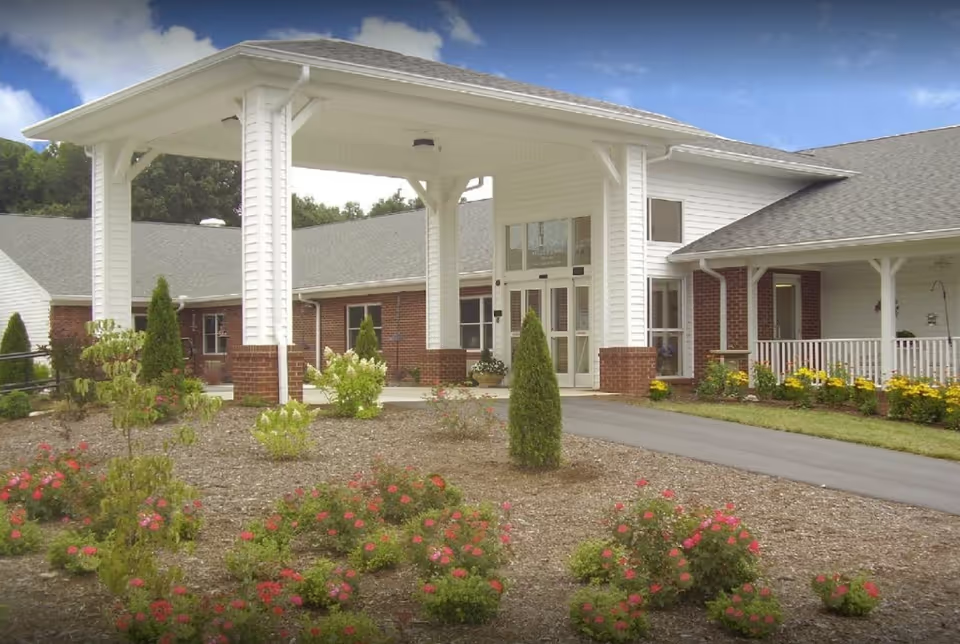
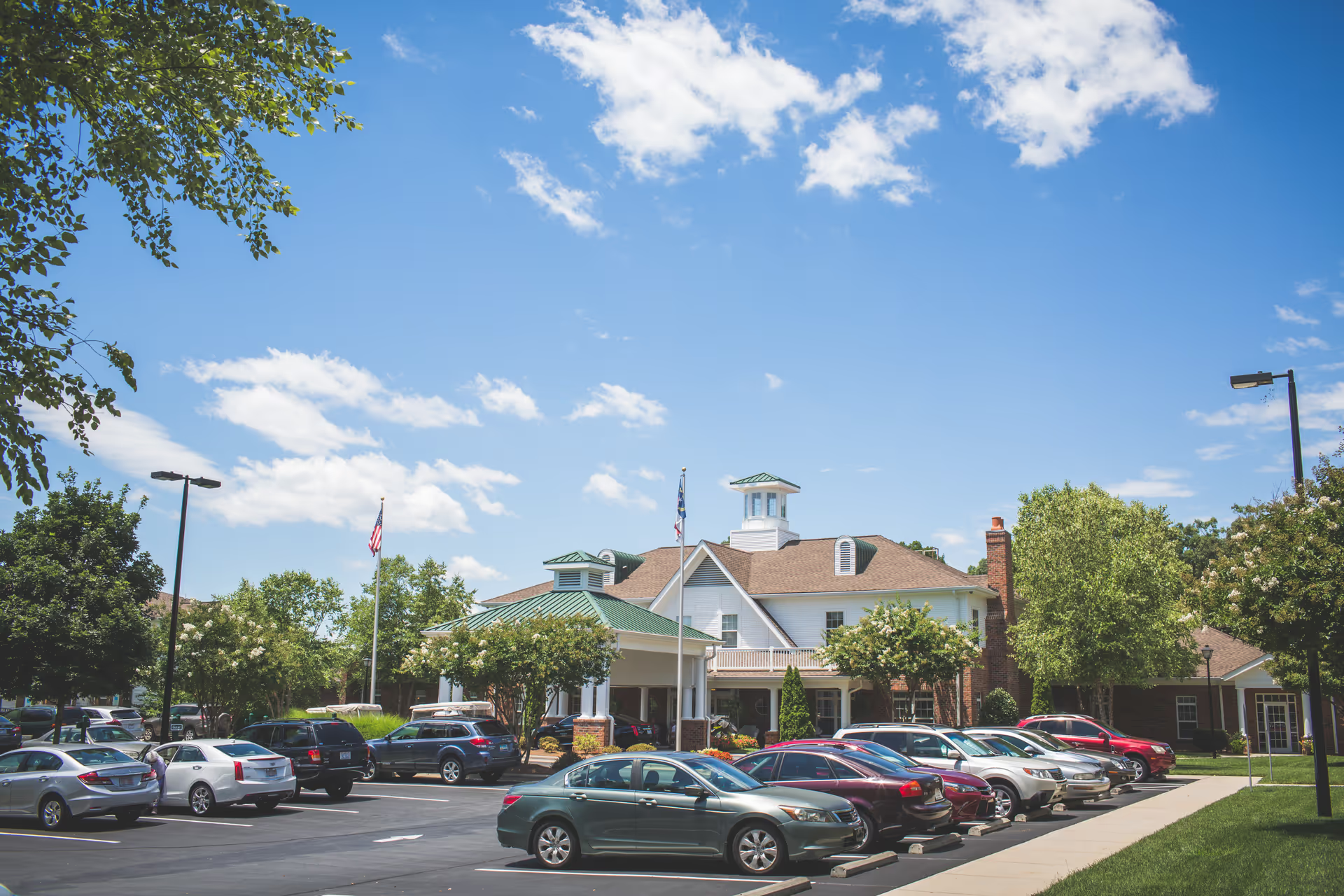
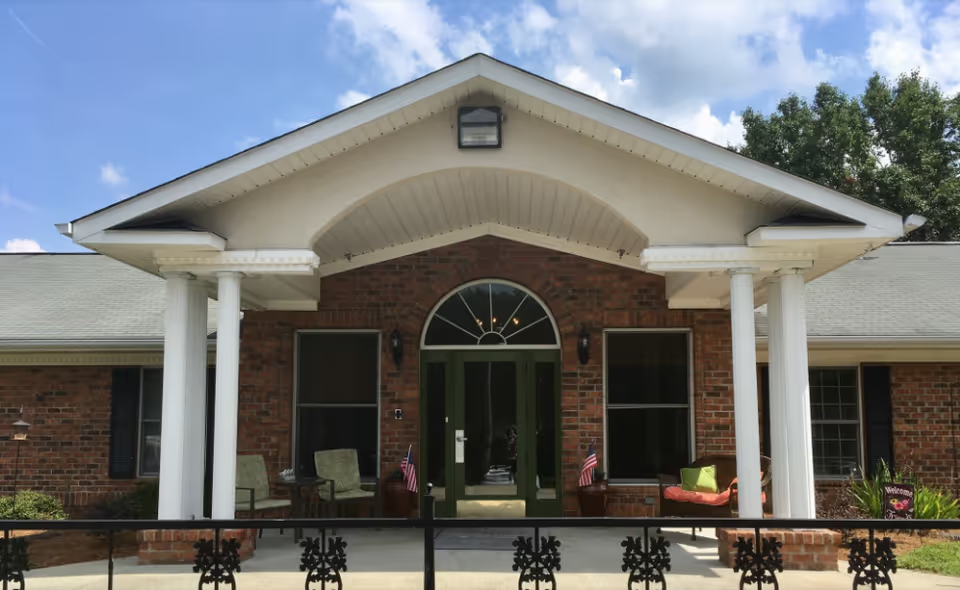
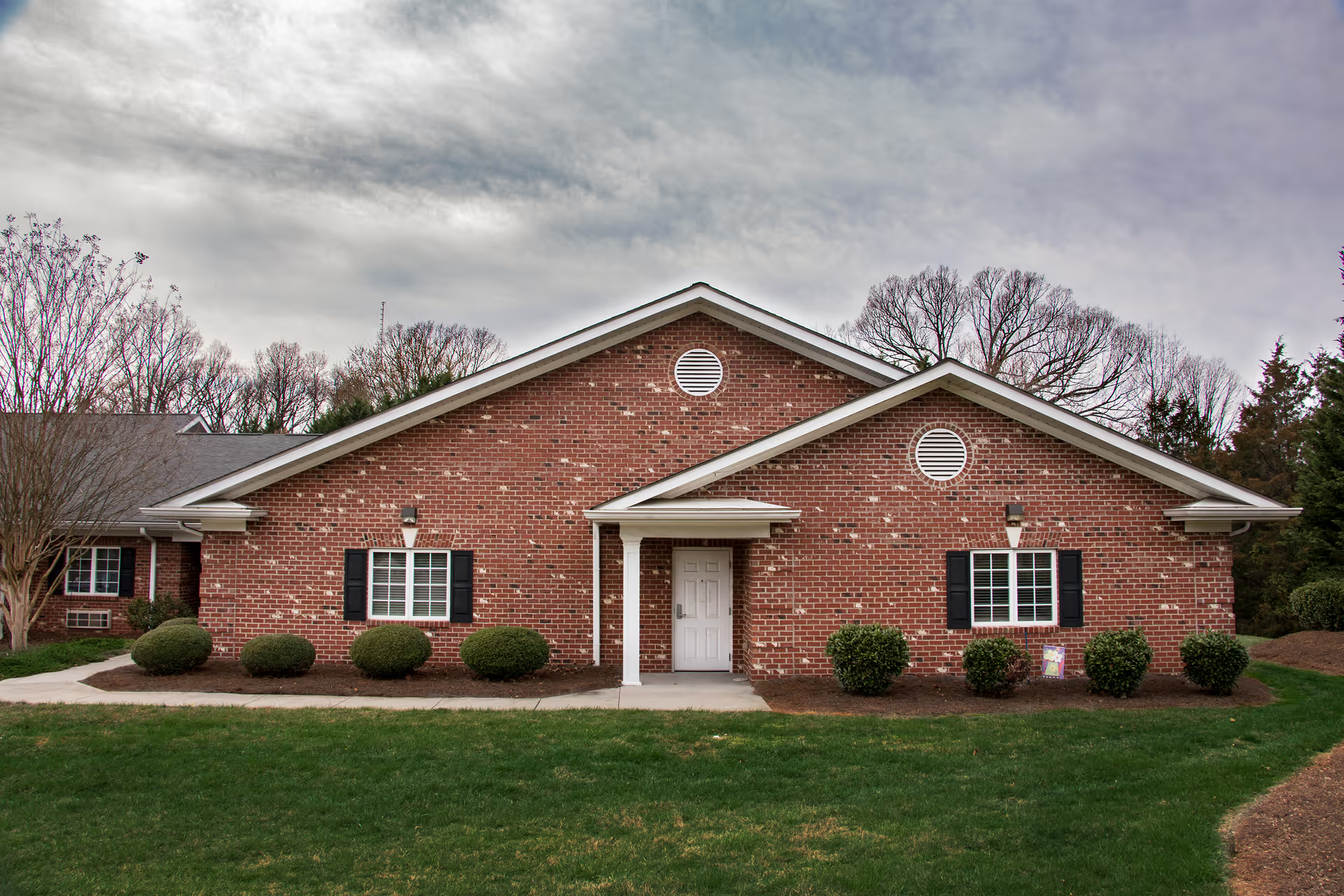
The reviews of Mill Creek Center for Nursing and Rehabilitation describe a highly mixed experience: several consistent strengths coexist with recurring operational weaknesses. The facility is repeatedly praised for its rehabilitation program; families and residents frequently cite strong physical, occupational, and speech therapy services and many reviews single out therapy staff and managers for effectiveness and positive outcomes. Admissions and front‑desk staff are often described as helpful and communicative, and the activities program, dietary manager, and some nursing/CNA teams are credited with providing a welcoming, recovery‑oriented environment. The property also has tangible assets noted by reviewers — a new first‑floor wing with private rooms, well‑kept grounds, and clean common areas — which contribute to favorable impressions for some residents.
Care quality descriptions are polarized. Positive accounts emphasize attentive nursing, effective wound care, and individualized recovery plans; negative accounts focus on delays in clinical response, documentation gaps, and examples of inadequate oversight (including concerns about skin integrity and timely medical evaluation). A recurring pattern ties care variability to staffing: chronic understaffing and reliance on agency staff appear to correlate with slower response times, missed or delayed care tasks, and uneven adherence to care plans. Several families also described difficulties reaching on‑call physicians or getting timely decisions escalated, which amplified clinical concerns.
Staffing and conduct observations are mixed. Many reviewers praise individual caregivers as kind, diligent, and dedicated; others describe inconsistent professionalism, limited training in some shifts, and problematic communication tone. Call‑light responsiveness and inter‑staff communication are frequent pain points: families report confusion around discharge timing, poor handoffs between CNAs, nurses, social work and reception, and variable follow‑through on promised replacements or repairs. Supply and logistics issues — intermittent linen shortages, missing supplies, and room‑preparation inconsistencies — were also cited as operational problems that affect day‑to‑day care.
Dining and activities receive generally positive mentions, with several reviewers noting accommodating menus, flavorful meals for some residents, and an activities director who provides engaging programming. However, there are also comments about inconsistent meal quality and limited activity accessibility for higher‑acuity residents; some residents with greater care needs reportedly participate less or require adapted programming.
Facility condition impressions vary by area: public spaces and grounds are often described as well maintained, while private rooms and move‑in preparation show greater variability. A subset of reviews raised pest‑control concerns and sanitation or cleanliness issues in some rooms, and a number of reviewers noted cosmetic needs in parts of the building. Noise and tight room layouts were mentioned as environmental drawbacks for those in shared accommodations.
Management and administration elicit both praise and criticism. Admissions staff and certain administrators earn positive marks for customer service and coordination, yet reviewers also point to organizational weaknesses: delayed responses to family inquiries, missed follow‑up, and unclear escalation pathways. Serious allegations — including claims of theft and contested eviction or billing practices — appeared in a small number of reviews; families noted intentions to contact ombudsman or regulators in response. These allegations warrant direct inquiry from prospective families and, if present, further investigation by oversight bodies.
Overall, Mill Creek demonstrates notable strengths in rehabilitation services, several committed individual staff members, and positive communal spaces. At the same time, persistent operational challenges — primarily staffing variability, care‑coordination gaps, inconsistent housekeeping/sanitation in some rooms, and communication breakdowns — contribute to highly variable family experiences. Prospective residents and their families should plan an in‑person tour that includes inspection of a prospective room, direct questions about staffing ratios and agency use, clarification of clinical escalation and physician‑on‑call procedures, review of housekeeping and pest‑control protocols, and observation of mealtime and activity programming to assess fit and consistency.