Overall impression: Reviews present a mixed but coherent picture. Many families and residents emphasize strong direct caregiving, a home-like environment, and robust social opportunities in the assisted-living areas. At the same time, a set of recurring operational issues — primarily around housekeeping, memory-care programming, and administrative responsiveness — temper those positives.
Care and staff: Numerous accounts praise attentive, compassionate caregivers who provide timely assistance with dressing, bathing, and other activities of daily living. Several families described the caregiving team as competent and dignity-focused, and 24-hour care availability is highlighted as a key reassuring feature. However, reviewers also raised concerns about inconsistent staff responsiveness (including delays in responding to calls), night-shift attentiveness, and turnover among med techs and direct-care personnel. These operational staffing patterns appear to produce variability in the day-to-day resident experience.
Dining: Dining staff are frequently described as present and helpful, and the facility offers varied menu selections with cafeteria-style service that many residents enjoy. Positive accounts reference good variety and supportive dining assistance. Conversely, some observers noted inconsistent food quality and a few instances of unremarkable meals, indicating variability in dining execution rather than a universal shortcoming.
Activities and memory care: The assisted-living schedule is typically active, with games, outings, crafts, nail services, spiritual visits, and other engagement opportunities that families appreciated. A notable gap is the memory-care unit, which several families said receives less stimulation and fewer tailored activities; programmatic support for residents with cognitive impairment appears uneven and could be strengthened, particularly around music and reminiscence-based engagement.
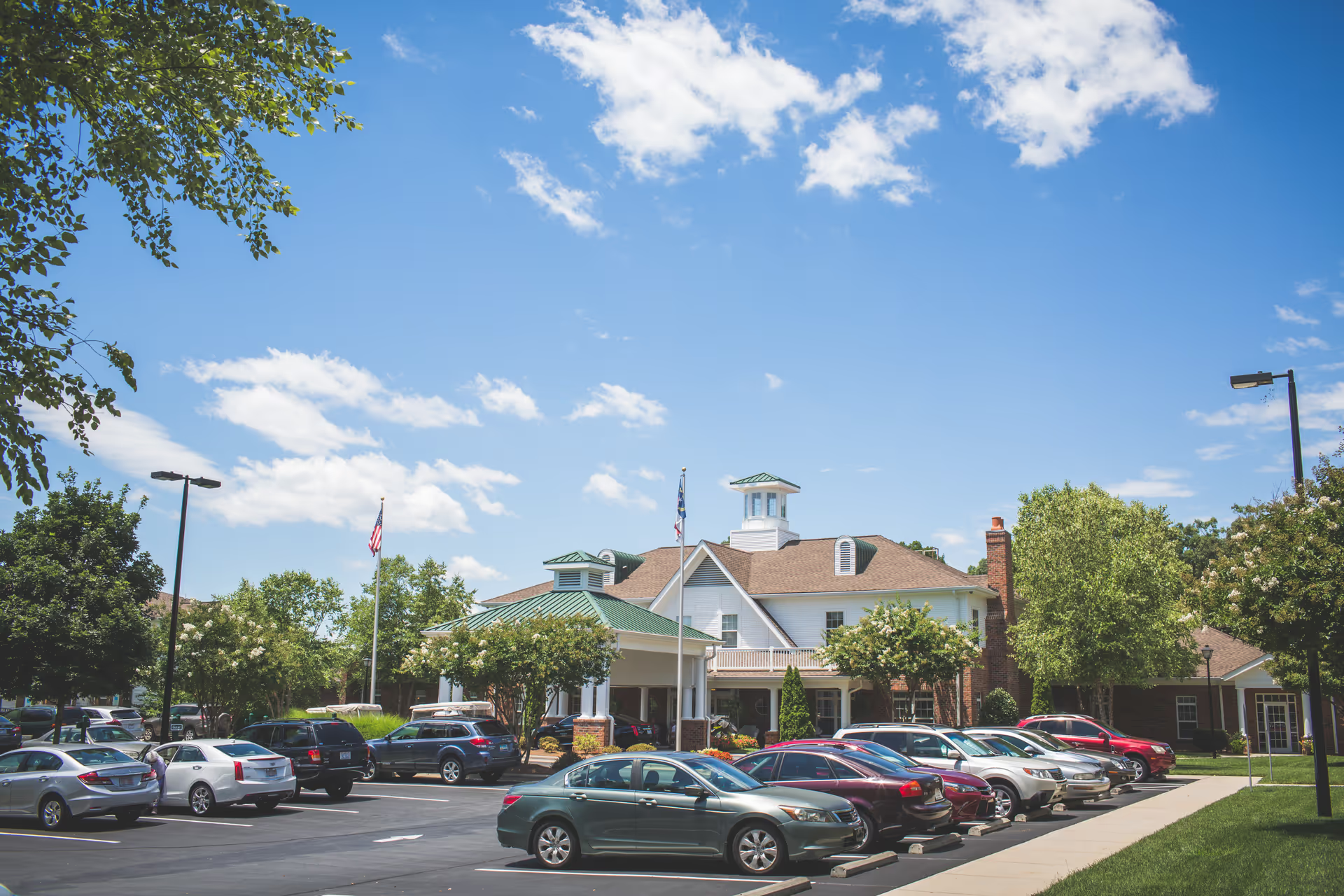
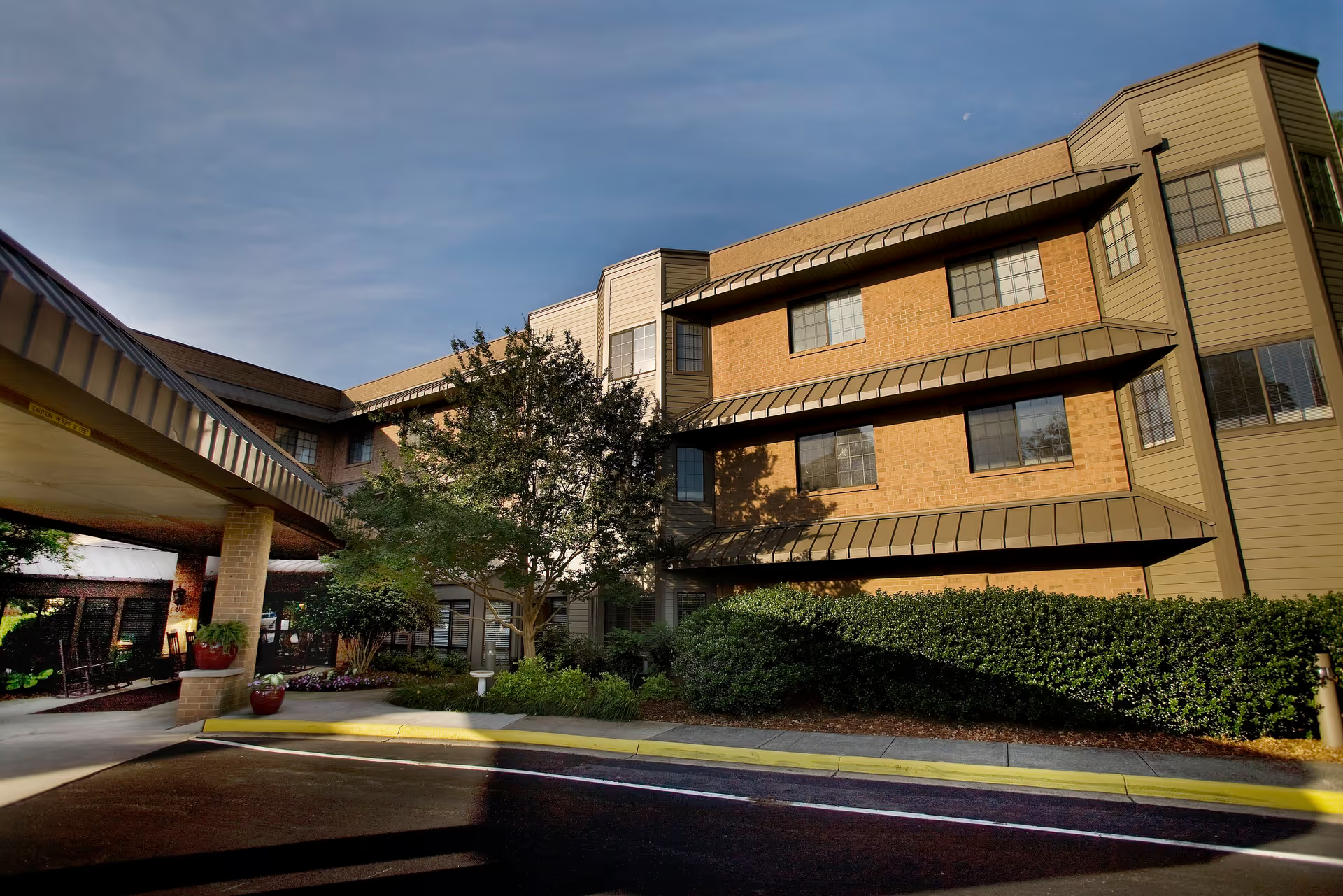
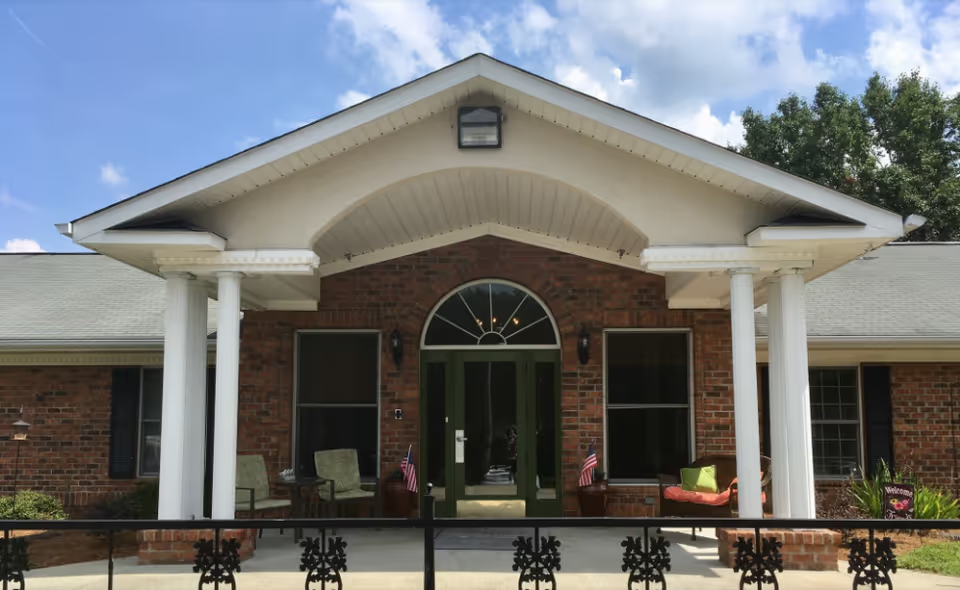
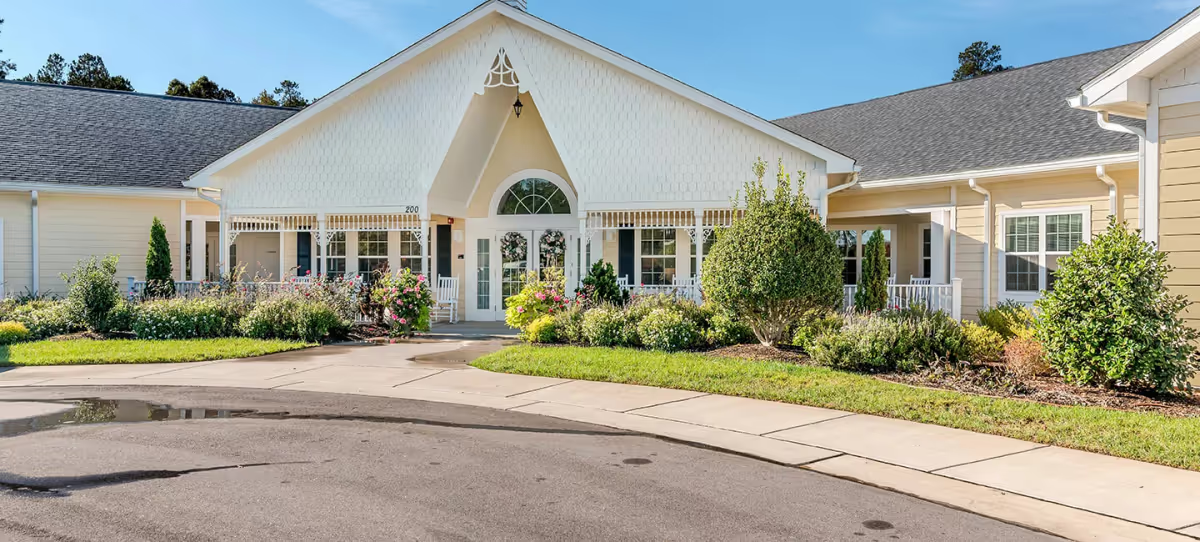
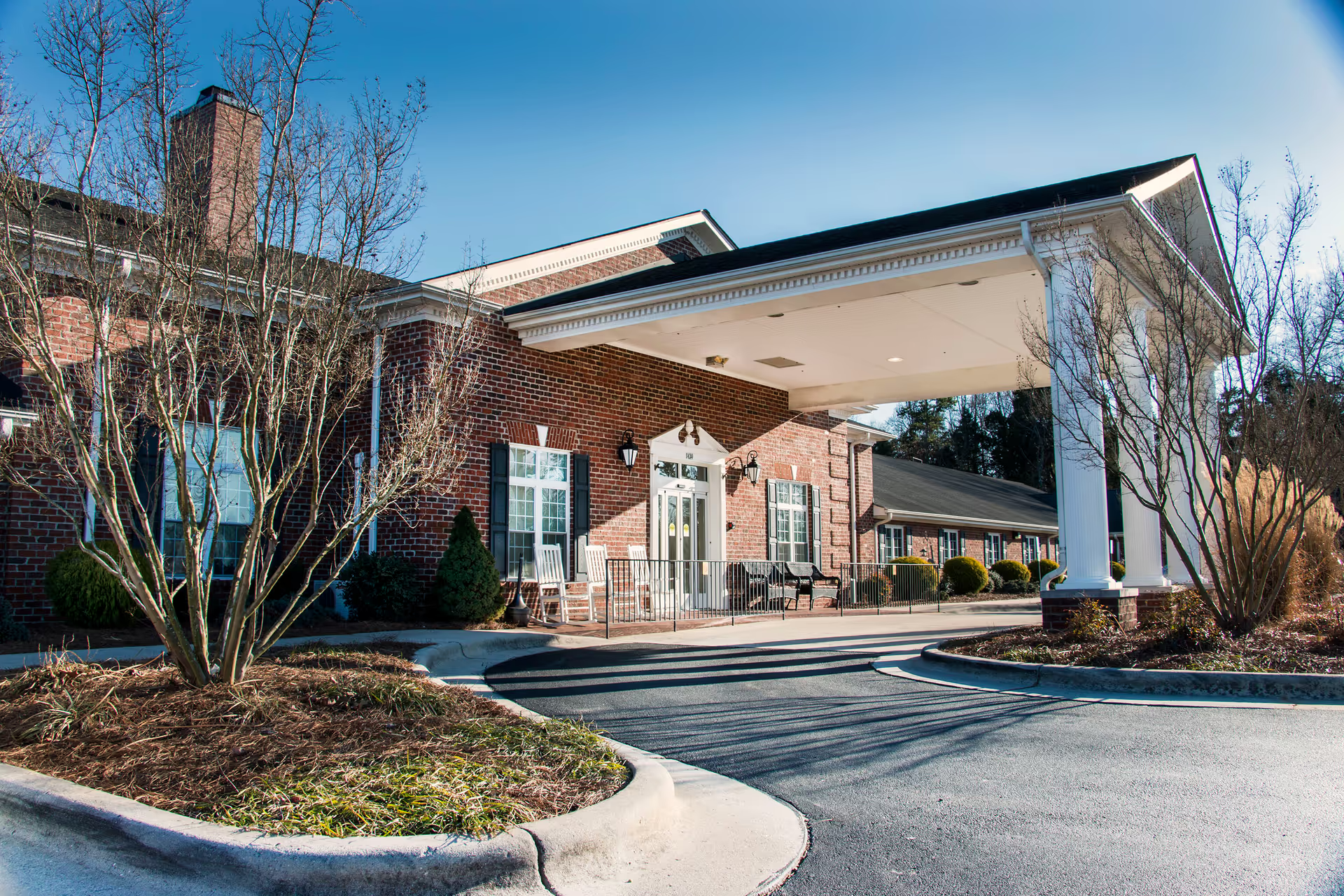
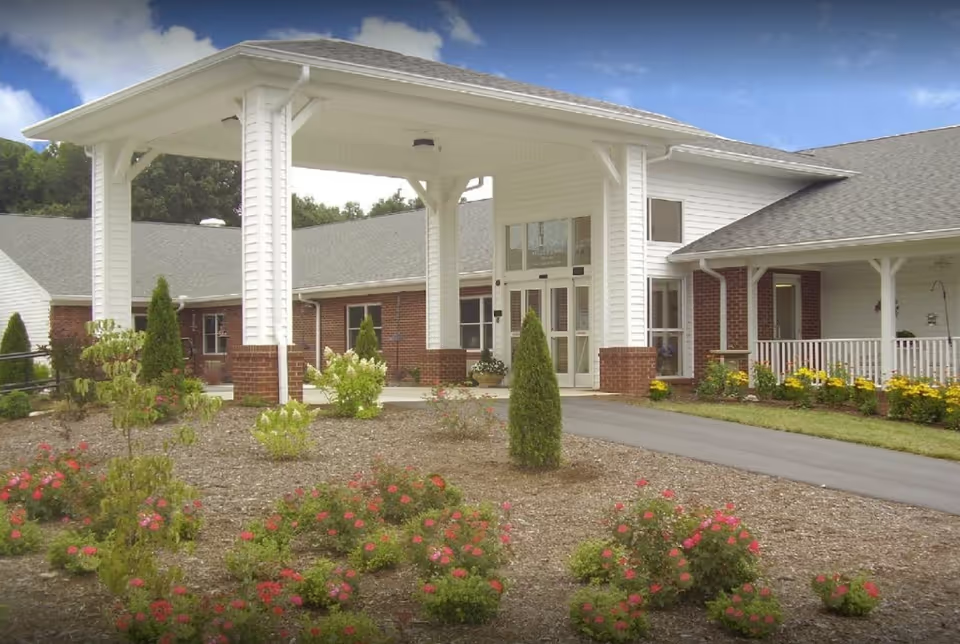
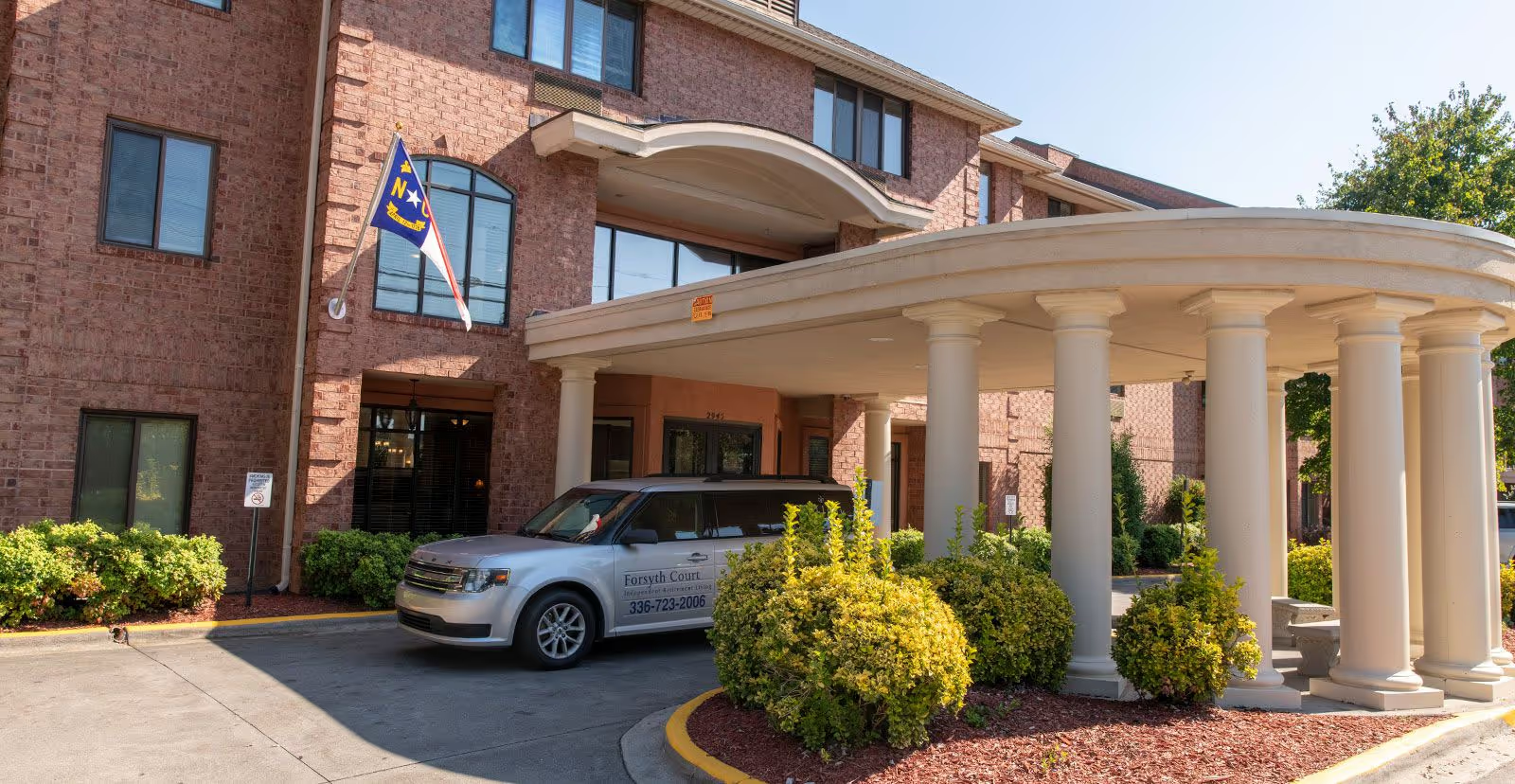
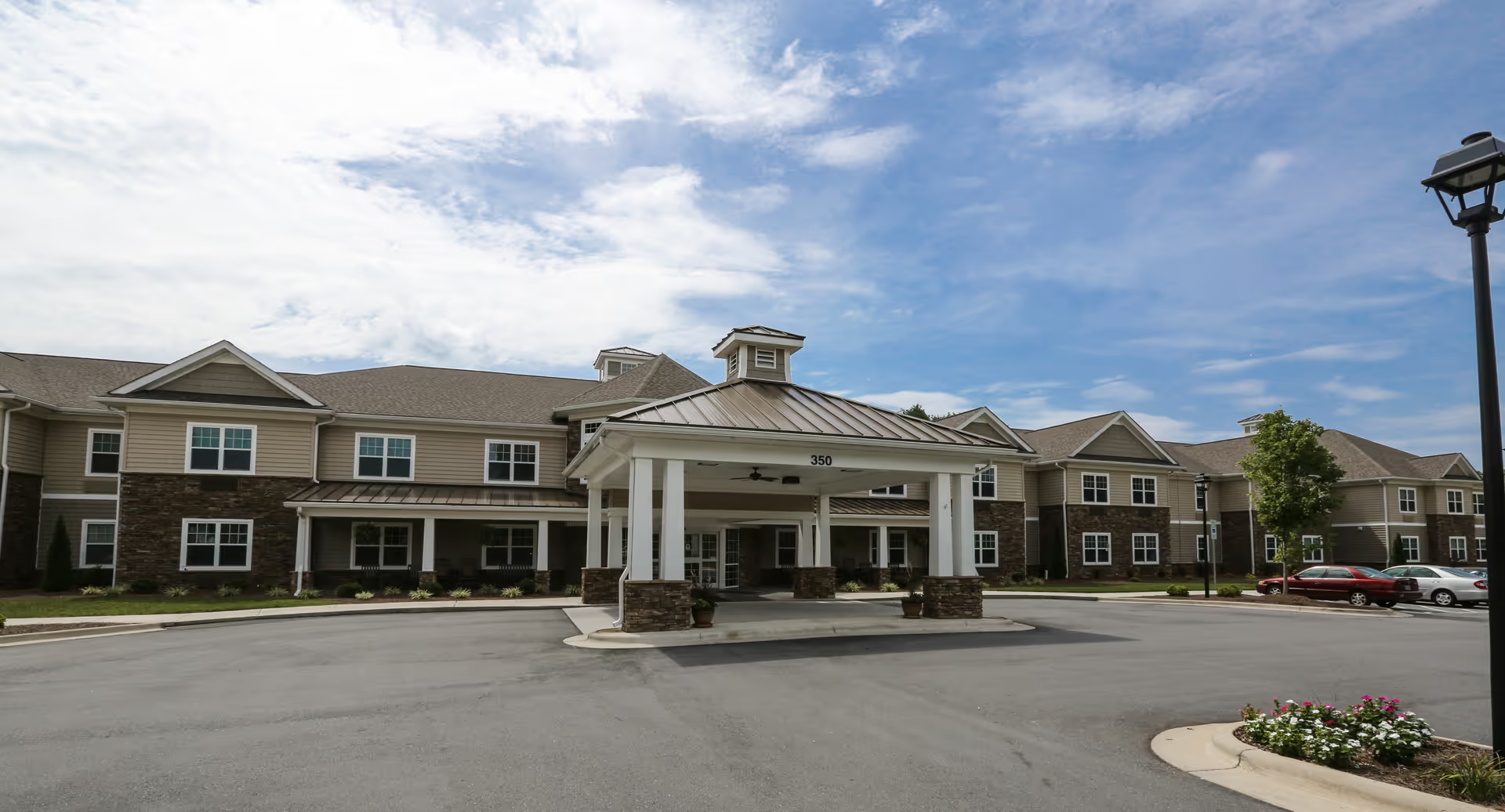
Facilities and housekeeping: Many reviewers described the facility as extremely clean, well maintained, and pleasant smelling, contributing to residents' comfort and family confidence. Opposing accounts raised sanitation concerns, odor concerns in some areas, and reported instances where housekeeping coverage was inadequate. There is also at least one account of a pest-control incident that was addressed; nonetheless, that event contributed to lingering concerns about pest-control practices and response documentation.
Management and operations: The administrative experience is mixed. Positive notes include proactive communication, an available administrator after hours, and family-friendly visitation policies. At the same time, reviewers flagged front-desk staffing gaps, difficulty reaching the main phone number, inconsistent phone etiquette, billing and charge inaccuracies, and occasional disorganization. There are also reports of personal belongings not being tracked or located promptly, suggesting weaknesses in property-management processes.
Notable patterns and practical advice: The dominant pattern is polarization — strong praise for the caregiving and social environment paired with recurring operational and administrative shortcomings. Prospective residents and families should observe both clinical and operational aspects during a visit: ask about staffing levels (including night shift), housekeeping schedules and pest-control history, memory-care-specific programming, property-tracking procedures, med-tech turnover, billing reconciliation practices, and how the facility maintains activities during infection-control events. Watching a mealtime and an activity, and checking how quickly staff respond to a call or a simple request, can help clarify how the facility will meet an individual resident’s priorities.