The collected reviews present a highly mixed picture of care at this facility. Many families and patients praised individual clinicians and departments — notably physical and occupational therapy teams, a wound‑care physician, and several named nurses and case managers — for effective rehabilitation, clear explanations, and compassionate, resident‑centered support. Admissions and placement staff, social work, and activity leadership also received frequent commendation for helping residents settle in, arranging follow‑up, and keeping people engaged with meaningful programming and community involvement.
Counterbalancing these positives are recurring operational concerns. A consistent theme is uneven clinical responsiveness: delayed responses to call bells, slow administration of scheduled medications, and inconsistent attention to incontinence‑care and hydration needs. Several reviews describe medication and identification errors, suggesting gaps in medication‑administration and resident‑identification processes. Safety practices related to fall prevention and the use of bed/rail/alarms were also flagged as inconsistent, and a subset of families reported delayed emergency response in critical situations. These items indicate variability in day‑to‑day clinical reliability rather than uniformly poor performance.
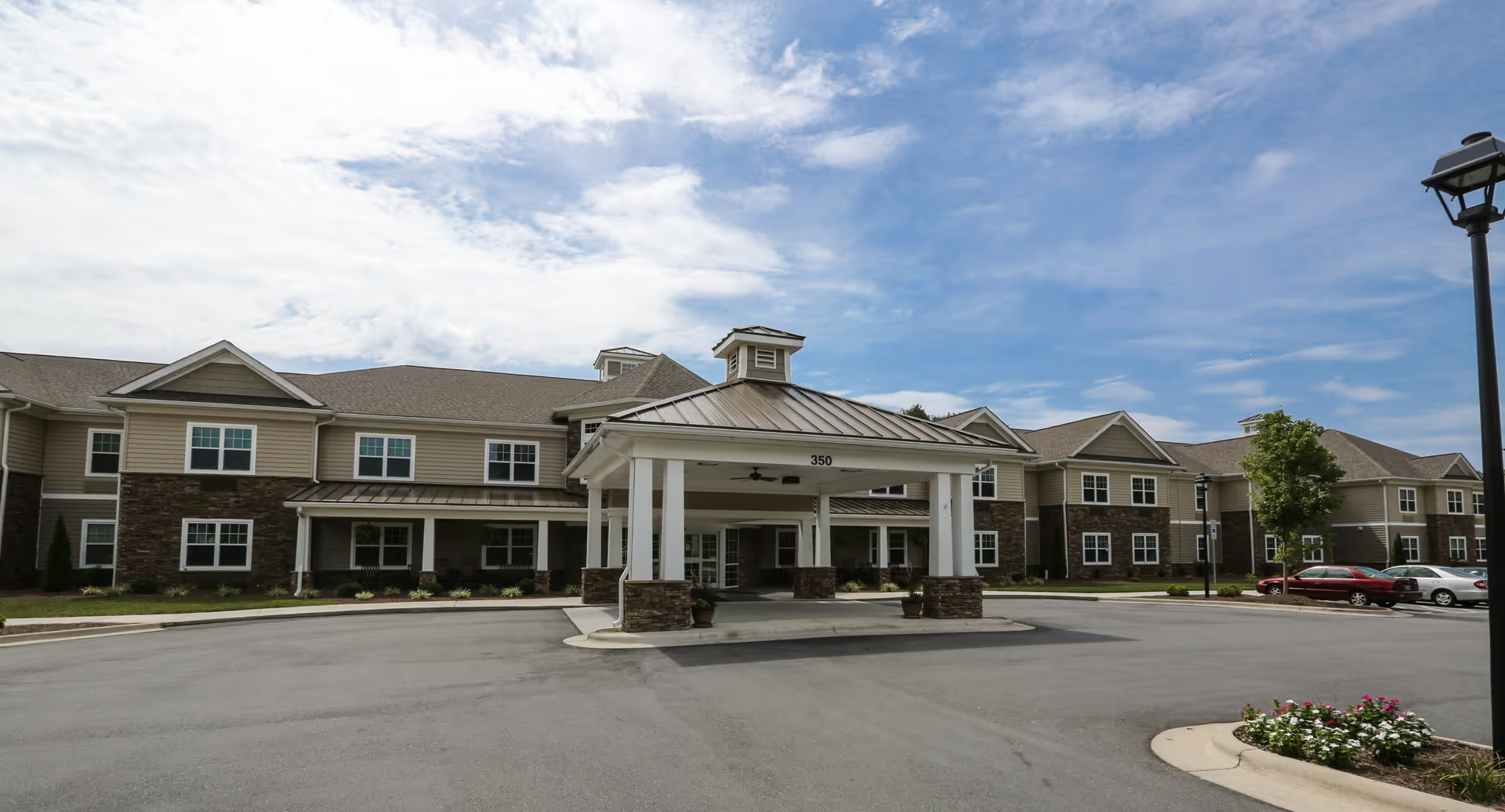
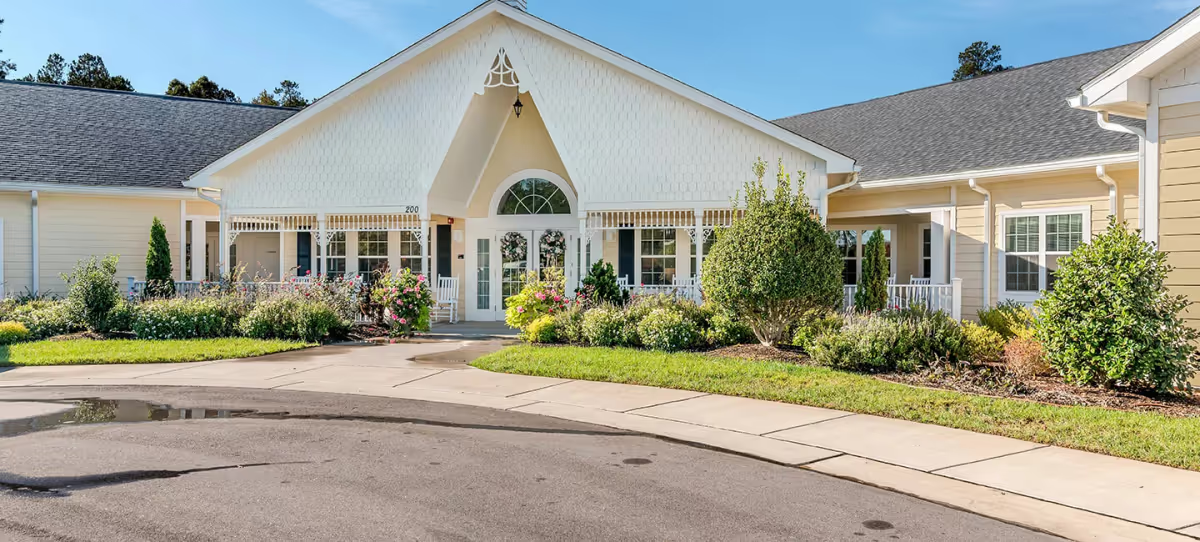
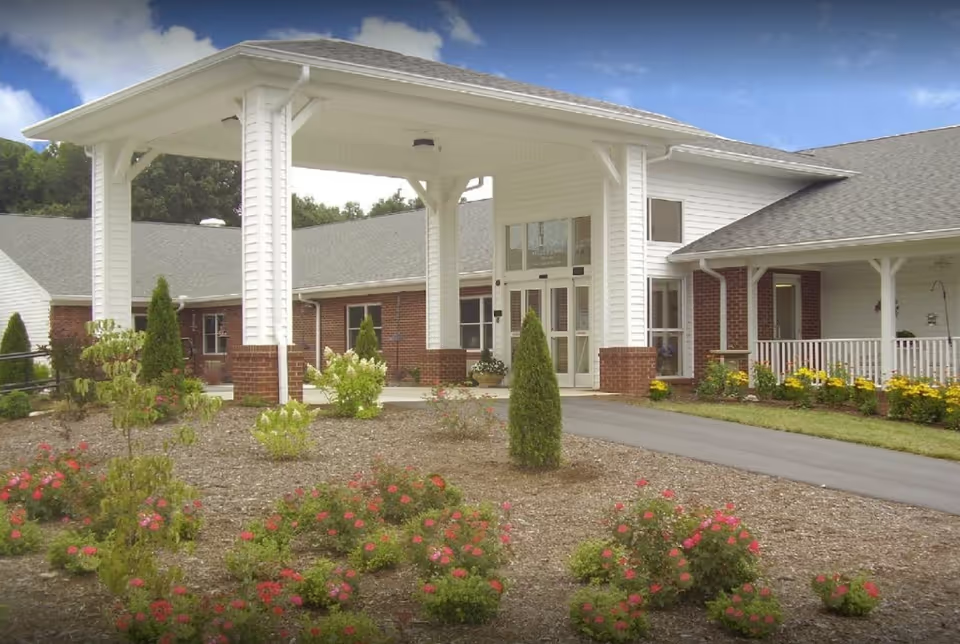
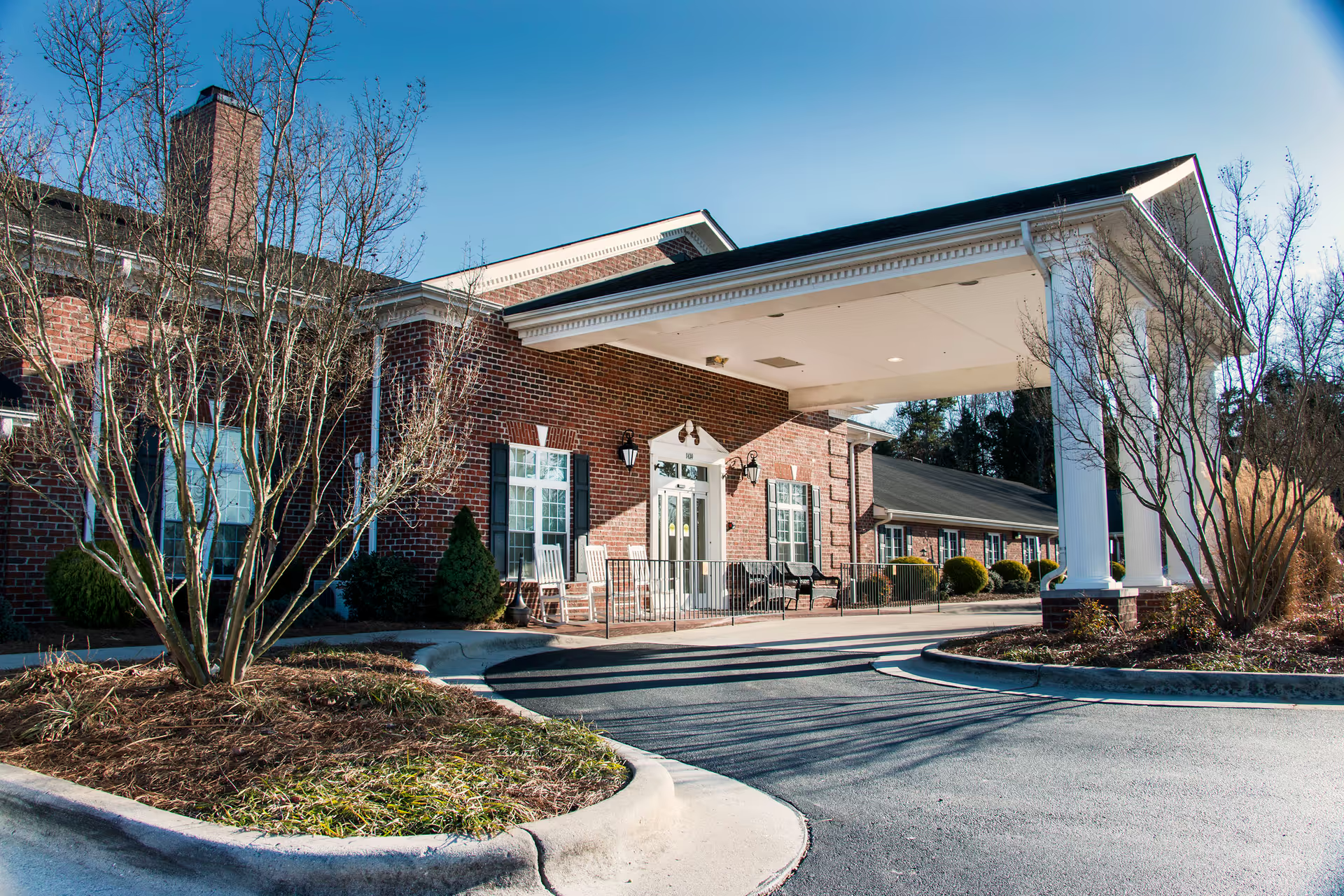
Dining and housekeeping were described as highly variable. Some reviewers noted improved meal offerings and clean, renovated common areas such as the lobby and dining room. Others reported late or missed meal service, small portions, and intermittent sanitation or odor concerns on particular units. Facility maintenance issues were raised, including temperature control inconsistencies, room‑specific maintenance problems, and pest‑control concerns. These patterns suggest that physical plant upkeep and food‑service continuity are uneven across units and shifts.
Staffing, leadership, and culture emerged as polarizing areas. Several reviews praise specific leaders and frontline employees for responsiveness and strong management; others describe high turnover, perceived lack of accountability, delayed or unsatisfactory responses from nursing leadership, and allegations of poor workplace culture. Family communication—especially around significant clinical events and end‑of‑life care—was frequently cited as an area needing improvement. A few reviews reference regulatory complaints or more serious alleged clinical incidents; these comments point to episodes that warrant follow‑up by families and regulators rather than reflecting routine care.
For prospective residents and families, the pattern is one of variability: parts of the facility and particular staff teams provide high‑quality, respectful, and effective care, while other areas exhibit inconsistent practices that affect safety, hygiene, meal service, and communication. If considering this facility, families should ask specific questions about staffing levels on the relevant unit and shift, fall‑prevention and alarm protocols, medication‑administration safeguards, infection‑control and pest‑management procedures, and procedures for family notification during clinical events. Requesting recent inspection reports, speaking with current families on the same unit, and obtaining written documentation of care plans and medication checks may help clarify whether the facility’s strengths align with a prospective resident’s needs.