Overall impression: The Inn at Ashland Woods is consistently described as a clean, well‑maintained, and intimate senior living community with a strong emphasis on personalized, family‑oriented care. Families and residents frequently highlight the warmth and attentiveness of direct-care staff, the consistency of caregivers who learn residents’ names and preferences, and nursing-level communication that keeps families informed. The facility’s small size and home-like design elements (themed hallways, reading nooks) are repeatedly cited as contributors to a welcoming atmosphere and residents’ sense of comfort and safety.
Care and staff: Care quality is a major strength, reflected in descriptions of compassionate, engaged staff and deliberate efforts to individualize rooms and routines. Memory-care programming receives positive mention for staff patience, encouragement of activities, and social engagement features such as on‑site styling, crafts, and dedicated social space. Several accounts emphasize prompt clinical updates from nursing staff and an overall sense that staff act with residents’ best interests in mind. At the same time, reviewers note variability in how certain staff or managers communicate; specific concerns point to inconsistent leadership tone and occasional conduct or training gaps at reception or during onboarding interactions.
Dining and activities: The community offers a broad activity schedule — movie theater viewings, café gatherings, games, happy hours, outings and field trips — that many families associate with improved resident mood and engagement. Dining is generally viewed positively for presentation and daily service, with separate mentions of notable breakfasts and pleasant meal appearance; however, menu variety and food-selection breadth are identified as areas for improvement by some families who would like more choice or diversity.
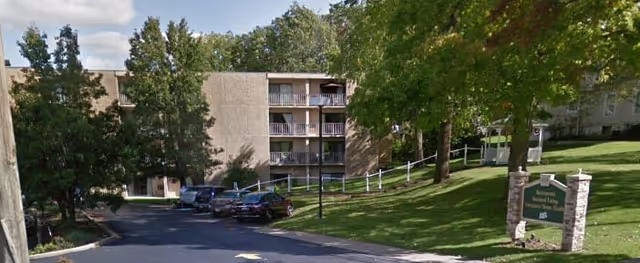
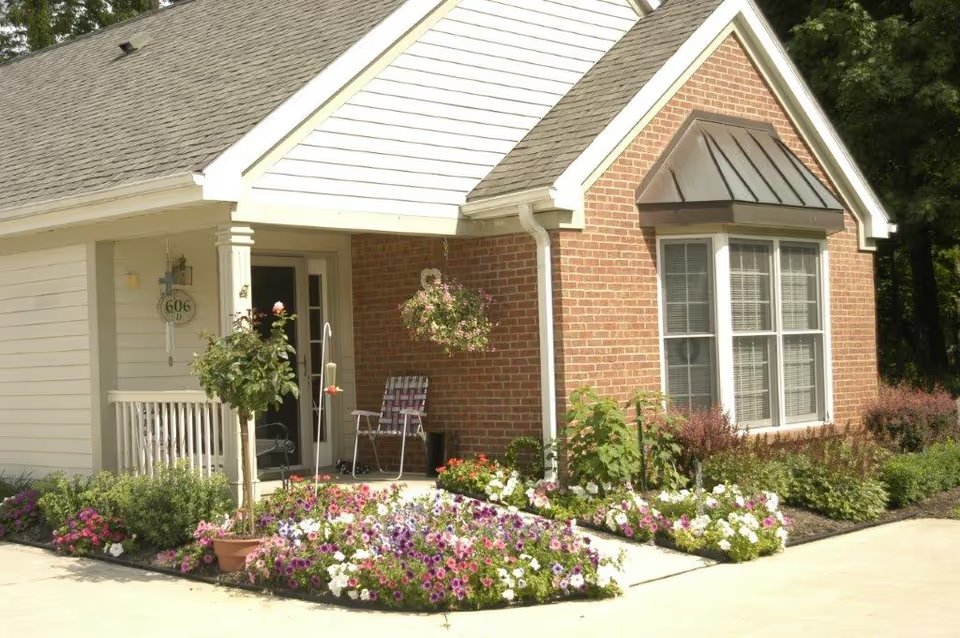
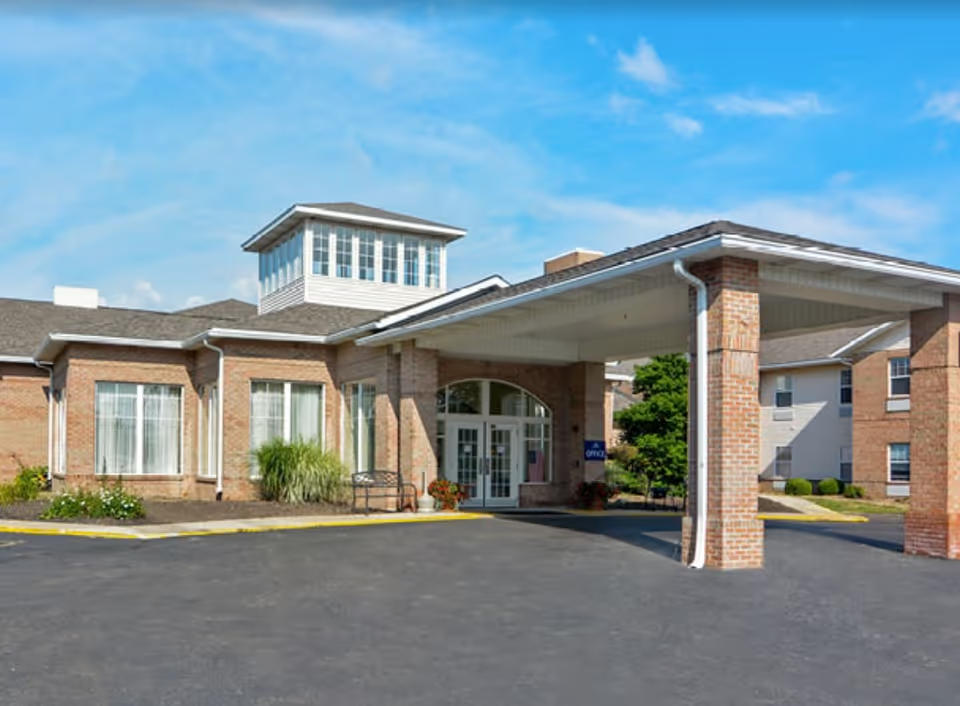
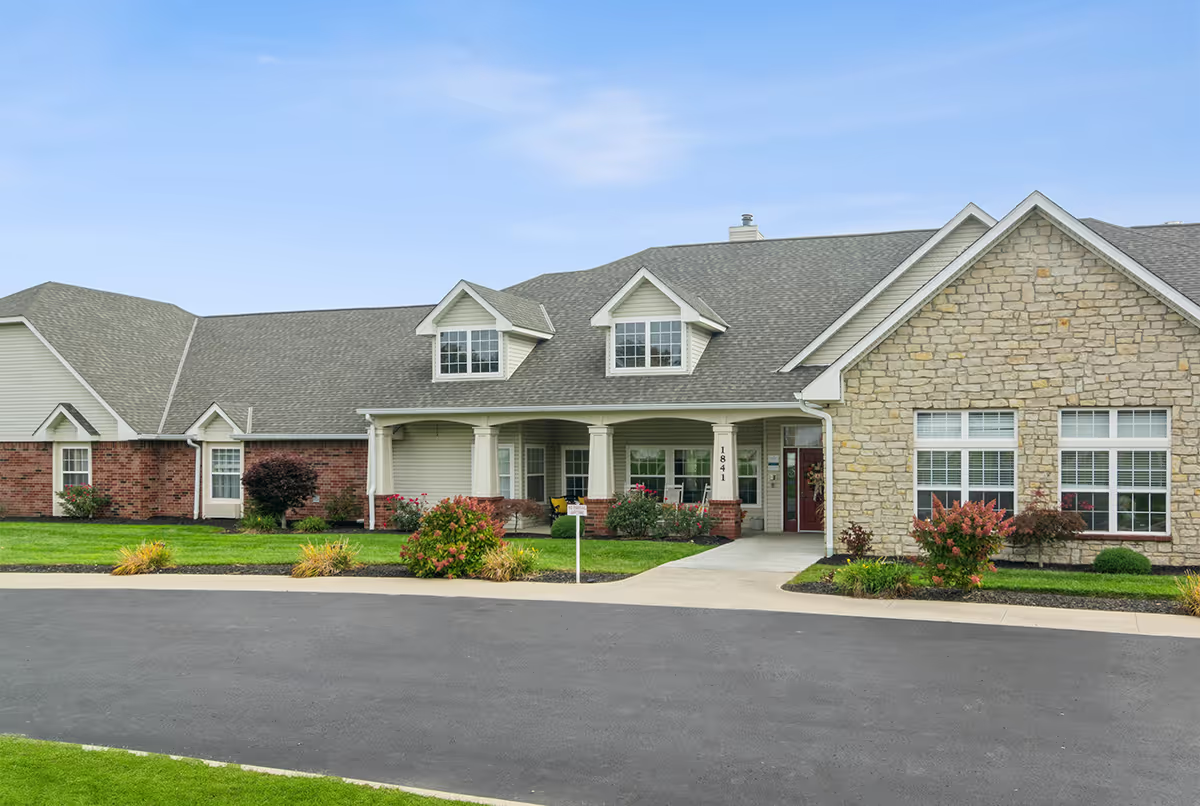
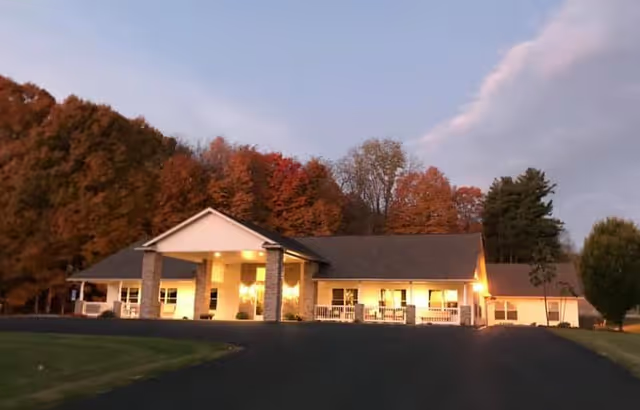
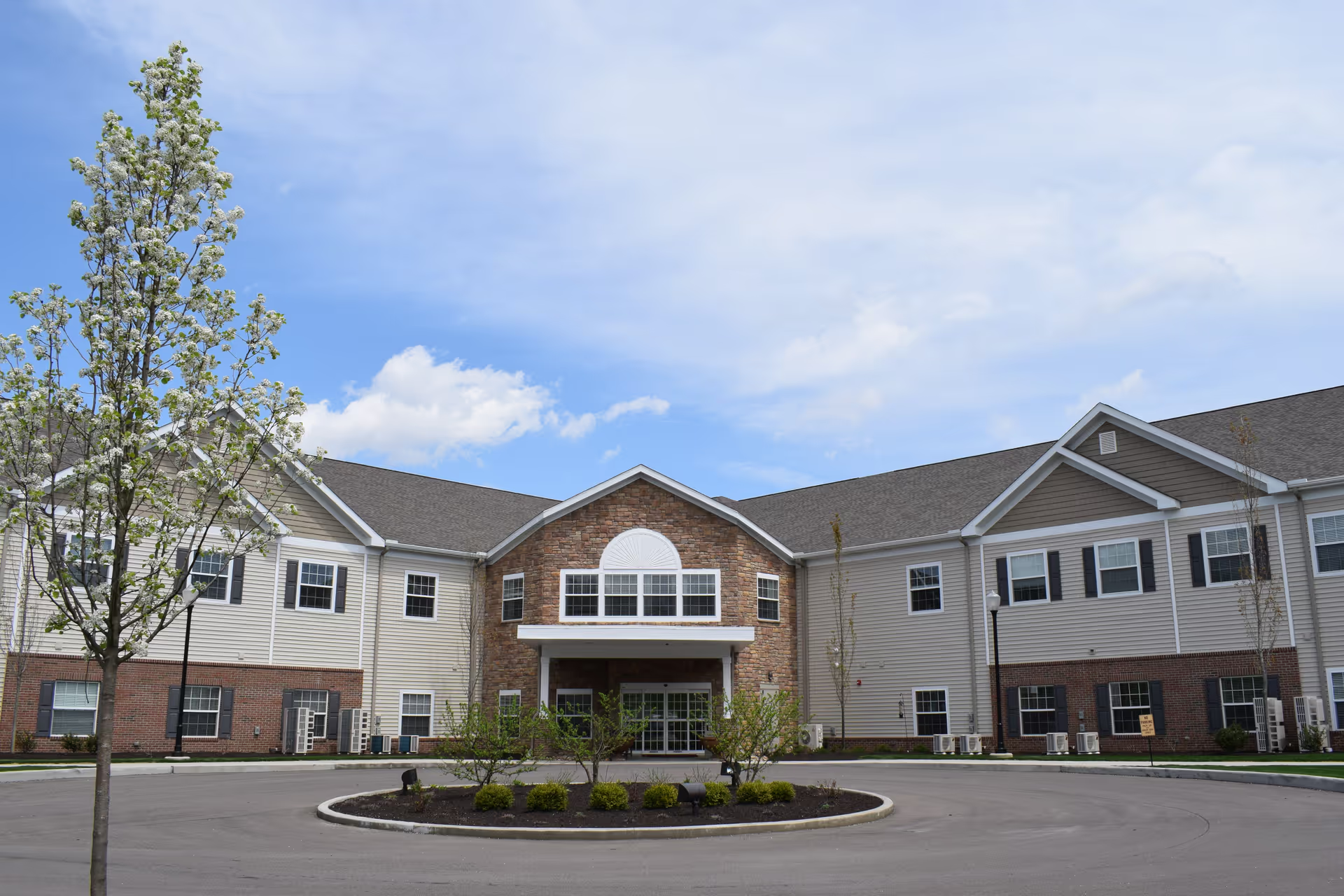
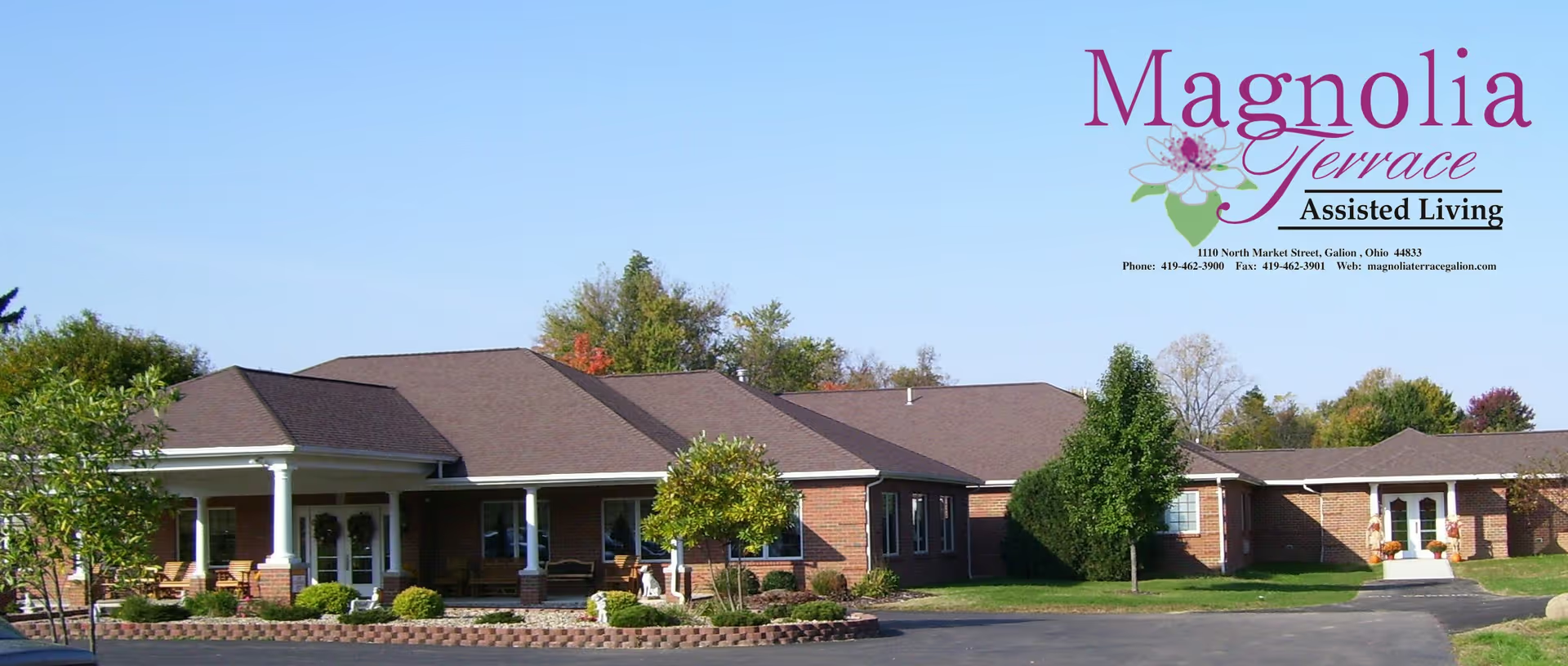
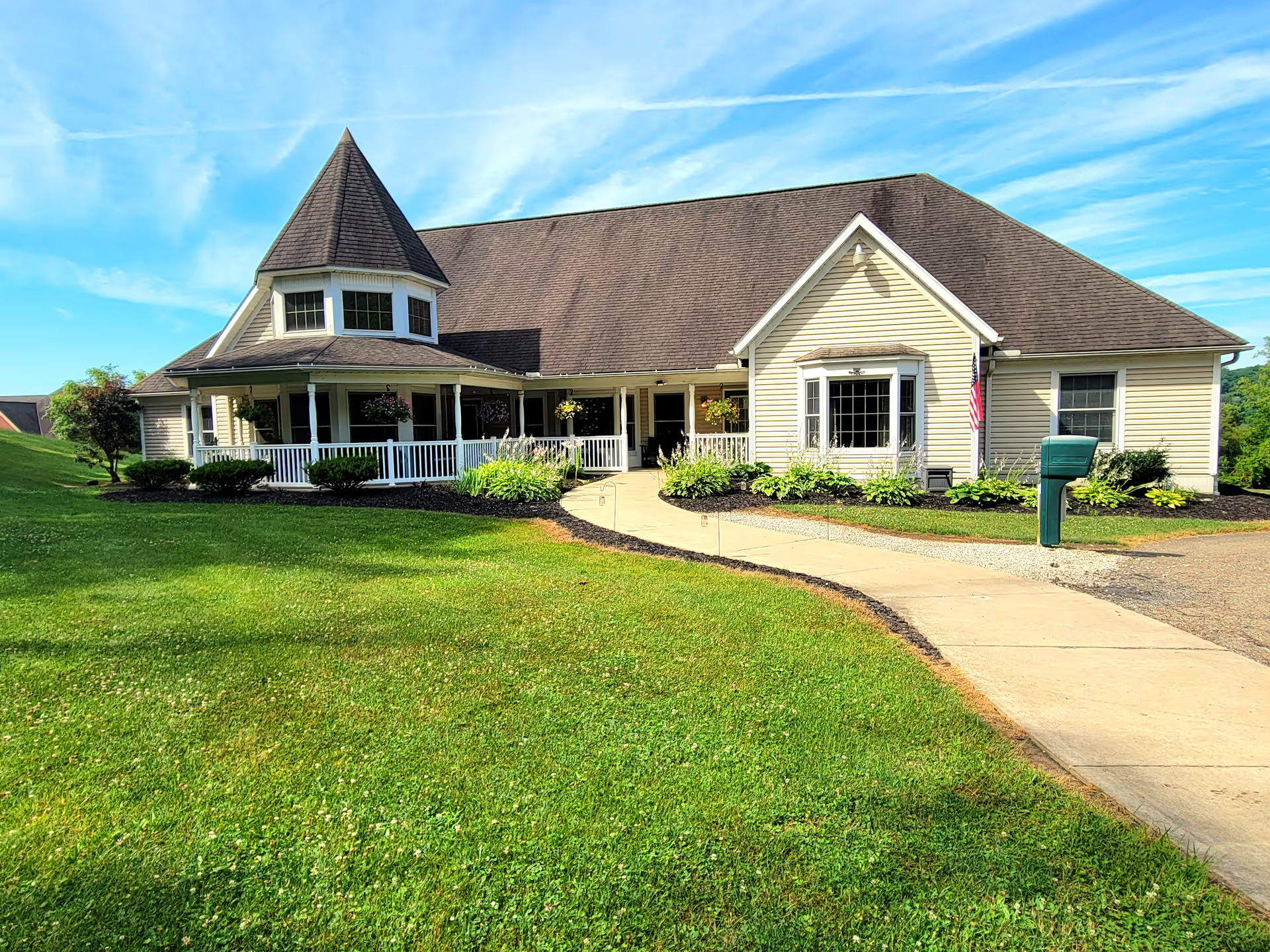
Facilities and practical considerations: The physical plant is described as modern, pristine, and thoughtfully arranged for socialization, with ample common spaces and a generally well‑kept environment. The pet‑friendly policy and smaller community size appeal to families seeking a closer, more personalized setting. Financial considerations arise as a recurring theme: reviewers cite recent rate increases that affect budgeting and recommend prospective residents confirm cost expectations and contract terms. Move‑in experiences vary — some residents report smooth, tailored room preparations, while others note limited assistance and inconsistent onboarding support.
Operational patterns and cautions: Two operational patterns merit attention for prospective families. First, privacy safeguards and room‑entry protocols in memory care warrant specific inquiry; some reviewers described situations that created privacy concerns. Second, the culture around group routines can feel pressuring for residents who prefer a slower adjustment or highly independent lifestyles; prospective residents should ask about how staff balance group programming with individualized pacing. Finally, management communication style and staff training consistency appear variable; speaking directly with leadership about escalation paths, staff turnover, and training practices is advisable.
Bottom line: The Inn at Ashland Woods appears well suited to families prioritizing compassionate, individualized care in a small, activity‑rich, and clean environment. Prospective residents should verify privacy procedures, discuss move‑in assistance, review current menus and pricing trends, and meet frontline staff and leadership to assess fit for residents who are exceptionally active or who prefer a gradual transition into group routines.