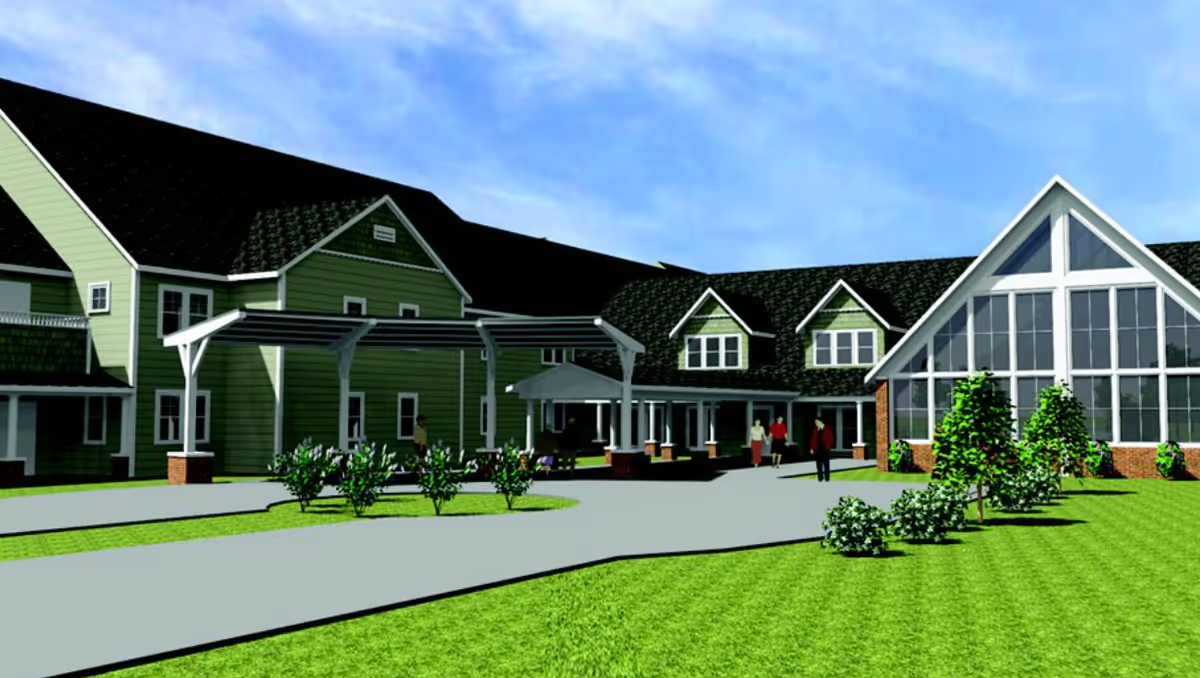
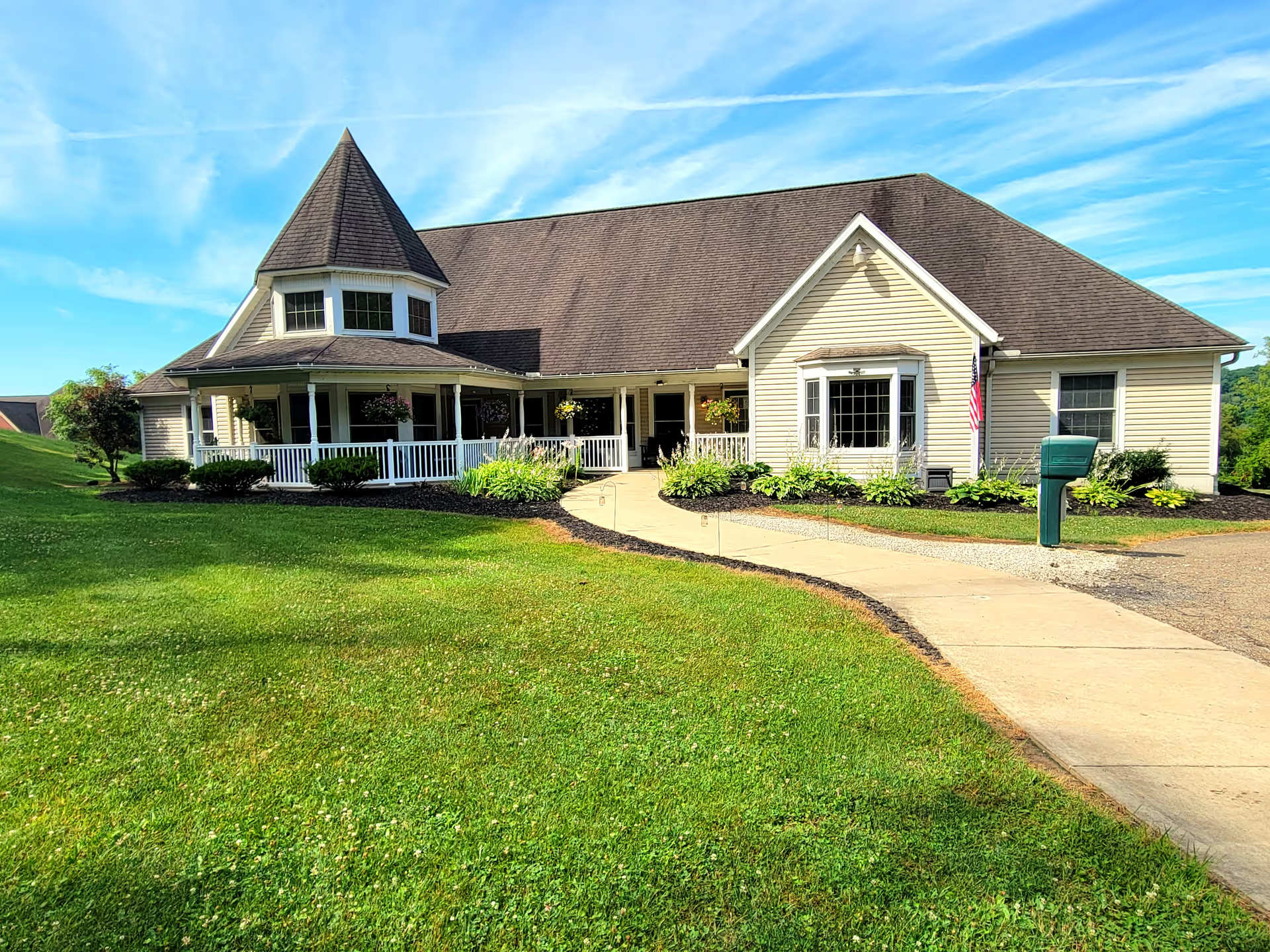
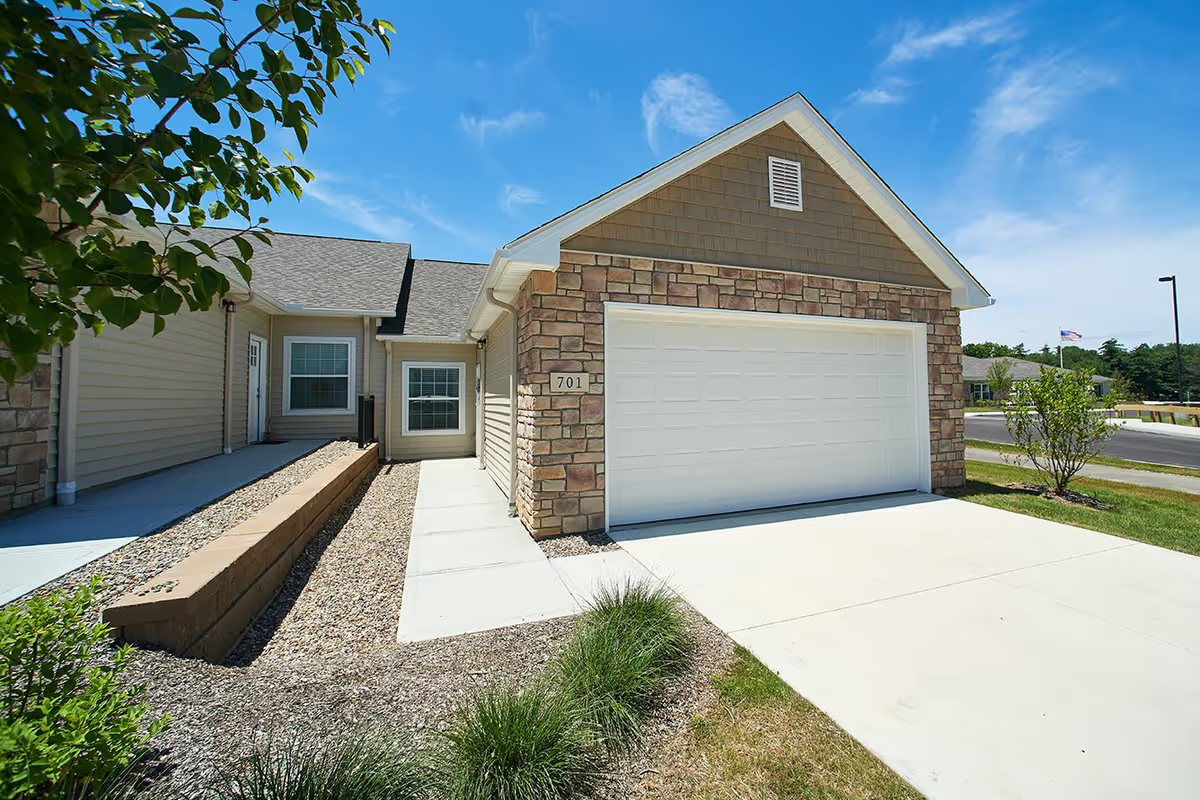
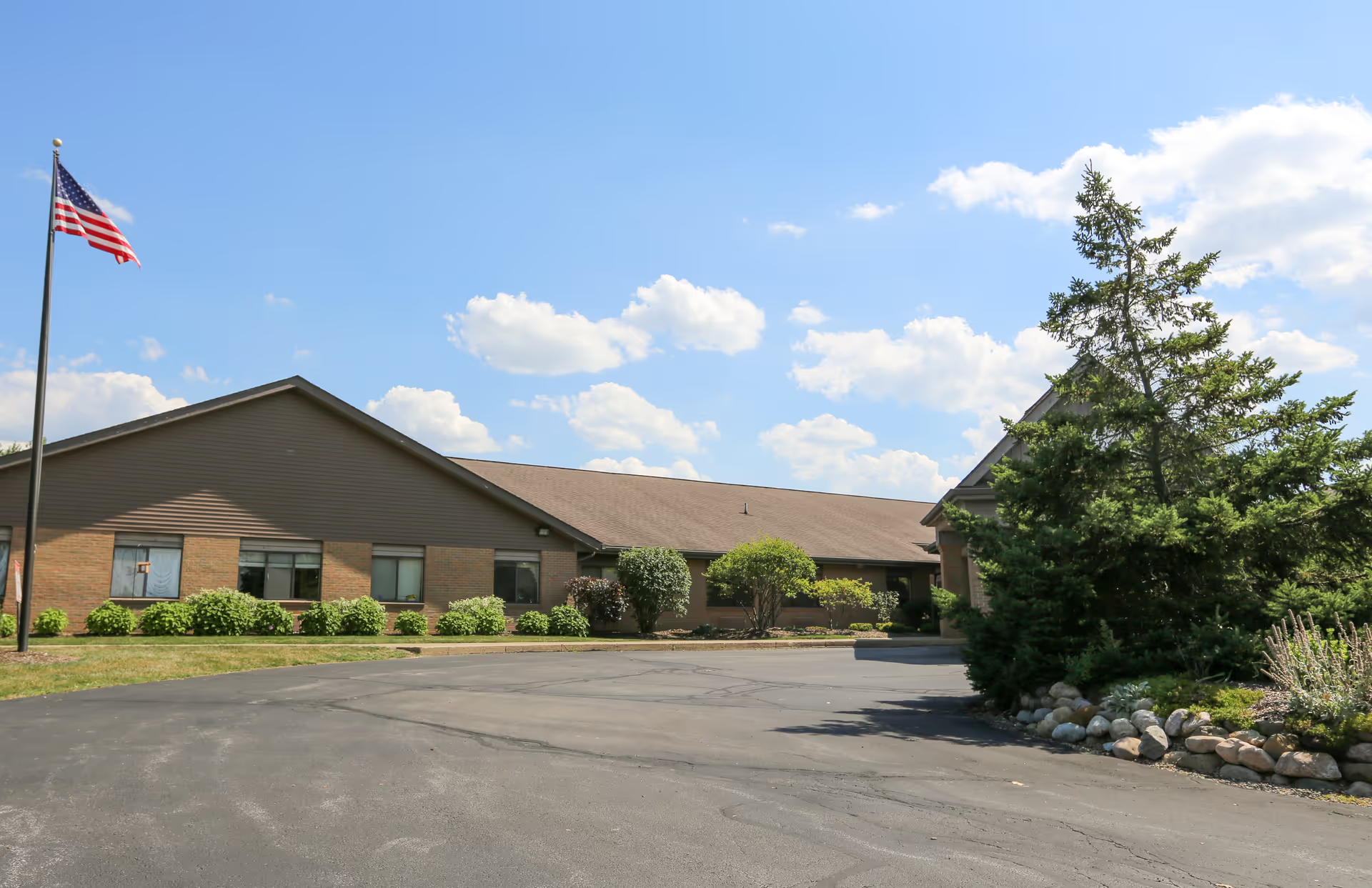
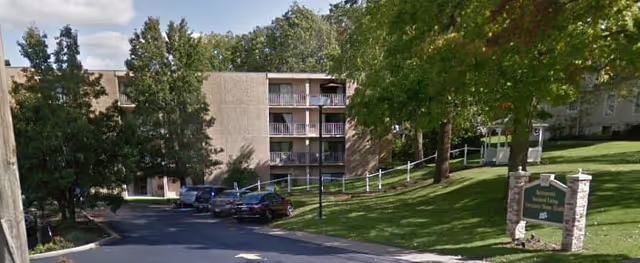
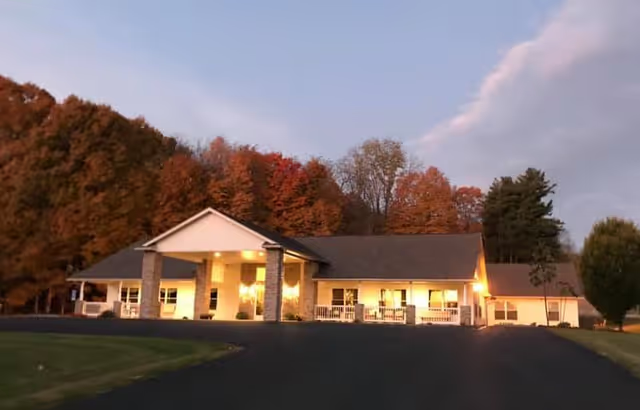
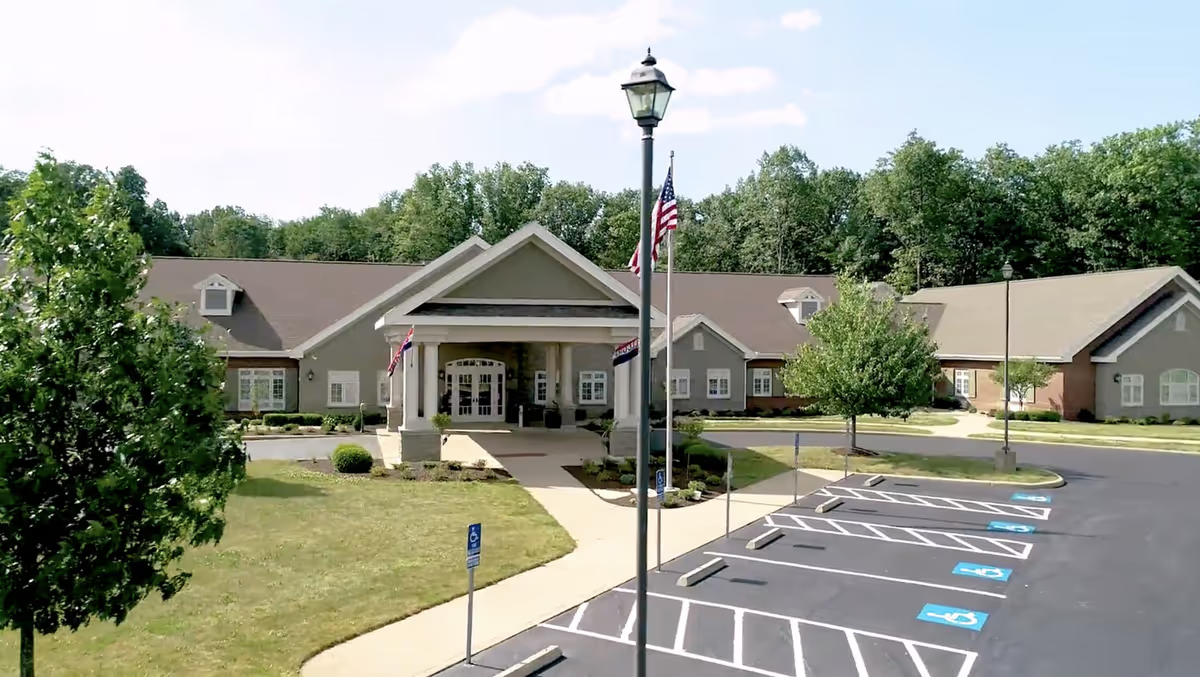
Danbury Wooster is consistently described as a bright, well-maintained continuing-care community with a strong emphasis on person-centered assisted living and memory care. Reviewers emphasize the facility’s cleanliness, attractive public spaces, and a range of apartment configurations that include studio and multi-room suites with kitchenettes. On-site amenities such as a theater, fitness room, salon, library, and multiple dining venues contribute to an environment that supports socialization and day-to-day convenience.
Care quality and staffing are the facility’s most frequently cited strengths. Families and residents highlight compassionate, attentive aides and nurses who learn residents’ names, use individualized daily charts, and respond promptly to clinical concerns and medication needs. Memory-care staff receive particular praise for a therapeutic, respectful approach, and workflows such as on-the-job training, proactive documentation, and scheduled communication with families and clinicians are described as organized and reliable. Reviewers also note helpful transition support from hospitals and rehab providers, plus shuttle services for medical appointments.
Dining and activities are central to resident life at Danbury Wooster. Many reviewers praise the dining program for variety, multiple meal options, and generally high-quality meals; social dining and a café-style bistro are highlighted as community focal points. At the same time, a number of comments indicate occasional variability in food quality. The activity calendar is extensive — daily exercise, arts and crafts, games, live music, outings, and holiday events — and staff are described as proactive in helping residents participate, which supports social engagement and well-being.
Facility management and family communication are presented positively. Administrative staff and leadership are described as accessible and transparent about costs, with specific team members cited for helpful onboarding and ongoing communication. The community’s visible involvement from directors and staff contributes to a sense of security and confidence among families.
Notable patterns in the feedback include several operational caveats. A number of families note that private rooms can be modest in size, which may be limiting for residents who prioritize larger personal space. The community’s pricing is viewed as higher than some alternatives, though comparable within the local market for continuing-care settings. There are occasional mentions of a mismatch between marketing or tour impressions and the lived experience, suggesting that prospective residents should prioritize extended visits and conversations with current residents. Finally, visitation policies tighten during infection-control events, which some families found restrictive, and the facility has a limited capacity for higher-acuity skilled nursing needs — an important consideration for people who expect progressive clinical needs.
Overall, Danbury Wooster projects a strong clinical and social program with attentive staff, plentiful activities, and well-maintained facilities. Prospective residents and families would be well served to tour during active programming, ask detailed questions about apartment sizes and the continuum of clinical care, and discuss cost and visitation policies to confirm the community aligns with their priorities.